
Origins and Conception
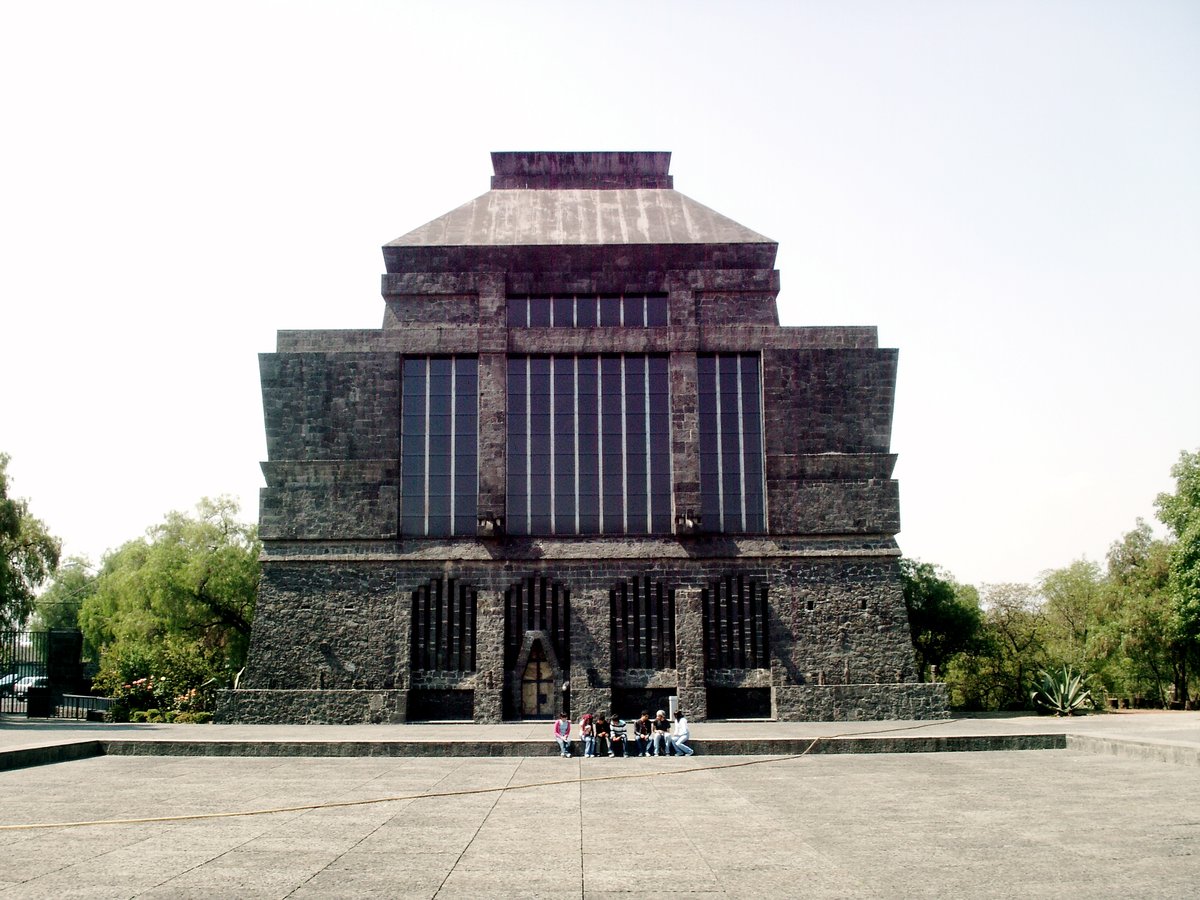
Rivera's passion for preserving and showcasing Mexico's indigenous heritage led to the conception of Anahuacalli. He collected over 50,000 pre-Hispanic artifacts, which are now housed in the museum. The structure is designed to reflect Mesoamerican architectural styles, creating a seamless blend of past and present.
Architectural Design
The architectural design of Anahuacalli is a testament to Rivera's artistic genius and his collaboration with architect Juan O'Gorman. The structure is built from volcanic stone, a material abundant in the region, giving the museum a distinctive and imposing appearance. The design of the building is heavily influenced by Mesoamerican architecture, particularly the Teotihuacan and Aztec styles. The pyramid-like structure and the use of geometric patterns are reminiscent of ancient temples, creating a sense of continuity between the past and the present.
Construction and Development
The construction of Anahuacalli began in the 1940s, but it was not completed until after Rivera's death in 1957. Rivera's wife, the famous painter Frida Kahlo, and their daughter, Guadalupe Rivera Marín, played crucial roles in ensuring the completion of the project. The museum officially opened to the public in 1964, seven years after Rivera's death. The delay in construction was due to the meticulous attention to detail required to create a space that truly honored the artifacts it housed.
Collection and Exhibits
Anahuacalli houses over 50,000 pre-Hispanic artifacts, making it one of the most significant collections of its kind in the world. The collection includes pottery, sculptures, and other artifacts from various Mesoamerican cultures, including the Aztec, Maya, and Olmec civilizations. Rivera meticulously curated the collection, selecting pieces that showcased the artistic and cultural achievements of these ancient societies. The museum's exhibits are arranged thematically, with each room dedicated to a specific aspect of pre-Hispanic life, such as religion, daily life, and warfare.
Visitor Information
Visiting Hours
Anahuacalli Museum is open to visitors from Tuesday to Sunday, from 11:00 AM to 5:30 PM. The museum is closed on Mondays and major holidays.
Tickets
- General Admission - $80 MXN
- Students, Teachers, and Seniors - $50 MXN
- Free admission for children under 6 years old and for everyone on Sundays.
Guided Tours
The museum offers guided tours in both Spanish and English. These tours provide a deeper understanding of the artifacts and the history behind them. It's recommended to book tours in advance.
Travel Tips
- Wear comfortable walking shoes as the museum has several levels and stairs.
- Photography is allowed, but flash and tripods are prohibited.
- Plan to spend at least 2-3 hours to fully explore the museum.
Nearby Attractions
- Frida Kahlo Museum (Casa Azul) - Located in the Coyoacán neighborhood, this museum is dedicated to the life and work of Frida Kahlo.
- Coyoacán Market - A vibrant market where you can find traditional Mexican food, crafts, and souvenirs.
- Plaza Hidalgo - A historic plaza surrounded by colonial architecture, cafes, and shops.
Accessibility
Anahuacalli Museum is partially accessible to visitors with disabilities. Some areas may require assistance due to the building's historic structure. It's advisable to contact the museum in advance to arrange for any specific accommodations.
Cultural Significance and Events
Anahuacalli is not just a museum; it is a cultural center that plays a vital role in preserving and promoting Mexico's indigenous heritage. The museum hosts various cultural events, workshops, and educational programs aimed at fostering a deeper understanding of Mexico's pre-Hispanic cultures. Anahuacalli also serves as a space for contemporary artists to showcase their work, creating a dialogue between the past and the present. The museum's commitment to cultural preservation and education has made it a beloved institution in Mexico City.
Diego Rivera's Legacy
Diego Rivera's legacy is deeply intertwined with Anahuacalli. Rivera's passion for Mexico's indigenous cultures and his dedication to preserving their artifacts are evident in every aspect of the museum. Rivera's influence extends beyond the museum's collection; his murals and other artworks are also displayed throughout the museum, providing visitors with a comprehensive view of his artistic vision. Rivera's commitment to social justice and his belief in the power of art to effect change are also reflected in Anahuacalli's mission and programming.
Visitor Experience
Visitors to Anahuacalli can expect a unique and immersive experience. The museum's architecture and design create a sense of awe and reverence, transporting visitors to a different time and place. The exhibits are thoughtfully curated, providing a comprehensive overview of Mexico's pre-Hispanic cultures. In addition to the permanent collection, Anahuacalli also hosts temporary exhibitions and cultural events, ensuring that there is always something new to see and experience. The museum's location in the Coyoacán neighborhood, a vibrant and historic area of Mexico City, adds to the overall visitor experience.
Preservation and Conservation
Anahuacalli is committed to the preservation and conservation of its collection. The museum employs a team of experts who work tirelessly to ensure that the artifacts are properly cared for and preserved for future generations. The museum also collaborates with other institutions and organizations to promote research and scholarship on Mexico's pre-Hispanic cultures. Anahuacalli's dedication to preservation and conservation is a testament to its commitment to honoring and celebrating Mexico's rich cultural heritage.
Educational Programs
Anahuacalli offers a variety of educational programs aimed at fostering a deeper understanding of Mexico's pre-Hispanic cultures. These programs include guided tours, workshops, and lectures, all designed to engage visitors of all ages. The museum also collaborates with schools and other educational institutions to provide resources and support for teachers and students. Anahuacalli's educational programs are an essential part of its mission to promote cultural awareness and appreciation.
Future Plans
Anahuacalli continues to evolve and grow, with plans for future expansions and new initiatives. The museum is committed to staying relevant and engaging, ensuring that it remains a vital cultural institution in Mexico City. Future plans include the development of new exhibits, the expansion of educational programs, and the enhancement of visitor facilities. Anahuacalli's dedication to innovation and excellence ensures that it will continue to be a beloved and important institution for years to come.
FAQ
Q: What are the Anahuacalli Museum visiting hours?
A: The museum is open from Tuesday to Sunday, 11:00 AM to 5:30 PM.
Q: How much are tickets for Anahuacalli?
A: General admission is $80 MXN, with discounts for students, teachers, and seniors. Children under 6 enter for free, and admission is free for everyone on Sundays.
Q: Are guided tours available?
A: Yes, guided tours are available in Spanish and English. It's best to book in advance.
Q: Is the museum accessible to visitors with disabilities?
A: The museum is partially accessible. Contact the museum in advance for specific accommodations.
For more information about Anahuacalli, visit the official website.