Who Was Ricardo Flores Magón?
Ricardo Flores Magón (1874–1922) was a pioneering Mexican anarchist, journalist, and political activist whose vision and writings played a pivotal role in shaping the Mexican Revolution. His tireless advocacy for labor rights, Indigenous autonomy, and radical political reform positioned him as a lasting symbol of resistance against oppression. The legacy of Flores Magón continues to inspire movements for social justice and political change in Mexico and beyond. (Official Ricardo Flores Magón Biography)
Sites Honoring Ricardo Flores Magón in Mexico City
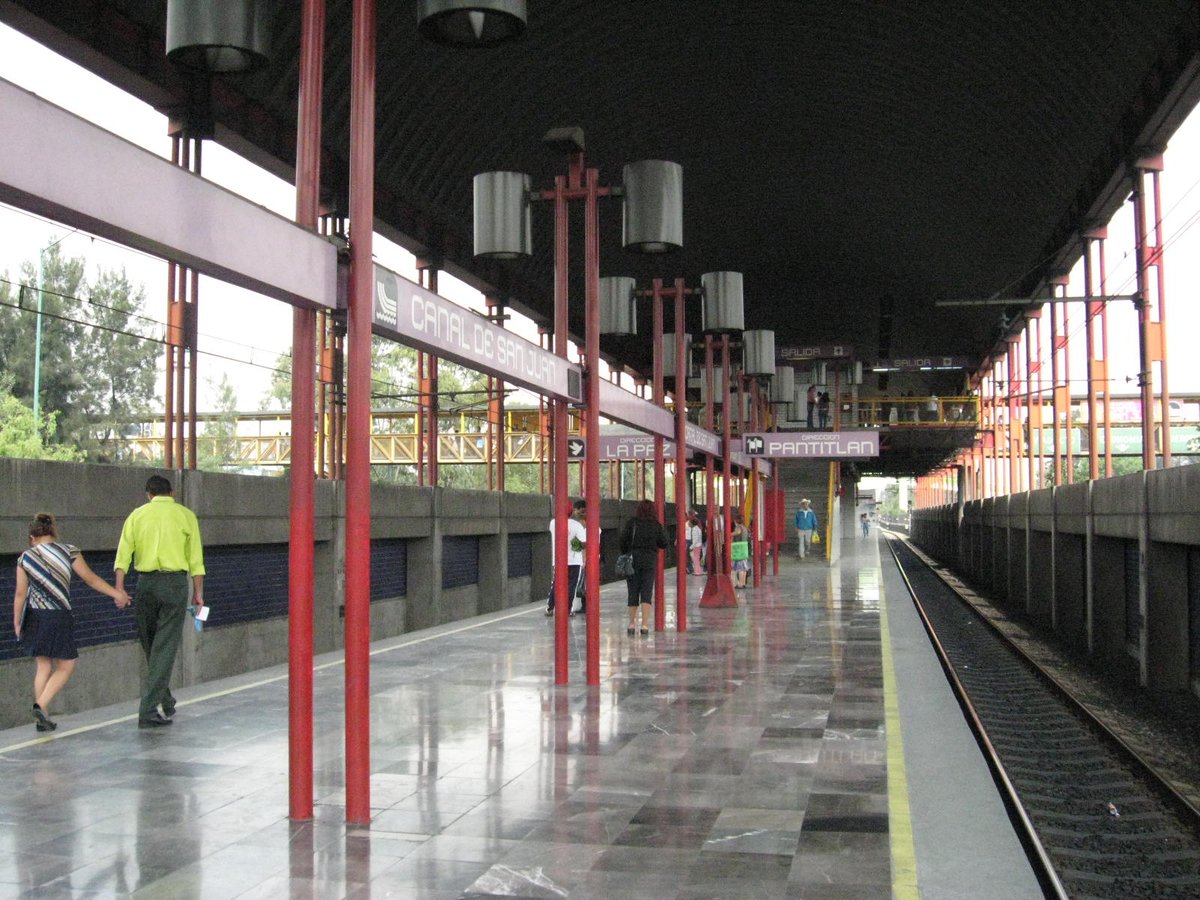
Ricardo Flores Magón Metro Station
- Location Line 5, Gustavo A. Madero borough
- Hours Daily, 5:00 AM – 12:00 AM
- Accessibility Wheelchair accessible; features informational displays about Flores Magón’s life
- Getting There Easily reached via Metro, buses, and taxis
The station serves as a gateway to several historical sites and is emblematic of Flores Magón’s enduring legacy within the everyday fabric of Mexico City. (Metro CDMX Official Site)
Rotunda of Illustrious Men (Rotonda de las Personas Ilustres)
- Location Panteón de Dolores, Mexico City
- Hours Monday to Sunday, 9:00 AM – 5:00 PM
- Admission Free
This monument is the resting place of Ricardo Flores Magón and other national icons. Visitors can pay their respects and gain insight into Mexico’s revolutionary history through commemorative plaques and guided narratives.
Calzada Ricardo Flores Magón
A major city avenue commemorates Flores Magón, stretching from the Cuitlahuac Glorieta through vibrant neighborhoods. Walking or biking along this avenue reveals murals and public art reflecting revolutionary themes and local life.
Tlatelolco University Cultural Center
- Address Avenida Ricardo Flores Magón No. 1, Plaza de las Tres Culturas
- Hours Tuesday to Sunday, 10:00 AM – 6:00 PM
- Admission Free
The center hosts exhibitions on resistance, art, and the legacy of Flores Magón and the Mexican Revolution. Guided tours are available; check their official website for current programming.
Museums and Exhibitions
Museo Nacional de la Revolución
- Location Plaza de la República, Mexico City
- Hours Tuesday to Sunday, 9:00 AM – 5:00 PM
- Admission Modest fee (discounts for students and seniors)
While there is no museum solely dedicated to Flores Magón, his role in the Revolution is spotlighted in rotating exhibits at this premier museum. (Museo Nacional de la Revolución)
Annual Events and Guided Tours
Every September 16 (his birthday) and November 21 (the anniversary of his death), Mexico City hosts commemorative events, lectures, and cultural activities honoring Flores Magón. Local tour operators offer walking tours of revolutionary sites, often including the Metro station, Rotunda, and murals in Colonia Guerrero.
Travel Tips and Accessibility
- Best Time to Visit Spring (March–May) and Fall (September–November) for pleasant weather and cultural events
- Accessibility Key sites, including Metro stations and the Rotunda, accommodate visitors with disabilities. Confirm access for smaller venues.
- Safety Daytime visits are generally safe; exercise caution and avoid isolated areas at night.
- Photography Monuments and murals are photo-friendly, but always ask permission before photographing individuals or inside churches.
Exploring Tlatelolco and Colonia Guerrero
Tlatelolco: Layers of Mexican History
The historic Plaza de las Tres Culturas unites Aztec ruins, the 16th-century Santiago de Tlatelolco Church, and modern government buildings. Interactive exhibits and augmented reality tours enhance the experience. (Mexico City Tourism)
Colonia Guerrero: Revolutionary Roots
This neighborhood honors Vicente Guerrero and Ricardo Flores Magón, with murals and community projects celebrating social justice. Murals and public art are prevalent, especially along Calzada Ricardo Flores Magón. (Anarchist Archives)
Local Markets and Food
- El Salado Market Open daily, 7:00 AM – 8:00 PM, offers authentic Mexican street food and traditional crafts. (Mexico City Markets)
Visiting the Ricardo Flores Magón Monument
- Location Ricardo Flores Magón Avenue, near Tlatelolco
- Hours Daily, 8:00 AM – 6:00 PM
- Admission Free
- Guided Tours Available through local tour operators
The monument stands as a focal point for commemorations and community events. Educational plaques detail Flores Magón’s contributions to Mexican society.
Getting There
- Metro Tlatelolco station (Line 3)
- Metrobús Manuel González station (Line 1)
- Other Authorized taxis and ride-hailing apps are recommended for convenience and safety.
Accessibility
The monument is accessible, with ramps and elevators at nearby Metro stations. Some sidewalks may be uneven—take care if using mobility aids.
Frequently Asked Questions (FAQ)
Q: Are there entrance fees for Ricardo Flores Magón sites?
A: Most are free; museums may charge a modest fee.
Q: What are the opening hours?
A: Monuments and public spaces: generally 8:00 AM – 6:00 PM; museums and Rotunda: 9:00 AM – 5:00 PM.
Q: Are guided tours available?
A: Yes, book through local operators or at the Tlatelolco University Cultural Center.
Q: Is the area safe?
A: Daytime is safe; use caution at night and in less populated areas.
Q: Are the sites accessible?
A: Most major sites are wheelchair accessible; check ahead for specific needs.