Pre-Hispanic and Colonial Roots
The neighborhood now known as La Lagunilla has origins reaching back to the Aztec era. Once characterized by small lagoons connected to Lake Texcoco, it was an important port for goods arriving at the massive Tlatelolco market. After the Spanish conquest, the lagoon dried up but the area retained its name—“Lagunilla” meaning “small lake.” The transition from indigenous tianguis (open-air markets) to colonial trading posts ensured that the spirit of commerce remained central to the area (Wikipedia).
19th–20th Century Expansion
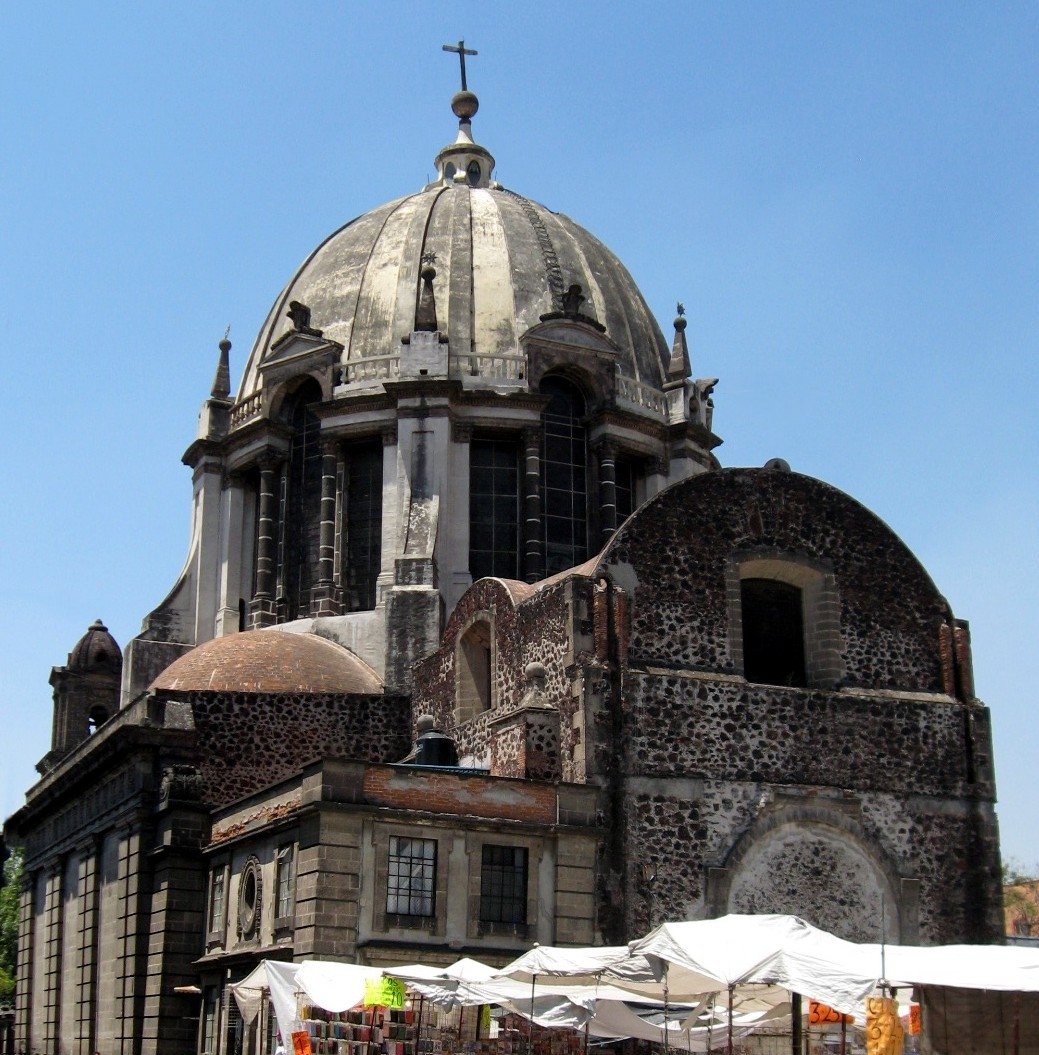
During the 19th century, as Mexico City grew, La Lagunilla became a formal commercial district. The construction of permanent market buildings in the 20th century, particularly along Comonfort Street, marked a new era. The market expanded rapidly—both physically and culturally—becoming known for antiques, vintage clothing, and rare collectibles, especially during the renowned Sunday tianguis (Mexico Historico; Forever Vacation).
Cultural Significance and Community Role
La Lagunilla is more than a shopping destination—it’s a cultural hub where indigenous, colonial, and contemporary Mexican traditions converge. Vendors offer pottery, silverwork, textiles, and folk art. The market also serves as a platform for festivals, music, and food traditions, reinforcing community bonds and preserving oral histories (Mexico Historico; OrangeSmile).
The Sunday Tianguis
Every Sunday, Lagunilla bursts to life with its sprawling tianguis—a tradition dating back centuries. Stalls line Comonfort and adjacent streets, offering antiques, vintage fashions, art, and collectibles alongside the aromas of street food and the sounds of salsa and reggaeton. This weekly event draws locals and tourists alike, and is essential for anyone seeking the market’s full vibrancy (Forever Vacation).
Visiting Hours, Tickets, and Travel Tips
Visiting Hours
- General Market Monday–Saturday, 8:00 AM – 6:00 PM
- Sunday Tianguis 6:00 AM – 4:00 PM (arrive early for the best selection)
Tickets and Entry
- Admission Free (no tickets required for general entry)
- Guided Tours Available through local providers; may require advance booking and fees
Getting There
- Metro Lagunilla station (Line B). Alternative: Tepito station (Line 1).
- Bus/Taxi/Rideshare Widely available; use authorized services for safety.
Accessibility
- Market buildings have ramps and basic features, but outdoor sections can be crowded and uneven. Plan accordingly if you have mobility challenges.
Photography
- The market’s vibrant stalls, murals, and street scenes are ideal for photos. Always ask vendors for permission before taking close-up shots.
Recent Renovations and Modern Relevance
Lagunilla has seen recent infrastructure improvements, making it safer and more comfortable for visitors while preserving its authentic spirit. The market continues to attract new generations—locals and tourists alike—seeking a genuine “chilango” experience that seamlessly blends tradition and contemporary urban energy (Mexico Historico; Mexico City Streets).
Enduring Legacy
From its origins as a key node in Aztec trade, through colonial evolution and into the present day, Lagunilla remains a living museum of Mexico City’s history. Every visit offers a chance to connect with the city’s past and witness its bustling, ever-changing present (Forever Vacation).
Frequently Asked Questions (FAQs)
Q: What are Lagunilla’s visiting hours?
A: Monday–Saturday, 8:00 AM – 6:00 PM; Sunday Tianguis, 6:00 AM – 4:00 PM.
Q: Is there an entry fee?
A: No, entry is free. Guided tours may require payment.
Q: How do I get there?
A: Metro Line B (Lagunilla station) or Line 1 (Tepito station); authorized taxis and rideshares are also options.
Q: Are guided tours available?
A: Yes, several companies offer market tours with historical and cultural insights.
Q: Is the market accessible?
A: Permanent buildings are accessible; outdoor areas are often crowded and uneven.
Q: What can I buy?
A: Antiques, vintage clothing, collectibles, crafts, and traditional Mexican foods.
Safety, Practical Tips, and Accessibility
- Safety Petty theft can occur in crowded areas. Keep valuables close, use zippered bags, and avoid displaying expensive items (Travellers Worldwide; U.S. State Department).
- Bargaining Expected and part of the market culture—be respectful and friendly.
- Payments Most vendors accept cash only. Carry small denominations.
- Food Choose busy stalls with good hygiene. Drink bottled water.
- Language Spanish is primary; basic phrases help, though some vendors speak English.
- Accessibility Main pathways are fairly accessible, but crowds and uneven surfaces may pose challenges.
Nearby Attractions
- Historic Center Zócalo, Palacio de Bellas Artes, Alameda Central
- Plaza Garibaldi Famous for mariachi music and nightlife
- Tepito Neighborhood Another famed market district with a unique local character
Visuals and Media
Explore La Lagunilla Market on Google Maps
Related Articles
- Top Historical Sites to Visit in Mexico City
- Exploring Tepito: Mexico City’s Iconic Neighborhood
- Guide to Mexico City’s Best Flea Markets
Discover More
Lagunilla Market offers a captivating journey through Mexico City’s cultural and historical tapestry. With its blend of tradition, commerce, and community, it’s a must-visit for anyone seeking the true spirit of the city. Plan your visit around Sunday’s bustling tianguis, explore the rich selection of antiques and crafts, and enjoy the lively street life. For up-to-date event details, safety tips, or guided tour bookings, download the Audiala app and follow us on social media for exclusive insights and cultural updates.