
History and Evolution of the Site
Pre-Hispanic Calmécac
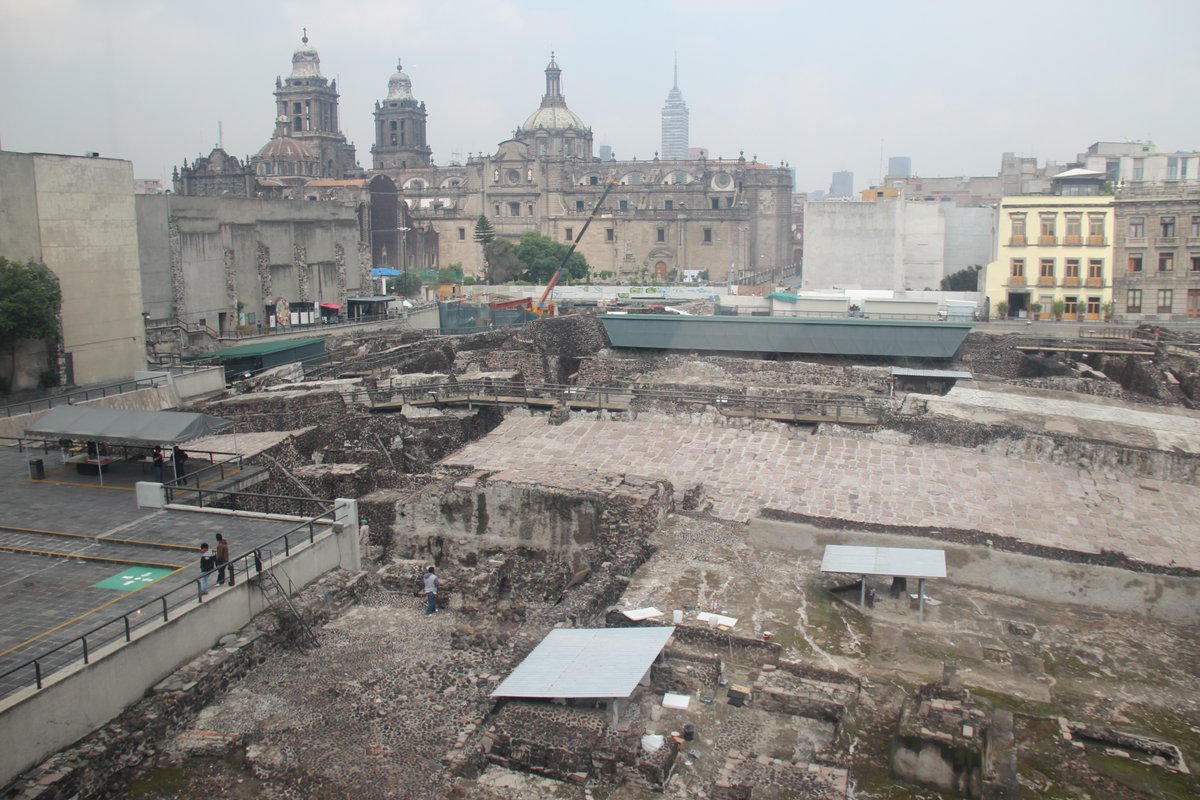
The CCEMx is built atop the remains of the Calmécac, the prestigious Mexica school (c. 1486–1519) where noble youths were trained in religion, governance, and the arts of war. Archaeological excavations have uncovered over 80 artifacts—including spiral almenas and ceremonial objects—many of which are displayed in the center’s Museo de Sitio.
Colonial and Modern Transformations
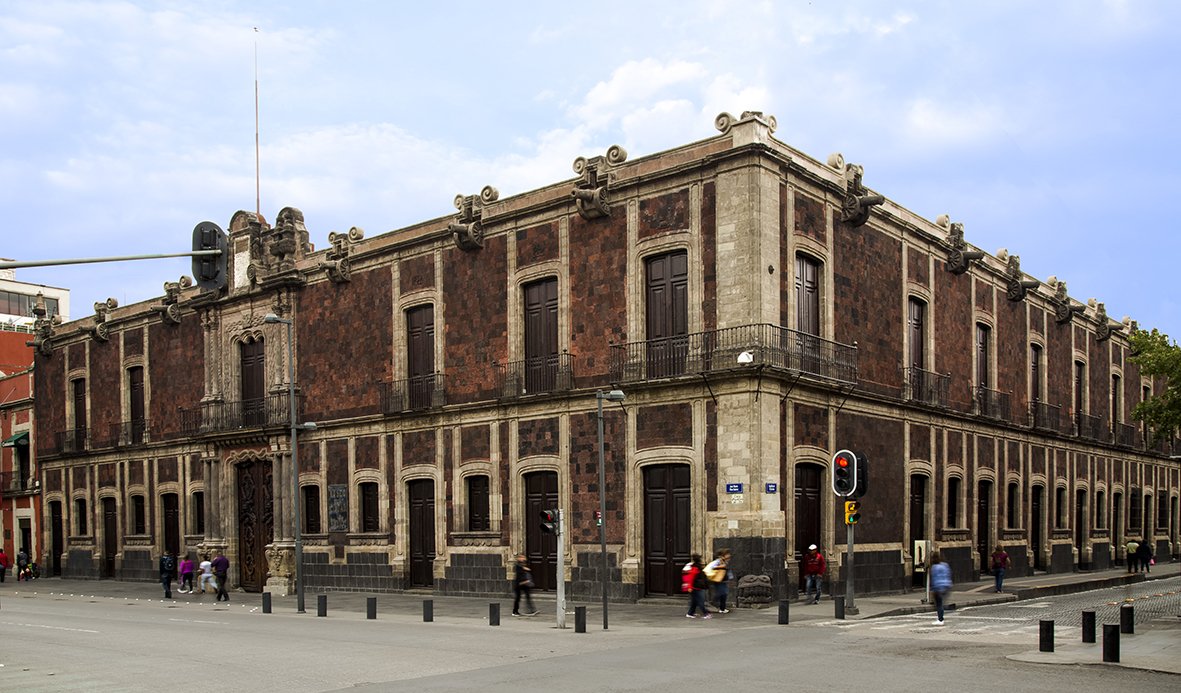
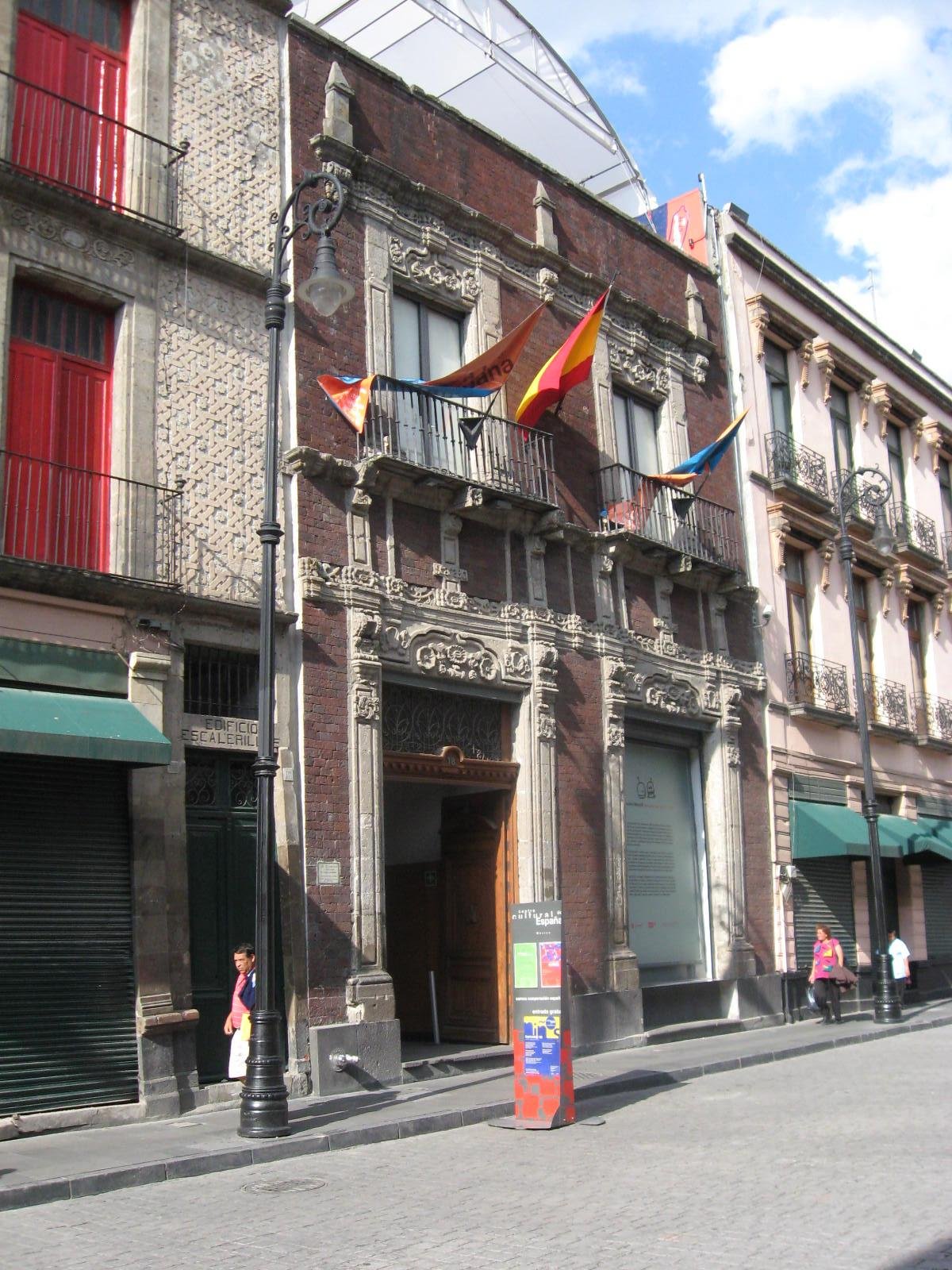
Following the Spanish conquest, the land was granted to a conquistador, and a Baroque mansion was constructed in the 17th century. Over time, the building served various civic and commercial roles. After suffering damage in the 1985 earthquake and a period of abandonment, restoration efforts led by architect Alfonso Govela began in 1997. The modern CCEMx opened its doors in 2002, inaugurating a new era of cultural exchange.
Architecture and Design
Fusion of Old and New
CCEMx’s architecture thoughtfully merges historic and contemporary elements. The restored Baroque mansion is complemented by a striking modern extension (2012, by architect Javier Sánchez), which nearly doubled the usable space and introduced features like a rooftop terrace and open public passageways linking Guatemala and Donceles streets.
Key Facilities
- Espacio X Auditorium Seats 250 (or 500 standing), hosts concerts, talks, and performances.
- Sala Panorama Multi-purpose room with a terrace facing the Zócalo.
- Sala Donceles Over 300m² for exhibitions.
- Museo de Sitio Displays archaeological finds from the Calmécac.
- Mediateca Digital library with books, multimedia, and free Wi-Fi.
- Terrace Bar and Café Live music and city views.
The building is fully equipped with modern climate control, security, and wireless connectivity.
Archaeological Heritage
During expansions, significant pre-Hispanic and colonial artifacts were discovered and integrated into the museum’s design, offering visitors a direct connection to Mexico City’s layered past.
Sustainability and Accessibility
CCEMx is committed to environmental responsibility and barrier-free access, with ramps, elevators, and adapted restrooms throughout the facility.
Visiting Hours & Admission
- Tuesday to Saturday 11:00 AM – 9:00 PM
- Sunday 10:00 AM – 4:00 PM
- Monday Closed
Most exhibitions and events are free. Some special workshops or performances may require registration or a nominal fee. For the latest schedules, visit the official site.
Getting There & Nearby Attractions
Address: Guatemala 18 (corner with Donceles 97), Centro Histórico, Cuauhtémoc, 06010 CDMX
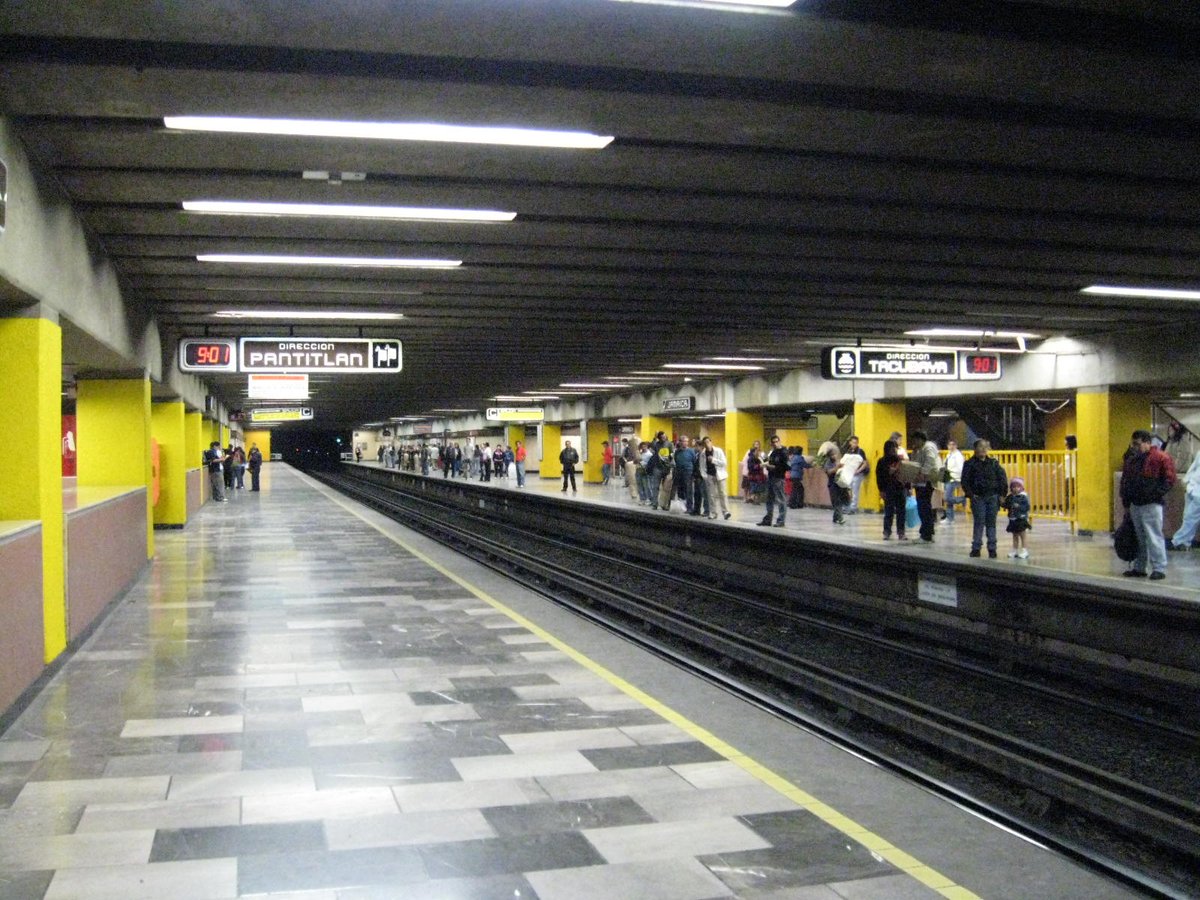
- Metro Zócalo (Line 2), Allende (Line 2), and Bellas Artes (Line 2/8) stations within walking distance.
- Bike Share Ecobici stations nearby.
- Parking No onsite parking; use public transit or nearby paid lots.
Nearby Landmarks:
- Metropolitan Cathedral
- Zócalo Plaza
- Templo Mayor
- Palacio de Bellas Artes
- Museo Nacional de Arte (MUNAL)
- Café de Tacuba (historic restaurant)
Programs: Tours, Workshops, and Events
- Guided Tours Free tours on weekends, with focus on architecture and archaeology. Group reservations recommended.
- Exhibitions Rotating displays of contemporary art, photography, and digital media by Mexican, Spanish, and international artists.
- Live Events Concerts, theater, dance, and film screenings, often linked to cultural festivals.
- Workshops & Educational Programs Hands-on learning for all ages in visual arts, technology, creative writing, and more. Many activities are family-friendly and inclusive.
- Mediateca Access to books, films, and digital resources for research and leisure.
Check the activity calendar for current programming.
Frequently Asked Questions (FAQ)
Is admission free?
Yes, most exhibitions and regular events are free. Some special programs may require registration or a small fee (ccemx.org).
What are the visiting hours?
Tuesday–Saturday: 11:00 AM–9:00 PM. Sunday: 10:00 AM–4:00 PM. Closed Mondays.
Is the center accessible for people with disabilities?
Yes, the building has ramps, elevators, and adapted restrooms.
Are guided tours available?
Yes, free tours are offered on weekends; group tours should reserve in advance.
Is photography allowed?
Photography is generally permitted except where indicated during special exhibitions.
How can I get there by public transport?
Nearest metro stations: Zócalo, Allende, Bellas Artes. Ecobici bike-share stations are close by.
Are there family-friendly activities?
Yes, workshops and exhibitions for children and families are regularly scheduled.
Is there a café on site?
Yes, a café and bar are located on the rooftop terrace.
Planning Your Visit: Tips & Visual Suggestions
- Check the event calendar before you go.
- Arrive early for popular events; weekends can be busy.
- Combine your visit with nearby museums and historic sites for a full cultural experience.
- Language Most events are in Spanish; some offer English and Mexican Sign Language interpretation.
- Safety The historic center is generally safe; use usual city precautions.
Visuals to Enhance Your Experience:
- Photos of the historic façade and rooftop terrace.
- Images of exhibition halls and archaeological displays.
- Maps showing location and nearby attractions.
- Virtual tour links if available (see official site).
Internal Links
- Top Mexico City Historical Sites to Visit
- Guide to Palacio de Bellas Artes
- Exploring Templo Mayor and Aztec History