History and Origins
Construction and Early Years
Arena Coliseo was conceived and financed by Salvador Lutteroth in the early 1940s, following the destruction of the National Arena by fire in 1937. Using lottery winnings, Lutteroth built the new arena at República de Perú 77, Cuauhtémoc, which opened its doors on April 2, 1943. The venue quickly became the home of Empresa Mexicana de Lucha Libre (now Consejo Mundial de Lucha Libre, or CMLL), the world’s oldest professional wrestling promotion (prowrestling.fandom.com).
Initially seating nearly 9,000, Arena Coliseo was the largest indoor sports venue in Latin America at the time. Its circular, funnel-like design—nicknamed “The Lagunilla Funnel”—created outstanding acoustics and sightlines, fostering an electric, communal atmosphere.
Evolution and Role in Lucha Libre
Arena Coliseo was the primary venue for legendary matches and became the epicenter of Lucha Libre’s golden age, launching the careers of icons like El Santo, Blue Demon, and Mil Máscaras. In 1956, the opening of the larger Arena México shifted main events there, but Arena Coliseo retained its charm for fans seeking an authentic, intimate wrestling experience (luchawiki.org).
Cultural and Architectural Significance
Arena Coliseo’s architecture is a defining feature: its circular, funnel-shaped design ensures every spectator enjoys an intimate view of the ring. The venue’s location in the bustling La Lagunilla district ties it closely to Mexico City’s working-class communities, further embedding Lucha Libre in the city’s social fabric.
Lucha Libre at Arena Coliseo is more than sport—it is a form of storytelling, with heroes (técnicos) and villains (rudos) enacting moral dramas that reflect themes of justice, resilience, and identity. The arena’s events are accessible and family-friendly, promoting a sense of community and belonging (luchamexicoexperience.com; Mexico Historico).
Notable Events and Legacy
Arena Coliseo has hosted countless historic matches, including the iconic 1952 “Máscara contra Máscara” (mask vs. mask) bout between El Santo and Black Shadow (CMLL official). The arena’s enduring legacy is reflected in its influence on Mexican film, art, and popular culture. The masked luchador has become a national symbol, inspiring artists and filmmakers and making Arena Coliseo a beloved landmark not just for sports, but for Mexican identity itself (Lonely Planet).
Visiting Arena Coliseo: Hours, Tickets, and Accessibility
Event Schedule and Visiting Hours
- Main Event Day Saturday nights, with shows starting at 7:30 PM (“Sábado de Arena Coliseo”) (CMLL Cartelera; LuchaDB)
- Box Office Opens from 11:00 AM on event days until showtime (Trip.com)
- Doors Open Approximately one hour before the event
Special events and themed nights are announced on the CMLL schedule and may affect hours.
Ticket Information
-
Where to Buy
- Box Office Arena Coliseo, República de Perú 77, Centro Histórico
- Online Ticketmaster Mexico
- Authorized Resale TicketSales.com (verify authenticity)
-
Prices (as of July 2025)
- Ringside/Front Row 300–350 MXN
- Lower Bowl 150–250 MXN
- Upper Levels 50–100 MXN
- Special Events Up to 350 MXN or more
-
Family-Friendly Discounted tickets for children may be available; Arena Coliseo welcomes families.
-
Accessibility The arena offers ramps and accessible seating, though facilities are limited—contact staff ahead for assistance (Voyage Mexique).
Seating
Arena Coliseo seats 6,863 spectators in a circular arrangement, ensuring excellent views from every section. Seating charts are available during online ticket purchase (Explore Miles).
Transportation and Location
Getting There
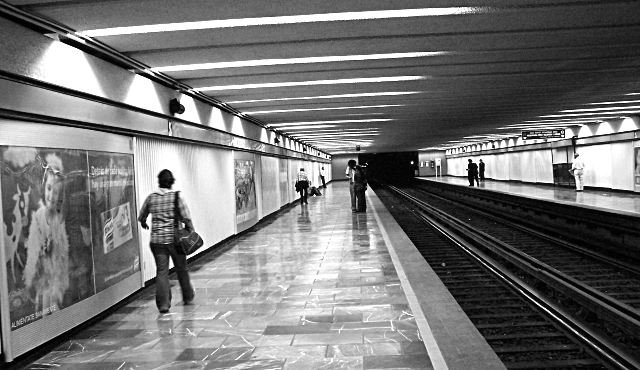
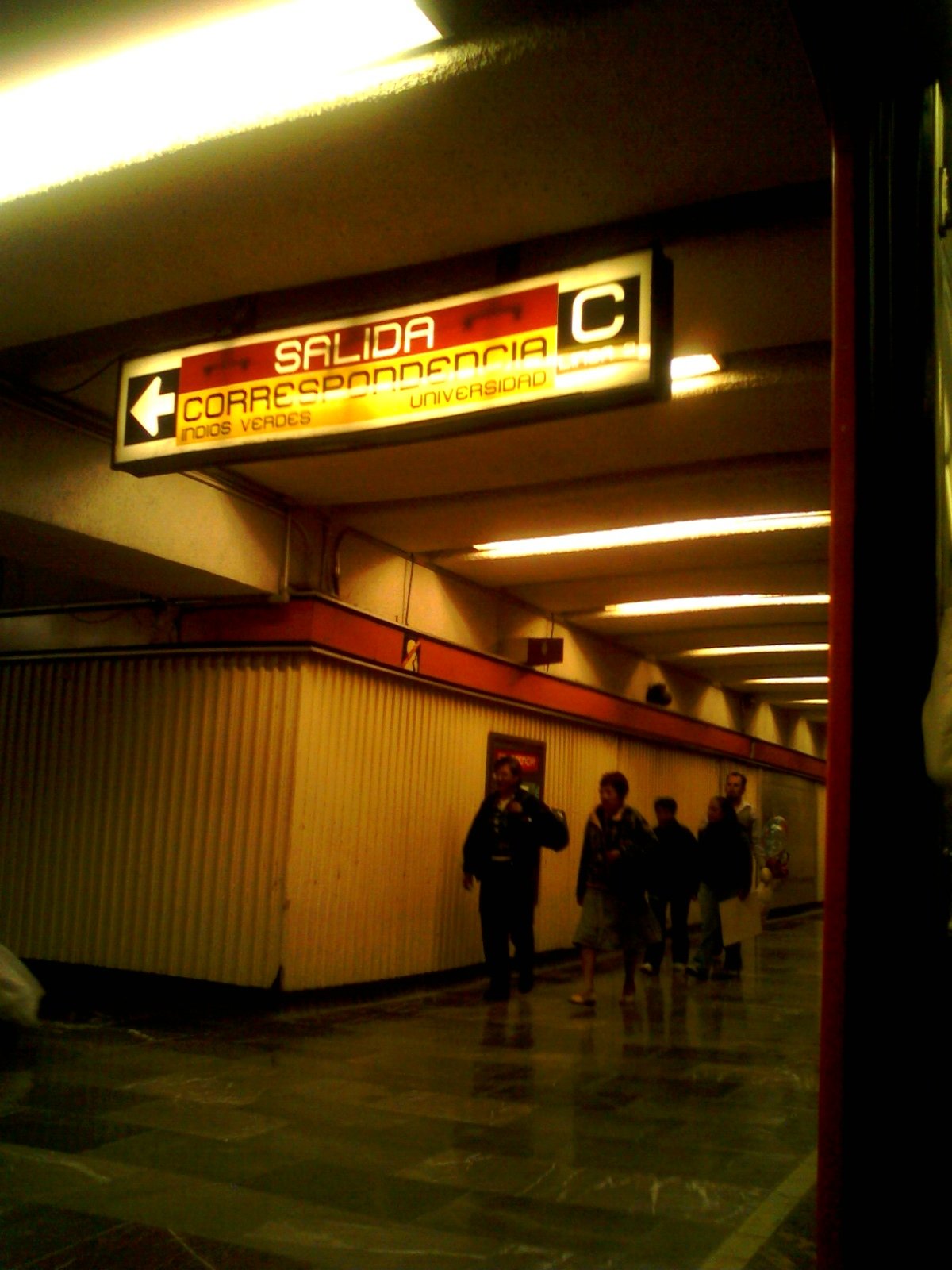
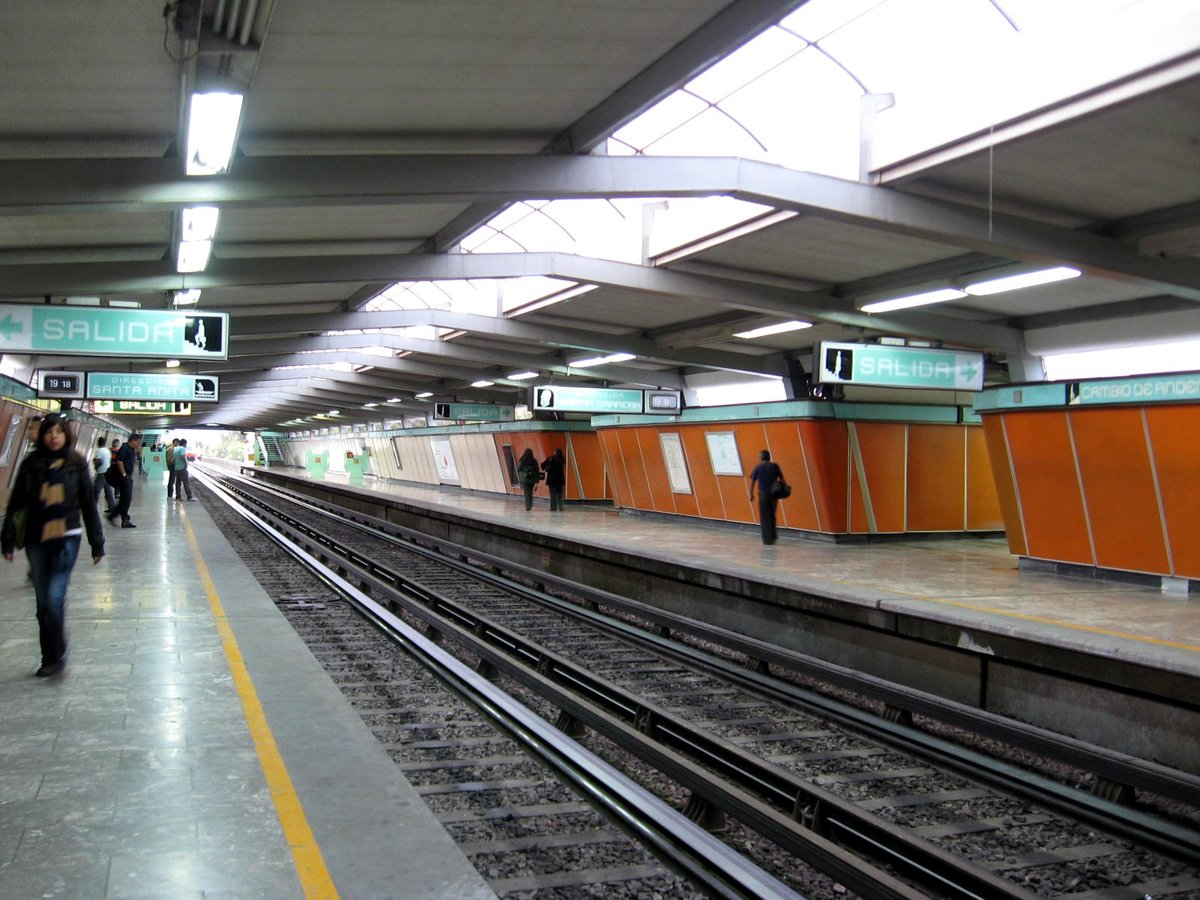
- Metro Allende station (Line 2, Blue Line), about a 4-minute walk (Metro CDMX App)
- Bus Lines 118, 159, 18, and others; fares 6–8 MXN
- Metrobús El Ángel stop (Line 7), then short walk or taxi
- Taxi/Rideshare Uber, Didi, or Cabify; fares 30–60 MXN from Zócalo
- Walking 10–15 minutes from Zócalo or other central landmarks
Parking: Limited and fills quickly during events—public transit is recommended.
Accessibility
Metro stations such as Allende offer ramps and elevators, but sidewalks and streets in the historic center can be uneven or crowded. Rideshares or taxis are recommended for those with mobility concerns. Inside the arena, staff can assist visitors needing help.
Nearby Attractions
Enhance your visit by exploring these nearby Mexico City historical sites:
- Templo Mayor 10-minute walk
- Metropolitan Cathedral 11-minute walk
- Museo del Estanquillo 12-minute walk
- Antiguo Colegio de San Ildefonso 9-minute walk
- La Lagunilla Market 8-minute walk
The area offers a vibrant mix of museums, markets, and eateries, making it ideal for a full day of cultural exploration.
Visitor Tips and Safety
- Arrive Early For best seats and to experience the lively pre-show atmosphere.
- Cash Bring cash for tickets, snacks, and souvenirs; some vendors may not accept cards.
- Language Basic Spanish or a translation app is helpful for navigation.
- Public Transit Purchase or recharge transit cards in advance; avoid rush hour (7–9 AM, 5–8 PM).
- Security Keep belongings secure, especially in crowded areas.
- Photography Policies vary—check with staff before taking photos during events.
Frequently Asked Questions (FAQ)
Q: What are Arena Coliseo’s visiting hours?
A: The box office opens from 11:00 AM on event days, with doors opening about an hour before matches (typically Saturdays at 7:30 PM).
Q: How can I buy Arena Coliseo tickets?
A: Purchase at the box office, online via Ticketmaster Mexico, or through authorized resale platforms.
Q: Is Arena Coliseo accessible for people with disabilities?
A: The arena offers ramps and accessible seating but has limited facilities. Contact ahead for assistance.
Q: Are cameras allowed inside?
A: Photography rules vary by event; consult event organizers or the official website.
Q: Can I visit Arena Coliseo when no events are scheduled?
A: Guided tours may be available on select days; check the official website for details.