

Historical Background
Observatorio’s history is rooted in Mexico City’s westward expansion and scientific ambitions of the 19th century. Its name is derived from the National Astronomical Observatory, which was constructed during the Porfiriato era and symbolized the nation’s commitment to scientific progress (MexicoCity.cdmx.gob.mx). Although the original observatory no longer stands, its legacy continues to shape the neighborhood’s identity.
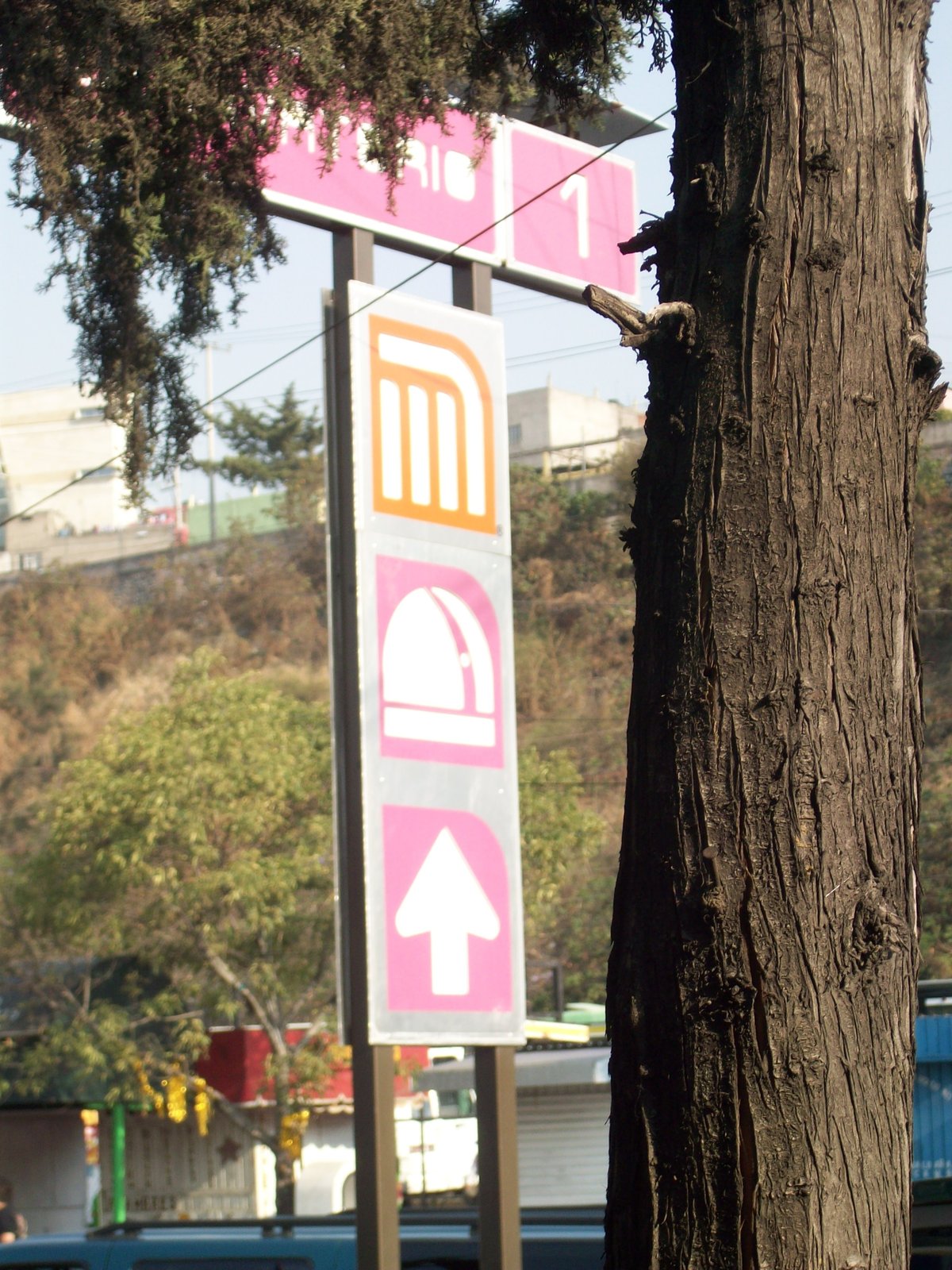
The area’s development accelerated with the inauguration of the Observatorio Metro Station in 1972, serving as the western terminus of Line 1 and later evolving into a major intermodal transport hub. Its strategic location near Avenida Constituyentes and the Periférico has further solidified Observatorio’s status as a crucial entry point to Mexico City, especially for travelers arriving from Toluca and the State of Mexico (Metro CDMX).
Key Landmarks and Nearby Attractions
- Panteón Civil de Dolores Mexico’s largest cemetery, established in 1875, offering insight into the country’s social and cultural history.
- Bosque de Chapultepec One of the world’s largest urban parks, home to Chapultepec Castle, the National Museum of Anthropology, and various museums and green spaces (PlanetWare).
- San Miguel Chapultepec A vibrant neighborhood with art galleries, cafés, and traditional eateries.
- Tacubaya Historic area with colonial churches, local markets, and cultural sites.
- Polanco and Condesa Upscale districts featuring museums, luxury shopping, and renowned parks.
- Centro Histórico Accessible via Metro Line 1, the city center boasts the Zócalo, Palacio de Bellas Artes, and Torre Latinoamericana.
Visiting Hours, Tickets, and Guided Tours
Observatorio Metro Station
- Operating Hours Daily from 5:00 AM to midnight.
- Tickets Single metro ride: MXN $5 (~USD $0.25). Rechargeable metro cards are available at stations.
Observatorio Bus Terminal
- Operating Hours Typically 5:00 AM to 10:00 PM, but may vary by bus company.
- Tickets Purchase at the terminal or online in advance, especially during weekends and holidays.
Tren Interurbano México-Toluca (El Insurgente)
- Status Service commencement expected soon. Tickets will be available online and at the station, with competitive fares designed for daily commuters (ITF-OECD).
Guided Tours and Special Events
- Walking tours covering Observatorio and neighboring districts, including Chapultepec Park, are available through local agencies.
- Check community event calendars for special exhibitions and markets in the area.
Nearby Historical Sites
- Chapultepec Castle Open 9:00 AM–5:00 PM; admission around MXN $75.
- National Museum of Anthropology Open 9:00 AM–7:00 PM; admission around MXN $85.
- Museo Tamayo Arte Contemporáneo Contemporary art exhibitions.
Transportation and Accessibility
How to Get There
- Metro Observatorio is the western terminus of Line 1; ongoing upgrades will soon connect it to Line 12 and the El Insurgente commuter rail (Wikipedia).
- Bus Terminal Direct connections to Toluca, Querétaro, Michoacán, Jalisco, and more (Bookaway).
- Taxis & Rideshare Uber, Didi, and official taxis are widely available (Hippie in Heels).
- Local Buses RTP and microbuses connect Observatorio to other city regions, though transfer times may vary (ITF-OECD).
Accessibility
- Fully accessible with elevators, ramps, tactile paving, and accessible restrooms (Infobae).
- Staff available to assist travelers with special needs.
Travel Tips and Safety
- Peak Hours Avoid 7:00–9:30 AM and 5:00–8:00 PM for a less crowded experience.
- Safety Standard urban precautions apply. Police patrols and CCTV ensure general security, but remain vigilant against pickpocketing.
- Facilities Restrooms, convenience stores, food stalls, and luggage storage are available at transit terminals.
- Wi-Fi & Connectivity Free Wi-Fi in metro stations; local SIM cards at convenience stores (Hippie in Heels).
- Weather June is rainy; bring waterproof gear (Weather25).
Cultural and Local Insights
- Social Etiquette Greet with “buenos días” or “buenas tardes.” Queuing is customary at ticket counters and platforms.
- Cuisine Street food is popular—try tacos, tamales, and tortas near Observatorio or enjoy upscale dining in Polanco and Chapultepec (PlanetWare).
- Local Life Surrounding districts are lively, with markets, art galleries, and regular cultural events.
- Events Chapultepec Park and the city center host festivals year-round; Lucha Libre is a popular experience at Arena México (Touropia).
Frequently Asked Questions (FAQ)
Q: What are the operating hours for Observatorio Metro Station?
A: 5:00 AM to midnight daily.
Q: Do I need tickets for Observatorio attractions?
A: Metro and bus fares are standard; museums and parks nearby charge modest entry fees.
Q: Can I buy transportation tickets online?
A: Bus tickets can be purchased online or at terminals. Metro cards are available at stations.
Q: Is Observatorio safe for tourists?
A: Yes, especially during the day. Use usual precautions against pickpocketing.
Q: Are guided tours available?
A: Yes, local agencies offer walking tours focusing on history and culture.
Q: Is Observatorio accessible for travelers with disabilities?
A: The station and most major attractions are equipped with accessibility features.