Warszawa Wola
Wola is a district of Warsaw, Poland, with medieval roots and a history shaped by royal elections, industrial growth and wartime events. Today, it combines historic sites and industrial architecture with contemporary skyscrapers, cultural venues, street art, parks and community events. Former factories such as Norblin and Browary Warszawskie have become cultural and gastronomic centers, while Varso Tower reflects the district’s transformation (Warsaw Insider).
History
Medieval roots and early development
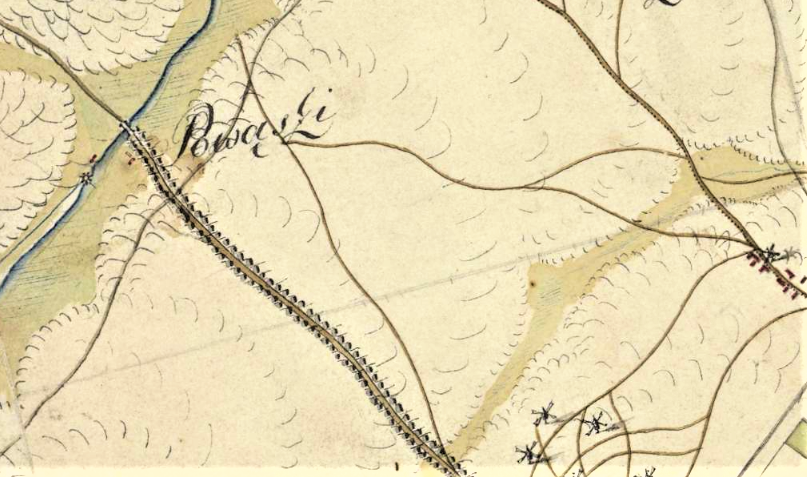
Wola began as a rural area just outside Warsaw’s city walls. Warsaw originated in the 13th century, and Wola later became the site of the “Election Fields,” where Polish kings were chosen in the 16th and 17th centuries. This gave the area political significance within the Polish-Lithuanian Commonwealth (warsaw.net).
Industrialization and urban expansion
During the 19th century, Wola shifted from a rural periphery into an industrial center. Factories, workshops and workers’ quarters developed, attracting a diverse, multicultural population. Railway and tram networks connected Wola more closely to the city. By the early 20th century, it was a dense district known for its working-class culture and industrial landscape (en.um.warszawa.pl).
Wola during World War II
Wola formed part of the Warsaw Ghetto’s boundary, and a fragment of the Ghetto wall remains visible on Sienna Street. Other surviving sections are at Złota 62 and at intersections including Chłodna and Żelazna. The Jewish community suffered immense tragedy during the Holocaust (en.um.warszawa.pl).
In August 1944, during the early days of the Warsaw Uprising, German forces killed between 30,000 and 40,000 civilians in the Wola Massacre. Memorials and museums commemorate these events (Wikipedia: Wola).
What to see
Historical and Jewish heritage sites
- Warsaw Uprising Museum The museum has indoor and outdoor exhibits about the 1944 uprising (Warsaw Uprising Museum).
- Wola Massacre Memorial Located on Górczewska Street, this memorial is open 24/7 and free of charge. Historical walks often include it.
- Warsaw Uprising Monument This open-air memorial honors the uprising’s fighters and civilians. Its bronze figures commemorate the 1944 events (Warsaw Uprising Monument).
- Ghetto wall fragments Sections can be seen on Sienna Street, at Złota 62 and around Chłodna and Żelazna.
- Jewish Cemetery Located on Okopowa Street.
Industrial heritage and modern Wola
Norblin Factory and Browary Warszawskie are former industrial sites now serving as cultural and gastronomic centers. Rondo Daszyńskiego and Warsaw’s business city centre offer modern skyscrapers and dining options (Walking Warsaw).
Art, architecture and cultural venues
Wola’s architecture includes red-brick factories, modernist blocks and glass skyscrapers. Many industrial and modernist buildings have been repurposed as creative spaces. Guided tours and festival open days provide access to some historic buildings (EAA Architecture).
Street art includes steampunk art at Żelazna 22 and murals at Browary Warszawskie, as well as notable works on Żelazna and Siedmiogrodzka Streets. The ArtBox Experience at Norblin Factory presents multimedia exhibitions.
Cultural and nightlife venues include VooDoo Club, which hosts concerts and nightlife (AllEvents.in). Browary Warszawskie offers dining and nightlife, while Norblin Factory has both exclusive and casual venues. Major events include the CLOUT Festival and concerts (Trip.com).
Wola’s public art and museums also honor figures including Maria Skłodowska-Curie and Fryderyk Chopin. The Copernicus Science Centre is outside Wola (Trip.com).
Parks and other attractions
Moczydło Park and Szymański Park offer green space and recreation. Other attractions include the Museum of Dollhouses, Games and Toys and Keret House (Holidify).
Community events and traditions
Annual events include “Historyczny Korowód na Woli,” while the summer program “Lato w Mieście” offers activities for the community and visitors (Wola District Office). Commemorative ceremonies, particularly around the August anniversary of the Warsaw Uprising, are also held in Wola.
Practical visiting information
Opening hours and tickets
Hours and prices vary by venue. Wola’s historical sites and museums, including the Warsaw Uprising Museum and Ghetto wall fragments, are generally described as open from 10:00 AM to 6:00 PM; check individual locations for their schedules.
- Warsaw Uprising Museum Listed hours are Tuesday–Sunday, 10:00 AM–6:00 PM, with Thursdays until 8:00 PM. Another listing gives 10:00 AM–6:00 PM, closed Mondays. Ticket prices are listed as 10–25 PLN, approximately 25 PLN for adults, and 25 PLN/adult; discounts are available for students and seniors. Tickets are available online or at the venue, and online purchase is recommended. Guided tours offer in-depth perspectives (Warsaw Uprising Museum).
- Museum of Wola Tuesday–Sunday, 11:00 AM–6:00 PM; 10 PLN/adult (Museum of Wola).
- Wola Massacre Memorial and Warsaw Uprising Monument Both are outdoor memorials, accessible 24/7 and free of charge.
- Jewish Cemetery on Okopowa Street Open daily, 8:00 AM–6:00 PM (Holidify).
- Norblin Factory and Browary Warszawskie Generally open 10:00 AM–10:00 PM.
- ArtBox Experience at Norblin Factory Generally open 11:00 AM–8:00 PM; exhibitions are ticketed.
- Ghetto wall sections Accessible year-round and free to visit.
Always check official websites for current hours and ticket prices, including holiday variations.
Transport and access
Trams and buses connect Wola with Warsaw’s city center. The district is also accessible via Metro M2. Trams 10, 11, 13, 26 and 27 serve the area. To reach the Warsaw Uprising Monument, take Metro M2 to Rondo Daszyńskiego, then walk or transfer by tram (My Wanderlusty Life). From Chopin Airport, take the S2 train to Warszawa Zachodnia.
Parking facilities are available near major attractions. Major sites are described as wheelchair accessible or wheelchair-friendly; check specific locations in advance.
Guided walking tours cover wartime history and industrial heritage and operate year-round. They can be booked through local operators, visitor centers or local tour providers.
Tips
- Commemorative ceremonies take place around the August anniversary of the Warsaw Uprising, including annual events on August 1.
- Late spring to early autumn is suggested for outdoor visits; May–September is also given as the best visiting season.
- Remain alert in crowded places and maintain respect at memorials.
- Murals and memorials offer photographic subjects; take photographs respectfully.
- Local milk bars and modern bistros near Rondo Daszyńskiego are dining options.
- Wola’s festivals, markets and community events reflect its multicultural traditions (Warsaw Insider).
- The district has green parks, community festivals and family-friendly amenities.
- Audio guides, maps and extra content are available through the Audiala app.
Nearby places
Recommended nearby attractions include Fabryka Norblina, with food, shops and nightlife, and Mirów Market (Hala Mirowska). Beyond Wola, visitors can explore Warsaw’s Old Town, the Royal Castle and the Vistula River boulevards.
Frequently Asked Questions (FAQ)
What are the typical visiting hours in Wola?
Most historical sites are described as open from 10:00 AM to 6:00 PM, but hours vary and may change on holidays. The Warsaw Uprising Museum is listed as open Tuesday–Sunday, 10:00 AM–6:00 PM, with Thursdays until 8:00 PM; another listing gives 10:00 AM–6:00 PM, closed Mondays.
Are tickets required for Wola’s historical sites?
Museums such as the Warsaw Uprising Museum require tickets, available online or at the venue. The Warsaw Uprising Monument and Wola Massacre Memorial are free.
Is Wola accessible for people with disabilities?
Major sites are described as wheelchair accessible; check individual locations in advance.
Are guided tours available?
Yes. Tours can be booked in advance through local tour providers, operators or visitor centers, and cover wartime history and industrial heritage.
Is there an entrance fee for the Warsaw Uprising Monument?
No. It is free and accessible 24/7.
What are the Warsaw Uprising Museum’s opening hours?
The listed hours are 10:00 AM–6:00 PM, Tuesday to Sunday, with Thursdays until 8:00 PM. Another listing gives 10:00 AM–6:00 PM, closed Mondays.
What is the best season to visit the monument?
Late spring to early autumn is suggested for outdoor visits; May–September is also given as the most pleasant season.
Explore more about Warsaw historical sites | Visit Warsaw Travel Guide