
Historical Background of Fort IX
Early Development and Strategic Importance
Fort IX formed a crucial element of the Warsaw Fortress, a network of 19th-century fortifications created after the November Uprising to defend Warsaw against western incursions (Wikipedia - Warsaw Fortress). Built between 1883 and 1887 in Sadyba (now Mokotów), it was strategically placed to guard the city’s southern and western approaches, flanked by Fort VIII "Służew" and Fort X "Augustówka" (Warszawa1939.pl). The design featured earthworks, brick barracks, and a moat—hallmarks of late 19th-century military engineering.
Military Role Through the Ages
- Russian Imperial Era Initially, Fort IX functioned as a garrison and storage depot for Russian forces, designed to suppress uprisings and repel invasion. Its military value diminished with advances in artillery, leading to partial dismantling in 1913.
- World War I and Interwar Period Restored during WWI, the fort was abandoned by Russian troops in 1915. After Poland regained independence, it served as a military depot and barracks. Urban development in the 1920s led to partial demolition.
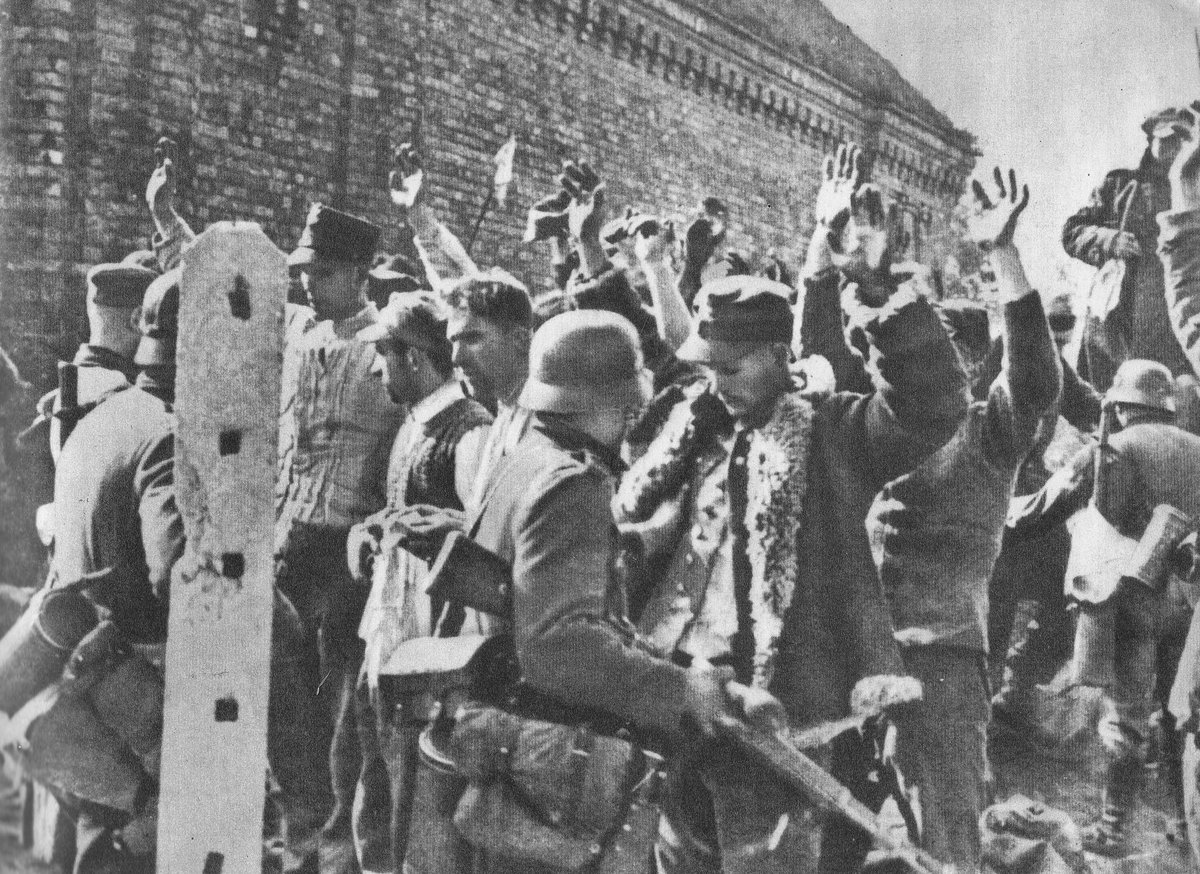
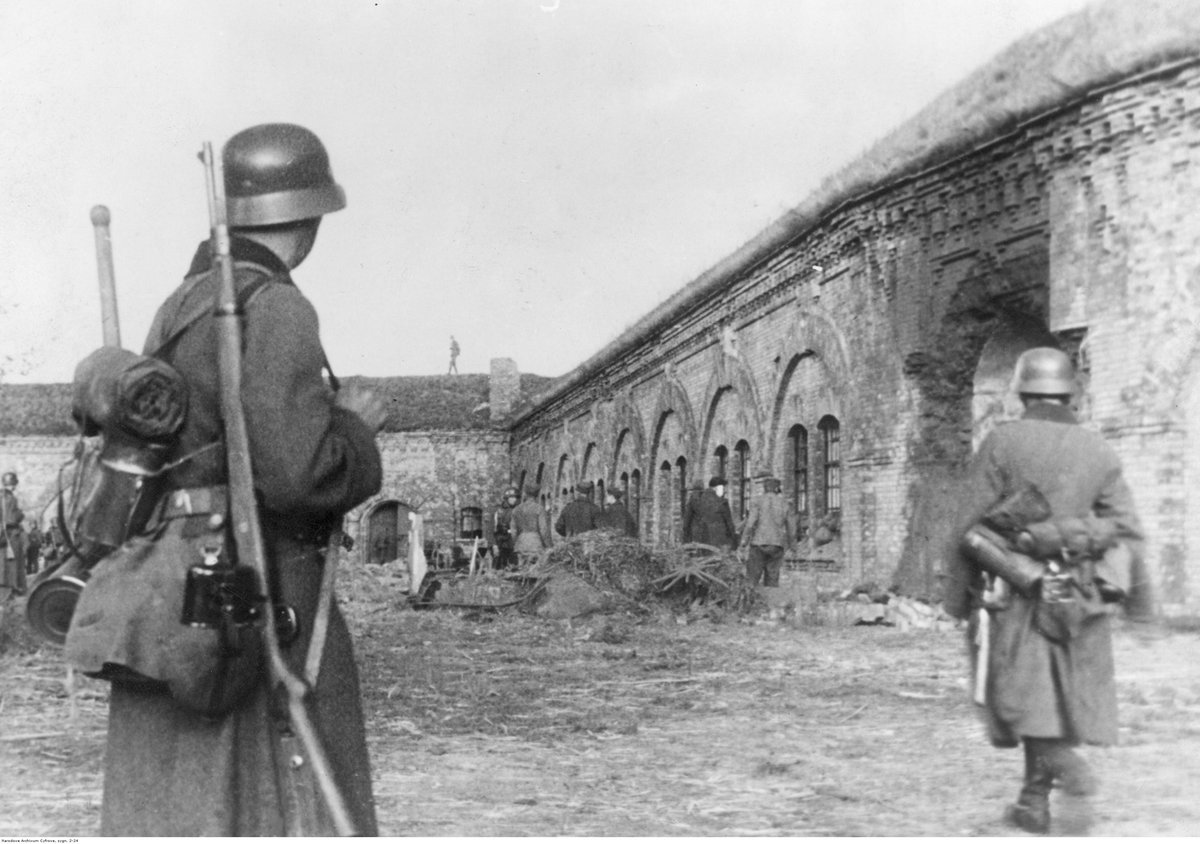
- World War II In September 1939, Fort IX was a key defensive position during the siege of Warsaw, defended by the 2nd Battalion of the 260th Infantry Regiment until its fall to German forces (TracesOfWar - Fort IX). It saw further combat during the 1944 Warsaw Uprising.
Architectural and Military Significance
Fort IX exemplifies the polygonal fort design, with thick earth ramparts, brick casemates, artillery emplacements, and defensive ditches. Notable features include:
- Central barracks for up to 300 soldiers
- Artillery positions and underground magazines
- Defensive ditches with drawbridges
- Observation and signaling posts
This design reflects the transition from classical bastion forts to modern, dispersed defensive works, characteristic of late 19th-century military architecture (Warszawa.pl).
Visitor Information
Opening Hours
- Museum of Polish Military Technology Typically open Tuesday–Sunday, 10:00 AM–6:00 PM. Closed on Mondays and some public holidays. Always verify hours on the official museum website as seasonal or temporary closures may occur.
Ticket Prices
- Adults: 20 PLN
- Seniors/Students: 10 PLN
- Children under 7: Free
- Group rates and discounts available; check with the museum for details.
Tickets can be purchased on-site or online.
Accessibility
While the museum has made efforts to enhance accessibility, some areas feature uneven terrain and historic structures that may be challenging for visitors with limited mobility. Contact the museum in advance to discuss specific needs.
Guided Tours and Special Events
Guided tours (in Polish and English) are available by prior arrangement. Special events—such as reenactments, workshops, and commemorative ceremonies—are frequent, especially around major historical anniversaries.
Travel Tips for Visiting Fort IX
- Getting There Located at ul. Powsińska 13, Mokotów. Accessible by tram lines 7 and 17 (Powsińska stop), buses 108, 131, 159, 172, and via Veturilo public bikes (ztm.waw.pl, veturilo.waw.pl).
- Parking Limited on-site parking. Public transport is recommended, especially on weekends or during events.
- Facilities Restrooms on site; no café, so bring snacks or try nearby Mokotów eateries.
- What to Bring Comfortable shoes, weather-appropriate clothing, and a camera for photos.
Key Architectural Features and Current State
Fort IX retains its earthworks, brick barracks, and moat remnants. The larger section houses the Museum of Polish Military Technology, showcasing armored vehicles, artillery, and military memorabilia from the 10th to the 20th century (WhichMuseum). The adjacent Szczubełka Park displays military vehicles outdoors, making the site visually striking and educational.
Cultural and Historical Significance
Fort IX has witnessed Warsaw’s most turbulent chapters, including the 1939 siege and the 1944 uprising. Today, it stands as a symbol of resistance and remembrance, integral to the city’s military and cultural identity (StayPoland).
Best Photographic Spots
- Earthworks and Moat Early morning or late afternoon light creates dramatic shadows and highlights the historic setting.
- Brick Barracks The textured facades and arched entrances offer atmospheric shots.
- Outdoor Military Vehicles Szczubełka Park’s displays are ideal for capturing Poland’s armored history.
Nearby Attractions
- Łazienki Park Warsaw’s largest green space with palaces and the Chopin Monument (thetraveltinker.com).
- Vistula River Boulevards Popular for walks, cycling, and riverside activities (airportsandhotelsblog.wordpress.com).
- Warsaw Citadel Historic fortress with museums and memorials.
- Warsaw Rising Museum Interactive exhibitions on the 1944 uprising.
Public transport makes it easy to combine these sites with your visit to Fort IX.
Frequently Asked Questions (FAQ)
Q: What are the visiting hours for Fort IX and its museum?
A: Typically Tuesday–Sunday, 10:00 AM–6:00 PM. Check the official website for current hours.
Q: How much are tickets?
A: Adults 20 PLN, seniors/students 10 PLN, children under 7 free. Group and family rates available.
Q: Is Fort IX accessible for people with disabilities?
A: Some areas are accessible; contact the museum for details.
Q: Are guided tours offered?
A: Yes, in Polish and English, by prior arrangement.
Q: Can I take photos?
A: Photography for personal use is generally allowed; restrictions may apply in special exhibits.
Q: Are there dining facilities on site?
A: No, but Mokotów offers nearby dining options.
Summary and Recommendations
Fort IX Warsaw is more than a historical fortification—it is a living monument to resilience, courage, and engineering ingenuity. From its origins as a defensive bastion to its roles in the world wars and the Warsaw Uprising, Fort IX provides a deeply immersive experience. The Museum of Polish Military Technology’s extensive collections, combined with the fort’s evocative architecture, make it a must-visit for history enthusiasts and families alike.
Before your visit, always check the official museum website for the latest updates on opening hours, tickets, and special events. For a richer experience, consider joining a guided tour or downloading the Audiala app for audio guides. Don’t miss the opportunity to explore nearby sites like Łazienki Park and the Warsaw Citadel to fully appreciate Warsaw’s layered history.