About Płaskowickiej Street
Płaskowickiej Street—officially Filipiny Płaskowickiej Street—is a major thoroughfare in Warsaw’s Ursynów district. Although it is not a traditional tourist landmark, it offers a view of the city’s changing urban landscape, from the wider region’s medieval roots and rural past to post-war reconstruction and contemporary planning. Its location provides access to green spaces, cultural attractions and the S2 Expressway tunnel. The street is open at all hours and accessible by public transport (History of Warsaw; Płaskowickiej Street Overview).
History
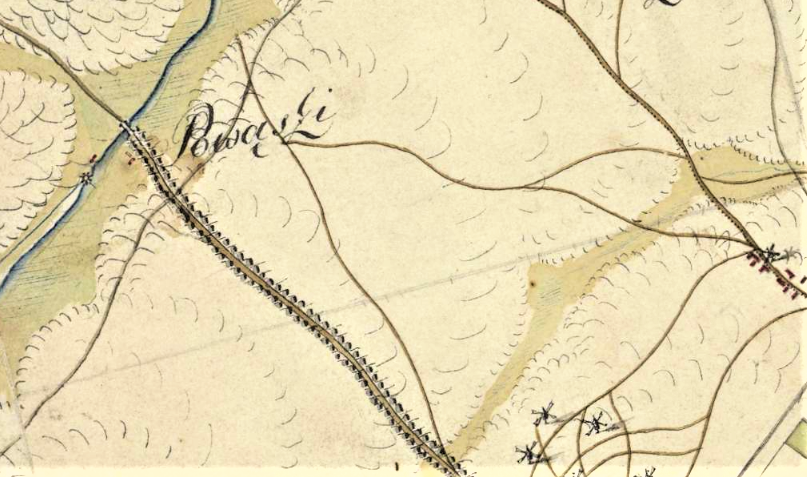
Ursynów was once rural. Warsaw’s expansion, spurred by economic growth and population influx, drove the area’s urbanization, especially in the 20th century (History of Warsaw).
After World War II devastated Warsaw, planners rebuilt historic districts and developed satellite neighborhoods. Ursynów, including the area around Płaskowickiej Street, emerged as a planned residential zone, with broad boulevards and functionalist apartment blocks reflecting socialist-era design. Its layout and public spaces emphasize access, green zones and communal facilities (Płaskowickiej Street Overview).
Since 2017, the street has been central to the S2 Expressway project, described as Warsaw’s largest urban infrastructure endeavor. A tunnel was built beneath the street, and the project has improved traffic, pedestrian and cycling networks. Upgraded roadways, expanded green corridors and urban design are part of this modernization (EIB Warsaw Report).
What to see
The urban landscape and local life
Płaskowickiej Street anchors dense, family-friendly neighborhoods with modern apartments, schools and shops. Local amenities include supermarkets, pharmacies, bakeries and retail outlets; nearby Galeria Ursynów offers additional shopping.
Dining options include Polish bakeries, casual restaurants, pizzerias and traditional milk bars serving dishes such as pierogi and kotlet schabowy (Thirdeyetraveller). Cafés and ice cream parlors are popular meeting places. Community events, including outdoor fitness classes, children’s festivals and cultural workshops, take place on the street and in adjacent parks.
Monument to the Warsaw Uprising
The Monument to the Warsaw Uprising honors the 1944 resistance against Nazi occupation. Unveiled in 1989, its dynamic sculptures symbolize the city’s struggle for freedom (Warsaw Uprising Museum). The monument hosts annual commemorations on August 1st.
Practical visiting information
Hours and tickets
Płaskowickiej Street is a public thoroughfare open 24/7, with no entrance fees or access restrictions. The nearby attractions have their own hours and ticket policies:
- Museum of John Paul II and Primate Wyszyński Tuesday–Sunday, 10:00 AM–6:00 PM; closed Mondays. Tickets cost 20 PLN, with discounts for students and seniors. Guided tours are available with advance reservation. The museum has interactive exhibits and multimedia displays on Polish religious and social history (Museum of John Paul II).
- Natolin Park Open daily from dawn to dusk; free entry. This historic nature reserve has centuries-old trees and landscapes suited to walking, photography and birdwatching.
- Temple of Divine Providence Open daily, 7:00 AM–8:00 PM. Entry to the temple is free; museum exhibitions may require a small fee. The temple is a modern religious and cultural landmark that hosts services and exhibitions.
- Monument to the Warsaw Uprising Open 24/7 as an outdoor site; no entrance fee.
- Warsaw Uprising Museum The nearby museum is open Tuesday–Sunday, 10:00 AM–6:00 PM. Entry costs 25 PLN; guided tours are available.
Transport and accessibility
The street is served by high-frequency buses and is close to the M1 metro line, including Stokłosy, Imielin and Natolin stations. Multiple bus lines connect it with Ursynów’s metro stations. Dedicated bike lanes and wide sidewalks support cycling and walking. The S2 tunnel and improved cycling and pedestrian paths facilitate movement across the district (Beautiful Warszawa).
Infrastructure improvements include tactile paving, ramps and audible crossings. The Warsaw Uprising Monument site has ramps and curb cuts, and accessible public transport serves the area.
Tips
- Use navigation apps for current traffic and transport updates, especially due to ongoing projects.
- On-street parking is limited; shopping centers and public lots offer additional options.
- For the Monument to the Warsaw Uprising, the listed public transport options are the metro (Stokłosy, M1) and bus lines 179, 185, 192 and 503. Parking nearby is described as ample, with lower fees than in the city center.
- Visiting the monument during daylight is suggested for the experience and photography. The area is described as well-monitored and generally safe.
- Ursynów district tours are available; museum tours require advance booking.
- For event updates, travel tips and guided tours, download the Audiala app or visit the official Warsaw city website. Follow social media channels for the latest news and insider recommendations.
Nearby places
- Rosoła Street Commercial and cultural amenities, parks and schools.
- KEN Avenue Shopping, services and cultural centers.
- Ursynów’s parks Family-friendly recreational areas.
- Imielin and Stokłosy metro stations Connections to central Warsaw.
- Museum of John Paul II and Primate Wyszyński, Natolin Park and the Temple of Divine Providence Nearby cultural, religious and recreational attractions.
Frequently Asked Questions
Are there entrance fees for Płaskowickiej Street or the Monument to the Warsaw Uprising?
No. Both are public spaces accessible free of charge.
What is the best way to reach Płaskowickiej Street?
Use the M1 metro line (Stokłosy, Imielin or Natolin) or frequent bus lines.
Are guided tours available?
Ursynów district tours are available; museum tours require advance booking.
Is the area accessible for people with disabilities?
Yes. Accessibility features include ramps, tactile paving and accessible transport.
What are the nearby attractions?
The Museum of John Paul II and Primate Wyszyński, Natolin Park, the Temple of Divine Providence and Ursynów’s parks.