Józef Szanajca: Architect, Educator, Patriot
Early Life and Architectural Impact
Józef Szanajca (1902–1939) was a pioneering figure in Polish modernism. After studying architecture at the Warsaw University of Technology, he co-founded the avant-garde Praesens group alongside Bohdan Lachert. Together, they introduced functionalism and constructivism to Polish architecture, with their innovative designs shaping districts like Saska Kępa. Szanajca’s philosophy centered on creating buildings that were not only aesthetically modern but also addressed the needs of a rapidly changing society.
Wartime Sacrifice
When World War II erupted, Szanajca volunteered for the Polish army, tragically losing his life near Płazów in September 1939. His premature death at 37 marked a significant loss to Polish architectural culture, but his legacy endures in Warsaw’s urban landscape and the principles he championed.
The Monument: Design, Symbolism, and Location
Artistic Vision
The Józef Szanajca Monument is a striking embodiment of modernist ideals. Originally crafted by Bohdan Lachert, the design opts for abstraction over literal representation, reflecting Szanajca’s intellectual and creative spirit. The use of geometric forms and minimalist lines pays homage to the International Style and the "five points of modern architecture"—a vision shared by Szanajca and his contemporaries.
Materiality and Setting
Constructed with durable stone and metal, the monument features a stylized bust set atop a geometric pedestal. The materials and design choices underscore modernist values of honesty, simplicity, and harmony with the urban environment.
Strategically located at the intersection of Szanajcy and Jagiellońska Streets in Praga-North, the monument is also closely linked to Saska Kępa, where many of Szanajca’s architectural works can be found (Lonely Planet).
Visitor Information: Hours, Tickets, and Accessibility
- Location Corner of Szanajcy and Jagiellońska Streets, Praga-North, Warsaw
- Visiting Hours Open 24 hours a day, year-round
- Admission Free; no tickets required
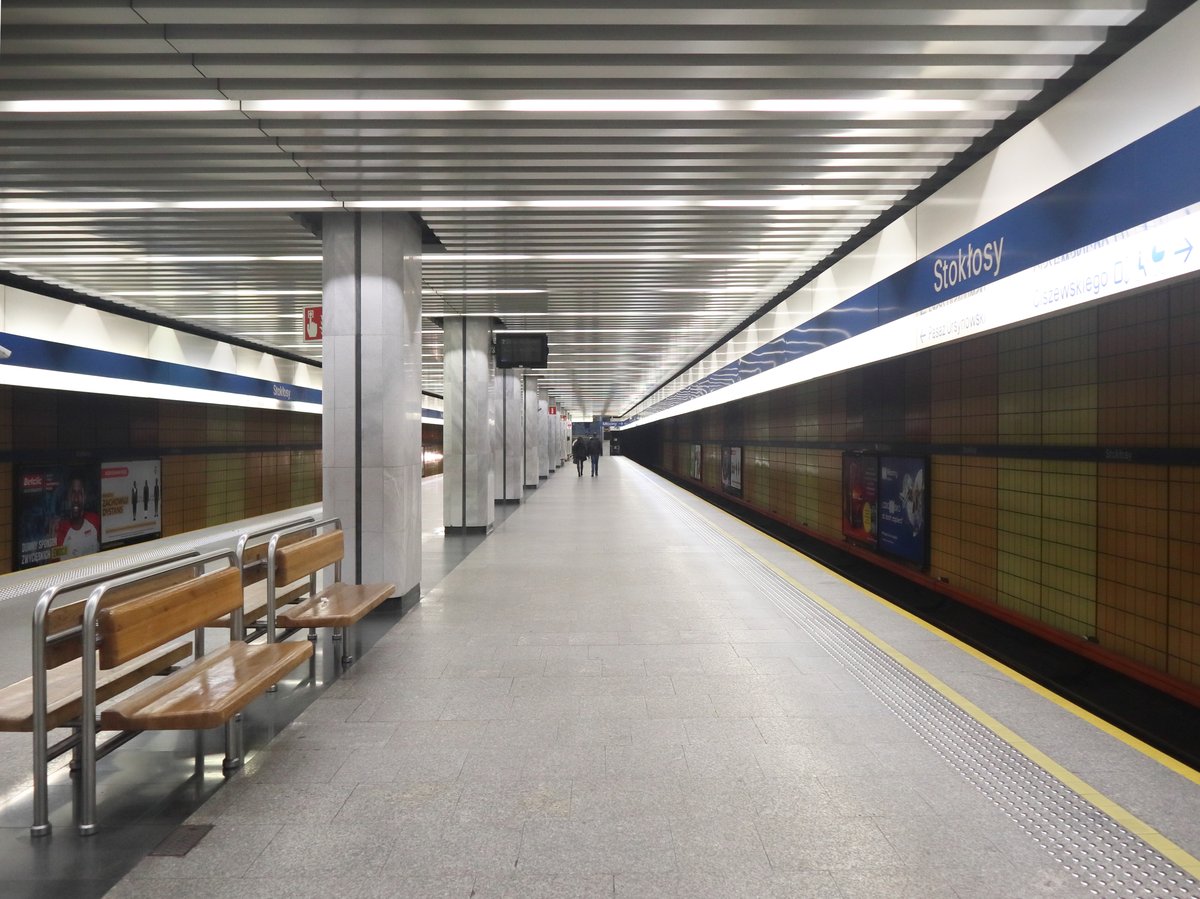
- Accessibility The monument is situated on level, pedestrian-friendly sidewalks and is accessible to wheelchair users. Public transport routes (trams 4, 7, or 13 to "Szwedzka"; bus lines 160 and 190; Dworzec Wileński metro station) offer easy access. Limited street parking is available nearby.
Enhancing Your Visit: Tips and Educational Features
- Best Time to Visit Daylight hours for optimal appreciation and photography; spring and summer offer the most comfortable weather.
- Interpretive Plaques On-site information panels detail Szanajca’s life and work; some are available in English.
- Photography The monument’s abstract forms are especially photogenic in early morning or late afternoon light.
- Behavior As a site of remembrance, visitors are asked to maintain a respectful, contemplative atmosphere.
Guided Tours and Broader Architectural Exploration
While there are no official tours dedicated solely to the monument, it is often included in guided walking tours of Praga-North and Saska Kępa, districts renowned for modernist architecture. Architecture students and professionals frequently visit as part of their studies. During cultural events like the Warsaw Architecture Festival and Night of Museums, guided tours may highlight the monument’s role in Warsaw’s urban narrative (Warsaw Architecture Festival).
Nearby Attractions: Expanding Your Warsaw Experience
Combine your visit to the Józef Szanajca Monument with these nearby sites:
- Saska Kępa Explore tree-lined streets and modernist villas designed by Szanajca and Lachert.
- Praga Museum of Warsaw Discover the history and culture of the Praga district.
- Warsaw Zoo A family-friendly attraction close by.
- Jewish Cemetery on Okopowa Street One of Europe’s largest Jewish cemeteries, filled with history (Jewish Cemetery, Warsaw).
- POLIN Museum of the History of Polish Jews An acclaimed museum exploring Jewish heritage in Poland (POLIN Museum).
- Pawiak Prison Museum Memorial to WWII victims, within walking distance.
Community and Cultural Significance
The monument is more than a commemorative sculpture—it serves as a focal point for community events, architectural tours, and educational programs. Annual events, such as the Architecture Festival, reinforce its role as a living part of Warsaw’s cultural dialogue and urban renewal.
Frequently Asked Questions (FAQ)
Q: What are the visiting hours for the Józef Szanajca Monument?
A: The monument is accessible to the public 24/7, year-round.
Q: Is there an admission fee or need for tickets?
A: No, the monument is free to visit and requires no tickets.
Q: How do I reach the monument by public transport?
A: Use tram lines 4, 7, or 13 to "Szwedzka" or bus lines 160 and 190. The Dworzec Wileński metro station is nearby.
Q: Is the monument wheelchair accessible?
A: Yes, it is located on flat sidewalks with easy access.
Q: Can I join a guided tour?
A: While there are no monument-specific tours, it is often featured in broader walking tours of the area, especially during cultural events.
Q: What other attractions are nearby?
A: Saska Kępa modernist villas, Praga Museum, Warsaw Zoo, Jewish Cemetery, POLIN Museum, and Pawiak Prison Museum.
Travel Tips for a Rewarding Visit
- Plan Ahead Pair your visit with nearby historic and cultural attractions for a full day of exploration.
- Accessibility Use Warsaw’s efficient public transport for convenience.
- Cafés and Dining Saska Kępa and Praga-North offer a variety of local cafés and restaurants.
- Visitor Etiquette Respect the monument as a site of remembrance; maintain a quiet, contemplative atmosphere.
Internal Links for Further Exploration
- Warsaw Old Town: History and Reconstruction
- Modernist Architecture in Warsaw
- Praga-North Neighborhood Guide