
The Birth and Evolution of Olszynka Grochowska
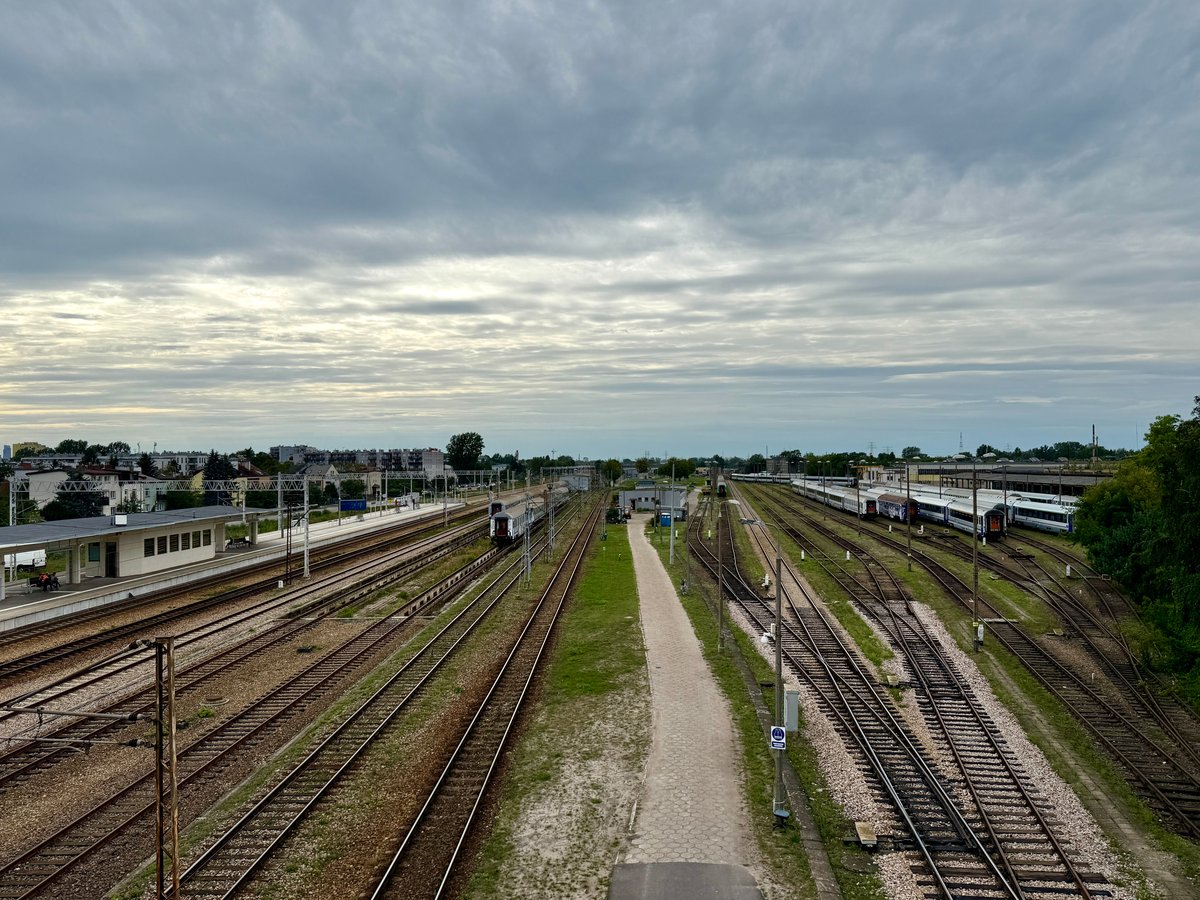
Originally a marshy meadow filled with alder trees, "Olszynka" (Polish for "alder grove") was historically a rural outskirt of Warsaw. Its significance grew in the 19th century with the construction of the Warsaw–Terespol Railway, transforming the area into a critical transport corridor and spurring local development (Kurier Kolejowy).
The Battle of Olszynka Grochowska
On February 25, 1831, Olszynka Grochowska became the site of one of Poland’s largest and bloodiest battles during the November Uprising against Russian rule. Despite being outnumbered, Polish forces fiercely resisted the Russian army, cementing the area’s place as a symbol of national resilience. Today, monuments and annual ceremonies commemorate the fallen, and the battle is a key chapter in Warsaw’s historical narrative (Rough Guides).
Postwar Development and Preservation
After World War II, as Warsaw rebuilt, Olszynka Grochowska was gradually integrated into the city’s expanding urban landscape. The area became attractive for residential development due to its green spaces and proximity to the city center. Despite urbanization, the Olszynka Grochowska Nature Reserve was established in 1987 to protect the rare alder swamp forest and associated wetlands (Go2Warsaw). Today, the reserve serves as both an ecological corridor and a peaceful retreat for residents and visitors.
Modernization and Accessibility
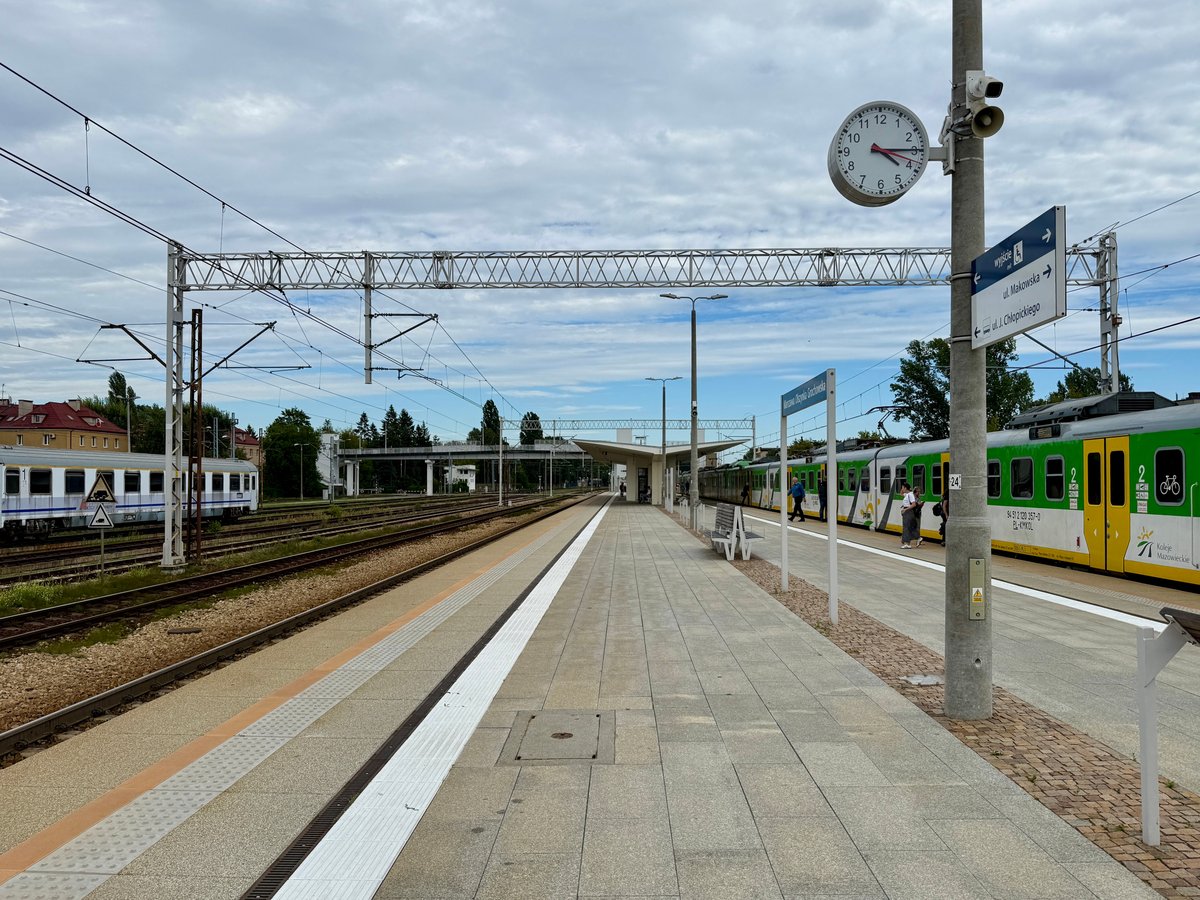
Recent years have seen significant investment in local infrastructure, particularly the modernization of the Warszawa Olszynka Grochowska railway station as part of the broader Warsaw–Otwock line upgrade. Improvements include new platforms, elevators, ramps for barrier-free access, enhanced pedestrian crossings, and better connectivity to neighboring districts (Kurier Kolejowy). Community advocacy has played a crucial role in opening safe access points to the reserve, ensuring that it remains accessible to all.
Nature Reserve: Ecological and Recreational Value
Biodiversity and Conservation
The 56-hectare reserve is a rare remnant of the alder swamp forests that once covered the Mazovian lowlands. Periodic flooding supports a mosaic of habitats for black alders, willows, birches, and a rich undergrowth of ferns and mosses. The area is a haven for diverse wildlife, including woodpeckers, warblers, amphibians, and various small mammals (go2warsaw.pl).
Visitor Experience
Marked trails guide walkers, joggers, and cyclists through the reserve. The peaceful setting is ideal for birdwatching and nature photography. As a protected area, dogs are not allowed—even on leashes—and visitors must remain on trails to protect sensitive habitats (planpoland.com).
Historical Sites and Memorials
The Battle Monument
A striking memorial within the reserve honors the soldiers of the 1831 battle. The monument bears the poignant inscription: “Passer-by, tell your fellow brothers that we fought bravely and died without trepidation but with concern in our hearts for the fate of Poland, the fate of future generations – for your fate” (go2warsaw.pl). Annual ceremonies and reenactments take place every February 25.
Aleja Chwały (Avenue of Glory)
This commemorative avenue is lined with plaques dedicated to the heroes of the November Uprising, leading visitors through the history of the site (Varsavianista).
Community and Cultural Life
Local organizations, such as Dom Sztuki, promote Olszynka Grochowska’s heritage through art installations, outdoor performances, and educational programs (Dom Sztuki). Recent infrastructure projects, including the Grochostrada green corridor, have enhanced public space with benches, cycling paths, and safe crossings (Raport Warszawski).
Practical Information for Visitors
Visiting Hours and Tickets
- Nature Reserve Open daily from approximately 6:00 AM to 8:00 PM (hours may vary with season).
- Monuments Outdoor areas accessible year-round.
- Entry Fee Free of charge for both the reserve and historical sites. Guided tours may incur a fee.
Getting There
- Train Take Szybka Kolej Miejska (SKM) or Koleje Mazowieckie trains to Warszawa Olszynka Grochowska station (Rome2Rio).
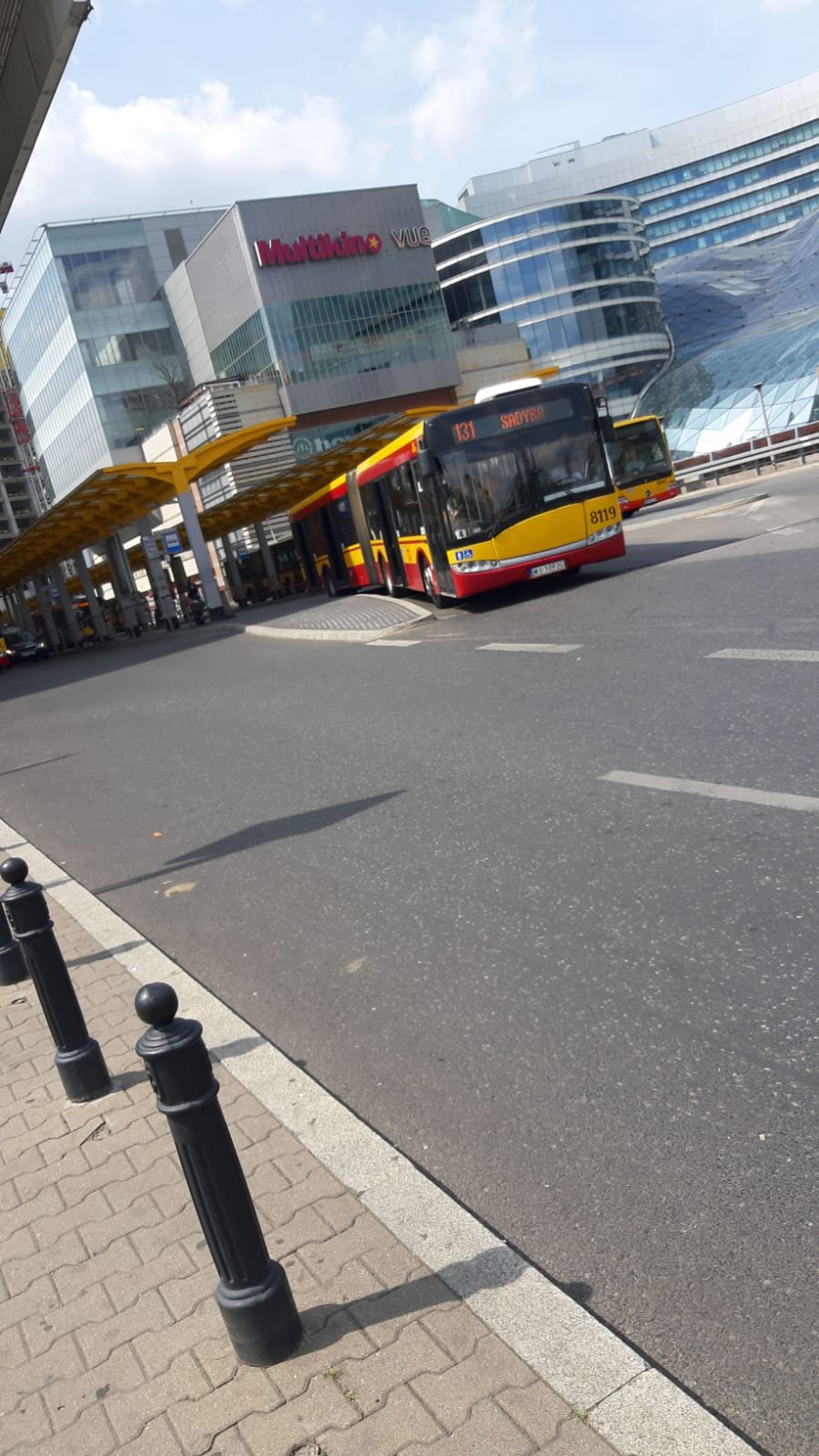
- Bus Several city lines connect from central Warsaw.
- Car Limited parking near entrances; public transport is recommended.
Accessibility
- Station Equipped with ramps, elevators, and tactile paving.
- Reserve Some trails may be muddy and uneven. Wheelchair users are advised to contact local organizations for guidance.
- Facilities Minimal within the reserve—no restrooms or food outlets.
Visitor Tips
- Best Time Spring and autumn for natural beauty; late February for historical commemorations.
- What to Bring Comfortable shoes, water, weather-appropriate clothing, binoculars, and a camera.
- Etiquette Stay on marked trails, keep noise to a minimum, and respect memorial sites.
Annual Events and Community Initiatives
- Battle Commemoration February 25th sees ceremonies, reenactments, and educational events.
- Clean-Up Days Local groups organize volunteer activities to maintain the reserve.
- Cultural Events Outdoor theater and art performances enrich the visitor experience.
Nearby Attractions
- Skaryszewski Park One of Warsaw’s largest parks, located nearby.
- Vistula River Beaches Accessible for city walks and relaxation.
- Royal Castle and Łazienki Park Easily reached by public transport for a broader Warsaw historical experience.
Visitor FAQs
Q: What are the opening hours for Olszynka Grochowska Nature Reserve?
A: Open daily, roughly 6:00 AM–8:00 PM, with some seasonal variation.
Q: Is there an entrance fee?
A: No, entry is free for the reserve and monuments; guided tours may carry a fee.
Q: Are dogs allowed?
A: No, to protect wildlife, dogs are not permitted even on leashes (planpoland.com).
Q: Is the area accessible for visitors with mobility challenges?
A: The station is accessible; some trails in the reserve may be uneven.
Q: How do I get there by public transport?
A: Use SKM or Koleje Mazowieckie trains to Warszawa Olszynka Grochowska station, or city buses from central Warsaw.
Q: Are there facilities on site?
A: No; bring water and snacks. Restrooms are available near the railway station or in local cafes.