Medieval Origins
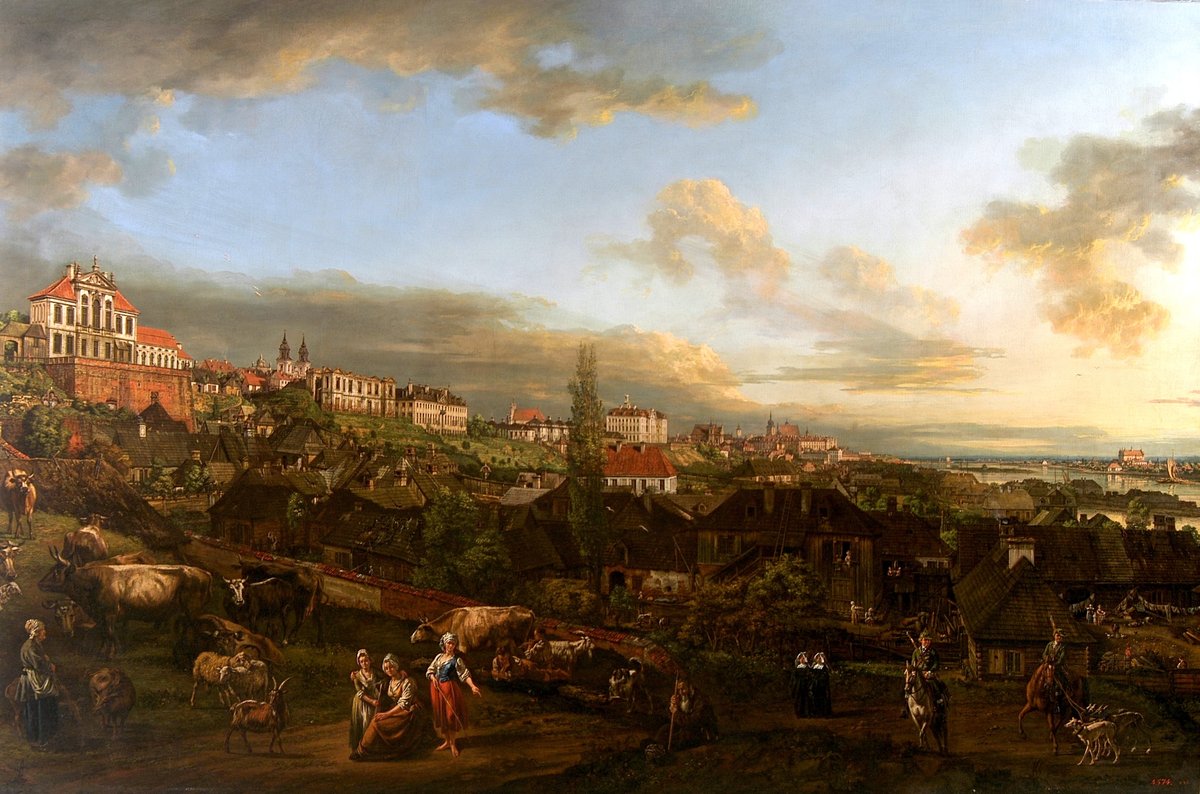
Parafialna Street traces its beginnings to the 13th and 14th centuries, when Warsaw emerged from a modest riverside settlement into a fortified medieval town (StayPoland). Its proximity to St. John’s Archcathedral—established in the 14th century—made it a vital route for religious processions and civic life (Britannica). The cobblestone path connected the cathedral with the Old Town Market Square, forming a core axis for merchants, clergy, and townspeople.
Renaissance and Baroque Eras
With the relocation of Poland’s capital from Kraków to Warsaw in 1596, Parafialna Street flourished as a center of royal and ecclesiastical activity (Local Histories). The street’s facades gained ornate Baroque and Renaissance details, and it became the ceremonial route for royal processions and religious festivals (Britannica).
18th–19th Century Transformations
During Warsaw’s “Golden Age” in the 18th century, Parafialna Street was home to clergy, the bourgeoisie, and Poland’s intelligentsia (StayPoland). Urban changes under foreign rule introduced neoclassical modifications, but the street retained its historical layout (Local Histories).
World War II and Postwar Reconstruction
World War II devastated Warsaw, with the Old Town—including Parafialna Street—left in ruins after the 1944 Uprising (Warsaw.net). Postwar, a meticulous reconstruction based on historical records restored the street’s medieval and Baroque character. This monumental effort earned the Old Town UNESCO World Heritage status in 1980 (Wikipedia: Warsaw Reconstruction Office; Britannica).
Cultural and Religious Significance
Parafialna Street remains deeply intertwined with Warsaw’s spiritual life. St. John’s Archcathedral, adjacent to the street, has witnessed royal coronations, state funerals, and national ceremonies (Britannica). The street frequently hosts religious processions and public gatherings, preserving its role as a corridor of collective memory.
Seasonal events, markets, and festivals animate Parafialna Street throughout the year, making it a focal point for both locals and visitors (World Travel Eye).
Architectural Highlights
- Gothic, Renaissance, and Baroque Facades Faithfully reconstructed townhouses and ecclesiastical buildings exhibit the layered architectural history of Warsaw (Archtene).
- Informational Plaques Numerous plaques along the street offer historical context and honor notable residents and events.
- Photographic Spots The area near St. John’s Archcathedral and Canon Square is especially picturesque.
Visitor Information
Visiting Hours and Tickets
- Parafialna Street Open to the public 24/7 and free of charge.
- St. John’s Archcathedral Typically open 9:00 AM–5:00 PM (hours may vary by season). Entrance is free; donations appreciated.
- Other Attractions Nearby sites, such as the Royal Castle or the Museum of Warsaw, have specific opening hours and ticket requirements. Always check official websites for current details.
Accessibility
- Street Surface Cobblestone paving may be challenging for those with mobility issues, but most of the Old Town offers accessible routes.
- Assistance Major attractions provide ramps and accessible entrances where possible. Comfortable footwear is recommended.
Guided Tours and Special Events
- Tours Guided walks focusing on religious, architectural, and cultural themes are widely available. Booking in advance is recommended (Away to the City).
- Events Annual highlights include the Long Night of Museums, religious festivals, and community fairs.
Getting There
- Public Transport The Old Town is easily reached via metro (Ratusz Arsenał station) and numerous bus and tram lines. Walking is the best way to explore the street and its surroundings.
Nearby Attractions
- Old Town Market Square Bustling with restaurants, shops, and historic buildings.
- Royal Castle Opulent interiors, art collections, and guided tours (Foreigners.pl).
- Canon Square Pastel houses, the lucky bronze bell, and tranquil ambiance (The Crazy Tourist).
- St. Martin’s Church Baroque façade, classical concerts (Go2Warsaw).
- Museum of Warsaw Engaging exhibits on the city’s history (Nomadic Matt).
- Marie Curie Museum Celebrating the Nobel laureate’s life (Qeepl).
Dining and Local Experiences
- Restaurants Traditional Polish fare (pierogi, bigos) at historic venues near Parafialna Street.
- Cafés Cozy spots offering coffee and pastries.
- Markets and Boutiques Artisan crafts and vintage finds in nearby markets and shops (Plan Poland).
Seasonal Events and Festivals
- Winter Illuminations Festive lights from November to February.
- Cultural Festivals Open-air concerts and heritage celebrations (Best of Warsaw).
Practical Tips
- Language English is widely spoken; learning basic Polish phrases is appreciated.
- Payments Cards are accepted in most places; carry some cash for markets.
- Safety The area is safe; standard precautions apply.
- Weather Spring and early autumn are ideal; check for seasonal events.
Accessibility and Facilities
- Restrooms Available in cafes and attractions.
- Wi-Fi and ATMs Accessible throughout the Old Town.
Frequently Asked Questions (FAQ)
Q: Is there an entrance fee to Parafialna Street?
A: No, it is a public street open 24/7; nearby attractions may require tickets.
Q: What are the visiting hours for key landmarks?
A: Vary by site—St. John’s Archcathedral is generally open 9:00 AM–5:00 PM; the Royal Castle and Museum of Warsaw have specific hours.
Q: Are guided tours available?
A: Yes, many operators offer themed tours covering Parafialna Street.
Q: Is the area accessible for people with mobility issues?
A: Cobblestones can be challenging, but major sites provide accessible routes.
Q: When is the best time to visit?
A: May–June and September offer mild weather and fewer crowds; winter features festive lights.
Summary & Planning Your Visit
Parafialna Street epitomizes Warsaw’s resilience, architectural splendor, and vibrant community spirit. From medieval beginnings and UNESCO-recognized reconstruction to thriving cultural events and culinary delights, it encapsulates the best of Warsaw’s Old Town. Plan your visit using the details above, download the Audiala app for guided tours and event updates, and explore related sites such as the Royal Castle and Market Square for a rich, immersive experience.