Grójecka Street Warsaw: Visiting Hours, Tickets, and Attractions Guide
About Grójecka Street
Grójecka Street is a busy corridor through Warsaw’s Ochota district, linking the city’s layered history with its modern urban life. It began as a route connecting Warsaw with southern Poland and now brings together historic architecture, World War II memorials, office buildings, markets, and cultural venues. Public transport serves the street, and its wheelchair-friendly infrastructure makes it accessible to many visitors.
For route planning, use the Jakdojade app; the Audiala app offers curated audio guides. (JEMS Architecture, Warsaw Uprising Museum, City of Warsaw)
History
Origins and growth
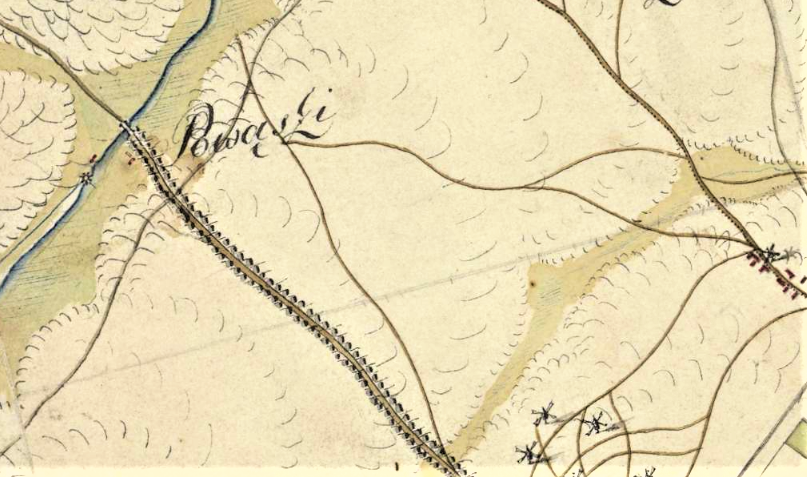
Grójecka Street dates to the late 18th and early 19th centuries. It developed from a rural road connecting Warsaw with Grójec and regions beyond, and was also an important 18th-century route linking Warsaw to southern Poland. The introduction of railway lines and tramways in the 19th century helped transform it into an urban artery and encouraged residential and commercial growth (JEMS Architecture).
Interwar expansion
Between World War I and World War II, Grójecka saw significant modernization, including the construction of modernist tenement blocks, schools, and commercial buildings. The area around Banacha Street developed as a transportation and business hub.
World War II and reconstruction
The street suffered extensive damage during World War II, particularly during the 1944 Warsaw Uprising. After the war, it was rebuilt in socialist realist style, with renewed residential complexes and improved infrastructure, cementing its role as a major city thoroughfare (EIB City Transformed Warsaw).
Modernization
Since the 1990s, Grójecka has undergone revitalization, including new office buildings, improved pedestrian zones, and green spaces. Projects such as Grójecka 208 exemplify the district’s sustainable urban renewal (Hamilton Commercial).
What to see
Architecture
Grójecka Street displays a range of architectural styles. Early 20th-century tenement buildings stand alongside postwar structures. One example is the modernist block at Grójecka 27, designed by Marcin Weinfeld. Many buildings have ground-floor shops serving local communities (Warsaw Tourism Board).
Memorials and monuments
- Barykada Września (September Barricade) Monument At Opaczewska Street, this memorial honors Polish defenders in September 1939. It is open to the public at all times.
- Reduta Wawelska The last insurgent stronghold in Ochota during the 1944 Uprising, marked by plaques at Grójecka 45 and Wawelska 60. The site is free and open-air.
- Zieleniak Market Site Once a lively market and later a tragic World War II site, it is now marked by commemorative plaques.
Warsaw University of Technology Monument
Near the intersection of Grójecka and Koszykowa Streets, the monument commemorates the Warsaw University of Technology, a leading institution established in 1915. It represents Poland’s engineering and scientific achievements and is a focal point of academic pride.
The open-air monument is free to visit and accessible 24/7. University campus tours are available Mon–Fri, 10:00–16:00, with prior booking through the university website. The typical fee is ~20 PLN per person. Tours include historic buildings and laboratories.
Cultural venues
- Och-Teatr (Grójecka 65) Founded by Krystyna Janda, this theatre presents drama, comedy, and musicals. Tickets are available through the official site; accessibility accommodations are provided on request.
- Ochota Cultural Center Hosts exhibitions, workshops, and festivals, including the annual Mironalia. It is open Tue–Sat, 12:00–20:00 (City of Warsaw).
- Modern Library at Grójecka 42 A community hub for learning and creativity.
Markets and public art
- Banacha Market A historic local market for fresh produce and other goods.
- Public art Plaques, memorials, and small installations celebrate local history and residents.
Practical visiting information
Getting there and getting around
Grójecka Street is served by tram lines 7, 9, 15, 25 and bus lines 128, 157, 186, 208, as well as night buses N35 and N85 (Go2Warsaw). The Banacha intersection is a major transport hub. The nearest metro station is Politechnika on the M1 line, 1.5 km away, and Warszawa Ochota station provides regional train connections.
Most trams and buses are low-floor; stops have tactile paving and audio announcements (Warsaw Public Transpo).
Tickets and hours
A unified ticket covers trams, buses, and the metro in Zone 1:
- 20-min ticket: ~4.40 PLN
- 75-min ticket: ~6.00 PLN
Tickets are available from ticket machines, newsstands, and the Jakdojade app. Free rides are available to persons with disabilities with documentation.
Most sites, including the memorials and the Warsaw University of Technology Monument, are free. Theatre performances require tickets. For the specific opening hours of venues and the campus-tour schedule, see the entries above.
Accommodation
Accommodation options include boutique hotels and accessible apartments, such as Grójecka 20B Luxurious Studio, close to parks and public transport.
Tips for visitors
- Daytime is recommended for seeing the sites and for safety.
- Check local listings for theatre performances and festivals.
- Grójecka is generally safe; use standard urban precautions.
- Bike lanes and city rentals (Veturilo) are available for exploring by bicycle (Key to Poland).
- Dress for seasonal changes; winter may affect transport schedules (Bucketlistly).
- Plan ahead with transport updates and the Audiala app for audio guides and insider tips.
Nearby places
- Szczęśliwicki Park Offers walking trails, pools, and a year-round ski hill. It is open daily from dawn to dusk.
- Pola Mokotowskie A large nearby park popular for cultural events and outdoor concerts (Pola Mokotowskie).
Frequently asked questions
How do I get to Grójecka Street?
Trams and buses serve the street; the Banacha intersection is a major transport hub. See “Getting there and getting around” for route numbers.
Are there entrance fees for landmarks?
Most landmarks are free. Theatre performances require tickets.
Is Grójecka Street accessible for wheelchair users?
Most newer venues and public transport are accessible. Check with individual buildings for specific details; Och-Teatr provides accessibility accommodations on request.
Are guided tours available?
Yes. Tours are available through Warsaw tourism operators, and the university offers campus tours by prior booking.
What are the best times to visit?
Late spring and early autumn offer pleasant weather. Visit during the day for sightseeing and in the evening for cultural events.
Where can I find public transport information?
Use the Warsaw Public Transport website or the Jakdojade app.