Historical Background
North Korea and Poland established diplomatic relations in 1948, rooted in their shared Soviet-aligned past. The embassy building, owned by the Polish State Treasury, has housed North Korean diplomats since the early years of their bilateral relationship. A notable episode in this history is Poland’s sheltering and education of North Korean war orphans in Otwock during the Korean War, symbolizing a humanitarian bond.
Through the Cold War, the embassy was a focal point of diplomatic exchange. Despite Poland’s political transformation after 1989, the embassy has remained operational, maintaining formal ties even as Poland’s foreign policy shifted westward (Wikipedia; Krakow Post).
Visitor Information
Can You Visit the Embassy?
The North Korean Embassy in Warsaw is a functioning diplomatic mission, not a tourist destination. Public entry is not permitted, and there are no general tours or cultural events. Those interested in the site can view the exterior from Bobrowiecka Street but should not attempt to enter the premises.
Visiting Hours
- Consular Office Hours Typically Monday–Friday, 09:00–12:00 and 13:00–17:00
- Public Access By appointment only; walk-ins are not accepted (Konsulaty.net; 123Embassy)
Photography, Security, and Accessibility
- Photography Taking photos of the embassy (including exterior and signage) is not advised and may draw security attention.
- Security Expect identification checks and security screening for all official visitors.
- Accessibility The embassy area is pedestrian-friendly, but as a private diplomatic compound, there are no visitor facilities. Advance notification is recommended for those needing accessibility accommodations.
Getting There
- Tram Lines 10, 14, and 17 stop near Bobrowiecka Street.
- Bus Several lines serve the Mokotów district; check local schedules.
- Taxi/Rideshare Widely available in Warsaw.
Nearby Attractions
- Łazienki Park Warsaw’s largest and most beautiful park, perfect for walks and photography.
- Royal Castle A historic symbol of Polish heritage.
- Warsaw University of Technology Renowned for its architecture.
- Otwock Known for its spa history and the site of North Korean orphan shelters.
Cultural and Historical Context
The embassy is a window into the broader Poland–North Korea relationship, shaped by Cold War alliances, humanitarian exchanges, and modern diplomatic complexities. Understanding this context deepens your appreciation of the site and the surrounding diplomatic district (Wikipedia).
Embassy Operations and Controversies
Architectural and Operational Distinctiveness
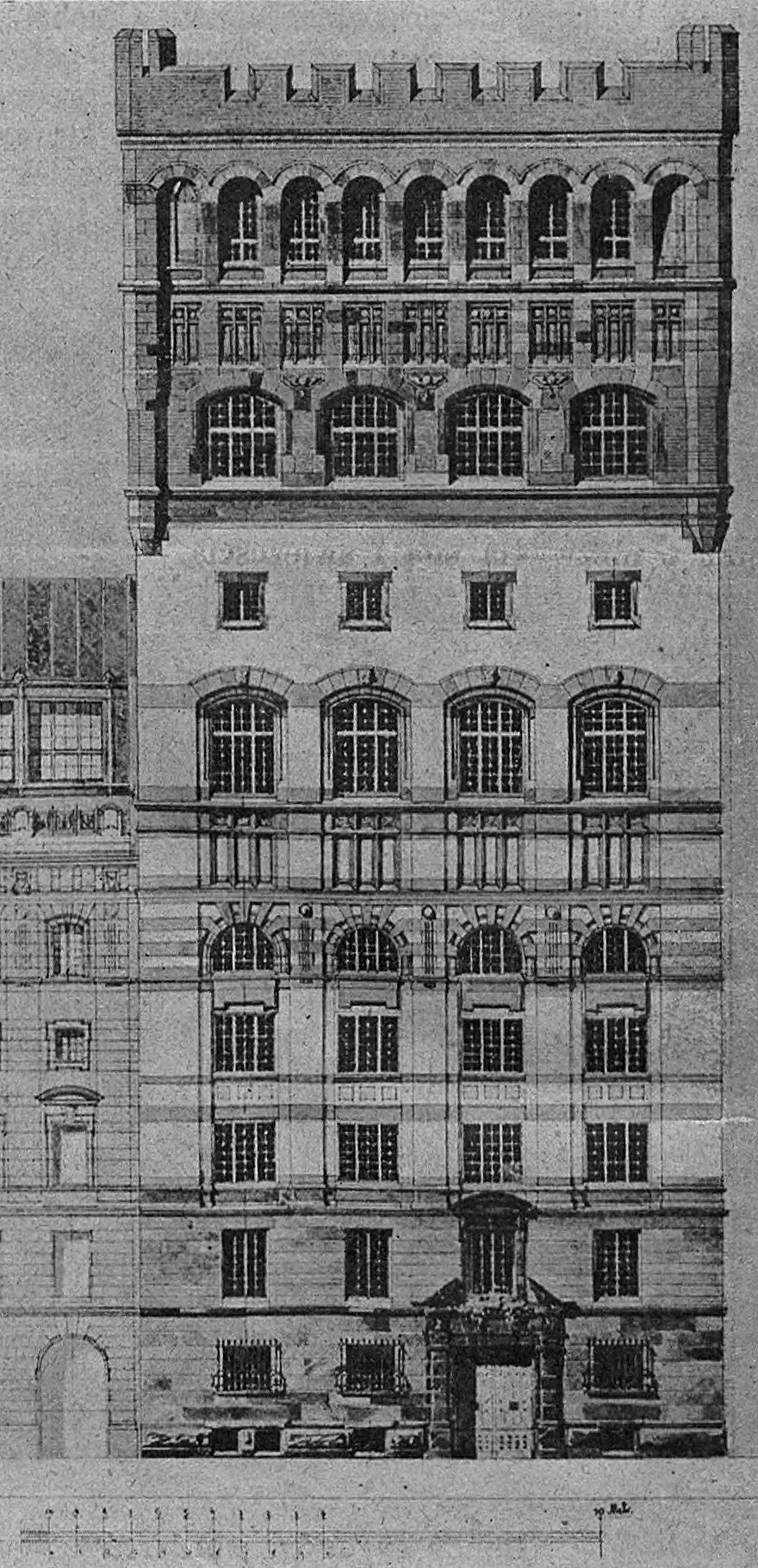
The embassy’s late socialist-era architecture, constructed between 1966 and 1984, was inaugurated by Kim Il Sung. Its fortress-like design and high walls exemplify North Korea's characteristic isolationism (Wikipedia).
Commercial Leasing and Legal Disputes
Uniquely, the embassy has rented out property for commercial purposes, in defiance of Polish foreign ministry objections and international diplomatic norms. This has led to legal disputes—most notably with Polish entrepreneur Andrzej Kompa—over unpaid debts, and controversy regarding the use of embassy grounds for profit (Krakow Post).
These commercial ventures are suspected to be part of North Korea’s global effort to generate revenue for the regime, as exemplified by the so-called "$100,000 rule" (Krakow Post).
Embassy’s Role in Warsaw’s Diplomatic Scene
Compared to other embassies in Warsaw, the North Korean mission remains highly insular, with little public engagement and a discreet profile. It continues to provide essential consular services for North Korean nationals and foreign travelers, but its operations are closely monitored by local authorities.
Public perception in Poland toward North Korea is largely negative, as reflected in international polls, contributing to the embassy’s low-key presence (Wikipedia).
Visitor Etiquette and Frequently Asked Questions (FAQ)
Key Etiquette
- Dress formally; business attire is recommended.
- Be respectful and avoid sensitive topics such as North Korean politics or human rights.
- Communicate formally; use appropriate titles.
- Do not take photographs at or near the embassy.
Practical FAQ
Can tourists enter the North Korean Embassy in Warsaw?
No, entry is restricted to official business by appointment.
What are the embassy’s operating hours?
Typically, Monday–Friday, 09:00–12:00 and 13:00–17:00, with consular services in the mornings.
Are there guided tours or cultural events?
No, the embassy does not offer public tours or events.
Is the embassy accessible for people with disabilities?
Yes, but advance notification is advised.
Where can I find consular services for North Korea if the embassy is closed?
Contact the nearest active DPRK embassy, currently located in Sofia, Bulgaria.
Summary Table: Key Practical Points
| Aspect | Recommendation / Protocol |
|---|---|
| Dress Code | Formal, conservative attire |
| Communication | Polite and formal; avoid controversial topics |
| Photography | Not permitted |
| Appointment | Required; no public access |
| Gifts | Not required; small neutral gifts acceptable |
| Health Precautions | Maintain hygiene; follow any posted advisories |
| Language | Korean, Polish, some English |
| Accessibility | Available with advance notice |