Žihľavová Ulica: What It Is
Žihľavová Ulica (“Nettle Street”) is a quiet public street in the Vrakuňa district, east of Bratislava’s centre. Its narrow plots, family homes and local shops reflect the city’s post-war expansion and embrace of functionalist and modernist architecture (Bratislava.info, Bratislava’s Modernist Architecture). Its non-intersecting layout and peaceful surroundings offer a contrast to the city centre.
History
Bratislava’s Historical Background
Bratislava’s position on the Danube and at the crossroads of major European trade routes has shaped its history since the Neolithic era. Archaeological finds suggest continuous settlement from the 5th millennium BCE. The Celtic Boii later established an oppidum and minted coins under Prince Biatec (Bratislava.info).
The Romans fortified the area with camps such as Gerulata, and its importance grew because of its position on the Danubian and Amber Roads. Slavic tribes settled here during the Middle Ages, when Bratislava became a key city in the Great Moravian Empire. The city’s first documented mention was in 907 CE, during the Battle of Pressburg.
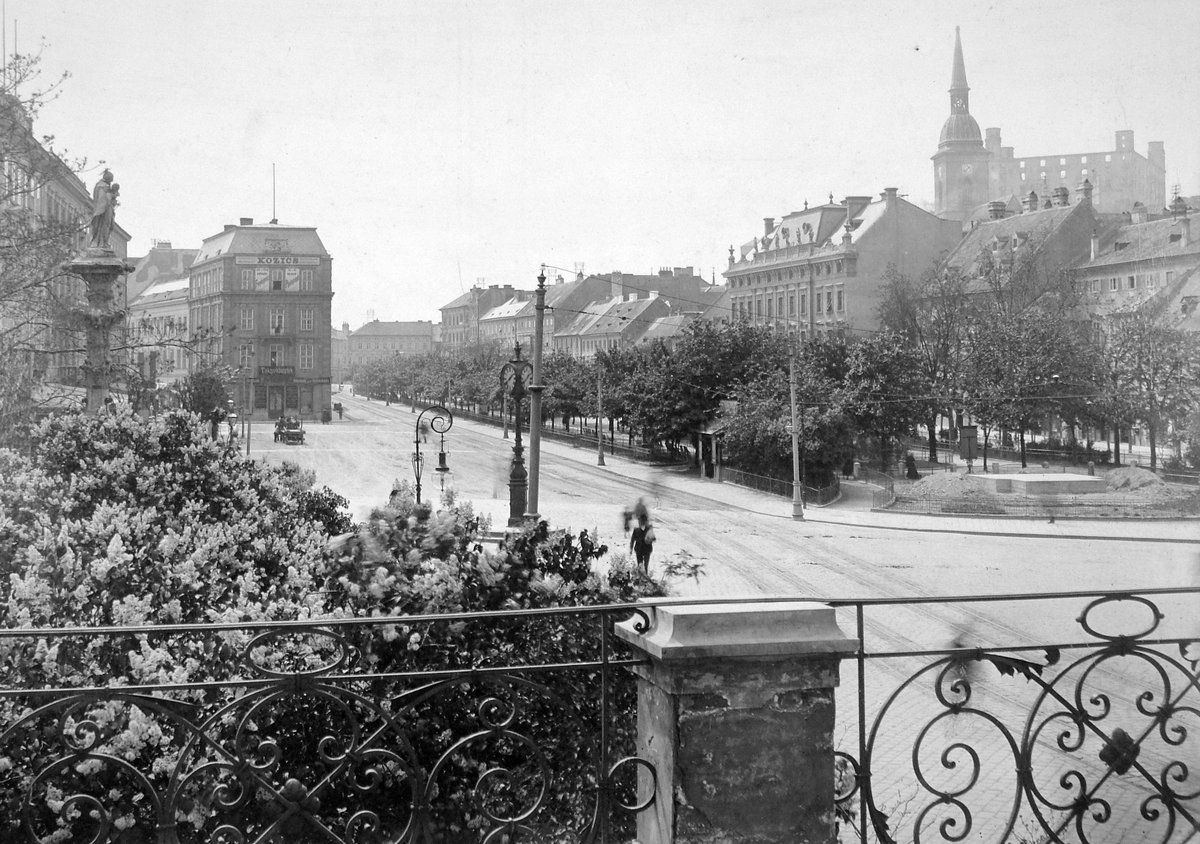
Known variously as Pressburg and Pozsony, Bratislava served as the Hungarian kingdom’s capital from 1536 to 1783. Its heritage reflects Slovak, Hungarian, German and Jewish influences, visible in the Old Town’s preserved medieval layout (Urban Wanders).
Industrialization, educational growth and modern infrastructure shaped the 19th and 20th centuries. Bratislava joined Czechoslovakia in 1919 and took its current name. Examples of socialist and brutalist architecture from this era include the UFO Tower and Slovak Radio building (One Day Itinerary).
Bratislava’s proximity to Austria made it a focal point during the Cold War. Devín Castle recalls the era’s tense political atmosphere, including through exhibitions such as “Border Ahead! Devín Behind the Iron Curtain 1948–1989” (hraddevin.mmb.sk).
The Street and Its Character
Žihľavová Ulica’s residential architecture reflects post-war modernism and functionalism, in contrast with the Old Town’s ornate style. Buildings, green spaces and gardens reflect Bratislava’s 20th-century growth (Bratislava’s Modernist Architecture). The street also reflects the city’s multicultural heritage, with Slovak, Hungarian and Central European influences.
What to See
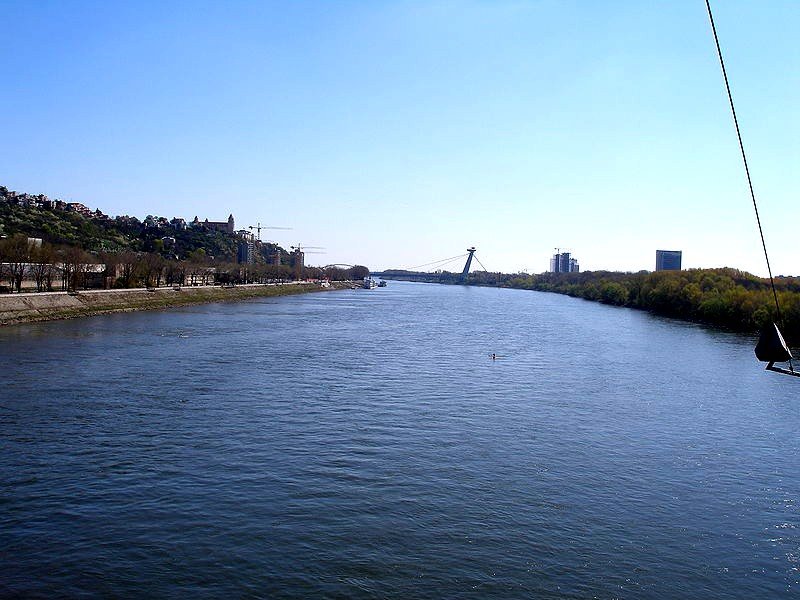
The street’s colorful homes, gardens and quiet atmosphere provide subjects for photography. Nearby parks and the riverbank offer natural backdrops; the Old Town and Danube riverfront are a short ride away.
Local shops, bakeries and occasional neighbourhood markets offer a glimpse of daily life in Bratislava. Seasonal events and outdoor gatherings are common in spring and summer (Eventland).
Practical Visiting Information
Hours, Tickets and Accessibility
Žihľavová Ulica is a public street, accessible 24/7, with no entrance fee or ticket required.
The street and surrounding parks are flat and suitable for visitors with limited mobility, though some older buildings may have limited accessibility.
Nearby attractions have their own visiting arrangements. Bratislava Castle typically opens from 10:00 to 18:00 and requires paid admission (Bratislava Castle Official Site). The Old Town and Michael’s Gate are accessible year-round; museums charge the entrance fees posted at each site.
Getting There
Buses 65, 67 or 87 from the city centre stop near Podunajská or Vrakunská streets, both within walking distance. Public transport tickets cost around €1.10 for 30 minutes; validate your ticket before boarding (Bratislava Public Transport, imhd.sk). GPS navigation is recommended for finding the street.
Tips
- Tickets and navigation Buy public transport tickets at machines or through mobile apps. The Bratislava Card offers free transit and discounts (Bratislava CARD). Google Maps or official city maps can help with navigation (Visit Bratislava Map).
- By car Parking is available in Vrakuňa; check signage for restrictions.
- Food and accommodation Local cafés and bakeries near Žihľavová Ulica serve Slovak specialties. Podunajská Street and the city centre offer more dining options (My Global Viewpoint). There are few hotels in Vrakuňa; Airbnb or central Bratislava are alternatives with more choices.
- Health services Pharmacies and clinics are nearby. For emergencies, dial 112.
- Safety and etiquette Bratislava is generally safe; take standard precautions with valuables. Greet locals with “Dobrý deň,” keep noise to a minimum in residential areas, and note that tipping 5–10% in restaurants is customary.
- Connectivity Free Wi-Fi is available in many public spaces. English is commonly spoken in shops and by younger residents.
- Seasonal visits Late spring (May–June) and early autumn (September–October) offer comfortable weather and local events (One Day Itinerary). July is suited to outdoor activities, with events in Vrakuňa Park and along the Malý Dunaj (Wanderlog).
Nearby Places
Vrakuňa Park
A short walk from Žihľavová Ulica, this large green space has walking and cycling paths along the Malý Dunaj, playgrounds and picnic areas. The park hosts summer concerts, festivals and family activities (Visit Bratislava).
Malý Dunaj River
The riverbank offers opportunities for kayaking, fishing and scenic walks. Local businesses provide kayak rentals and guided tours (Visit Bratislava).
Old Town and Bratislava Castle
Both are accessible by public transport and showcase the city’s medieval, baroque and modern history.
Churches and Community Centres
Nearby streets in Vrakuňa have chapels and parish centres where visitors can attend cultural events, particularly in summer.
Frequently Asked Questions
Q: What are the visiting hours and ticket requirements for Žihľavová Ulica?
A: The street is open 24/7, with no entrance fee or ticket required.
Q: How do I reach Žihľavová Ulica?
A: Buses 65, 67 or 87 from the city centre stop near Podunajská or Vrakunská streets; the street is a short walk away.
Q: Is Žihľavová Ulica accessible for visitors with limited mobility?
A: The street and nearby parks are generally flat and accessible.
Q: Are there guided tours of Žihľavová Ulica?
A: There are no dedicated tours, but some walking tours of Bratislava’s modern neighbourhoods may include the area.
Q: Where can I find food and amenities nearby?
A: Cafés, bakeries and small shops are within walking distance; more options are available in central Bratislava.