Historical Background and Urban Significance
Origins and Early Development
Brnianska Ulica’s roots stretch back to Bratislava’s days as a vital trade hub. Its name, referencing the Czech city of Brno, signifies its historic function as a corridor of commerce and communication. The area has witnessed the city’s transformation through the Austro-Hungarian era, Czechoslovak statehood, and Slovak independence, with each period leaving a distinctive architectural and cultural mark.
Urban Growth and Modern Role
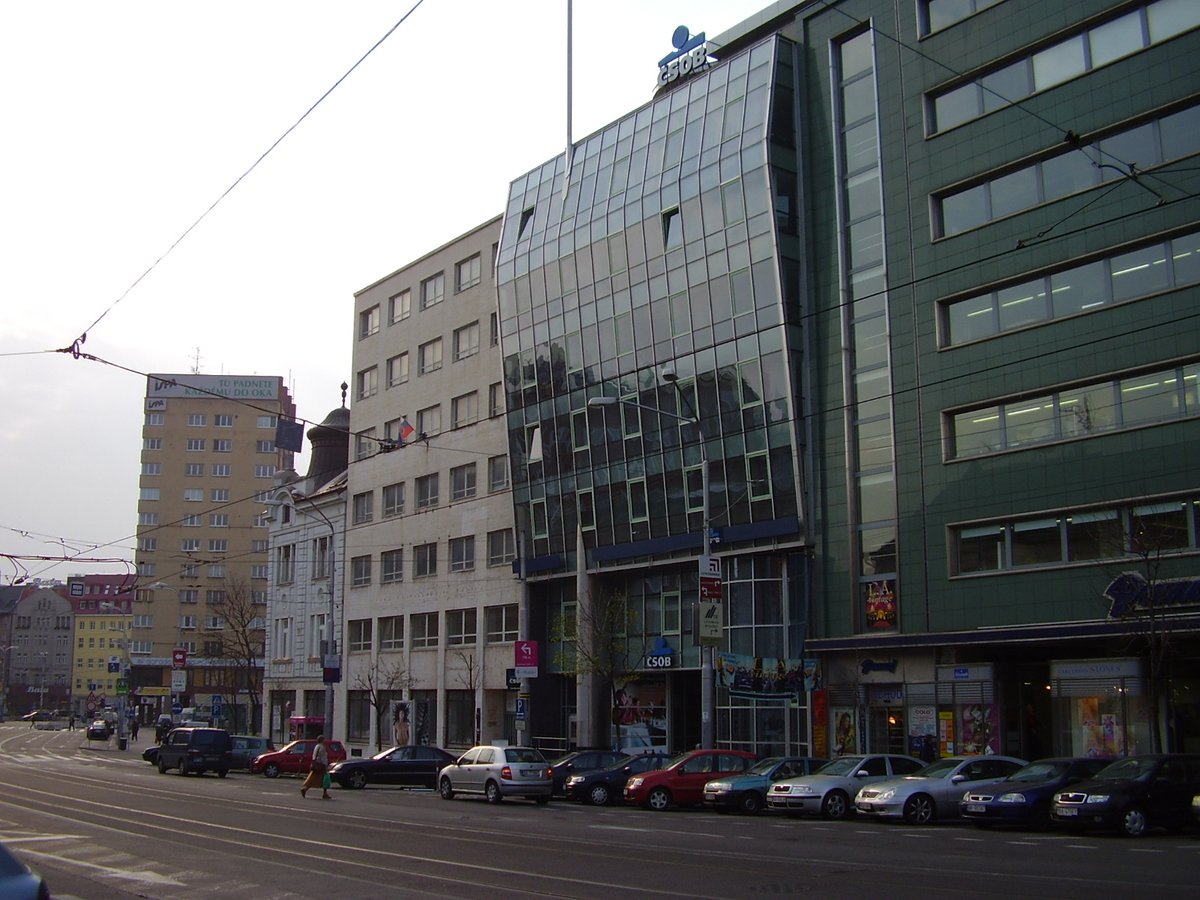
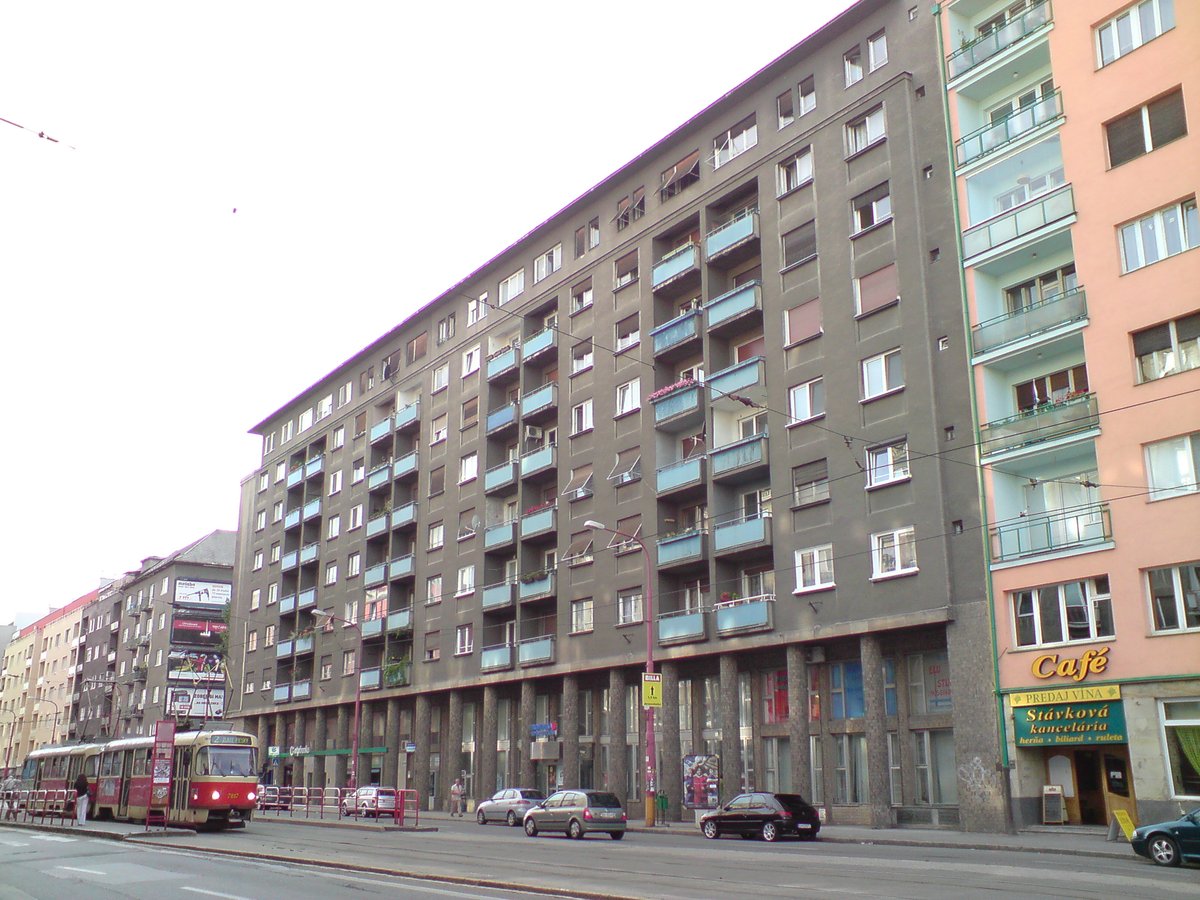
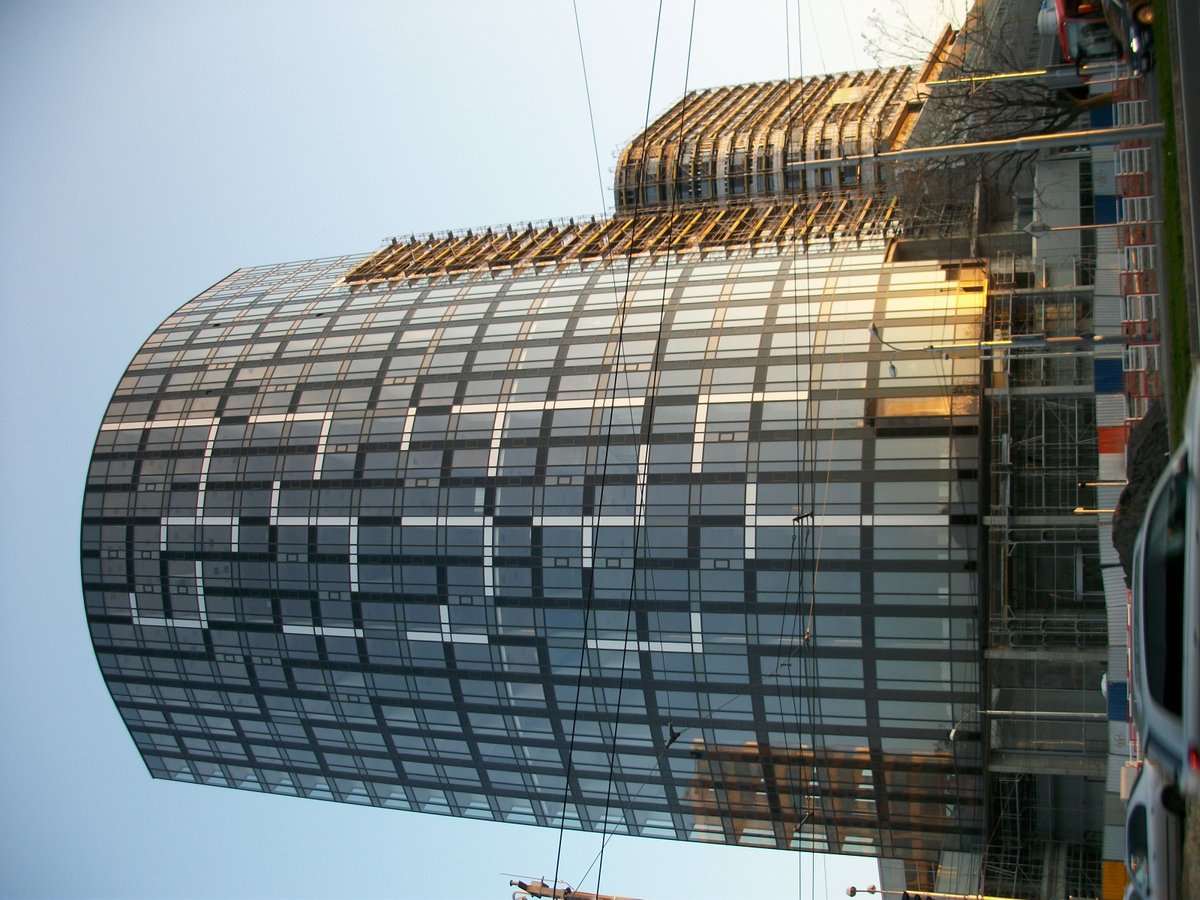
During the late 19th and 20th centuries, Brnianska Ulica became a central axis for transportation and commerce. Post-war development introduced functionalist and modernist buildings, blending with the street’s older structures. Today, it is a key urban link between Bratislava’s center and outlying districts, supporting a lively mix of residential, commercial, and cultural activity. The street is also part of the Bratislava 2030 urban development plan, focusing on sustainability, improved public spaces, and accessibility for all.
Visiting Brnianska Ulica: Practical Information
Visiting Hours
Brnianska Ulica is a public street accessible 24/7. Shops, cafes, and cultural venues typically open between 9:00 AM and 8:00 PM, but individual hours may vary. Guided tours and special events may have set schedules.
Tickets and Entry Fees
- Street Access Free at all times.
- Nearby Attractions Some sites such as Bratislava Castle and the Slovak National Theatre require tickets. Always check the individual venue’s website for current prices and opening hours.
- Bratislava CARD Offers unlimited public transport and discounts on museums and tours (Visit Bratislava).
Accessibility
- Pedestrian-Friendly Wide, well-maintained sidewalks suitable for wheelchairs and strollers.
- Public Transport Served by multiple tram (lines 3, 7, 9) and bus routes, with stops like Brnianska and Zochova.
- Facilities Many public transport vehicles and stops include visual and audio aids for accessibility.
Travel Tips
- Best Time to Visit Spring through early autumn for pleasant weather and outdoor events.
- Getting There Use trams or buses for easy access; the area is within a 15-minute walk from the Old Town.
- Parking Limited and paid; public transport is recommended.
Nearby Attractions
- Bratislava Castle (open daily; ticketed)
- Michael’s Gate (museum entry ticketed)
- Old Town Hall (museum and panoramic views)
- Danube River promenade
- Local cafés and galleries
Architectural and Cultural Highlights
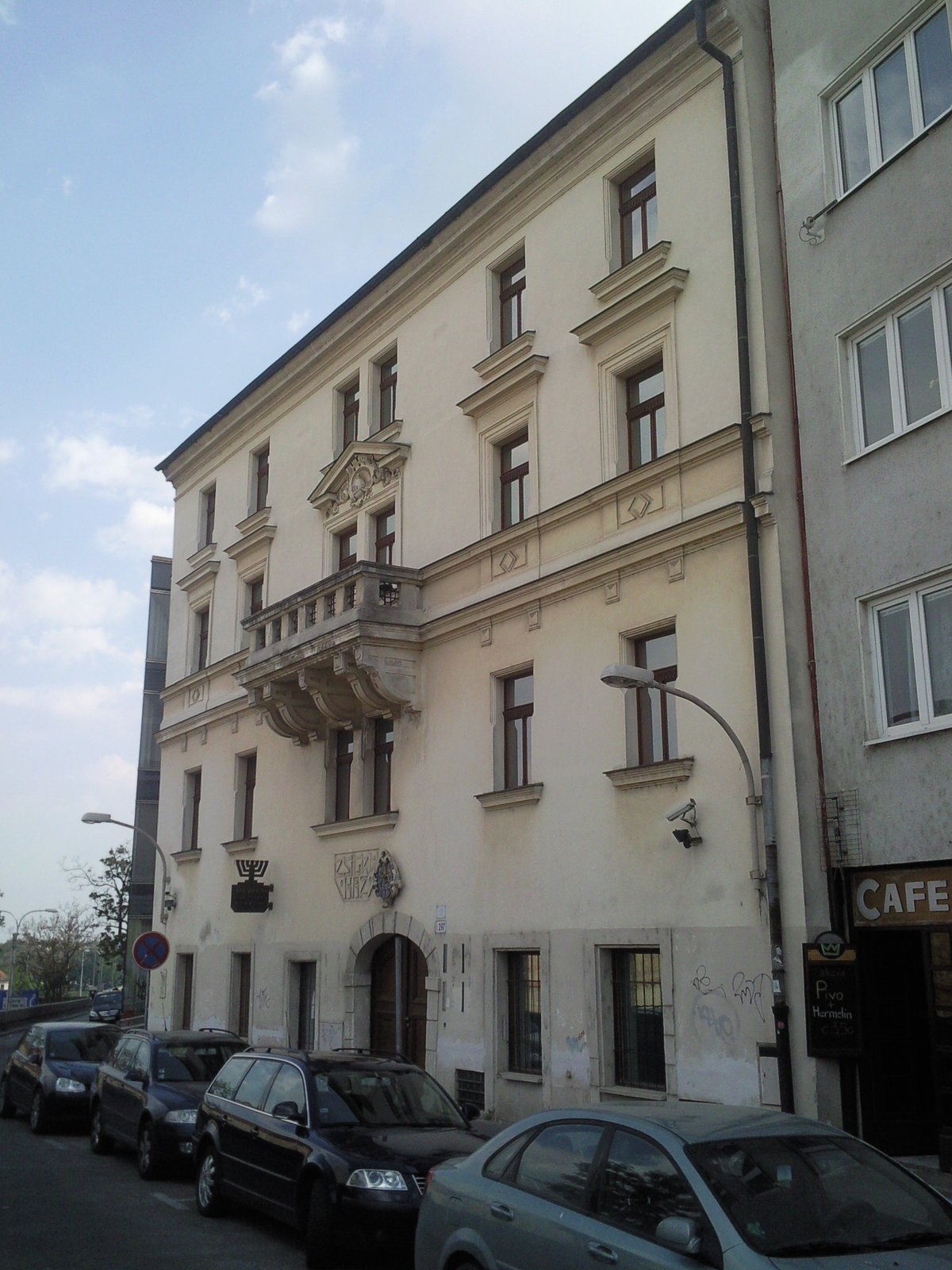
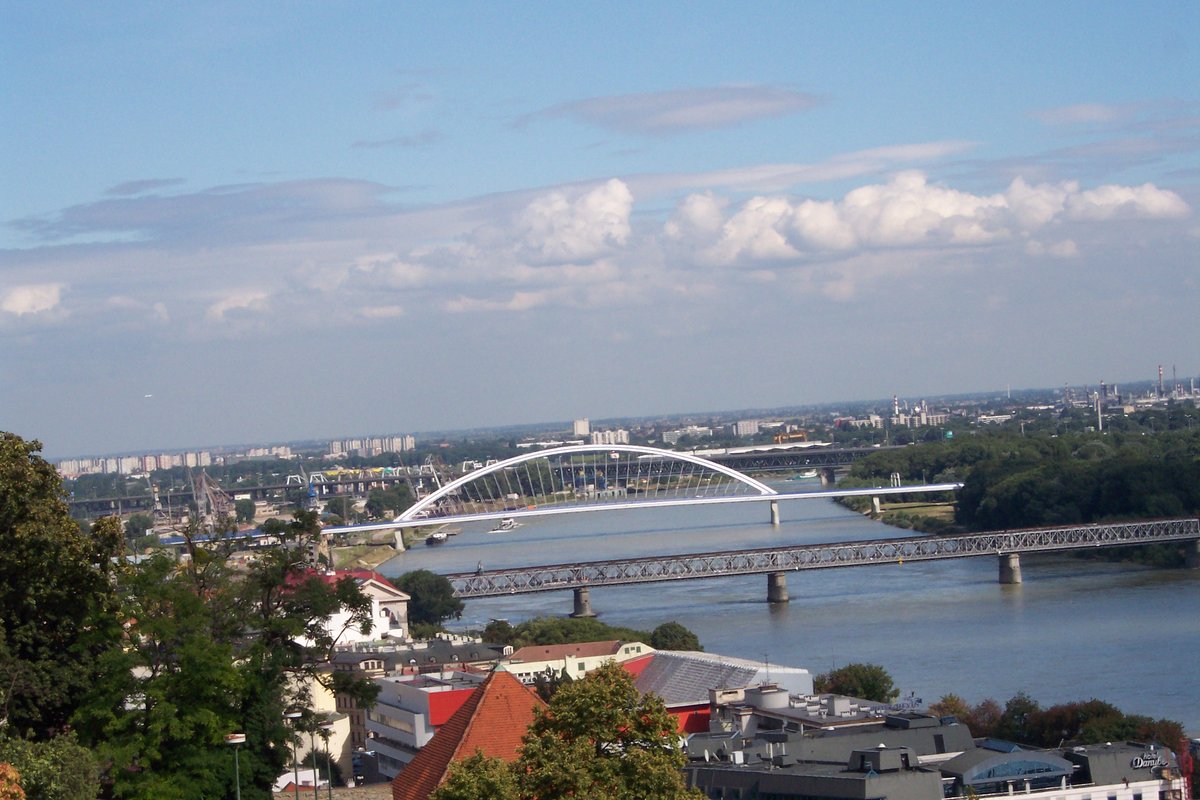
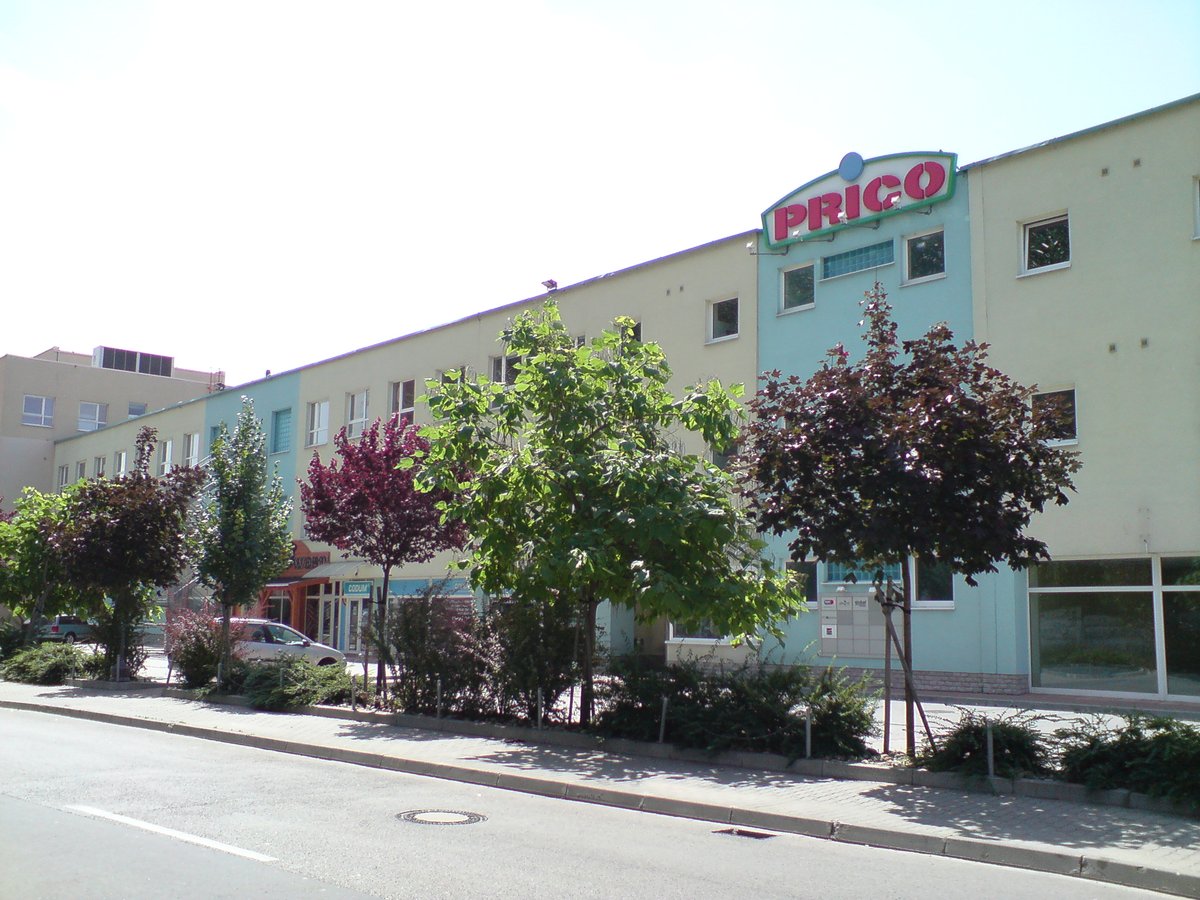
Brnianska Ulica showcases an impressive array of architectural styles. Functionalist, modernist, and post-war buildings coexist with older residential facades, reflecting Bratislava’s layered identity. The street’s multicultural history is evident in its urban fabric, with influences from Slovak, Hungarian, Austrian, and Czech cultures.
Within walking distance, visitors can explore:
- Bratislava Castle Panoramic views and history exhibitions.
- Michael’s Gate The last remaining medieval gate, now a museum.
- Public Art While Brnianska Ulica itself is more residential, nearby streets feature whimsical statues like Čumil (“The Watcher”) (Medium).
Seasonal events, such as Christmas markets and summer festivals, often spill onto Brnianska Ulica, adding to its dynamic atmosphere.
Urban Challenges and Sustainability Efforts
Like many central streets, Brnianska Ulica faces urban challenges, including traffic congestion and environmental concerns. Ongoing city initiatives aim to enhance public transport, expand green spaces, and improve pedestrian infrastructure, all in alignment with Bratislava’s commitment to sustainable urban development.
Visitor Experience: Dining, Safety, and Practical Tips
Dining and Local Cuisine
Brnianska Ulica and its environs offer a variety of dining options:
- Traditional Slovak eateries serving bryndzové halušky and kapustnica
- Cafés with both local and international offerings
- Specialty shops featuring regional wines and cheeses
Safety
Bratislava is generally safe, with low violent crime rates (Travel Safe Abroad). Standard precautions include:
- Guarding belongings in crowded areas and on public transport
- Using licensed taxis or reputable ride-share apps (Travel Safe Abroad)
- Staying in well-lit areas after dark
Women and solo travelers typically feel secure, though discretion is advised at night or in less busy areas (Xplrverse). LGBT+ visitors should exercise modesty in public displays of affection (UK Government Travel Advice).
Transportation
- From the Airport Buses and taxis offer a direct link; public transport is efficient and affordable.
- From Main Train Station Multiple tram and bus routes connect directly to Brnianska Ulica (Bratislava Slovakia).
- Tickets Purchase at kiosks, machines, or via apps like imhd.sk or IDS BK (imhd.sk).
- Cycling Dedicated lanes and rentals available (Visit Bratislava).
Additional Tips
- Language Slovak is official, but English is widely spoken in tourist areas.
- Local Assistance Locals are generally helpful; carry your destination in writing or use a translation app if needed.
- Events Check Visit Bratislava for schedules of guided tours, festivals, and open days.
Frequently Asked Questions (FAQs)
Q: What are the visiting hours for Brnianska Ulica?
A: It is accessible 24/7. Individual shops and attractions have their own hours.
Q: Do I need a ticket to visit Brnianska Ulica?
A: No, it is free to access. Tickets are only needed for certain museums and venues nearby.
Q: How do I get to Brnianska Ulica via public transport?
A: Multiple tram (3, 7, 9) and bus routes serve the street. Real-time schedules: imhd.sk.
Q: Is Brnianska Ulica wheelchair accessible?
A: Yes, most sidewalks and public transport options are accessible, though some older buildings may not be.
Q: Are there guided tours including Brnianska Ulica?
A: Yes, several walking tours of Bratislava’s Old Town include Brnianska Ulica. See Visit Bratislava.
Q: Is it safe to walk at night?
A: Generally yes, especially in well-lit, busier areas. Usual precautions apply.