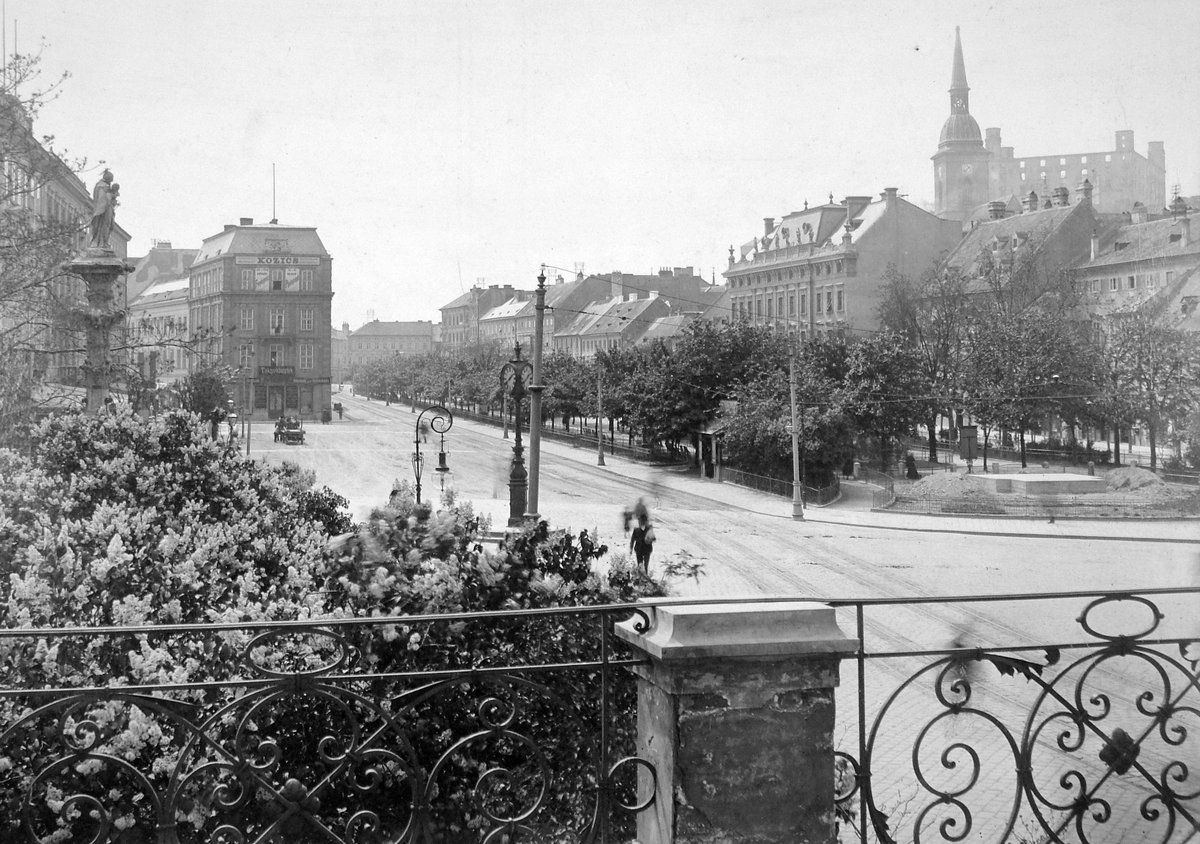
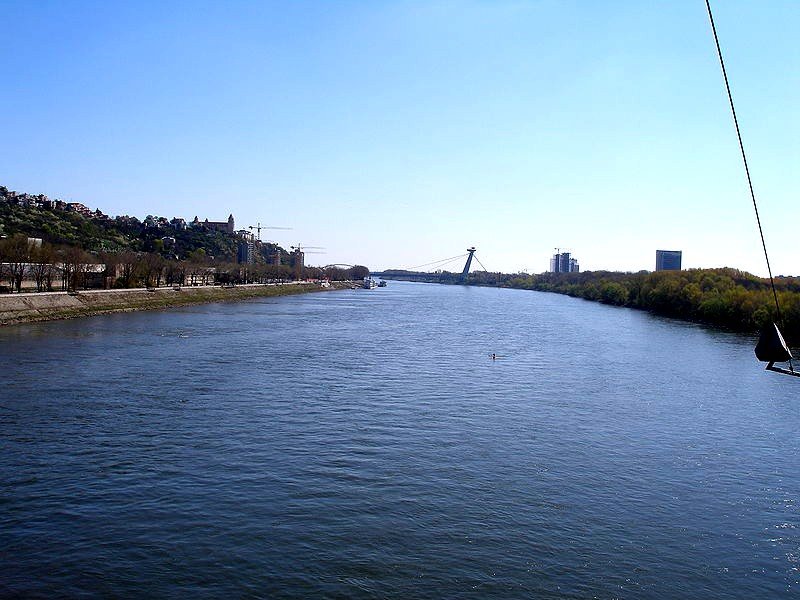
Račianska Street, Bratislava
Račianska Street is one of Bratislava’s longest and most culturally significant thoroughfares. It connects the city’s medieval heart with the wine-producing borough of Rača and reflects the city’s changing urban identity, from functionalist and socialist-era buildings to contemporary developments such as the Guthaus residential complex and the RAC high-rises (raca.sk, CORWIN SK, Arch2o).
The street is also a centre of community life, particularly during the annual Račianske hody festival, which celebrates local wine-making traditions with open cellars, folk music, artisanal markets, and family activities (raca.sk). It provides a gateway to Rača’s historic vineyards, the Little Carpathians, and Bratislava’s Old Town (SME.sk, Aktuality.sk).
History
Račianska Street began as a trade route in the 13th century, used in particular to transport wine. During the 19th and 20th centuries, it became part of the expanding city, with railway construction improving connectivity (raca.sk, explorecity.life).
From 1948–1989, socialist-era development brought panelák housing and expanded tram infrastructure. Since the post-communist period, modernization projects and the revival of cultural traditions have helped shape the street (visitbratislava.com, raca.sk).
What to See
- Wine cellars and vinotéky Sample local vintages at Villa Vino Rača and Račianska vinotéka.
- Cultural venues Kultúrne stredisko Žarnovická hosts exhibitions, concerts, and workshops, especially during Račianske hody.
- Architecture Explore functionalist, socialist-era, and contemporary buildings, including characteristic residential and public buildings from the 20th century. The Guthaus residential complex transformed a former brownfield into modern housing with green infrastructure and a public park. The RAC Residential High-Rises feature contemporary design, while the Zváračák project demonstrates the adaptive reuse of industrial buildings (CORWIN SK, Arch2o, NajdiKancelarie.sk).
- Green spaces and community facilities Parks and gardens offer places to relax and host community events. New developments include green roofs, public parks, outdoor kitchens, BBQ areas, and bike workshops (CORWIN SK, BIG SEE).
- Dining and local culture The street has traditional Slovak pubs, modern cafés such as Kern Restaurant, and street art and murals.
- Markets and services Local markets, grocers, and community amenities reflect the street’s role in everyday city life.
Guthaus and other developments feature green infrastructure, cycle paths, and energy-efficient design. Public transport improvements support eco-friendly mobility (CORWIN SK, Bratislava Transport Projects).
Practical Visiting Information
Hours, tickets, and tours
Račianska Street is a public thoroughfare with no entrance fees or fixed visiting hours; it is open at all times. There are no tours dedicated solely to the street, but city and wine tours may include its cultural venues and wine cellars. Local operators also offer tours focused on its history and wine heritage.
Getting there
Trams 3 and 5, as well as several bus lines, serve the street; public transport tickets are inexpensive and available at kiosks, machines, and mobile apps (bratislavaguide.com). Another description identifies a central tram corridor served by lines 3 and 7, with stops such as Blumentál and Komisárky acting as local landmarks (Aktuality.sk). Lines 3, 5, and 7 connect with the city centre and other districts. Public transport tickets are easy to purchase, and the Bratislava Card provides discounts.
The street has dedicated bike lanes and wide sidewalks. Recent infrastructure upgrades have improved transit and safety (SME.sk).
Accessibility
The street and its public spaces are designed to be accessible for visitors with limited mobility. Wheelchair access is available on most trams and in public areas, and improved sidewalks and cycling paths support safer, more comfortable travel.
Tips
- Best time to visit Spring and early summer, when Račianske hody takes place, offer the richest experience.
- Safety The area is safe; standard city precautions apply.
- Language Slovak is predominant, but English and German are understood.
- Parking Parking is limited; use public transport during festivals.
Nearby Places
Rača and the Little Carpathians
Rača offers historic vineyards, churches, and architecture. The nearby Little Carpathians have hiking and cycling trails.
Bratislava City Center
The city centre is accessible by tram and has castles, museums, and cafés.
Bratislava Castle
Bratislava Castle overlooks the Danube and Old Town. With origins in the 9th century and major reconstructions in the 15th and 18th centuries, it has served as a royal residence and fortress and is now a museum.
- Opening hours April–October, 9:00 AM–6:00 PM; November–March, 10:00 AM–4:00 PM.
- Tickets Adults €10; students and seniors €6; children under 6 free. Discounts for families and groups are available. Tickets can be purchased online or at the ticket office.
- Tours Guided tours and audio guides are available in multiple languages.
- Accessibility and facilities The castle is mostly accessible to visitors with limited mobility, with ramps and elevators. Amenities include a café, souvenir shop, restrooms, and parking (official Bratislava tourism website).
- Photo spots The castle terrace, courtyard, and gardens.
- Nearby sights Old Town, St. Martin’s Cathedral, and the Slovak National Gallery.
- Getting there Bus lines 37 and 44, taxi, or a 15-minute walk from the city centre.
For more details, visit the official Bratislava Castle website.
Frequently Asked Questions
Are there entrance fees or set visiting hours for Račianska Street?
No. The street is public, has no entrance fee, and is open at all times.
Is the street wheelchair accessible?
Yes. Most public transport and sidewalks are accessible.
Are there guided tours?
Some city and wine tours include Račianska Street.
When is the best time to visit?
During Račianske hody in spring or early summer.
Which public transport lines serve the street?
Trams 3 and 5 and several bus lines are listed; another description identifies tram lines 3 and 7 on the central corridor.