Mečíková and Bratislava
Bratislava, Slovakia’s capital, combines centuries-old history with a lively modern urban atmosphere. Mečíková is primarily residential rather than a traditional tourist destination, but its tranquil green spaces and transport links make it a base for exploring the city. Situated in districts like Ružinov and Karlova Ves, it offers pedestrian-friendly streets, authentic eateries and a less commercialized perspective on local life. Its proximity to major historical sites also makes it suitable for first-time and returning travelers (Bratislava Guide; Visit Bratislava; Urban Wanders; Bratislava City Apartments).
History and urban development
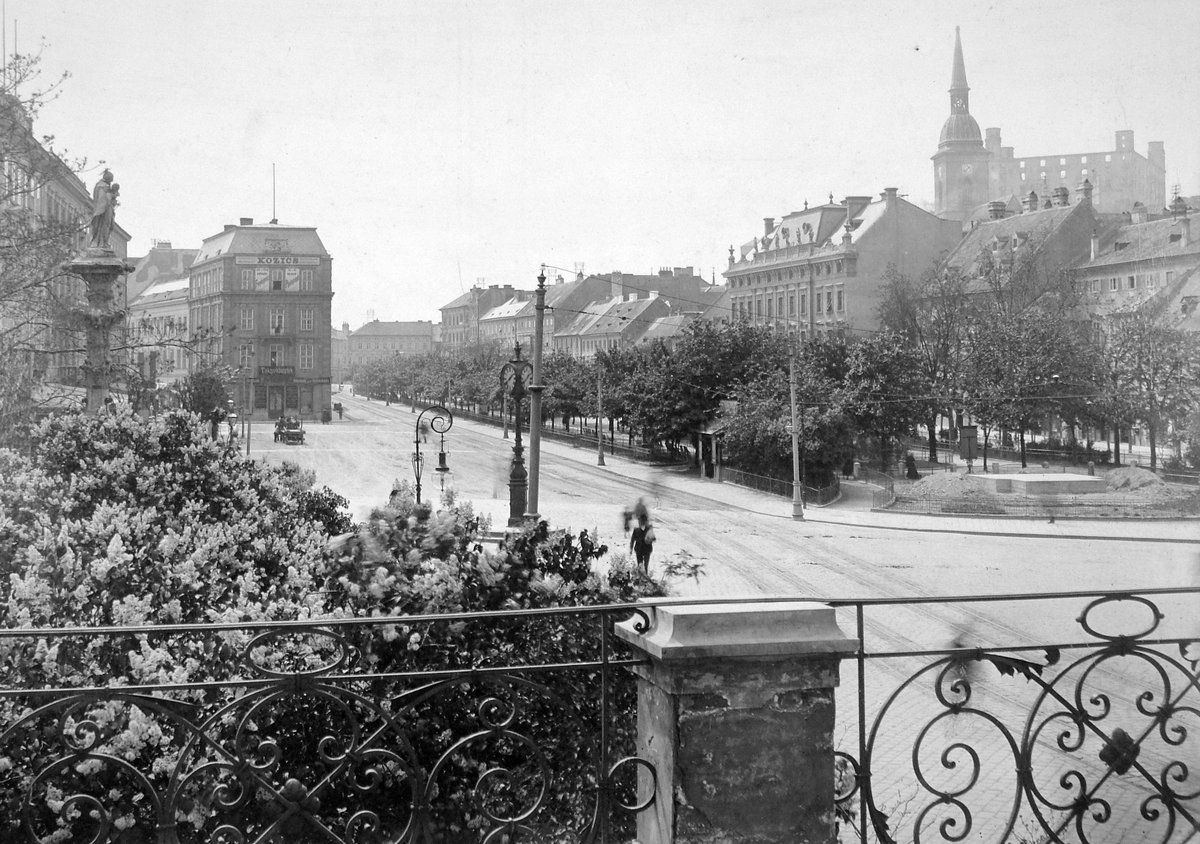
Bratislava’s roots stretch back to the late Stone Age. Significant development began in the 2nd century BC, when the Celtic Boii tribe established a fortified settlement and minted coins inscribed “Biatec.” The city later became part of the Roman Empire’s Limes Romanus frontier. During the Great Moravia period (9th–10th century), fortresses including Bratislava Castle and nearby Devin Castle played strategic roles (Bratislava Guide; Bratislava City Apartments).
Under the Kingdom of Hungary, Bratislava—then known as Pressburg/Pozsony—became an economic and administrative center. Royal privileges supported its growth as a crossroads of trade and culture.
The city’s position on the Danube and Amber trade routes fostered further economic and cultural growth. In the 18th and 19th centuries, Bratislava was a center of Slovak national awakening and technological progress. The region’s first railway opened in 1840, alongside the early adoption of electricity and telephony and continuing urban expansion. After World War II, neighborhoods like Mečíková emerged through modernist planning, reflecting Slovakia’s evolving urban identity (Bratislava Info).
What to see
Bratislava Castle
- Hours Daily, 10:00 AM–6:00 PM; last entry at 5:30 PM.
- Tickets ~€10 for adults; discounts for students and seniors; free entry on the first Sunday of the month.
- Highlights Panoramic city views, historical exhibits and royal gardens.
- Accessibility Wheelchair-friendly routes are available.
Old Town (Staré Mesto)
The Old Town’s outdoor areas are open year-round. Visitors can explore on walking tours or independently, with cafes and shops throughout the area.
- St. Martin’s Cathedral 9:00 AM–5:00 PM; €3 entry.
- Old Town Hall Museum 10:00 AM–6:00 PM; €4 ticket.
- Michael’s Gate 10:00 AM–6:00 PM; ~€4 ticket.
Devin Castle
- Hours April–October, 9:00 AM–6:00 PM; November–March, 9:00 AM–4:00 PM.
- Tickets ~€6–7 for adults; reduced rates for children and seniors.
- Special events Medieval reenactments and seasonal festivals.
- Access Bus 29 from Most SNP.
Mečíková’s local character
Mečíková’s parks, pedestrian-friendly streets and residential setting offer a quieter alternative to the city’s monuments. Community events, local markets and cultural festivals take place in the area. Its multicultural fabric reflects Slovak, Hungarian and Central European influences, visible during neighborhood gatherings and seasonal celebrations.
Practical visiting information
Transport
Buses and trams connect Mečíková to the city center and major attractions. Tickets start at €1.10 for 30 minutes or €4.00 for 24 hours and can be purchased at kiosks or through the IDS BK app (33traveltips.com).
Bratislava has comprehensive tram and bus coverage. Tickets are required before boarding; fare evasion carries a €50 fine. Slovnaft BAjk offers bike-sharing rentals throughout the city, and neighborhoods are pedestrian-friendly, with abundant parks.
Bolt and Uber operate reliably; expect to pay €6–€10 for a ride from the center. Paid parking is available from 8:00 AM–6:00 PM at ~€1.50 per hour; pay attention to signage (slovakia.travel).
Accessibility and safety
Most trams and buses are wheelchair-accessible, and sidewalks are generally well-maintained. Major museums and public buildings accommodate visitors with disabilities; check in advance for specifics. Bratislava, Mečíková, Ružinov and Karlova Ves are considered safe. Exercise normal vigilance against pickpocketing, especially in busy areas and on public transport (Dave’s Travel Pages).
Food and events
Local restaurants and markets serve Slovak dishes including bryndzové halušky, kapustnica and Bratislava rolls (a-bratislava.com). Italian, Asian and vegan-friendly eateries are also available (nomadicmatt.com).
Events include Bratislava Cultural Summer, open-air concerts and wine festivals (allevents.in; visitbratislava.com).
Tips
Mečíková offers a peaceful base for balancing sightseeing with local experiences, with public transport connecting it to the city’s castles, medieval streets, markets and riverfront. Spring (April–June) and early autumn (September–October) offer mild weather and fewer crowds.
The Audiala mobile app offers audio guides, interactive maps and up-to-date event information. Further information is available from local travel guides and event calendars.
Nearby places
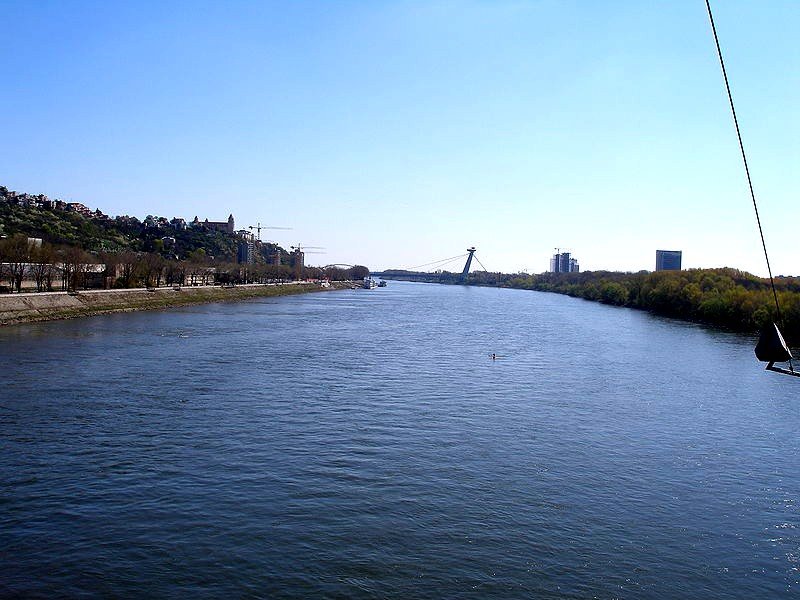
Mečíková is minutes from the Old Town, Bratislava Castle and the Danube riverfront. Štrkovec Lake and Andrej Hlinka Park offer nearby green spaces, and public transport provides access to major sights. Ružinov, Karlova Ves and the city center offer hotels, apartments and even boat hotels.
Frequently Asked Questions (FAQ)
Q: Does Mečíková have tourist attractions or ticketed sites?
A: Mečíková is residential and serves as a peaceful base for exploring Bratislava’s main attractions.
Q: How do I reach historical sites from Mečíková?
A: Direct trams and buses connect Mečíková to the Old Town, Bratislava Castle and beyond.
Q: Is it safe for tourists?
A: Yes, but remain alert in crowded areas and on public transport.
Q: Are there accommodations nearby?
A: While Mečíková itself is residential, Ružinov, Karlova Ves and the city center offer hotels, apartments and even boat hotels.
Q: What’s the best time to visit?
A: Spring (April–June) and early autumn (September–October) offer mild weather and fewer crowds.