
Haanova and Petržalka
Bratislava, Slovakia’s capital, brings together history, culture, and modern urban life. In Petržalka, the city’s most populous borough, Haanova Street offers a view of the area’s transformation across centuries. While the Old Town draws most tourists, Petržalka is a residential district shaped by post-war urban planning and local community life.
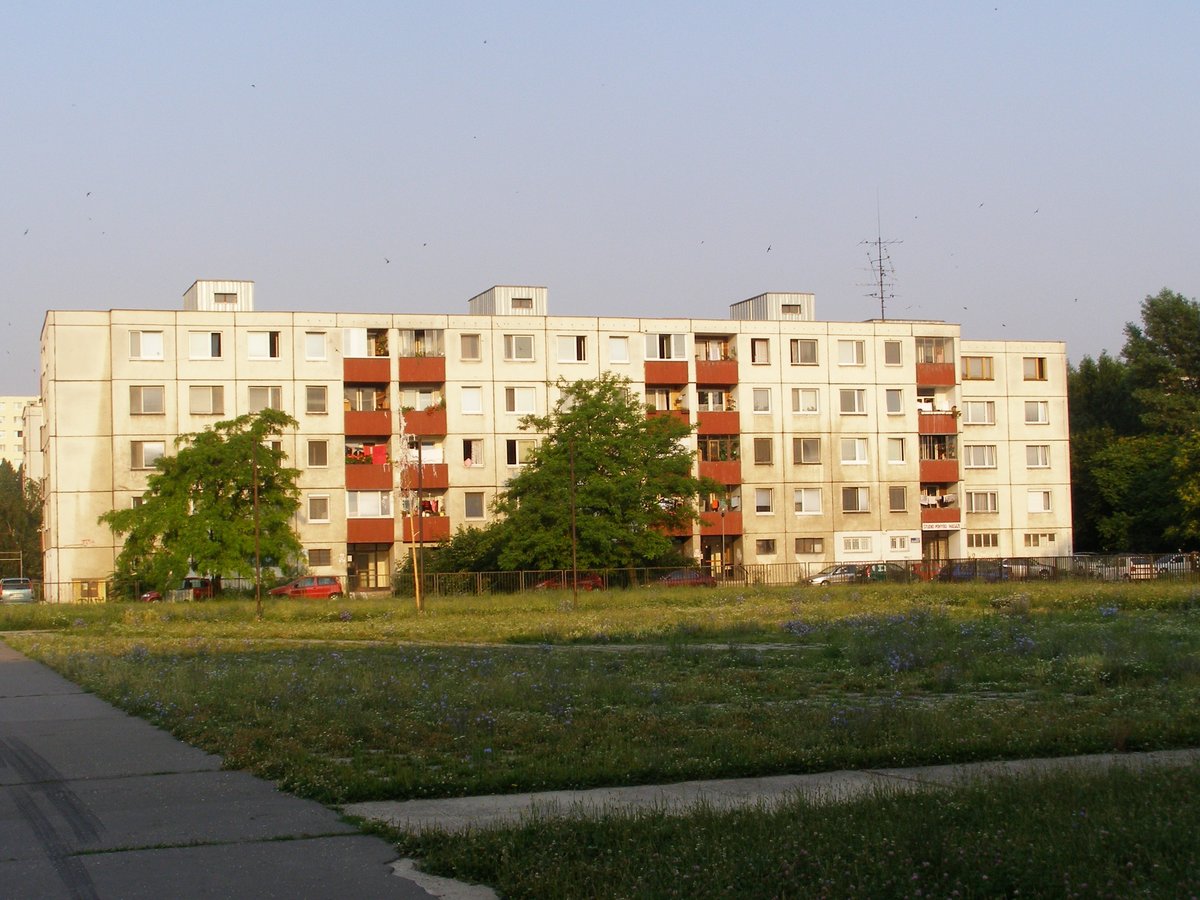
Haanova lies in the center of Petržalka’s Háje neighborhood. Its panelák housing, civic institutions, and green spaces are part of the district’s urban landscape.
History
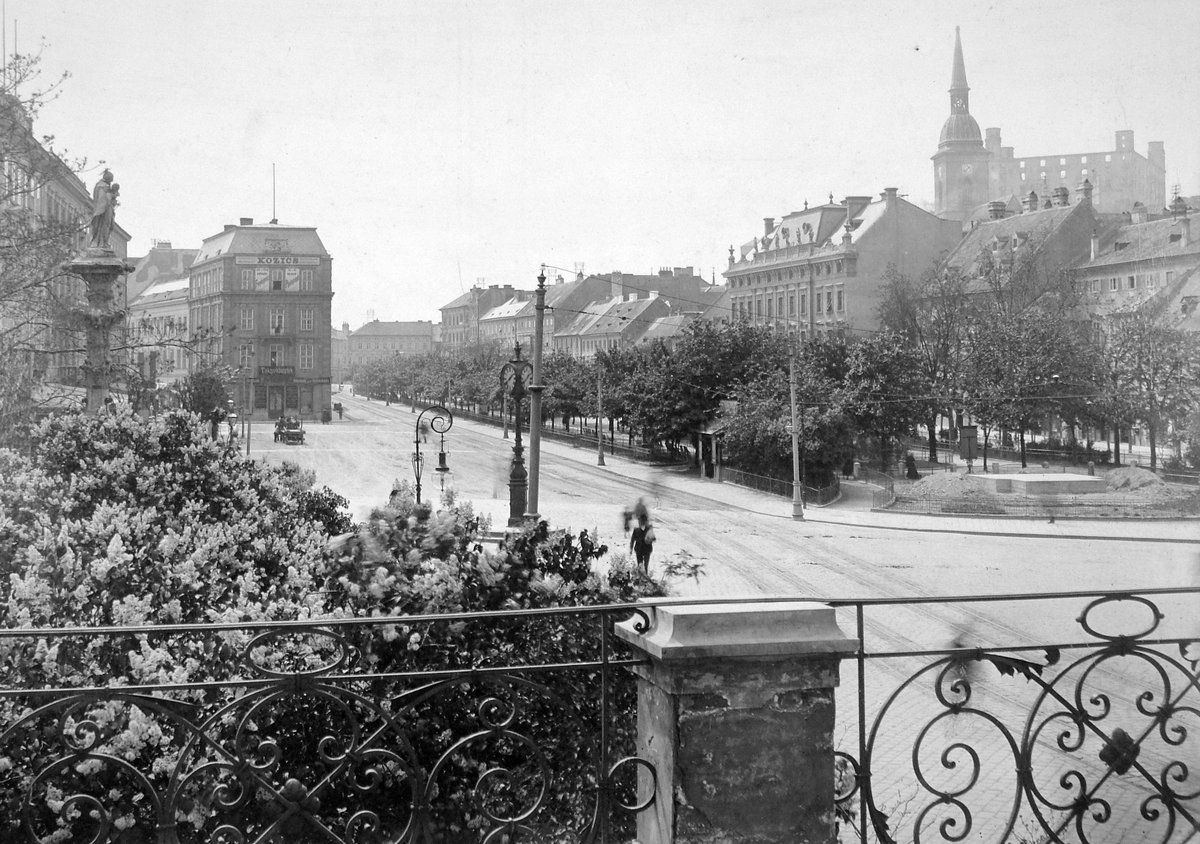
Petržalka traces its origins to 1225, when the settlement of Pečeneh served as a mercenary border guard post (Bratislava Guide). After invasions, including the Mongol onslaught, the area developed into a patchwork of villages and agricultural fields. The first Danube railway bridge, completed in 1891, brought Petržalka into closer connection with Bratislava and helped catalyze economic and social changes. The area underwent dramatic urbanization by the mid-20th century and became part of Bratislava in 1946. Today, it has over 126,000 residents.
Haanova Street emerged in 1978 during the district’s rapid expansion (Wikipedia: Haanova ulica). It was originally named Hočiminova after Vietnamese leader Ho Chi Minh. In 1991, it was renamed for Ľudovít Haan, a Slovak historian, reflecting a post-communist reassertion of Slovak national identity.
What to see
Haanova’s streetscape and institutions
The “panelák” housing estates—prefabricated concrete apartment blocks built during the socialist era to meet housing demand—define Haanova’s skyline. They have since been revitalized with modern amenities and green spaces (Bratislava Guide).
Haanova is also home to the C. S. Lewis Bilingual Gymnasium at Haanova 28, which has provided internationally focused education since 2004. The local police station is at Haanova 10 (Wikipedia: Haanova ulica).
The Haanova Monument
The Haanova Monument is described as a testament to Petržalka’s resilience and growth during the city’s post-war and post-communist transformation. Erected in the mid-20th century, its modernist design honors local historical milestones and figures, and the monument serves as a gathering point for community events.
The surrounding park and monument area are open daily from 6:00 AM to 10:00 PM, and admission is free. Wheelchair-friendly paths and seating are provided. Guided tours are available on weekends and public holidays; tickets can be booked online or at the nearby visitor center (Daves Travel Pages).
The monument and nearby green spaces are popular with photographers. Seasonal festivals, concerts, and community gatherings also take place there.
Museums, art, and city views
- Slovak National Gallery Open 10:00 AM–6:00 PM, closed Mondays; tickets ~€5 (havokjournal.com).
- Bratislava City Gallery Modern art exhibits in Mirbach and Pálffy Palaces; open 11:00 AM–6:00 PM.
- Museum of City History Located in the Old Town Hall; open 10:00 AM–6:00 PM; admission ~€4 (shunculture.com).
- UFO Observation Deck Open 10:00 AM–11:00 PM; tickets €7.50. It offers panoramic city views and is wheelchair accessible (havokjournal.com).
- Street art Colorful murals and public art can be found throughout the city (havokjournal.com).
Practical visiting information
Getting to and around Haanova
Haanova is served by multiple public transport lines:
- Trams Lines 3 and 7
- Buses Routes 93 and 96, with a stop at Haanova
- By car Limited parking nearby, with additional options in Petržalka (Map: Haanova ulica, Bratislava)
Bratislava’s public transport network of buses, trams, and trolleybuses connects Haanova with the city center and main railway station. Tickets cost €1.10 for 30 minutes or €4.00 for a 24-hour pass and must be validated on board (travellikeaboss.org). Haanova is flat and walkable, with accessible sidewalks and ramps (yonkerstimes.com).
Safety, customs, and healthcare
Bratislava, including Haanova, is described as very safe, with a strong police presence (bratislava.com). Common customs include greeting people with “Dobrý deň” and tipping ~10% in restaurants. Be aware of smoking and alcohol regulations (travellikeaboss.org).
Healthcare is reliable, with English-speaking professionals. Dial 112 in emergencies.
Accommodation
Petržalka offers budget hostels, mid-range hotels, and short-term rentals. Prices are generally lower than in the Old Town, with double rooms averaging €60–€80 per night (the-proper-traveler.com).
Best time to visit
- Summer (June–September) Peak festival season and a lively atmosphere.
- Spring and autumn Mild weather and fewer tourists.
- Winter Festive markets and fewer crowds (destinationabroad.co.uk).
Tips and local events
Bratislava’s Cultural Summer runs from June to September, with open-air concerts, film screenings, and family-friendly events (bratislava.sk). The Bratislava Music Festival features international performances in unique venues (havokjournal.com). Nightlife options include Old Town bars, riverside venues, and Eurovea shopping center (touropia.com).
To explore the district, use public transport, consider a local festival or guided tour, and visit the nearby parks, river promenade, and lesser-known city neighborhoods. The Audiala app offers guided tours and travel updates.
Nearby places
Parks and the Danube
- Sad Janka Kráľa Park One of Europe’s oldest public parks, open 24/7 and suitable for walks, picnics, jogging, and summer concerts (bratislava.sk).
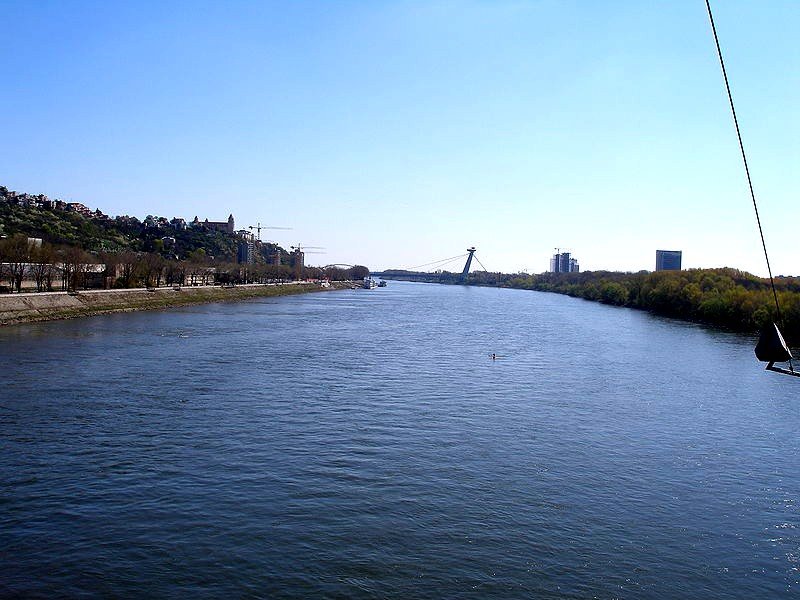
- Danube River Promenade and walks The riverbank has walking and cycling routes, and river cruises operate April–October, with tickets €15–€50 (adventure-life.com).
- Bratislava City Forest Park Hiking and nature trails are close to Petržalka.
The Haanova area also has Slovak and international eateries, cafes, and markets within walking distance.
Bratislava’s historic center and landmarks
- Bratislava Castle Perched above the Danube, the castle is open daily from 10:00 AM to 6:00 PM, with last entry at 5:30 PM. Adult tickets are about €10, with discounts available. Exhibitions cover Slovak history, and the castle offers sweeping city views (thirdeyetraveller.com).
- St. Martin’s Cathedral A Gothic masterpiece and historic coronation site, open 9:00 AM–5:00 PM. Entry is free; guided tours are available for a small fee (thecrazytourist.com).
- The Blue Church (Church of St. Elizabeth) Known for Art Nouveau architecture and pastel blue hues, open daily 9:00 AM–5:00 PM; free to visit (thirdeyetraveller.com).
- Old Town (Staré Mesto) Its cobblestone streets, colorful buildings, and medieval landmarks include Michael’s Gate, the Old Town Hall, the statue of Cumil, and lively public squares (touropia.com; havokjournal.com).
Frequently asked questions
Is Haanova a tourist attraction?
Haanova is primarily residential but offers a glimpse of local life and modern urban development.
How do I reach Haanova from the city center?
Take public transport: trams 3 or 7, or buses 93 or 96. Tickets cost €1.10 for 30 minutes.
Are guided tours available?
Yes. Weekend tours of the Haanova Monument and broader Petržalka can be booked.
Is the area accessible for people with disabilities?
Public transport and sidewalks are largely accessible.
When is the best time to visit?
Summer is best for festivals and events; spring and autumn have mild weather.