
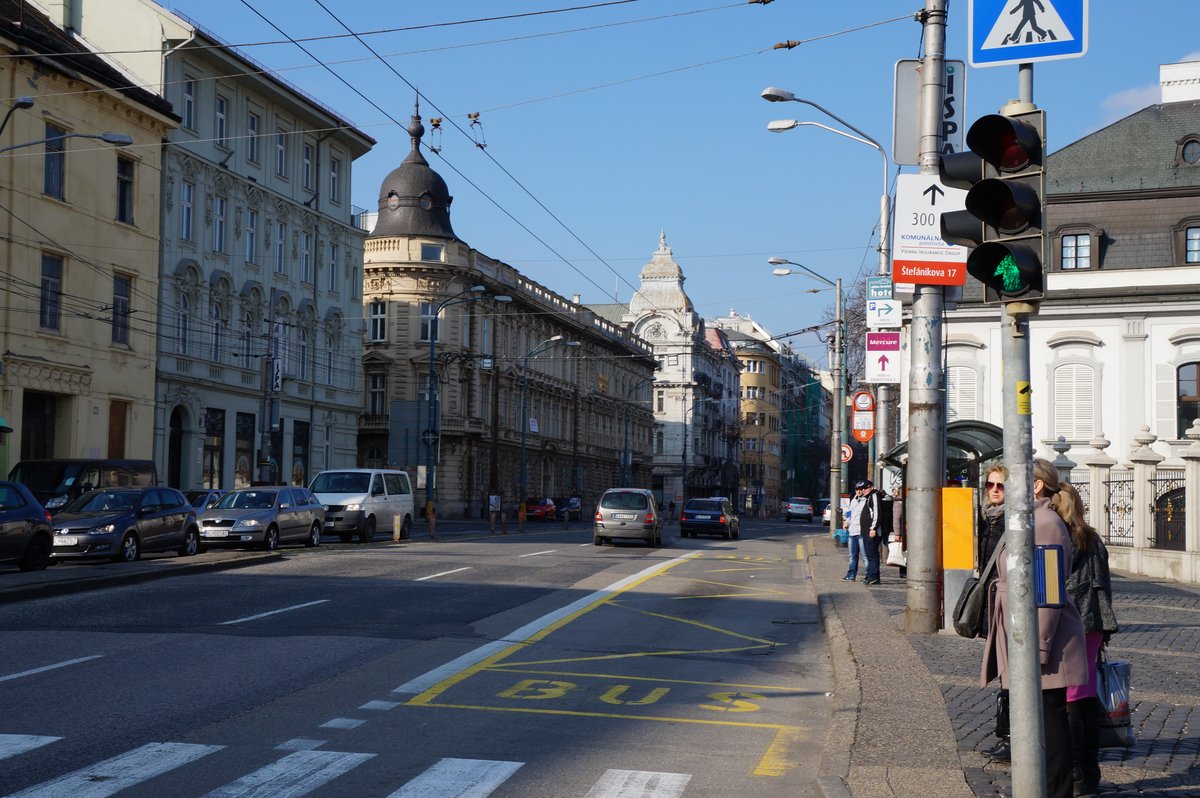
Origins and Historical Development
Štefánikova Street’s history dates back to the early 18th century, when the area was known as Märzel Gasse—a modest field road traversing vineyards and fields on the edge of Pressburg (now Bratislava). Over time, it transformed into a vital trading route connecting the city center with regions such as Záhorie and Moravia. The late 18th and early 19th centuries marked a significant shift, as Bratislava’s aristocracy established grand residences along the avenue, including the Summer Archbishop’s Palace, Grassalkovich Palace, and Palugyay Palace. These developments set the stage for Štefánikova’s emergence as a prestigious urban boulevard (Spectator.sk).
The arrival of the steam railway in the late 19th century, with the construction of Bratislava’s main railway station (Hlavná stanica), further elevated the street’s status. A tram line, introduced in 1895, turned Štefánikova into a bustling artery of public transport and urban activity, connecting travelers directly to the heart of the city.
Architectural Highlights
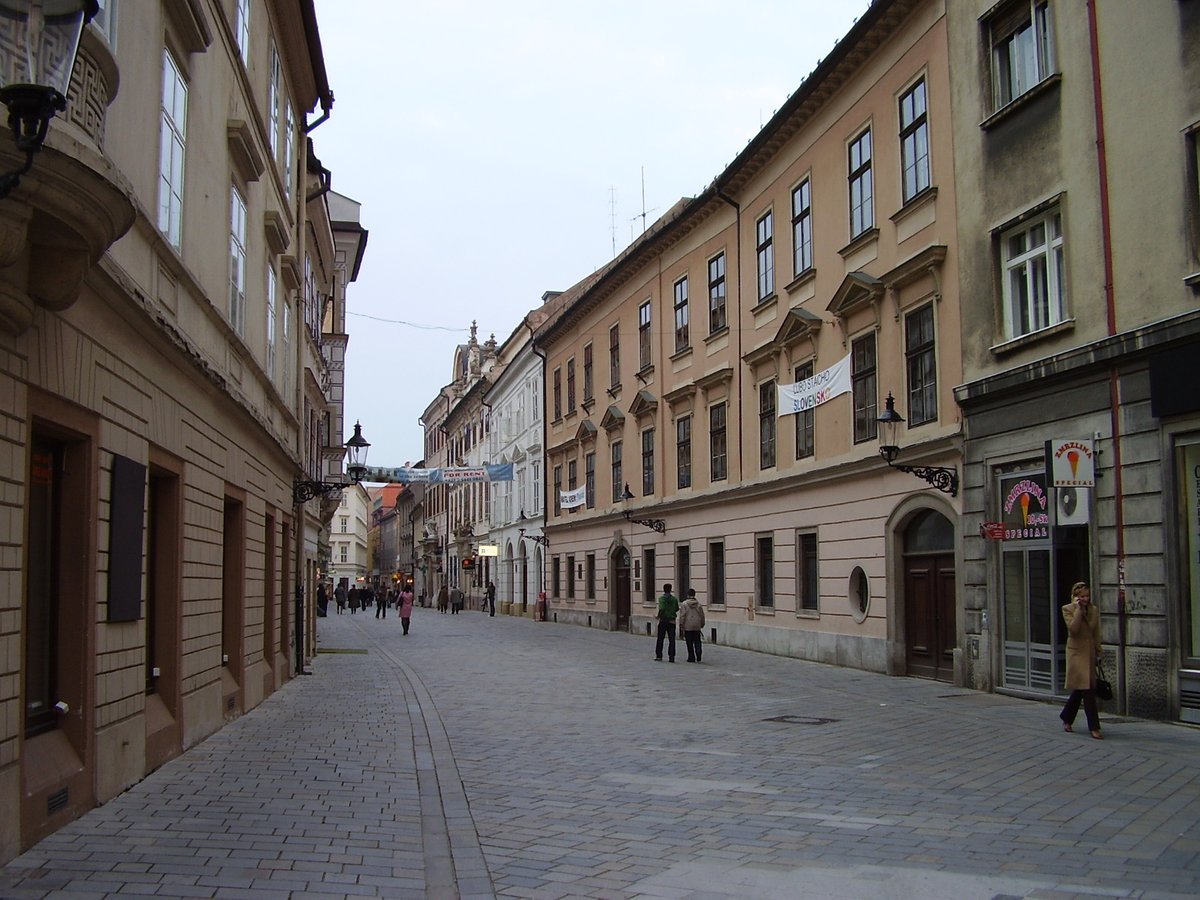
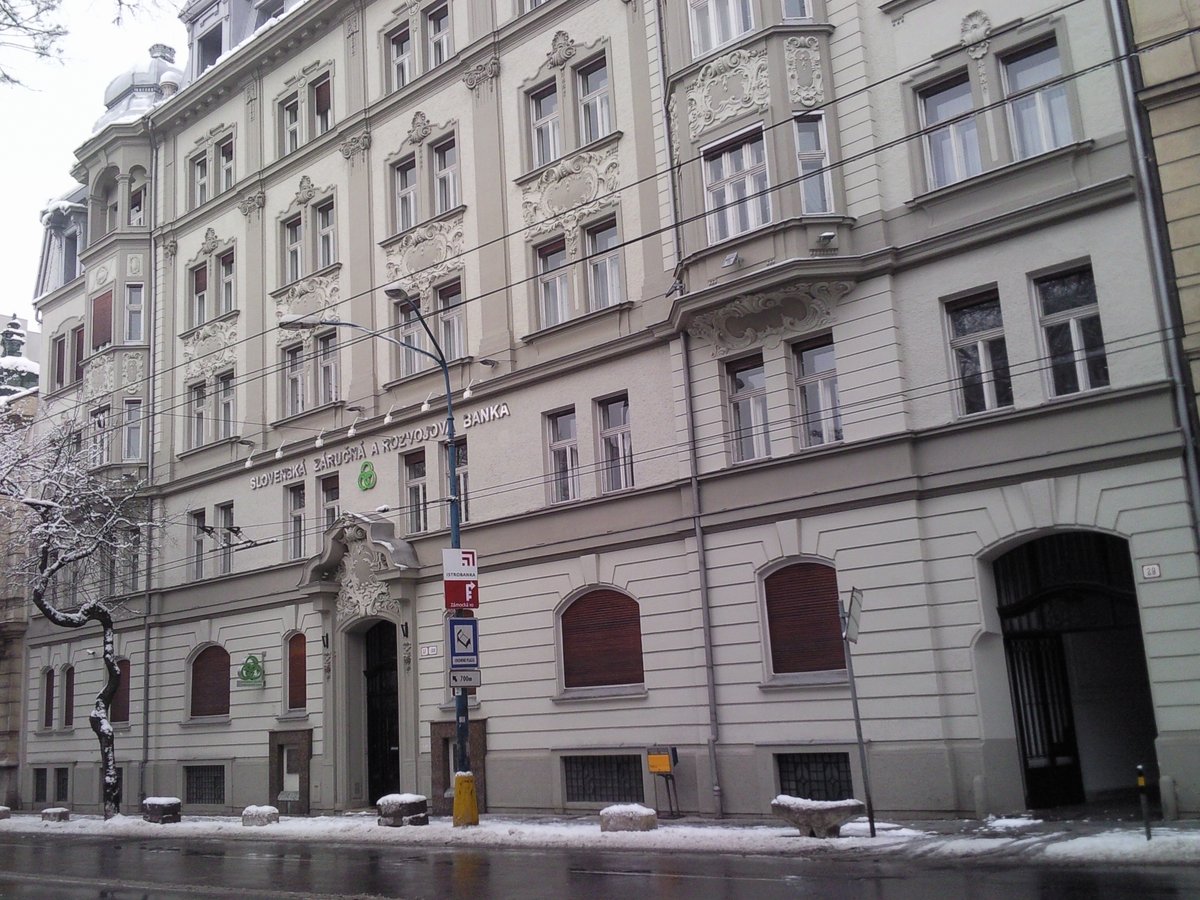
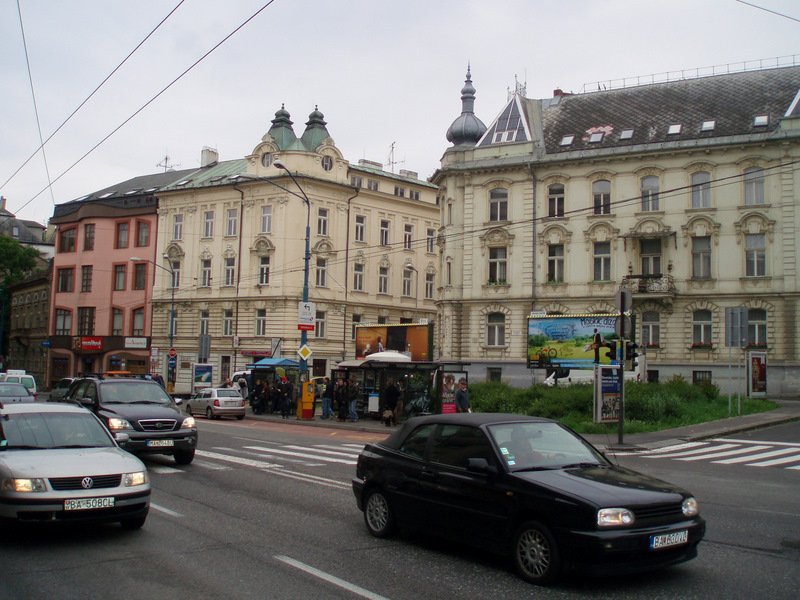
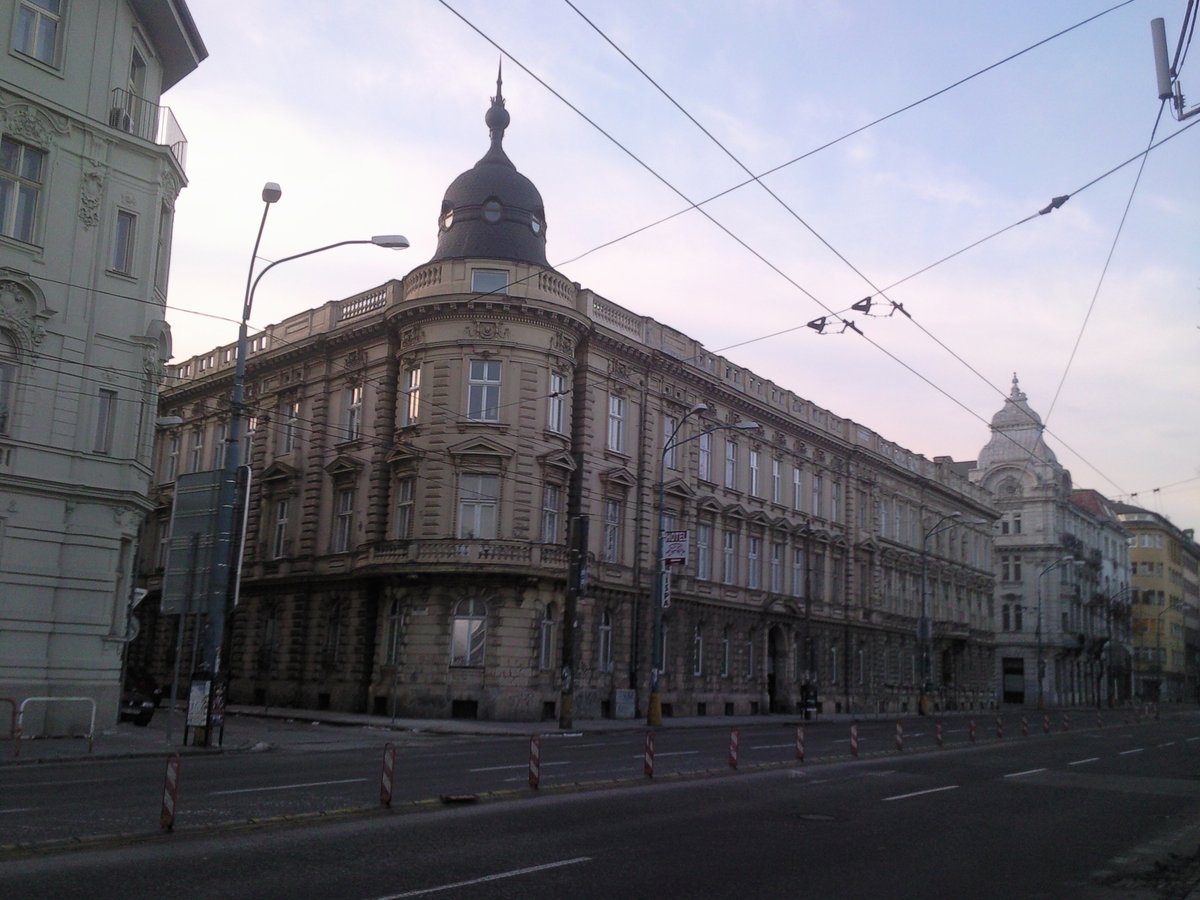
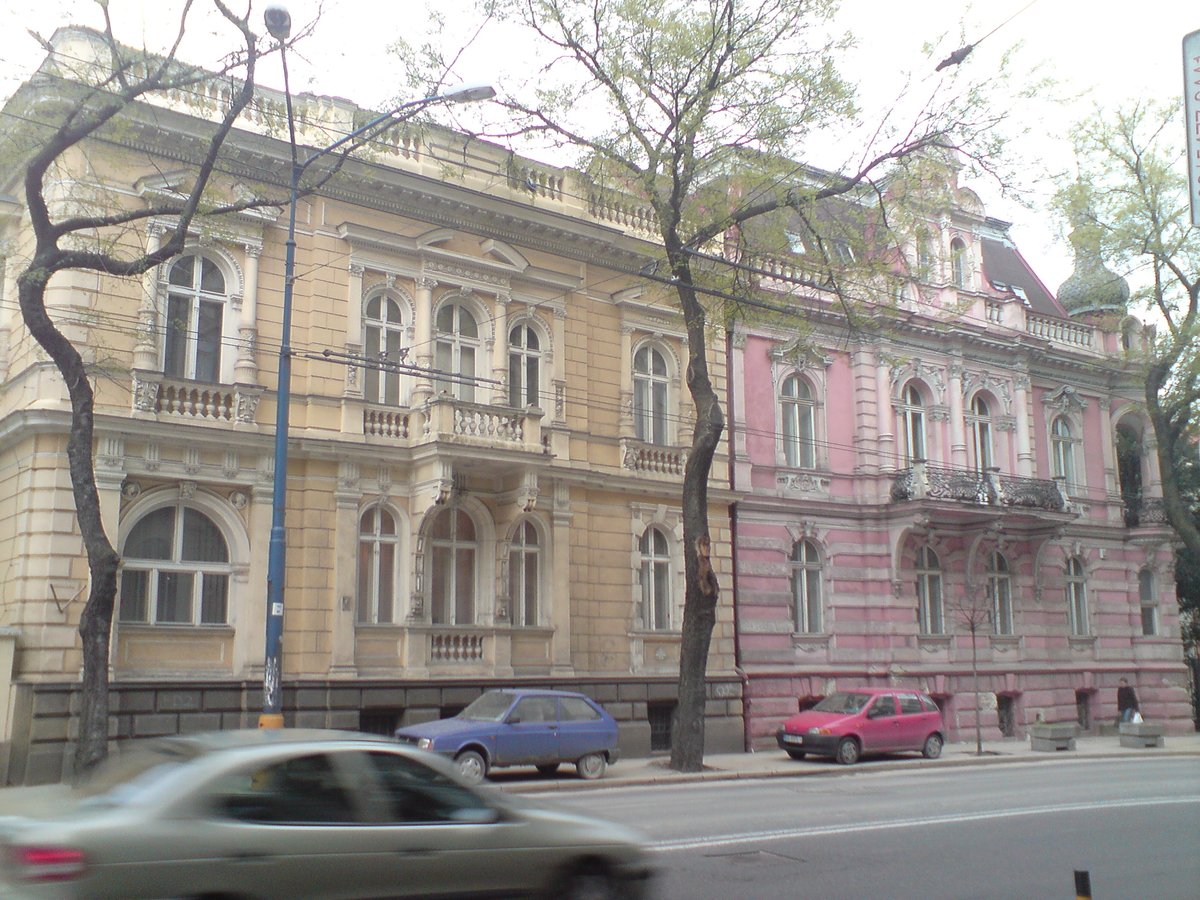
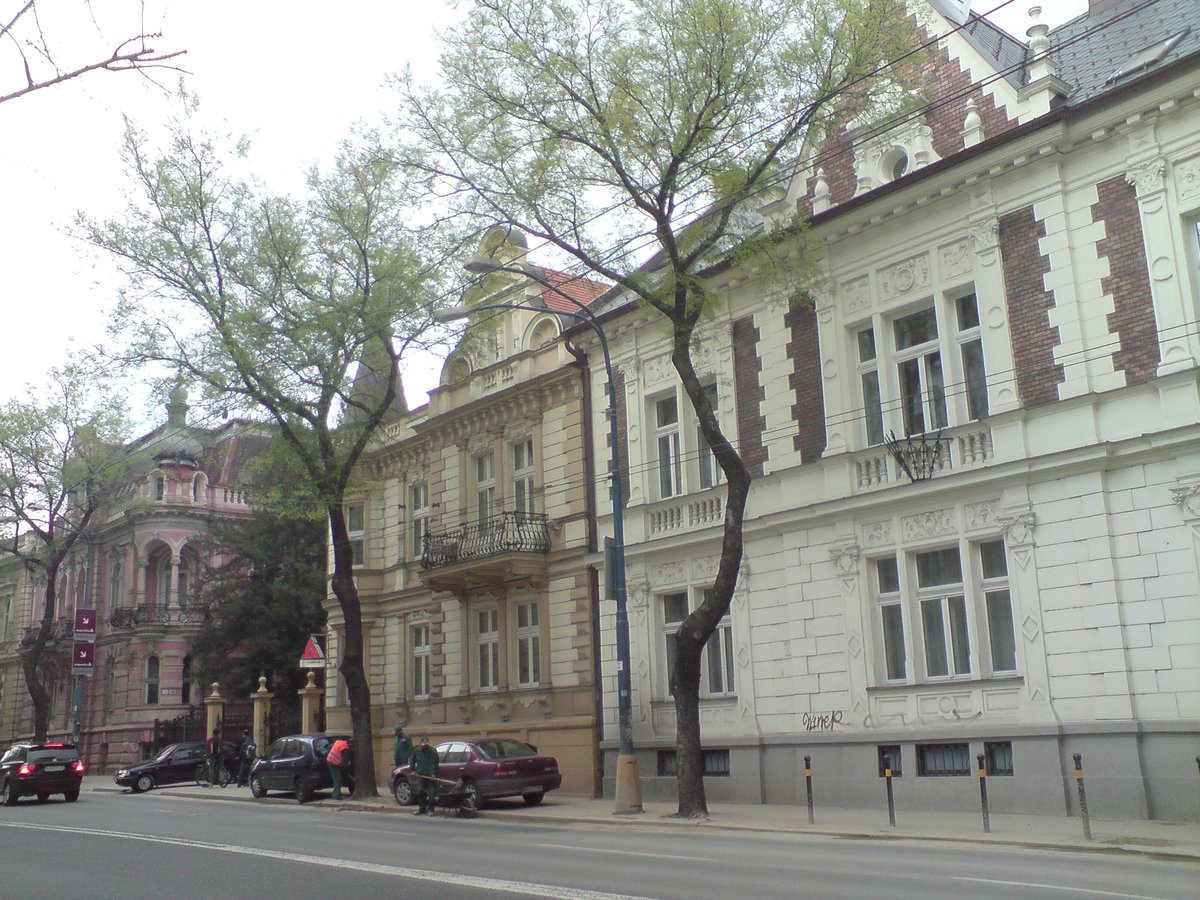
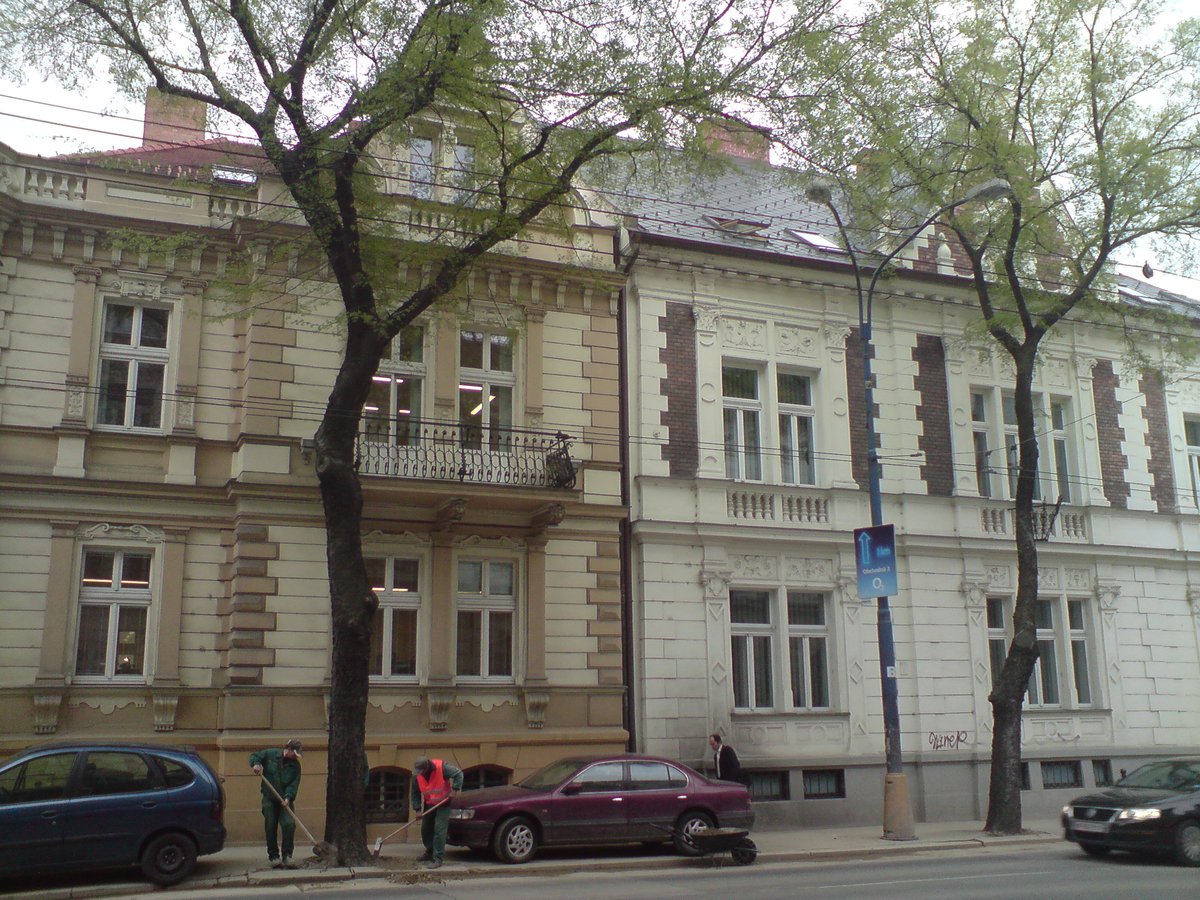
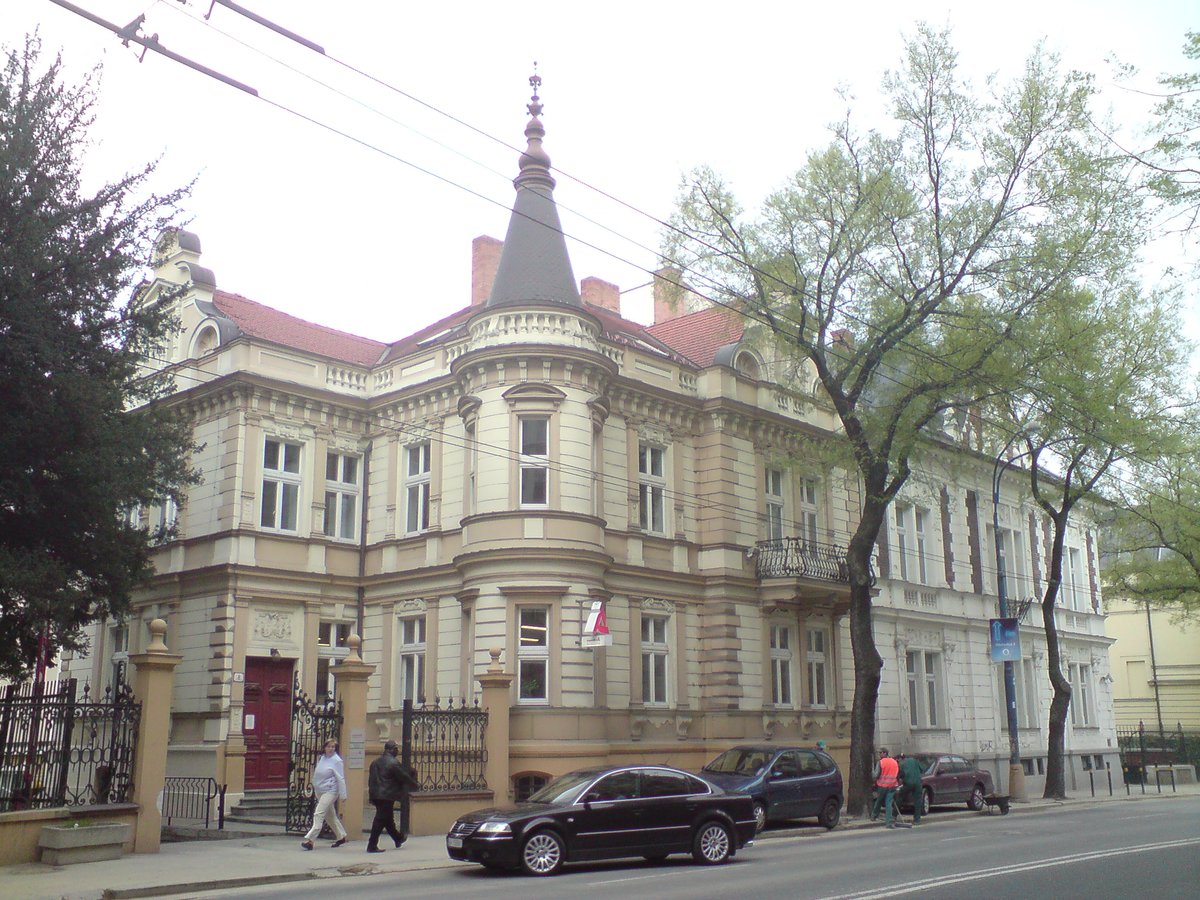
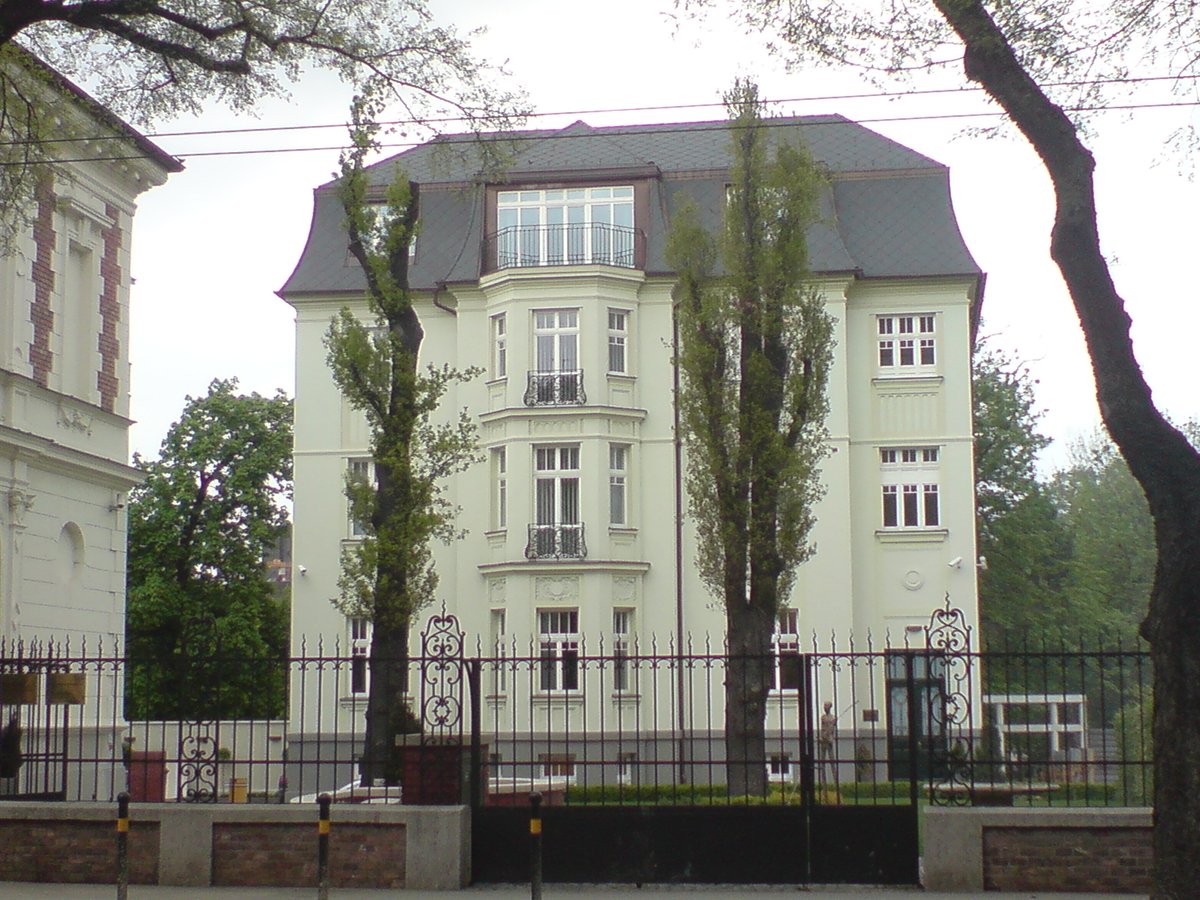
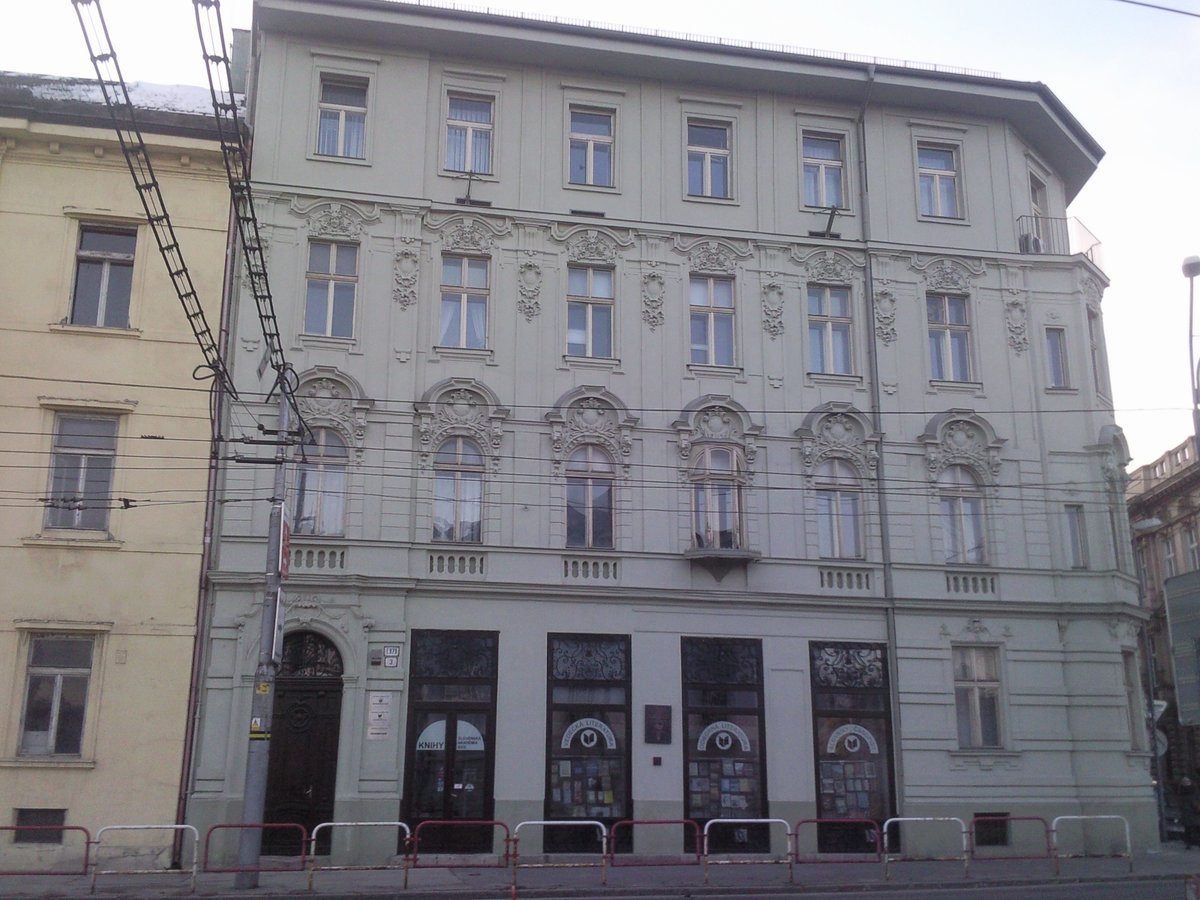
Štefánikova Street is an open-air gallery of architectural styles, reflecting Bratislava’s dynamic history. The street features a harmonious mix of historicist, eclectic, Art Nouveau, and early modernist designs. Renowned architects and builders such as Kittler and Gratzl, Alexander Feigler, and Jan Víšek contributed to its distinctive character.
Key architectural landmarks include:
- Grassalkovich Palace (Presidential Palace) A Rococo masterpiece built in 1760, serving as the official residence of the President of Slovakia.
- Pisztory Palace A Neo-Renaissance gem from the late 19th century, now a vibrant cultural venue.
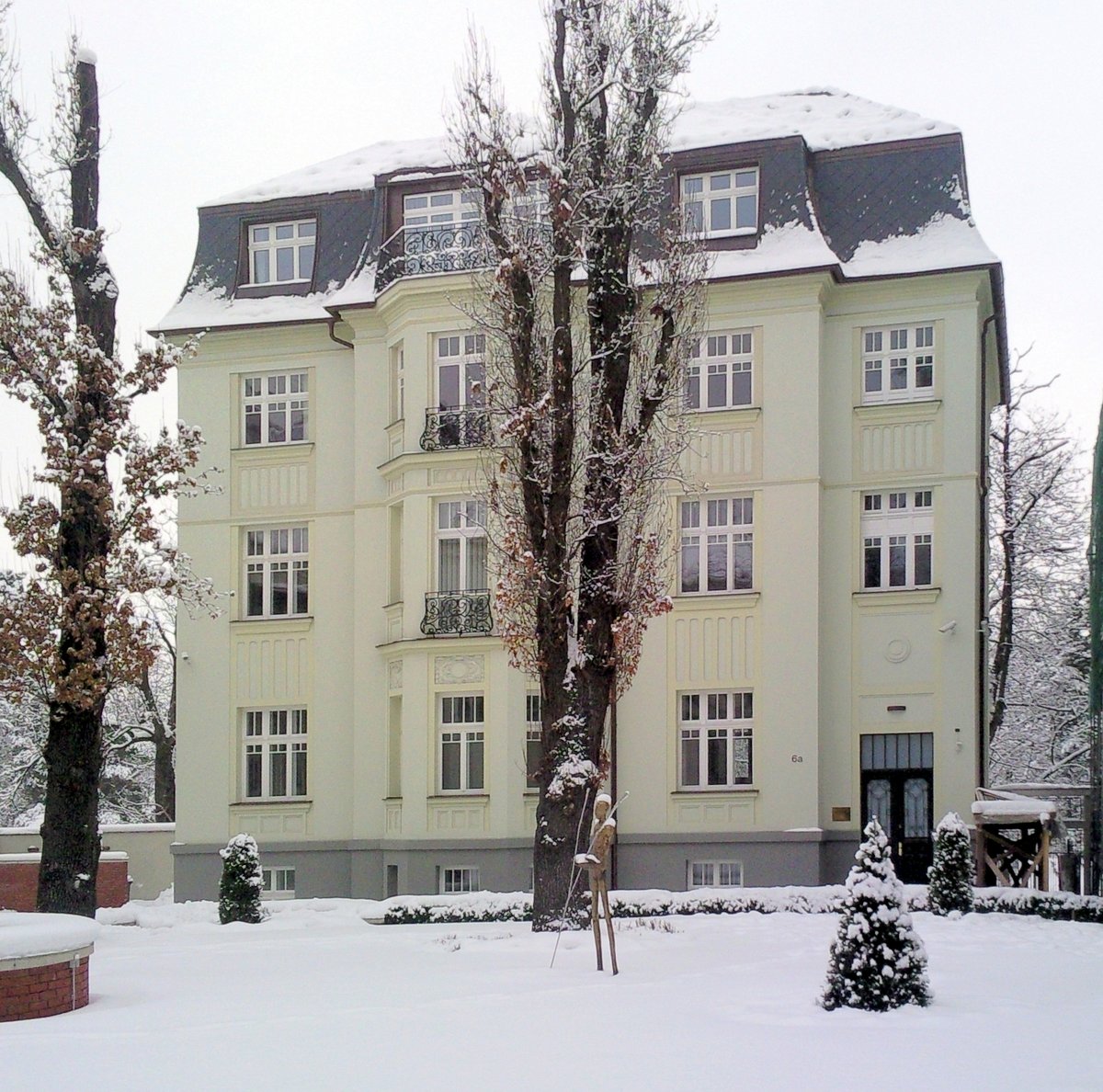
- Stefanium Building An example of “functional luxury,” perfectly integrating modern amenities with its historical façade (Stefanium.sk).
- Štefánka Café Designed by Feigler in the late 19th century, this café remains a social hub with a cosmopolitan flair.
Many of these buildings are protected as cultural heritage sites, ensuring their architectural integrity is preserved for future generations (Euroguidance.sk).
Political Symbolism and Name Changes
Štefánikova Street’s identity has shifted alongside the city’s political landscape. Its various names over the centuries reflect the broader historical context:
- 1701–1885 Märzel Gasse
- 1885–1921 Štefániina Road (after Belgian Princess Stephanie)
- 1921–1950 Štefánikova Street (honoring M. R. Štefánik)
- 1950–1968 Obrancov Mieru Street (Defenders of Peace)
- 1968–1973 Štefánikova Street
- 1973–1990 Obrancov Mieru Street
- 1990–present Štefánikova Street
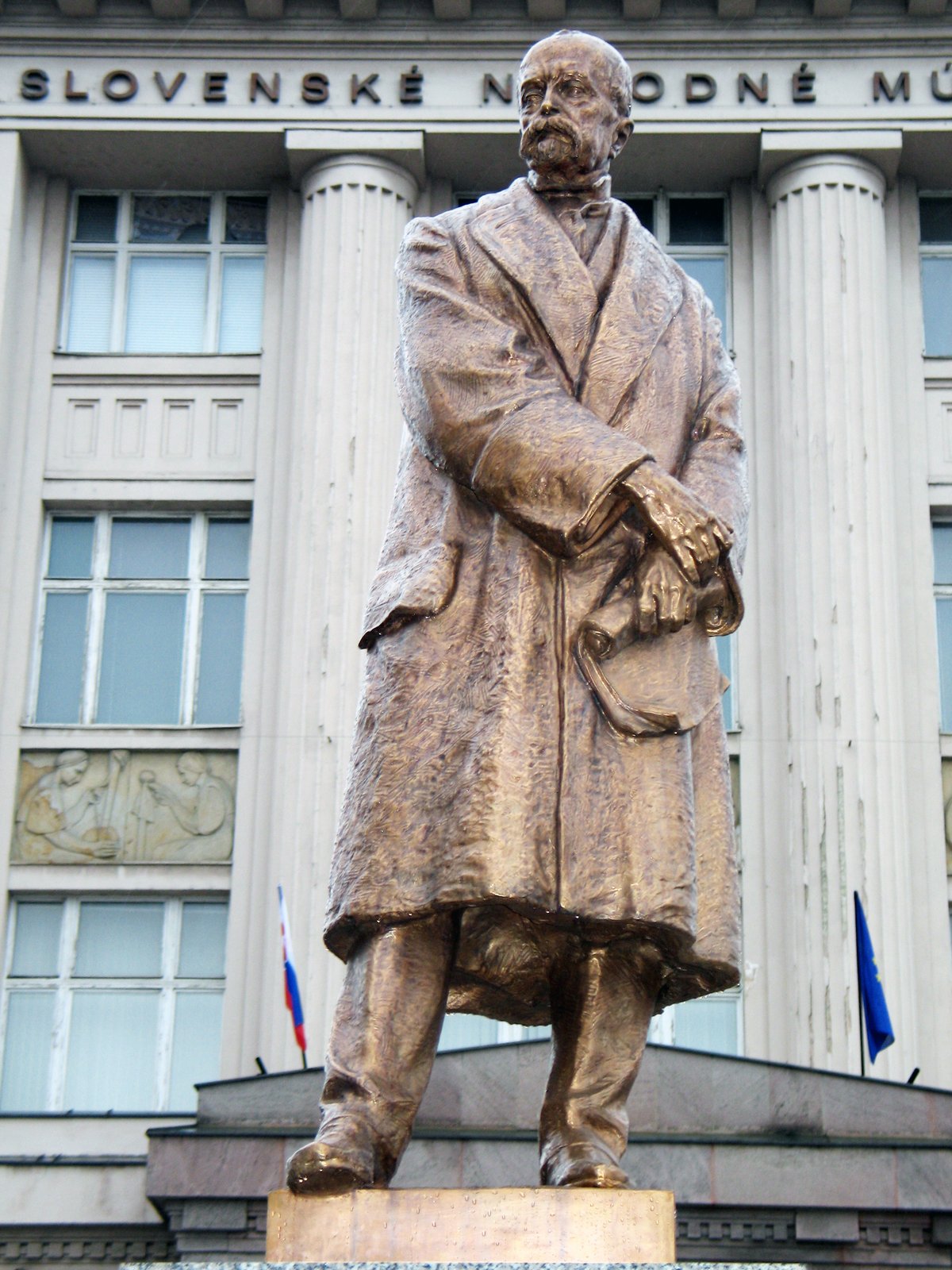
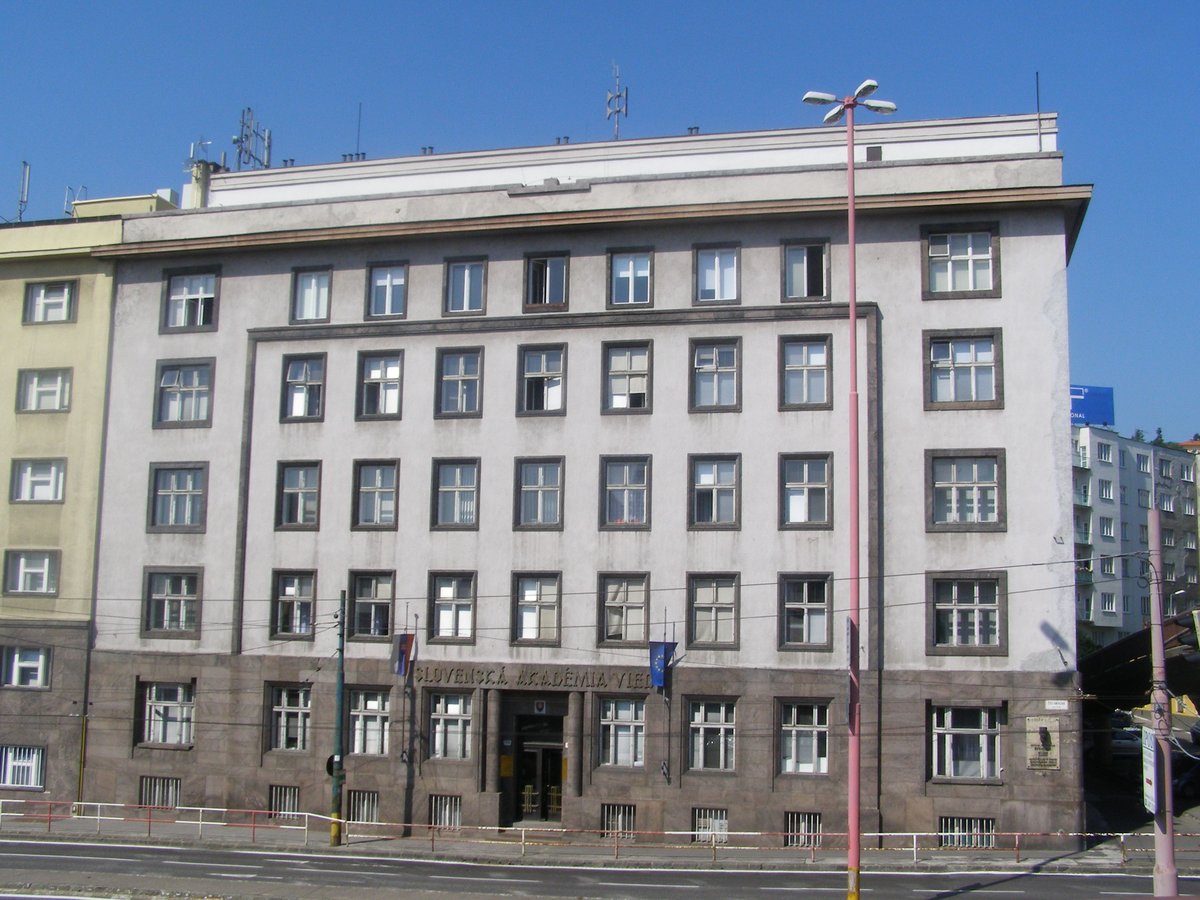
A bust of Milan Rastislav Štefánik on the Slovak Academy of Sciences building commemorates the street’s namesake and its ongoing national significance (Spectator.sk).
Key Landmarks: Hours, Tickets, and Access
Grassalkovich Palace (Presidential Palace)
- Gardens Open daily, typically 8:00 AM–8:00 PM (subject to reconstruction and seasonal changes).
- Interior Not regularly open to the public; open only during national holidays or special events.
- Entry Free for gardens; guided tours available during select occasions (Visit Bratislava).
Pisztory Palace
- Address Štefánikova 25
- Hours Open during exhibitions and events, generally 10:00 AM–6:00 PM. Check event listings for details.
- Tickets Many events are free; some may require tickets (Euroguidance.sk).
Stefanium Building
- Address Štefánikova 6
- Access Primarily office space; tours may be available by appointment (Stefanium.sk).
Štefánka Café
- Location Intersection of Štefánikova and Palisády streets
- Hours Daily 8:00 AM–8:00 PM
- Entry No ticket required; reservations recommended during busy times.
Slavín Memorial
- Proximity Short walk from Štefánikova Street
- Hours 9:00 AM–6:00 PM
- Entry Free
Cultural and Social Life
Štefánikova Street has been a center for Bratislava’s political, intellectual, and social life for over a century. Historic cafés like Štefánka attracted writers, artists, and politicians, fostering a vibrant café culture that continues today. The street also hosts embassies, governmental offices, and cultural institutions, making it one of the most prestigious addresses in the city (Spectator.sk).
Visitor Information and Travel Tips
- Getting There Štefánikova Street is easily reached from Bratislava’s main train station (Hlavná stanica) by foot (10–15 minutes) or public transport (buses and trolleybuses to Hodžovo námestie).
- Best Time to Visit Spring and summer offer the most pleasant conditions for walking and enjoying the outdoor atmosphere. Early mornings or weekdays are quieter.
- Safety Bratislava is considered safe. Exercise usual caution, especially in crowded areas (DavesTravelPages.com).
- Dining & Accommodation The area features popular cafés (e.g., Štefánka), restaurants, and hotels such as LOFT Hotel Bratislava.
- Photography The street’s facades and public gardens provide excellent photo opportunities, especially during golden hour.
Nearby Attractions
- Old Town Bratislava’s historic core, accessible by a short walk from Štefánikova Street.
- Bratislava Castle Offers panoramic city views and historical exhibits.
- Slovak National Gallery Nearby for art enthusiasts.
- Obchodná Street Popular shopping and dining area.
Accessibility
- Sidewalks Broad and equipped with ramps for wheelchairs and strollers.
- Buildings Most public landmarks are partially or fully accessible; check specific sites for details.
- Transport Major bus and trolleybus stops at Hodžovo námestie and SAV.
Frequently Asked Questions (FAQ)
Q: What are the visiting hours for Štefánikova Street?
A: The street is open 24/7; access to specific landmarks depends on their hours.
Q: Is there an entrance fee?
A: Walking the street is free. Some events or exhibitions at venues like Pisztory Palace may have a fee.
Q: Are guided tours available?
A: Yes, via local tour operators and occasionally at cultural institutions along the street.
Q: How do I get there from the airport?
A: By taxi or public transport (bus to the main train station, then walk or connect via local buses).
Q: Are the gardens of the Presidential Palace open?
A: Yes, generally — but confirm current hours due to possible reconstruction or events.