1. Historical Evolution of Mlynarovičova Street
Naming and Origins
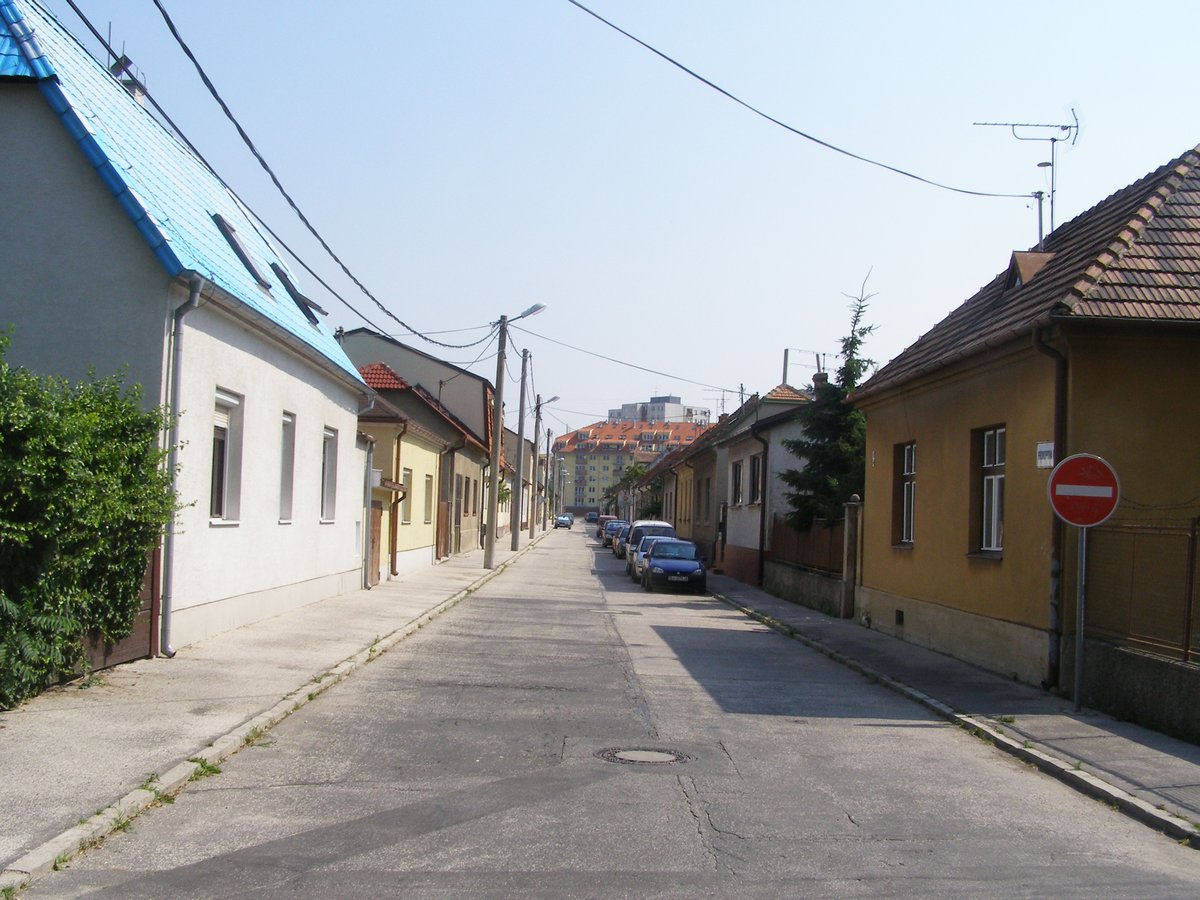
Mlynarovičova Street is named after Miloš Klement Mlynarovič (1887–1971), a prominent Slovak writer, reflecting the tradition of honoring national figures in Bratislava’s toponymy. Previously known as Mehringova (after the German philosopher Franz Mehring), the street was renamed in 1991, symbolizing Slovakia’s post-communist efforts to foreground national identity in public spaces (Wikipedia).
Urban Development and Architectural Context
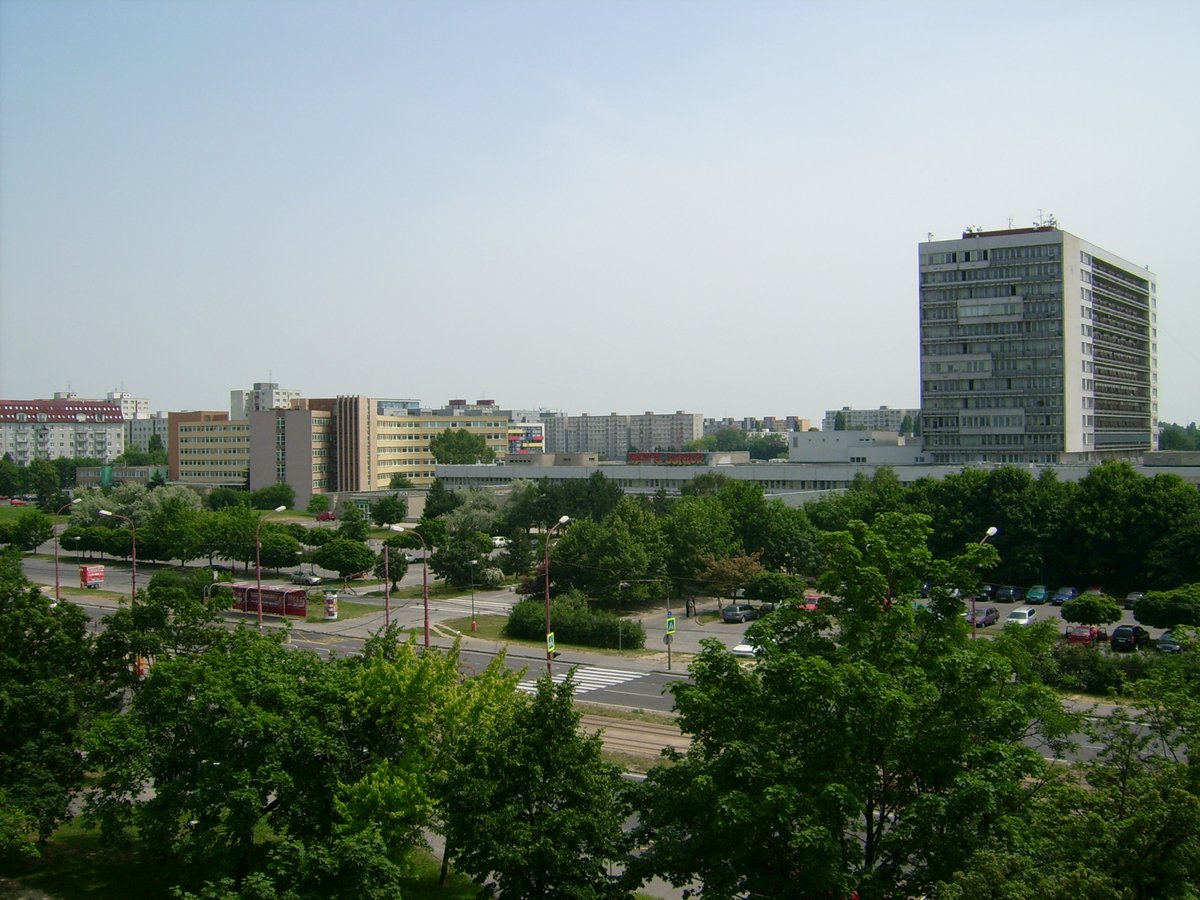
Petržalka, once a rural area on the right bank of the Danube, was incorporated into Bratislava in 1946. Its transformation began in the 1970s–80s, when rapid urbanization led to the construction of massive prefabricated panelák housing estates. Mlynarovičova Street, built during this period, epitomizes the rationalist planning of the era: wide boulevards, green courtyards, and a focus on community amenities (OMA.sk).
Panelák buildings—8 to 12 stories tall—define the street's skyline. While initially criticized for monotony, many have since been renovated and are now recognized for their historical and cultural value. Today, Mlynarovičova stands as a symbol of both the challenges and achievements of socialist urbanism.
2. Mlynarovičova’s Role in Community Life
Local Markets and Green Spaces
A central feature is the Mlynarovičova Market (Petrzalka.sk), open daily with over 40 stalls selling fresh produce, flowers, and local specialties. The market not only serves as a shopping destination but also hosts cultural events and seasonal festivals, making it a lively meeting point for residents and visitors alike.
Green spaces are integral to the area’s design. Courtyards, playgrounds, and the nearby Chorvátske rameno (a branch of the Danube) offer recreational opportunities, enhancing the quality of life and providing scenic spots for relaxation and photography (OMA.sk).
3. Visiting Hours, Tickets, and Accessibility
- Mlynarovičova Street Open 24/7, as a public area. No tickets required.
- Mlynarovičova Market Open daily, typically 7:00 AM – 6:00 PM, including Sundays (Petrzalka.sk).
- Nearby Attractions Schedules and ticket prices vary; check individual sites for details.
Accessibility:
Mlynarovičova and its market are accessible for visitors with mobility needs, featuring ramps and smooth pathways. Public transport stops nearby are equipped for wheelchair users.
4. Getting There: Transportation Options
Public Transport
Mlynarovičova is well-connected to Bratislava’s city center by multiple bus and tram lines:
- Buses Lines 196, 84, 96, 99, 83, 88, 92, 95, 68, 192, and night buses N80, N99, N95. Closest stop: “Mlynarovičova (X)” (Moovit Bratislava).
- Trams Line 3 stops at Sad Janka Kráľa, about a 10–15 minute walk away.
Tickets:
A 30-minute ticket costs approx. €1.10, 60-minute ticket €1.60. Tickets are valid on all city transport and can be bought at kiosks, machines, or via mobile apps.
Cycling and Walking:
Dedicated bike lanes and wide pedestrian paths make the area easily navigable on foot or by bicycle.
5. Nearby Attractions and What to See
Parks and Green Areas
- Sad Janka Kráľa Park One of Central Europe’s oldest public parks, ideal for walks, picnics, and summer events. Free entry, open dawn to dusk (Bratislava Guide).
- Chorvátske rameno Popular for jogging, cycling, and birdwatching.
Architecture and Urban Landmarks
- Panelák Buildings Emblematic of Bratislava’s late-20th-century development.
- Most SNP (UFO Bridge) Observation deck open daily, tickets from ~€7, offers panoramic views (Havok Journal).
Markets and Local Life
- Petržalka Market Experience authentic local life and Slovak cuisine (Pelago).
Easy Access to Old Town
- Bratislava’s Old Town Accessible by tram or bus, featuring Bratislava Castle, Michael’s Gate, Main Square, and more (Rambling Adventurista).
Family and Cultural Activities
- Aupark Shopping Center Shopping, dining, cinema (Hikersbay).
- Slovak National Gallery, City Gallery, and National Theatre Accessible via public transport (Havok Journal).
Day Trips
- Devin Castle Historic ruins and hiking trails, easily reached by public transport (33 Travel Tips).
6. Practical Visitor Tips and FAQs
Tips
- Transport Use mobile apps like Moovit for real-time schedules and route planning.
- Language English is common in tourist areas; basic Slovak greetings are appreciated (Pelago).
- Safety Petržalka is safe—usual urban precautions apply (Pelago).
- Best Time to Visit March to October offers mild weather and vibrant events (Travel Melodies).
- Tipping 5–10% in restaurants is standard.
- Wi-Fi Widely available in cafés and public spaces.
Frequently Asked Questions
Q: Are tickets required to visit Mlynarovičova?
A: No, it is a public street with free access.
Q: What are the visiting hours for the market?
A: Open daily, 7:00 AM–6:00 PM.
Q: Is the area accessible for wheelchairs?
A: Yes, with ramps and accessible public transport stops.
Q: How do I reach Old Town from Mlynarovičova?
A: By tram, bus, or a riverside walk across the Old Bridge.
Q: Are there guided tours?
A: Yes, such as the “Veins of Petržalka” audio tour (Eventbrite).