
Discover Polereckého Street: History and Modern Life
Historical Background
Polereckého Street, officially established on April 1, 1991, emerged from the administrative reorganization of Petržalka following the Velvet Revolution. The street’s name commemorates Major Ján Ladislav Polerecký (1748–1830), a Slovak-born officer who served under George Washington during the American War of Independence. This naming marks the district’s post-communist embrace of local and international heritage (Wikiwand - Polereckého ulica).
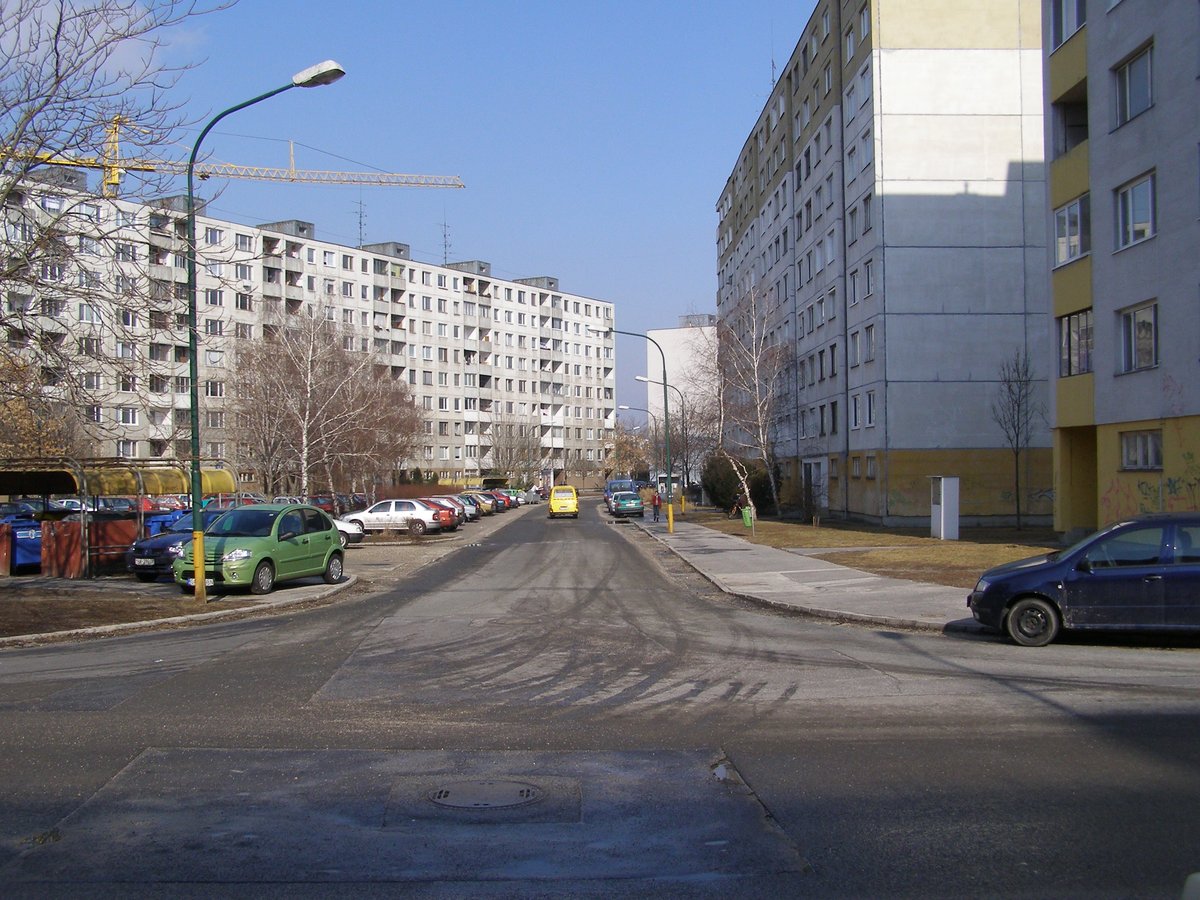
Petržalka itself transitioned from a rural village, historically known as Engerau (first mentioned in 1225), to a sprawling urban district after its incorporation into Bratislava in 1946. The construction of signature paneláky during the socialist era shaped the area’s contemporary character, while ongoing revitalization projects continue to redefine its identity (Bratislava City History).
Cultural Significance and Community Life
Polereckého embodies the lived experiences of Bratislava’s residents. While not a tourist hotspot, it reflects the city’s multicultural evolution and social fabric. The area regularly hosts community events—particularly during the Bratislava Cultural Summer—and supports local institutions such as the “Dom tretieho veku” retirement home at Polereckého 2. These activities cultivate a strong sense of place and belonging.
Visitor Information: Hours, Tickets, and Accessibility
Visiting Hours and Tickets
- Polereckého Street Open to the public year-round; no tickets or set visiting hours are required.
- Nearby Attractions
- Sad Janka Kráľa Park Open year-round, free entrance (Touropia).
- Bratislava Castle Usually open April–October, 9:00–18:00; November–March, 10:00–16:00 (closed Mondays). Entry is ticketed.
- Old Town Museums Standard museum hours, with ticketed entry (Visit Bratislava).
Getting There and Getting Around
- Public Transport Bus lines 68, 96, 99, and 196 connect Polereckého with central Bratislava and surrounding areas (Visit Bratislava).
- Cycling/Walking Dedicated paths make the area accessible and pleasant to explore on foot or by bike.
- Accessibility Paved sidewalks and public transit options ensure good accessibility, though some older buildings may be less adapted for mobility challenges.
Safety and Etiquette
- The Petržalka district is considered safe for visitors.
- Maintain quiet in residential zones, especially evenings.
- Dispose of litter properly and respect local customs.
- Pickpocketing is rare, but remain vigilant in crowded public spaces (Dave’s Travel Pages).
Local Amenities and Experiences
Dining and Shopping
- Local markets and nearby eateries serve traditional Slovak fare such as bryndzové halušky.
- For a wider dining selection, visit the Eurovea Waterfront or city center.
Community Facilities
- Polereckého features playgrounds, sports fields, and green spaces.
- Community centers and retirement homes foster intergenerational events and social gatherings.
Seasonal Events
- Annual festivals like Bratislava City Days, Christmas markets, and summer concerts highlight the area’s community spirit (MexicoHistorico).
Architectural and Urban Development Insights
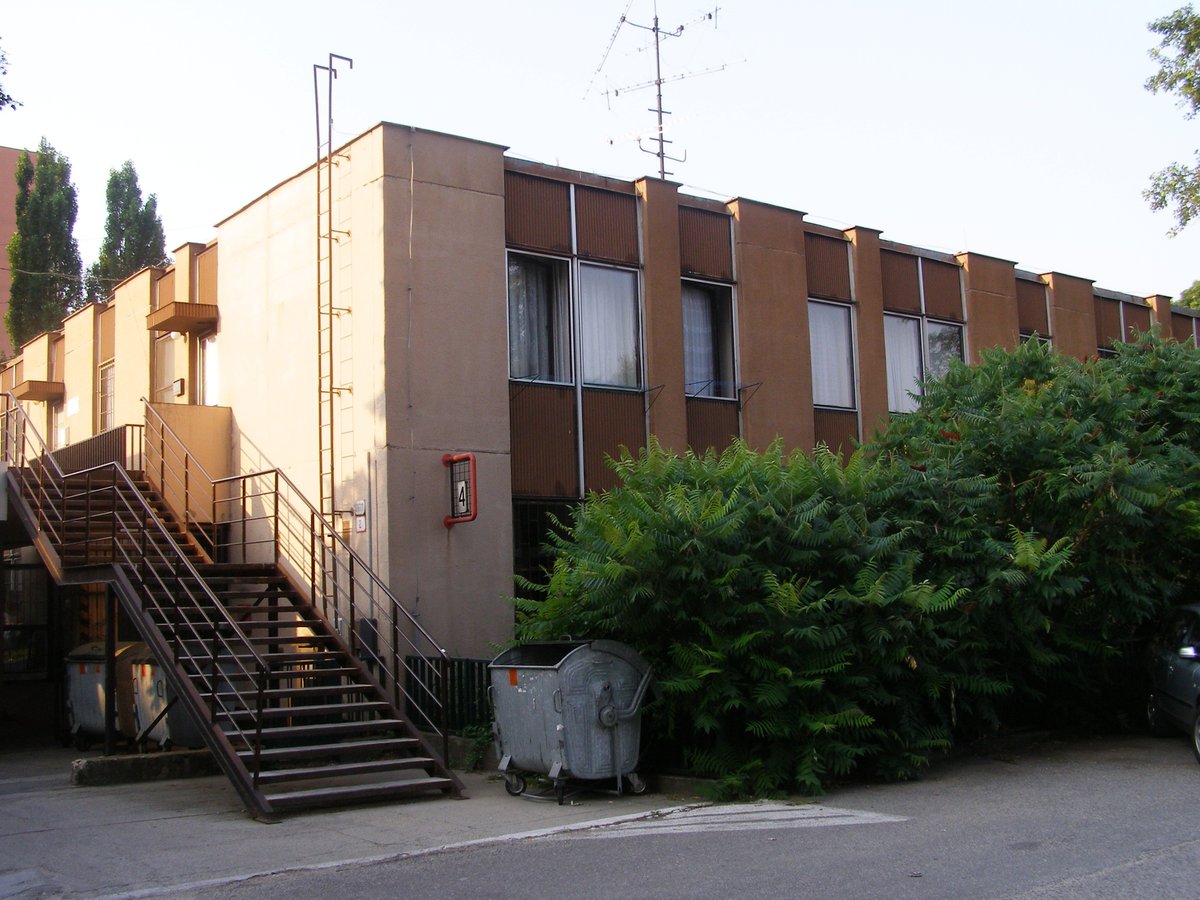
Polereckého is a showcase of post-war functionalist architecture, with its paneláky set amidst revitalized parks and gardens. Recent urban renewal projects have introduced public art and upgraded green spaces, reflecting Bratislava’s ongoing commitment to livability and modernization (Platformspace: Post-Communist Urbanity).
Frequently Asked Questions (FAQ)
Q: Is Polereckého open to visitors, and are there any entrance fees?
A: Yes, it is a public street with free and unrestricted access.
Q: How can I reach Polereckého?
A: Use city buses (68, 96, 99, 196) or walk/cycle from nearby districts.
Q: Are there guided tours available?
A: Official guided tours focus on Petržalka or Bratislava’s broader history; inquire at local cultural centers.
Q: What nearby sites require tickets or have specific visiting hours?
A: Bratislava Castle, Old Town museums, and select parks have posted hours and ticket requirements.
Practical Tips for Visitors
- Currency Slovakia uses the euro (€); cards are widely accepted, but small cash is handy for markets.
- Language Slovak is official; English is common in tourist areas.
- Weather Summer temperatures average 20–28°C; bring light clothing and a rain jacket.
- Connectivity Free Wi-Fi is available in cafes and many public spaces.
- Tipping Rounding up or leaving 5–10% is appreciated.
Sustainable and Responsible Tourism
Support local businesses, use public transport, recycle waste, and respect residential neighborhoods. Many local cafes and restaurants prioritize sustainable, locally sourced food.
Emergency Contacts and Useful Numbers
- General Emergency 112
- Police 158
- Ambulance 155
- Fire Brigade 150
- Bratislava Tourist Information +421 2 16 186 (visitbratislava.com)
Summary
Polereckého Street stands as a dynamic part of Bratislava’s urban identity, blending everyday residential life with rich historical context. Its accessibility, proximity to major attractions, and vibrant community events make it an excellent starting point for exploring the city’s multifaceted character. Whether you’re interested in urban history, local culture, or simply enjoying Bratislava beyond the tourist trail, Polereckého offers an authentic and meaningful experience.
Internal Links
- Explore Bratislava Old Town Walking Tour
- Discover Petržalka’s Urban Renewal Projects
- Guide to Public Transport in Bratislava
- Polereckého street view, Bratislava (alt: "Polereckého Street with socialist-era buildings and greenery")
- Sad Janka Kráľa Park near Polereckého (alt: "Historic park with trees and walking paths in Petržalka")
- Local market in Petržalka showcasing Slovak produce (alt: "Market stalls with fresh produce in Petržalka, Bratislava")
- Community event in Polereckého neighborhood (alt: "Outdoor community festival in Bratislava’s Petržalka district")