
Medieval Origins and Development
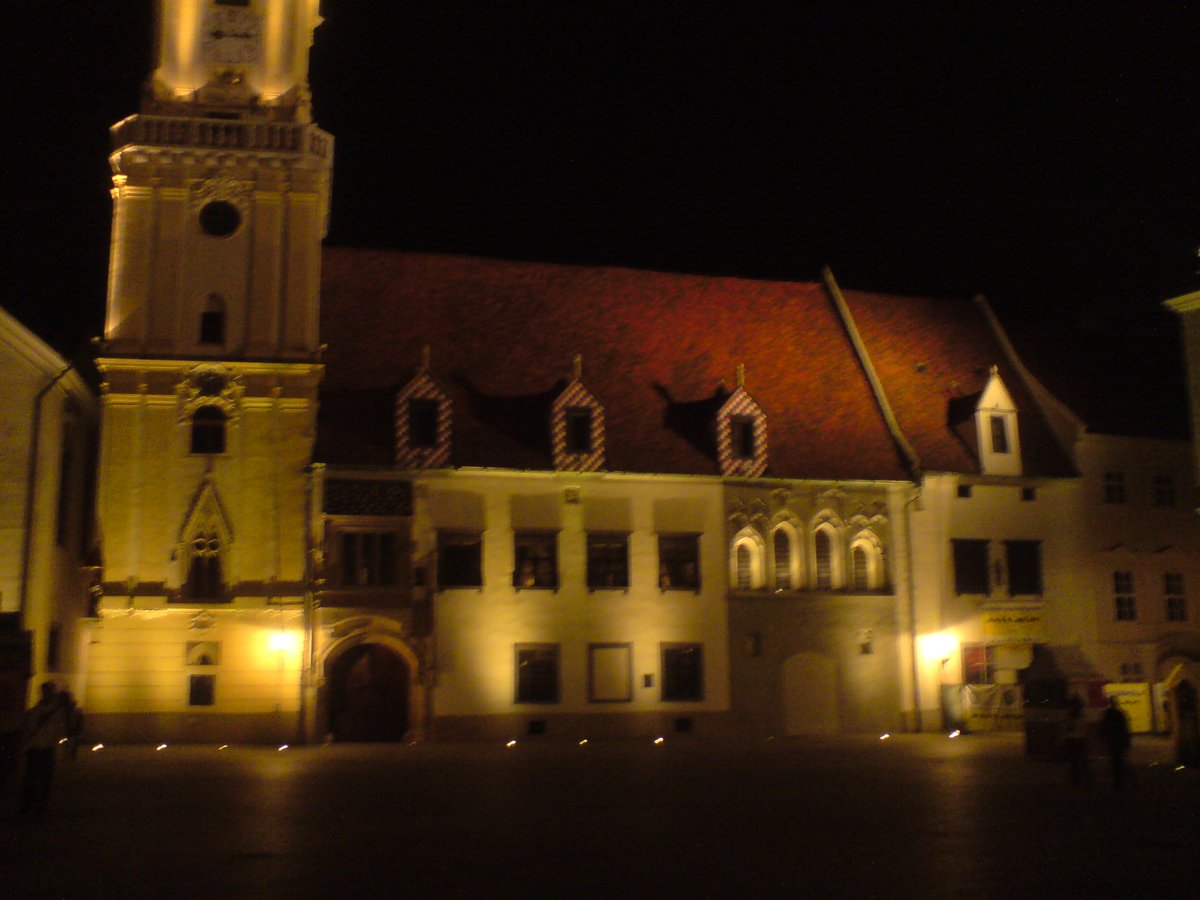
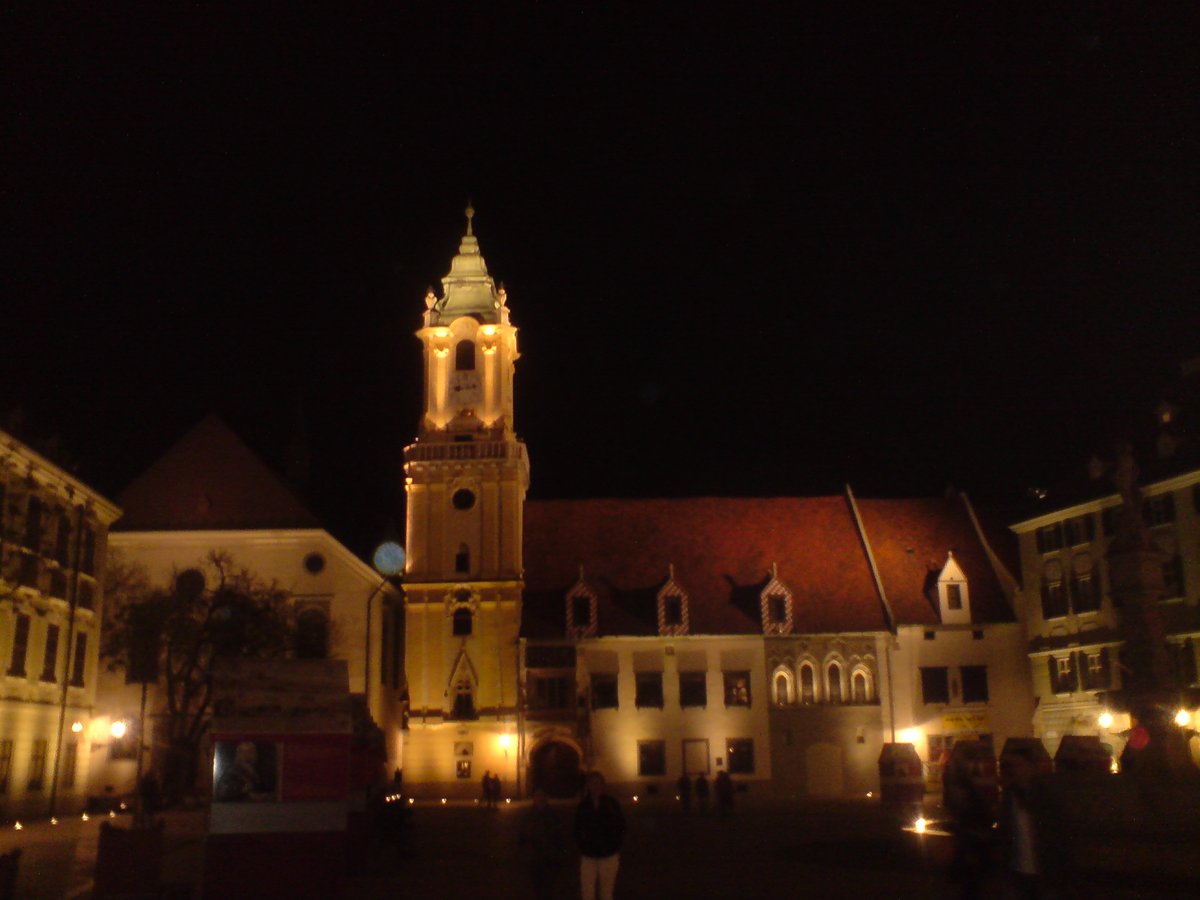
The Old Town Hall began as a Gothic merchant’s house in the 13th century, acquired by the city after Pressburg (now Bratislava) was granted town privileges. The complex grew as adjacent burgher houses—such as Pawer’s House and Unger’s House—were incorporated, resulting in a unique blend of architectural elements (Strasse der Kaiser und Könige).
Civic and Political Role
By the 14th and 15th centuries, the Old Town Hall was firmly established as the seat of city administration, housing the council, courtrooms, and a prison. Its tower, completed in the 15th century, became a symbol of municipal power and a key feature of the city’s skyline (Muzeum Bratislava). The building witnessed pivotal moments, such as the Napoleonic siege of 1809, which left a cannonball embedded in its tower—a lasting symbol of Bratislava’s resilience.
Architectural Evolution and Restoration
Over centuries, the Old Town Hall evolved into a complex embodying Gothic origins, Renaissance arcades, Baroque facades, and later Neo-Renaissance and Gothic Revival details (Biveros, Old Town Explorer). Significant restorations in the 20th and 21st centuries revealed original medieval and Renaissance features, preserving the building’s layered history for visitors to explore.
Transformation into the Bratislava City Museum
Since 1868, the Old Town Hall has been home to the Bratislava City Museum, making it the oldest museum in the city. The museum’s exhibitions span centuries, covering the city’s governance, trade, culture, and daily life through artifacts, period furnishings, historical documents, and art (Muzeum Bratislava). Original council chambers, medieval dungeons, and ceremonial halls offer a rare glimpse into Bratislava’s urban history.
Visiting Information
Hours and Tickets
-
Visiting Hours (as of 2025)
- Tuesday–Friday: 10:00–17:00
- Saturday–Sunday: 11:00–18:00
- Closed on Mondays
- Final admission: 30 minutes before closing
- Hours may vary on holidays or during special events. Always check the Bratislava City Museum website for the latest updates.
-
Tickets
- Standard adult ticket €8 (includes museum and tower)
- Tower only €4
- Reduced (children 6–15, students, seniors) €4
- Family tickets 2 adults + up to 3 children: €18; 1 adult + up to 2 children: €10
- Bratislava Card holders Free entry to the tower once per card (Visit Bratislava Card)
- Tickets can be purchased on-site or online.
Accessibility
- The main exhibition areas are accessible.
- The tower is reachable only via stairs (about 89 steps); there is no elevator.
- Visitors with limited mobility can enjoy the ground floor exhibitions and the historical courtyard.
- Contact the museum in advance for specific accessibility inquiries.
Travel Tips
- The Old Town Hall is centrally located in a pedestrian-friendly zone, easily accessible by foot from most Old Town sites and nearby tram/bus stops (Welcome to Bratislava).
- Weekday mornings and late afternoons are quieter; weekends and festival seasons are busier.
- Restrooms and cloakroom facilities are available.
- English information is provided for most exhibits.
Highlights of the Old Town Hall Visit
Museum Exhibits
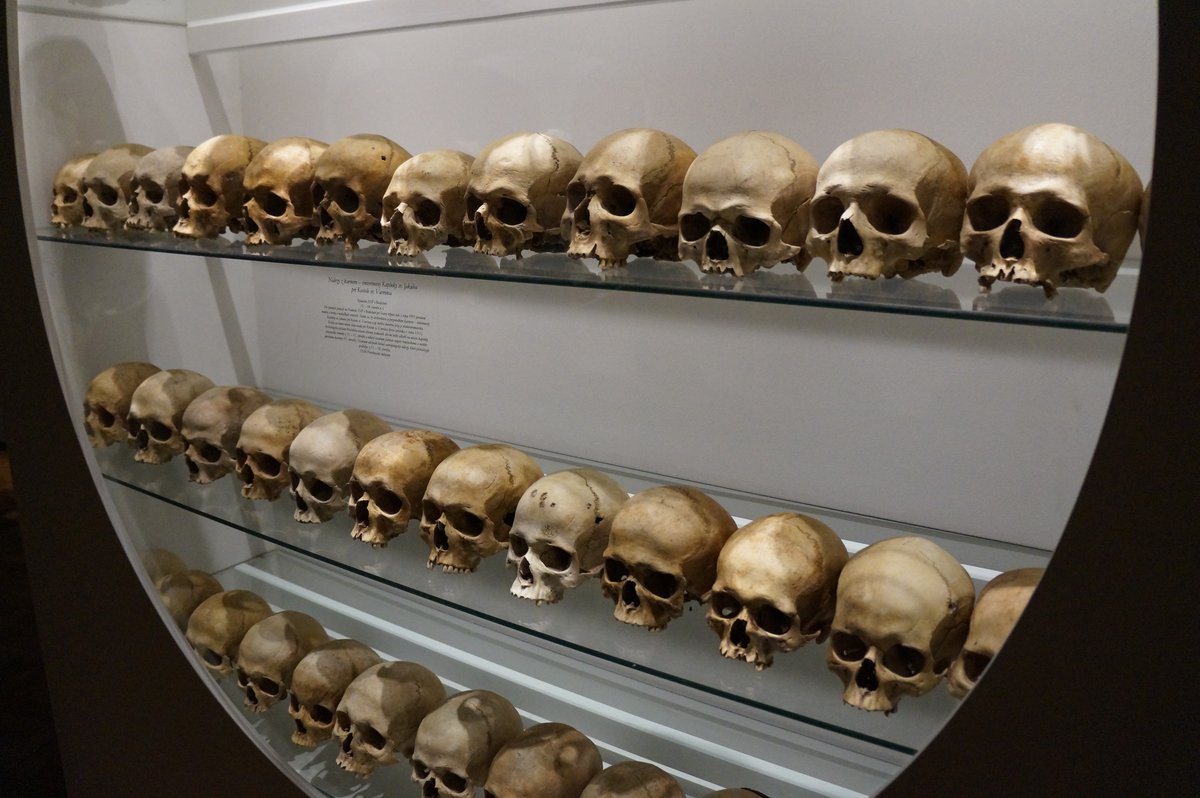
- Medieval Justice Original torture devices, court furnishings, and prison cells.
- City Governance Historical artifacts, tapestries, and period furniture from centuries of civic administration.
- Architectural Features Renaissance arcades, Baroque details, and the neo-Gothic chapel of St. Ladislav with 15th-century wall paintings.
- Special Exhibits Rotating exhibitions focused on Bratislava’s art, history, and local figures.
Tower Views
Climbing the tower is a highlight for many visitors. The walkway at the top offers 360-degree views over Bratislava’s Old Town, the Danube River, St. Martin’s Cathedral, and even Austria and Hungary on clear days. It is a favorite for photographers, particularly at sunset or during city festivals (Welcome to Bratislava).
Events and Seasonal Activities
- The inner courtyard hosts concerts, open-air performances, and festive events, particularly during summer and around Christmas.
- The Main Square outside frequently features local markets, street musicians, and evening illuminations.
Nearby Attractions
Located in the heart of the Old Town, the Old Town Hall is surrounded by notable Bratislava historical sites:
- Michael’s Gate The city’s only preserved medieval gate with additional panoramic views (Sansen Lee Vendiola).
- Primate’s Palace Renowned for its Hall of Mirrors and historical importance.
- Roland’s Fountain A focal point in the Main Square and a popular meeting spot.
- St. Martin’s Cathedral The city’s largest and most significant church.
Frequently Asked Questions (FAQ)
Q: What are the Old Town Hall Bratislava visiting hours?
A: Tuesday–Friday: 10:00–17:00; Saturday–Sunday: 11:00–18:00; closed Mondays. Check for seasonal changes.
Q: How much do tickets cost?
A: €8 for museum and tower; €4 for tower only; reductions for children, students, seniors, and families.
Q: Is the Old Town Hall accessible for visitors with disabilities?
A: Main exhibition areas offer access, but the tower is only reachable via stairs.
Q: Are guided tours available?
A: Occasionally, and many city walking tours include the Old Town Hall. Check the Bratislava City Museum website for the latest information.
Q: Can I take photos inside?
A: Yes, but flash photography may be restricted in some exhibits.
Summary and Recommendations
The Old Town Hall Bratislava is a compelling symbol of the city’s layered history, resilience, and cultural vibrancy. Its architecture, museum collections, and panoramic tower views make it a must-visit for anyone exploring Bratislava. Centrally located, it’s the perfect starting point for a walking tour of the Old Town’s historical sites. For the best experience, plan your visit during quieter hours, purchase tickets in advance, and explore official resources like the Bratislava City Museum.
For an enhanced visit, download the Audiala app for guided tours and keep up with cultural events on social media.