
Coronation Church and National Significance
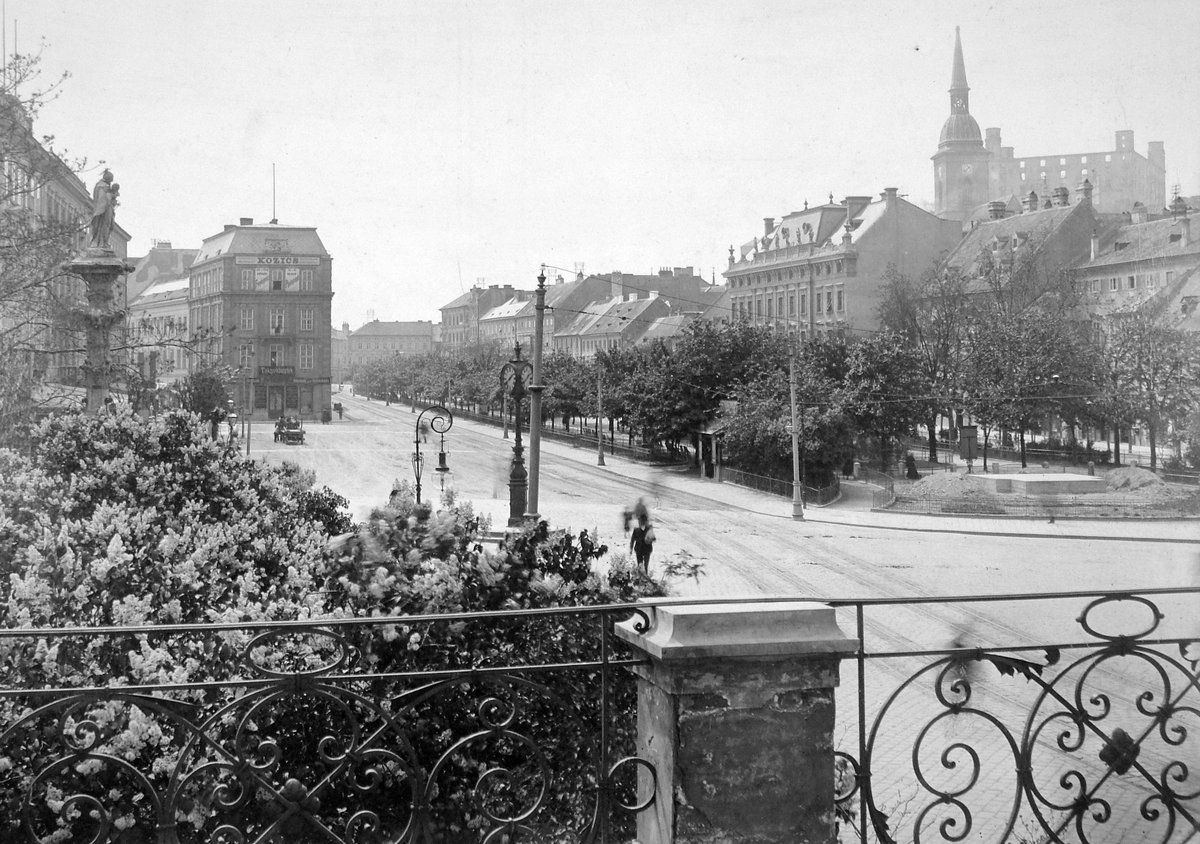
From 1563 to 1830, St. Martin’s Cathedral served as the official coronation church for the Kingdom of Hungary. After the Ottoman conquest of Székesfehérvár, Bratislava became the new coronation city. Eighteen Hungarian monarchs, including Maria Theresa, were crowned here. Ceremonies drew European nobility and are commemorated by gold crown markers throughout the Old Town and an annual reenactment each September (History Tools; Spotting History).
Religious and Cultural Importance
St. Martin’s Cathedral is the spiritual heart of Bratislava, serving as the seat of the Archdiocese and a vibrant parish. As Slovakia is predominantly Catholic, the cathedral hosts regular masses, diocesan events, and is the focus of many religious and cultural celebrations. Its treasury contains relics, vestments, and liturgical objects, reflecting centuries of faith and artistry. The cathedral’s role as a living religious center is matched by its place in national memory and urban identity (Visit Bratislava; Heart of Europe).
Visiting Information: Hours, Tickets & Accessibility
Location: Rudnayovo námestie 1, 811 01 Bratislava, Slovakia
Opening Hours (as of July 2025):
- Monday – Saturday: 9:00 AM – 11:30 AM & 1:00 PM – 4:00 PM
- Sunday: 1:30 PM – 4:00 PM
(Hours may vary during religious ceremonies or holidays. Always check the official website or Visit Bratislava for updates.)
Tickets:
- Standard entry: €2.5
- Free entry on Sundays and during regular mass times (sightseeing is discouraged during services)
- Special access (tower, catacombs) may require additional tickets or prior booking
(Spectator SME; Holidify)
Accessibility:
The main entrance is wheelchair accessible; however, some chapels and the tower are not due to steps and medieval construction. Contact the cathedral in advance for specific needs (Visit Bratislava).
Guided Tours:
Available in multiple languages, covering the cathedral’s history, chapels, and art. Book via the official website or local tourism offices.
What to See: Highlights and Artworks
- Main Nave Soaring Gothic vaults, measuring 69.4m long, 22.9m wide, 16m high
- Chapels Including the Gothic Chapel of Sophia of Bavaria, Chapel of St. Anne, Baroque Chapel of St. John the Merciful, and Canons’ Chapel
- Baroque Statue of St. Martin By Georg Raphael Donner, depicting the saint’s legendary act of charity
- Stained Glass & Frescoes Illuminating the interior with vibrant color
- Baptistery The cathedral’s oldest artifact (1410)
- Crown on the Spire 300-kg gilded replica of the Hungarian royal crown
- Catacombs Burial sites for prominent figures (access may be restricted)
- Organ New instrument (2010), used for liturgies and concerts
(dom.fara.sk; Spotting History)
Travel Tips and Nearby Attractions
- Best Time to Visit Early morning or late afternoon for a quieter experience
- Dress Code Modest clothing required; cover shoulders and knees
- Photography Non-flash photography generally allowed, but check for restrictions
- Facilities Gift shop on-site; public restrooms nearby in the Old Town
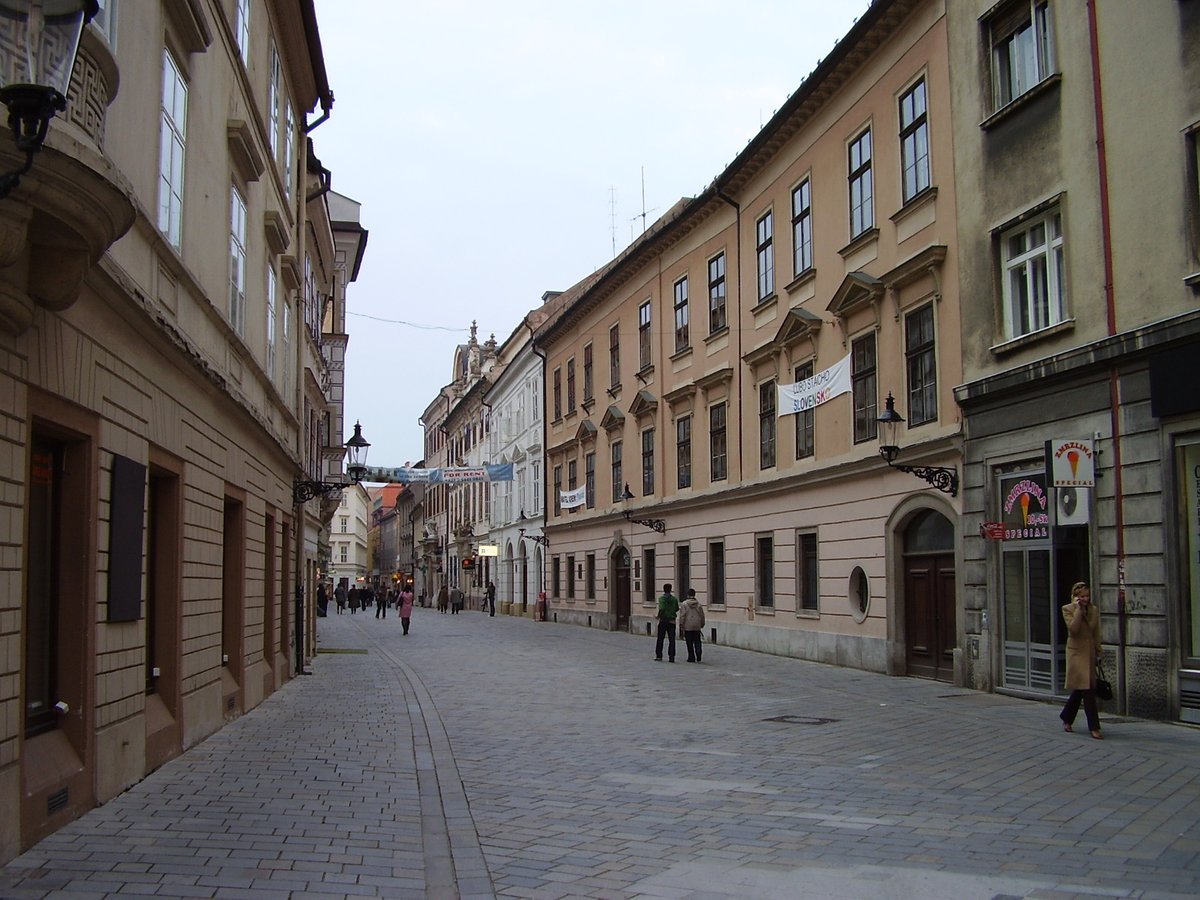
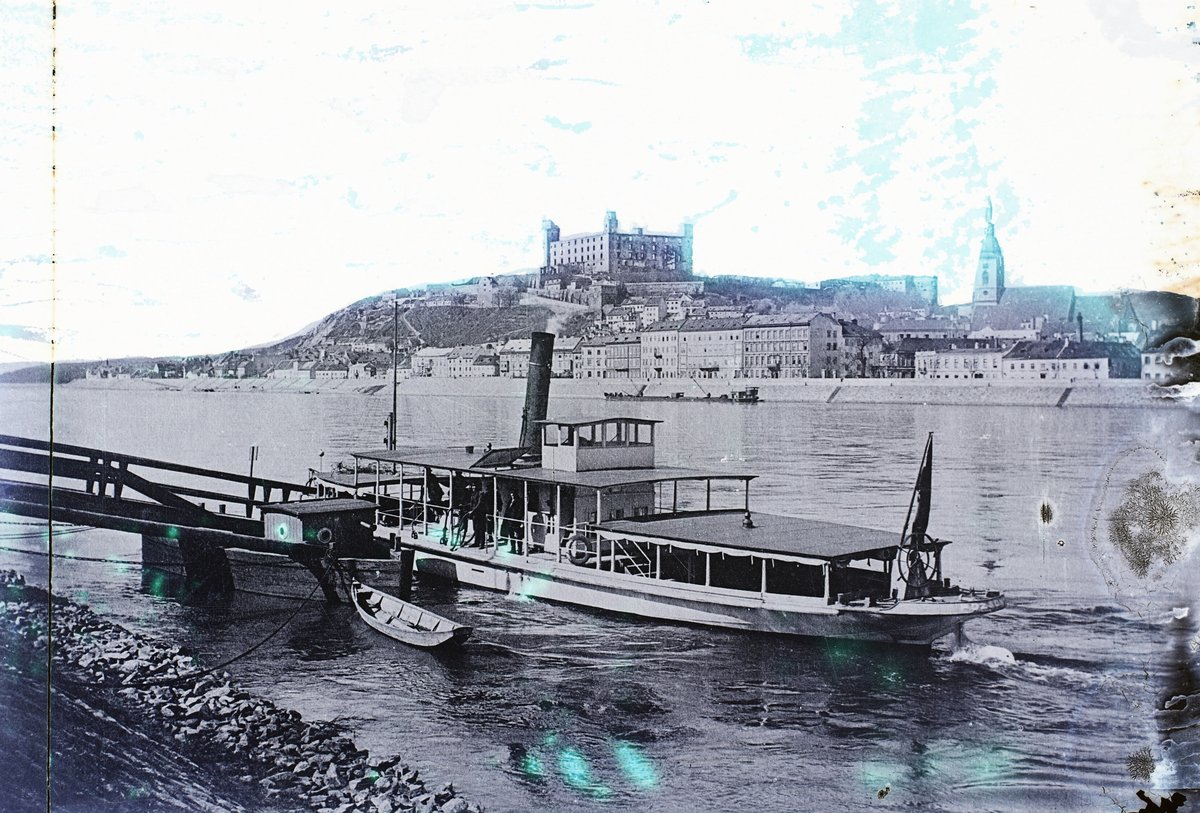
- Nearby Attractions Bratislava Castle, Michael’s Gate, Old Town Hall, Kapitulská Street, Danube promenade (Old Town Explorer)
- Events Annual Coronation Ceremony Reenactment in September; regular concerts and religious events
Frequently Asked Questions (FAQ)
Do I need to buy tickets in advance?
No, individual visitors do not need to pre-book. Groups or special tours may require prior arrangement.
Is the cathedral accessible for wheelchairs?
The main entrance is accessible, but some areas have steps. Contact staff for assistance.
Can I take photos inside?
Yes, but without flash and not during services.
Are guided tours available?
Yes, in several languages. Book via the official website or local tourist offices.
When is the best time to visit?
Early mornings or late afternoons, outside mass times, are least crowded.