Discover Lenardova: Bratislava’s Modern Urban Tapestry
Lenardova stands as a testament to Bratislava’s late-20th-century urban planning. While not a conventional tourist attraction, it provides a fascinating glimpse into the city’s social and architectural evolution, blending socialist-era ideals with contemporary multiculturalism.
Historical Evolution and Urban Development
Origins and Namesake
Petržalka, once marshland across the Danube from the Old Town, was transformed in the 1970s–80s as part of a vast housing initiative. Lenardova, initially called Fierlingerova, was renamed in 1991 after physicist Philipp Lenard, reflecting the socialist tradition of celebrating scientific achievement (Bratislava Tourist Map; Wikipedia: Philipp Lenard; sk.wikipedia.org).
Urban Design and Social Fabric
The district’s design prioritized high-density housing, wide thoroughfares, green courtyards, and proximity to amenities. Panelák apartment blocks dominate the area, embodying functionalist architecture and communal ideals. Petržalka’s population is diverse, comprising long-term residents, new arrivals, and international professionals due to its cross-border location (humannageografia.sk).
Urban Renewal and Modernization
Since the 1990s, Petržalka has seen substantial investment in infrastructure, facilities, and green spaces. Renovations have modernized panelák exteriors, added murals, and improved public amenities. Urban planning now emphasizes sustainability, active mobility, and resilience to climate change (raptorproject.eu).
Visiting Lenardova: Hours, Tickets, and Accessibility
- Hours & Tickets Lenardova is a public street, open 24/7 with no entrance fees.
- Accessibility Connected by tram and bus to the city center, with wheelchair-friendly pathways and cycling lanes.
- Best Times to Visit Early mornings or late afternoons offer appealing light and a quieter atmosphere—ideal for leisurely exploration or photography.
Guided Tours and Local Experiences
While Lenardova itself is not the focus of most tours, it features in broader explorations of Petržalka’s architecture and history. Walking and cycling tours are available through local operators, offering context on the district’s socialist heritage and current transformation.
Nearby Attractions and Cultural Sites
- Sad Janka Kráľa Park One of Central Europe’s oldest public parks, perfect for relaxation and events (bratislava.sk).
- Danube Promenade Scenic riverfront for cycling, walking, or sightseeing.
- Old Town (Staré Mesto) Accessible via bridge, featuring Bratislava Castle, St. Martin’s Cathedral, and historic streets (novo-monde.com).
- UFO Observation Deck and Devin Castle Both are short trips away, offering panoramic views and historical exploration.
Urban Development and Community Life
Social Dynamics
Lenardova’s community is shaped by a mix of long-term residents and newcomers, with a strong sense of neighborhood engagement. Proximity to Austria and Hungary enhances multiculturalism through language, cuisine, and daily interactions (humannageografia.sk).
Public Spaces and Events
The area is dotted with green courtyards, playgrounds, and small parks. Petržalka regularly hosts community markets, cultural festivals, and open-air cinema events, fostering local cohesion (eventland.eu).
Economic Activity
Lenardova features local shops, bakeries, cafes, and essential services, with larger commercial centers nearby. Affordable housing and improved amenities have attracted new residents and small businesses.
Ongoing Challenges and Future Prospects
Key issues include managing high population density, modernizing infrastructure, and balancing growth with environmental sustainability. Recent zoning plans prioritize climate resilience and sustainable mobility (raptorproject.eu).
Practical Visitor Tips
- Getting There Use trams or buses from the city center—tickets are affordable and available at kiosks or via mobile apps (Bratislava Guide).
- Cycling Flat terrain and dedicated bike paths make cycling an excellent option.
- Dining Sample Slovak classics like bryndzové halušky or visit local cafes for pastries and coffee.
- Accommodation Stay in Petržalka for a budget-friendly, local experience, or opt for Old Town hotels.
- Safety Petržalka is generally safe; apply standard urban precautions (SacaVoyage: Safety).
- Language Slovak is official, but English is commonly understood in tourist zones.
- Weather Visit from April–June or September–October for the best conditions (myglobalviewpoint.com).
Frequently Asked Questions (FAQ)
Q: Are there visiting hours or tickets for Lenardova?
A: No, Lenardova is an open public street, accessible at any time.
Q: How do I reach Lenardova from Bratislava’s center?
A: Take tram or bus lines to Petržalka; stops are within walking distance.
Q: Are guided tours available in the area?
A: Yes—several city tours include Petržalka’s architecture and history.
Q: Is it safe for tourists?
A: Yes, with usual precautions.
Q: What local foods can I try?
A: Traditional Slovak dishes like bryndzové halušky and kapustnica are available nearby.
Q: Is Lenardova suitable for families?
A: Absolutely; the area is family-friendly with parks and playgrounds.
Visuals and Media
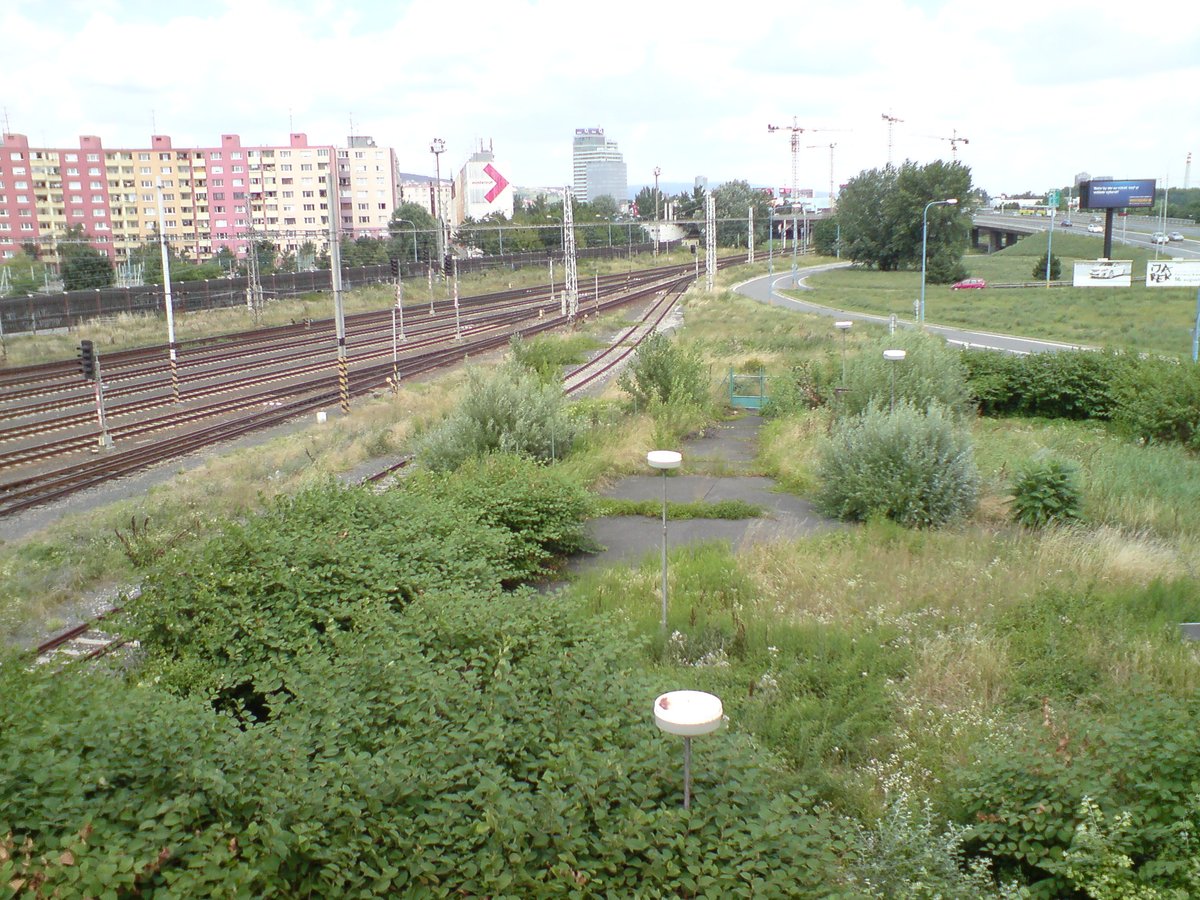
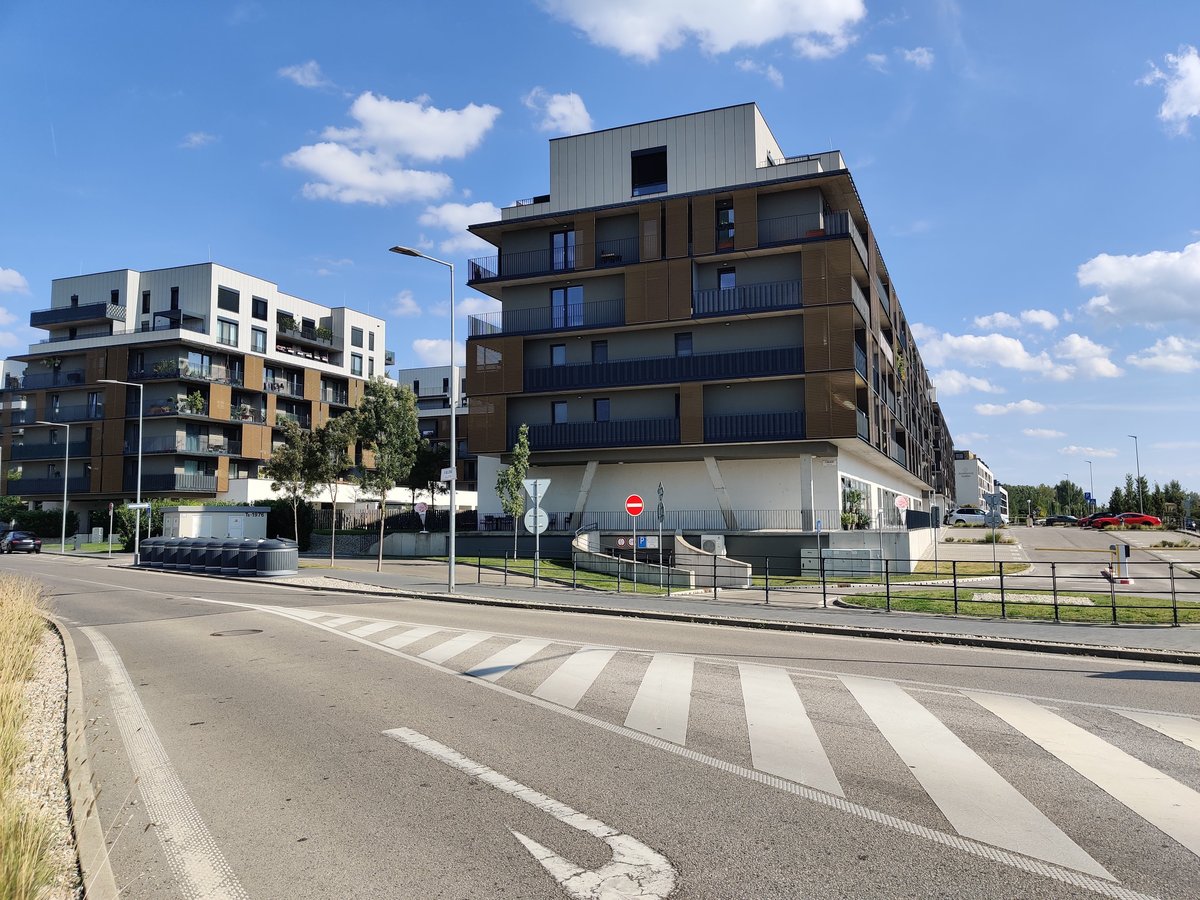
Lenardova’s classic panelák buildings and green spaces.
Interactive Bratislava Tourist Map
Virtual Tour of Petržalka