
About Röntgenova
Röntgenova Street is in the heart of Bratislava’s Petržalka district, the city’s largest residential district. Unlike the Old Town or Bratislava Castle, it offers a view of everyday local life, where history, architecture, and community initiatives meet. Named after Wilhelm Conrad Röntgen, discoverer of X-rays, the street reflects a tradition of commemorating scientists and other visionaries through place names.
Röntgenova developed mainly from the late 1960s through the 1980s as part of Petržalka’s expansion of paneláky, or prefabricated apartment blocks. Today it is a residential neighborhood with green spaces, community centers, and local businesses. The street is public, open 24/7, and free to visit; no tickets are required.
For visitor information, see the Bratislava Tourism Website and the Bratislava City Archive.
History
Petržalka was once rural farmland before rapid socialist-era development met the need for housing. Röntgenova’s name is part of a district-wide tradition of honoring scientists and intellectuals, reflecting a cultural emphasis on education and progress (awaymag.com).
Since the Velvet Revolution of 1989, Röntgenova and its surroundings have been revitalized. Privatization, new businesses, and community programs have helped the area develop from a model socialist estate into a diverse urban neighborhood. Its history of migration and political change also contributes to Petržalka’s cultural diversity and local identity.
What to see and do
Architecture and local life
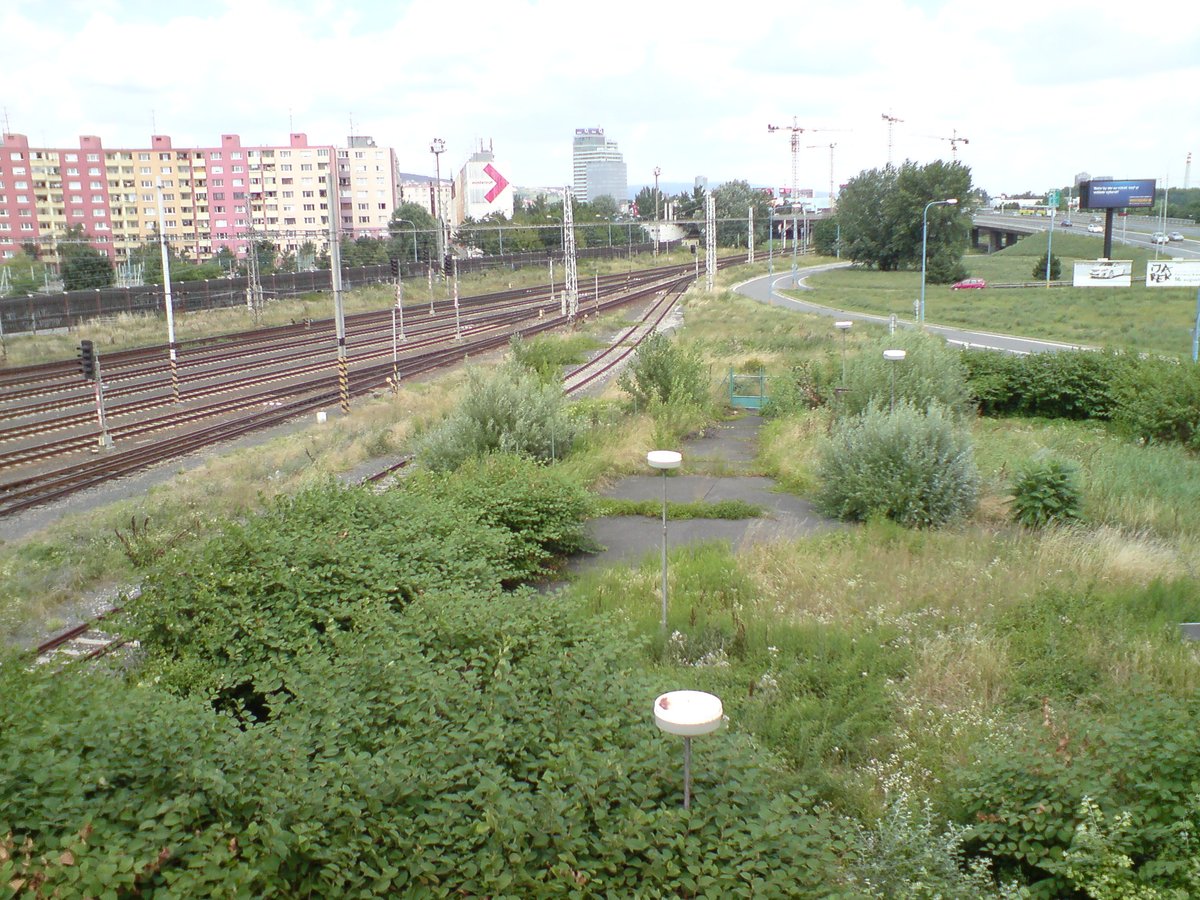
The neighborhood’s landscape is defined by panelák apartment blocks: prefabricated concrete buildings associated with socialist-era ideals of functional, affordable housing. Their austere style interests urbanists and admirers of brutalist architecture (mywanderlust.pl). Renovations have added colorful facades and improved public spaces.
Playgrounds, bakeries, grocery stores, community centers, and small cafés offer a glimpse of daily life in Bratislava. Community centers also host workshops, arts events, and celebrations. Local clubs and centers provide children and teenagers with educational and recreational activities, including art therapy, tutoring, and sports (iwc.sk).
Röntgenova is home to the “Centrum pre deti a rodiny Bratislava, Röntgenova” (Center for Children and Families), which supports vulnerable families through counseling, education, and social integration. International partnerships, including work with the International Women’s Club of Bratislava, have supported these services. The club has also raised substantial funds for local charities (iwc.sk).
The local economy includes enterprises such as ZENTITY Slovakia and social innovation hubs such as Impact Hub Bratislava, which organizes workshops and networking events to support local entrepreneurship (finstat.sk, wegate.eu).
Walks, parks, and events
- Urban walks Self-guided or organized walks introduce Petržalka’s socialist-era architecture, social history, and ongoing transformation (mywanderlust.pl).
- Photography and street art Panelák facades, local murals, and other street art offer subjects for urban photography.
- Sad Janka Kráľa One of Europe’s oldest public parks, suitable for strolling and relaxing along the Danube (earthtrekkers.com).
- Danube Promenade Walking and cycling paths run along the river.
- Petržalka Market Browse local produce and Slovak specialties.
- Cultural events Seasonal festivals, concerts, and sports matches take place in the area; local event calendars provide listings (spectator.sme.sk).
Practical visiting information
Hours, tickets, and accessibility
Röntgenova is a public street, open at any time and free to visit. No tickets are required.
Sidewalks, ramps, and accessible public transport make the area easy to navigate. Most public spaces and transport are accessible, though some older buildings may have limited elevator access or no elevators. Check with accommodation or tour providers if necessary.
Getting there
Buses 68, 96, 99, and 196 serve nearby stops at Švabinského, Markova, and Prokofievova. Trams, buses, and cycling paths connect the area with the city center and other districts. The street’s proximity to transit makes it convenient for exploring Petržalka, central Bratislava, and the Danube riverfront. The area is walkable and bike-friendly, with connections to the city center via the SNP Bridge (travellingking.com).
Tips
- Engage locally Visit a community center or volunteer.
- Check event listings Platforms such as allevents.in list events.
- Use public transport It is affordable, frequent, and efficient.
- Support local businesses Nearby cafés offer Slovak cuisine and coffee.
- Accommodation Petržalka and the nearby city center have hotels, apartments, hostels, and guesthouses. Hotels include LOFT Hotel Bratislava and Wilson Palace (33traveltips.com); short-term rentals are available through Airbnb, and hostels and guesthouses can be found near the Old Town. Booking ahead is advised during peak season (May–September, December).
- Safety and etiquette Bratislava, including Petržalka, is considered safe, though usual caution applies in crowded places (abrokenbackpack.com). Greet people with “Dobrý deň” (“Good day”) and observe quiet hours after 10 pm. Smoking is prohibited in most public spaces (traveltriangle.com).
- Weather and packing Summers are warm, at 25–30°C; winters are cold, often below freezing, and windy (33traveltips.com). Bring layers, rain gear, and sturdy shoes.
- Budget Expect €30–€60 per day for meals and transport; accommodation costs vary.
- Food and drink Local specialties include bryndzové halušky, kapustnica, and regional wines (oldtownexplorer.com). Cafés and bakeries serve pastries and strong Slovak coffee. Supermarkets include Tesco and Lidl, alongside local markets.
- Language Slovak is the official language; English and German are widely spoken among younger people and in tourist areas (visitbratislava.com). Slovak greetings are appreciated but not essential.
- Connectivity, electricity, and health Free Wi-Fi is available in many public spaces; a local SIM or eSIM is recommended (mywanderlust.pl). Standard European plugs are Type C/E, 230V. Pharmacies are common, the emergency number is 112, and EU citizens can use EHIC (mywanderlust.pl).
- Guided tours, local events, and the Audiala app, which offers curated audio walks and insider tips, can also accompany a visit.
Nearby places
- Slovak Radio Building A brutalist landmark reachable by tram.
- UFO Observation Deck Offers panoramic city views from atop the SNP Bridge (europeoftales.net).
- Pavlačový Bytový Dom A notable modernist residential building by architect Desider Quastler (sk.wikipedia.org).
- Old Town Medieval streets, museums, and nightlife (earthtrekkers.com).
- Bratislava Castle An iconic landmark with panoramic views.
- Devín Castle A popular half-day excursion (oldtownexplorer.com).
- Little Carpathian Wine Route An option for wine enthusiasts (mywanderlust.pl).
Frequently Asked Questions (FAQ)
Q: Are there tickets or visiting hours for Röntgenova?
A: No. Röntgenova is a public street, accessible at any time and free of charge.
Q: How do I reach Röntgenova from the city center?
A: Use buses 68, 96, 99, or 196; trams and cycling paths are also options.
Q: Are guided tours available?
A: Yes. Several local operators offer tours focused on Petržalka’s architecture and history.
Q: Is the area accessible for those with mobility needs?
A: Most public spaces and transport are accessible, but some older buildings may lack elevators.
Q: Where can I find more information?
A: Check the Bratislava Tourism Website.