Goralská and Bratislava
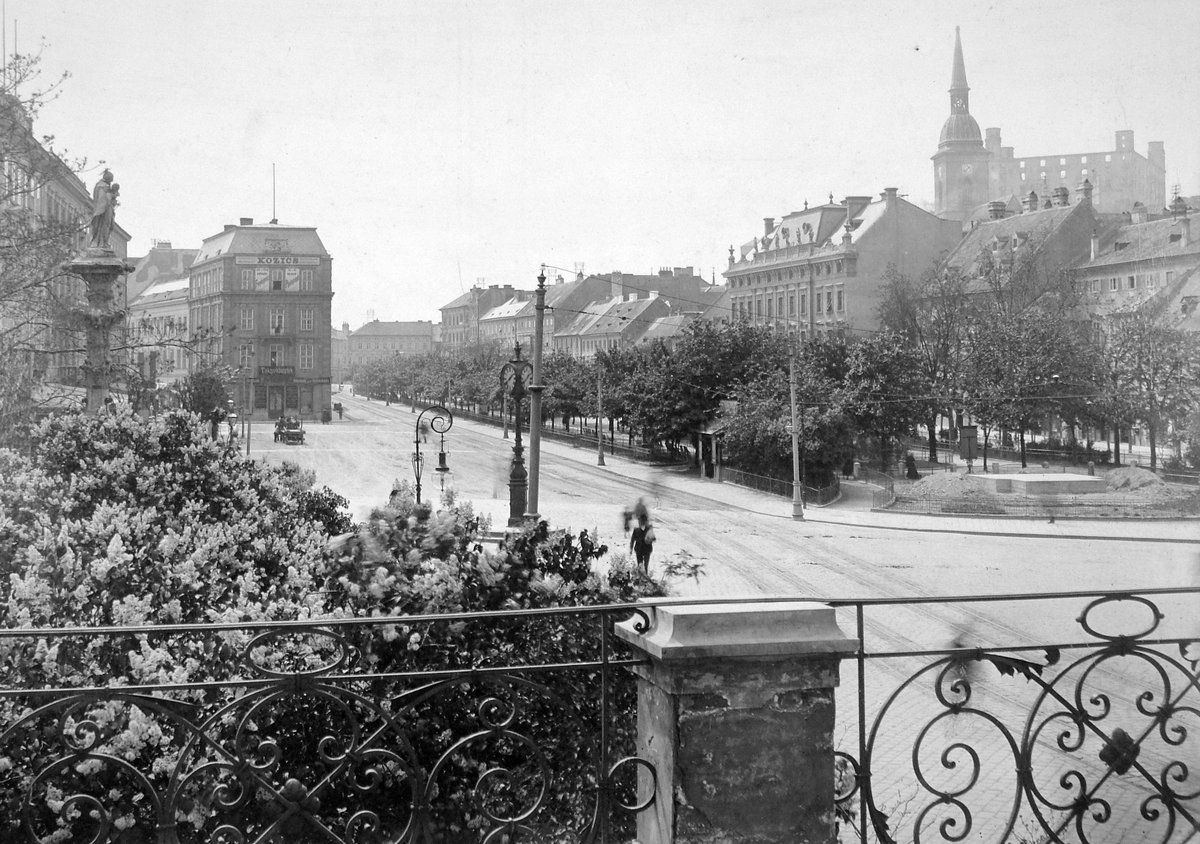
Bratislava, the capital of Slovakia, blends centuries of history, multicultural influences, and urban development. Goralská is a primarily residential area associated with the Goral people, a highland community known for its dialects, folk costumes, and mountain heritage. The area reflects both Bratislava’s modernization and the traditions of its communities. (Bratislava.info, Mili.blog.pravda.sk, World Landscape Architect, Visit Bratislava)
Named after the Goral people, Goralská has grown alongside Bratislava’s urban expansion. Unlike the historical center, it reflects migration, integration, and contemporary urban development (Bratislava.sk). Goralská is described as being in the Trnavské Mýto district, where the Istropolis redevelopment is planned.
History
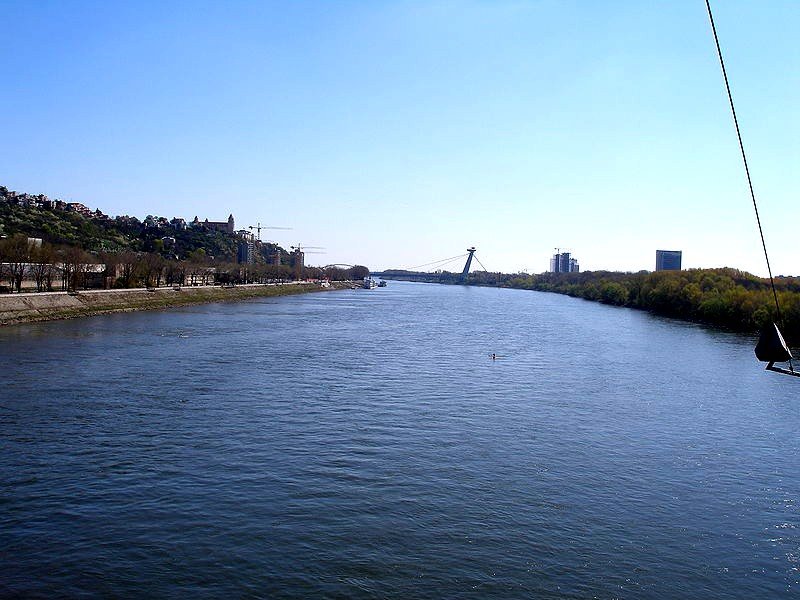
Bratislava’s history stretches back over 7,000 years. Its location at the crossroads of the Danube River and the Small Carpathians made it strategically important. Archaeological evidence confirms continuous habitation since the Neolithic era, and the city flourished as a hub for ancient trade routes connecting the Mediterranean and Baltic regions (Bratislava.info).
Goral communities come from the Carpathian Mountains and are celebrated for their folk traditions, wooden architecture, distinctive dialects, and mountain heritage. In Bratislava, their heritage is honored through community gatherings, festivals, and cultural exhibitions (Mili.blog.pravda.sk).
What to see
Goral culture and community life
Bratislava hosts satellite events of the Goralské folklórne slávnosti, featuring folk music, dance, and crafts (Festiky.sk). Craft exhibitions showcase traditional woodwork and straw sculptures, including iconic Goral figures. Local food festivals and select eateries offer Goral dishes.
Community centers, parks, local shops, markets, and bakeries contribute to neighborhood life. Multicultural influences also shape local festivals, cuisine, and community events (AwayMag). Initiatives such as “City for Children” aim to revitalize public spaces and foster family-friendly environments (Visit Bratislava).
Bratislava’s historic attractions
- St. Martin’s Cathedral was once the coronation site of Hungarian kings. It features a gilded replica of St. Stephen’s Crown.
- Bratislava Castle dominates the city skyline, offers panoramic views, and houses national museum exhibits.
- Gerulata Roman Military Camp is an ancient archaeological site in Rusovce.
Istropolis project and cultural venues
The Istropolis redevelopment is a 4.3-hectare project intended to reshape Bratislava’s cultural landscape (World Landscape Architect). The project includes:
- A cultural center with a capacity of 3,000 people for concerts, conferences, and exhibitions.
- Nine mixed-use buildings combining offices, residences, and ground-floor retail.
- Pedestrian squares and green corridors supporting the “15-minute city” model.
- A 115-meter Landmark Tower.
- Sustainable design features including renewable energy, recycled materials, and green mobility options.
Market halls are planned to offer Slovak produce. Cafes and restaurants range from traditional Slovak to international cuisine (Old Town Explorer).
Devin Castle
Devin Castle stands above the confluence of the Danube and Morava rivers. With origins in the 9th century, it played an important role in the Great Moravian Empire and symbolizes Slovak heritage (devin.sk).
Practical visiting information
Goralská and getting around
Goralská is open to visitors during daylight hours; no tickets or specific visiting hours are required. Buses and trolleybuses connect the area with the city center. Walking and cycling are also convenient: pedestrian-friendly design and green spaces encourage sustainable exploration (Destination Abroad).
Public spaces and transport are described as accessible for people with disabilities. Bratislava’s city center is walkable, and public transport and bike rentals are widely available.
Formal tours of Goralská are rare, but community centers sometimes host cultural events. “Rendezvous with the City” offers guided walks in the district.
Hours and tickets
- St. Martin’s Cathedral
- Hours: Monday–Saturday, 10:00–17:00; Sunday, 12:00–17:00.
- Tickets: Adults €5; students and seniors €3; children under 6 free. Tickets are available online and on-site.
- Bratislava Castle
- Hours: Daily, 10:00–18:00.
- Tickets: Adults €7; discounts available.
- Gerulata Roman Military Camp
- Hours: Seasonal; check official sources for updates.
- Istropolis venue
- Hours: Monday–Sunday, 10:00–22:00; hours may vary for special events.
- Tickets: Entry is free for many community events; special performances require tickets, sold online or at the box office.
- Accessibility: The venue and surrounding district are described as barrier-free, with ramps, elevators, and accessible public transport.
- Devin Castle
- April–October: Daily, 9:00–18:00.
- November–March: Daily, 9:00–16:00.
- Last admission is 30 minutes before closing.
- Tickets: Adults €7; discounts for seniors, students, and families; children under 6 free.
- Guided and audio tours are available in multiple languages. Some areas are challenging for visitors with mobility issues because of the rugged terrain.
- Bus 29 from the city center takes 40 minutes; scenic cycling and driving routes are also available.
Tips
Late spring to early autumn is the best visiting season for pleasant weather and active festivals. Plan ahead for festival dates; tickets for popular events may sell out quickly.
Respect residents’ privacy and the quiet residential character of Goralská. Visit local markets, bakeries, and community events for an authentic Bratislava experience. For events and attractions, plan ahead for schedules and tickets, and consider public transport or cycling.
For Devin Castle, wear comfortable, sturdy shoes and bring a camera for the panoramic views. Facilities include restrooms and a café near the entrance. Pets are allowed on leashes.
The Audiala app offers real-time updates on events, guided tours, and insider tips.
Nearby places
Devin Castle is 10 km from Bratislava’s center and makes a day trip for its historical significance and scenic views. Nearby places to visit include the Danube promenade for walking and cycling, and Devin village for local crafts and cuisine.
Frequently asked questions
Are there specific visiting hours or tickets for Goralská?
Goralská is a residential area open to visitors during daylight hours. Tickets are only required for events at venues such as Istropolis.
How do I get to Goralská?
Use Bratislava’s bus or trolleybus network to reach the area. Walking and cycling are also convenient.
Is Goralská accessible for people with disabilities?
The area has barrier-free paths and public spaces, as well as public transport connections.
Are there guided tours or events in Goralská?
Formal tours are rare, but community centers sometimes host cultural events. “Rendezvous with the City” offers guided walks in the district.
How should I plan a visit to Devin Castle?
Check opening times, wear comfortable shoes, and consider a guided or audio tour for a deeper experience.