
Fialová Ulica in Petržalka: Modern Urban Living
Origins and Naming
Officially named on June 1, 2012, Fialová Ulica (“Violet Street”) is part of Petržalka’s innovative color-themed street system, which enhances neighborhood identity and navigational clarity. This approach reflects modern urban planning ideals and supports community cohesion (OMA, petrzalka.sk).
Urban Development
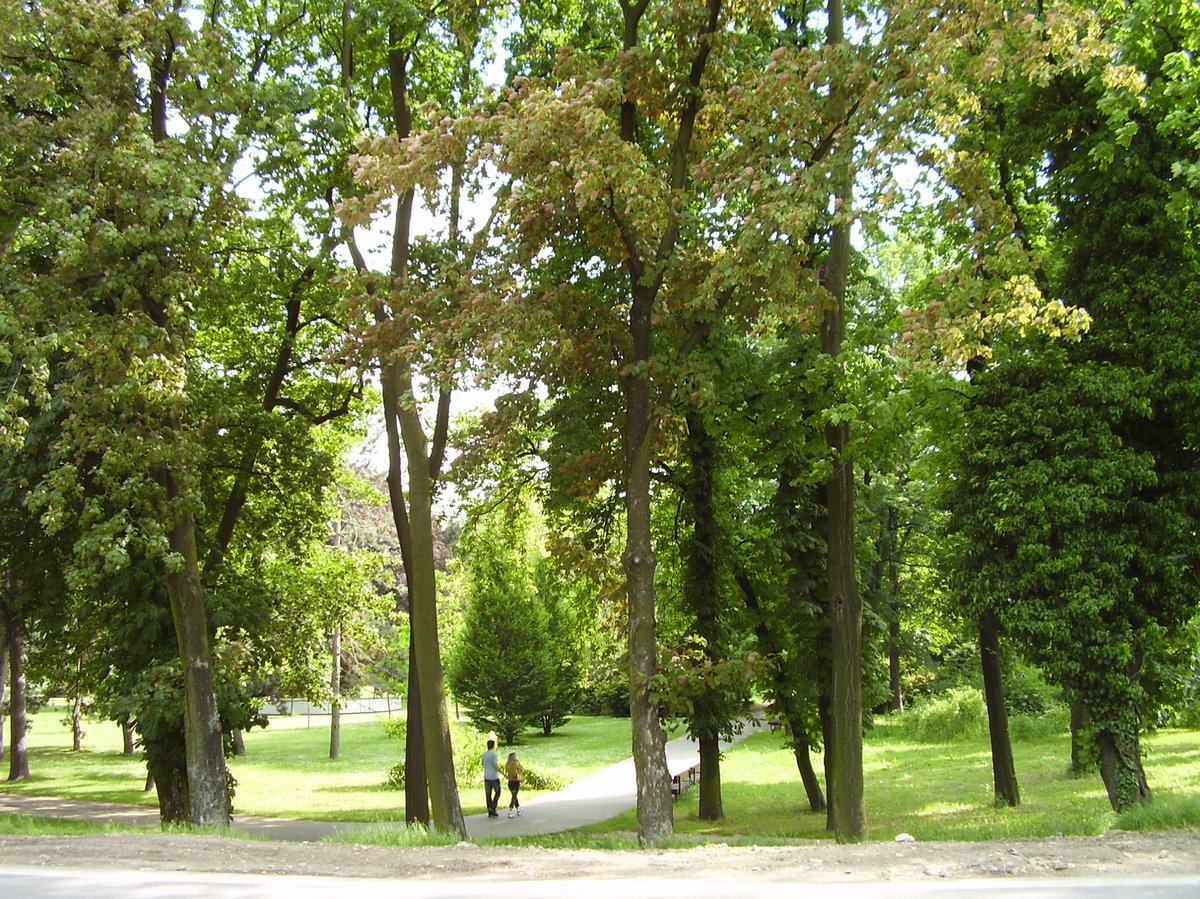
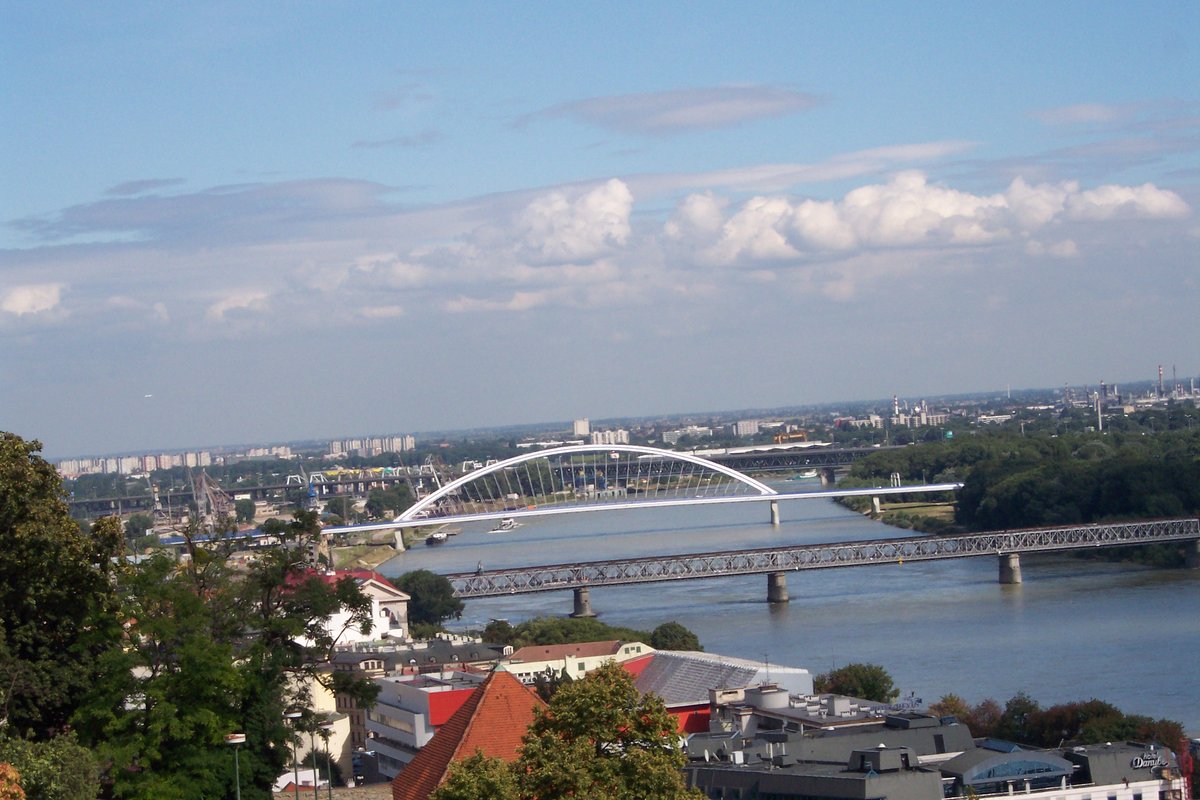
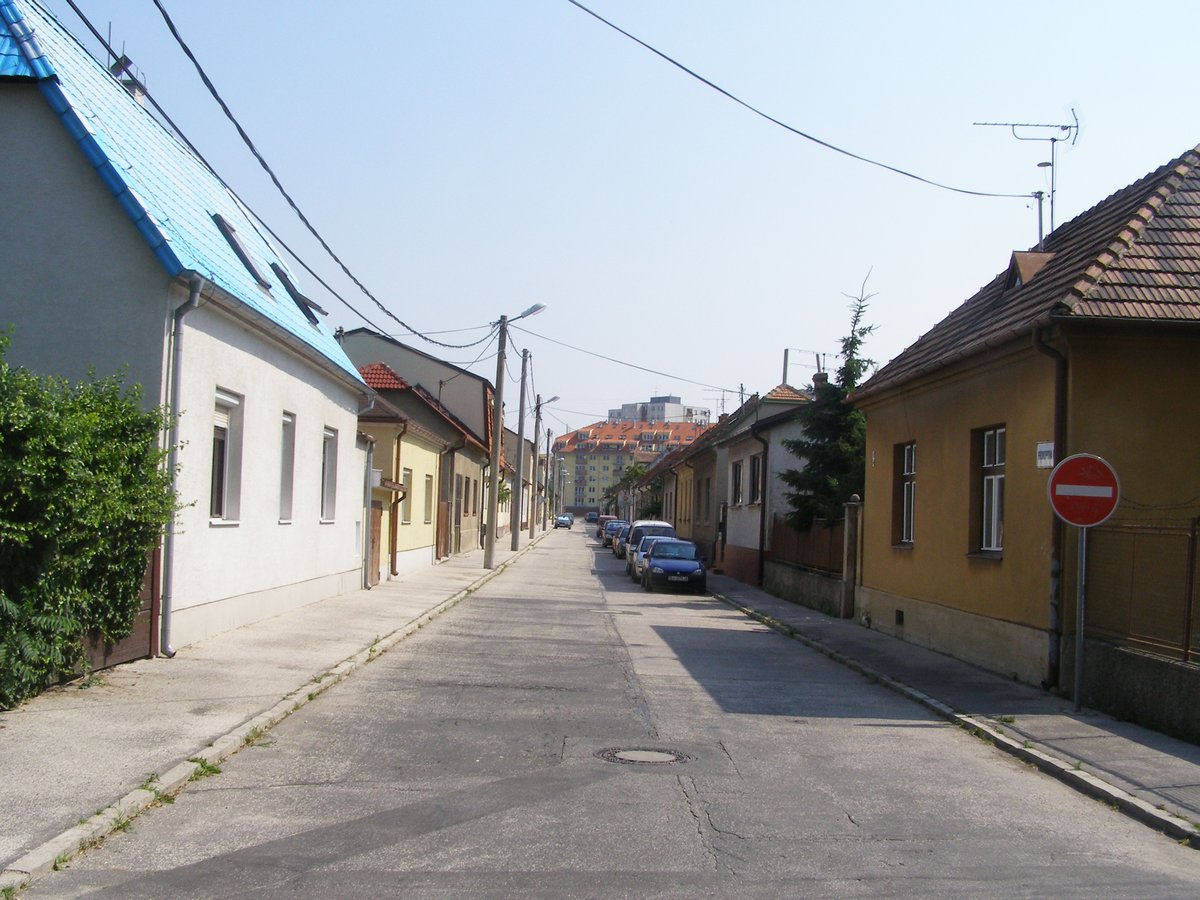
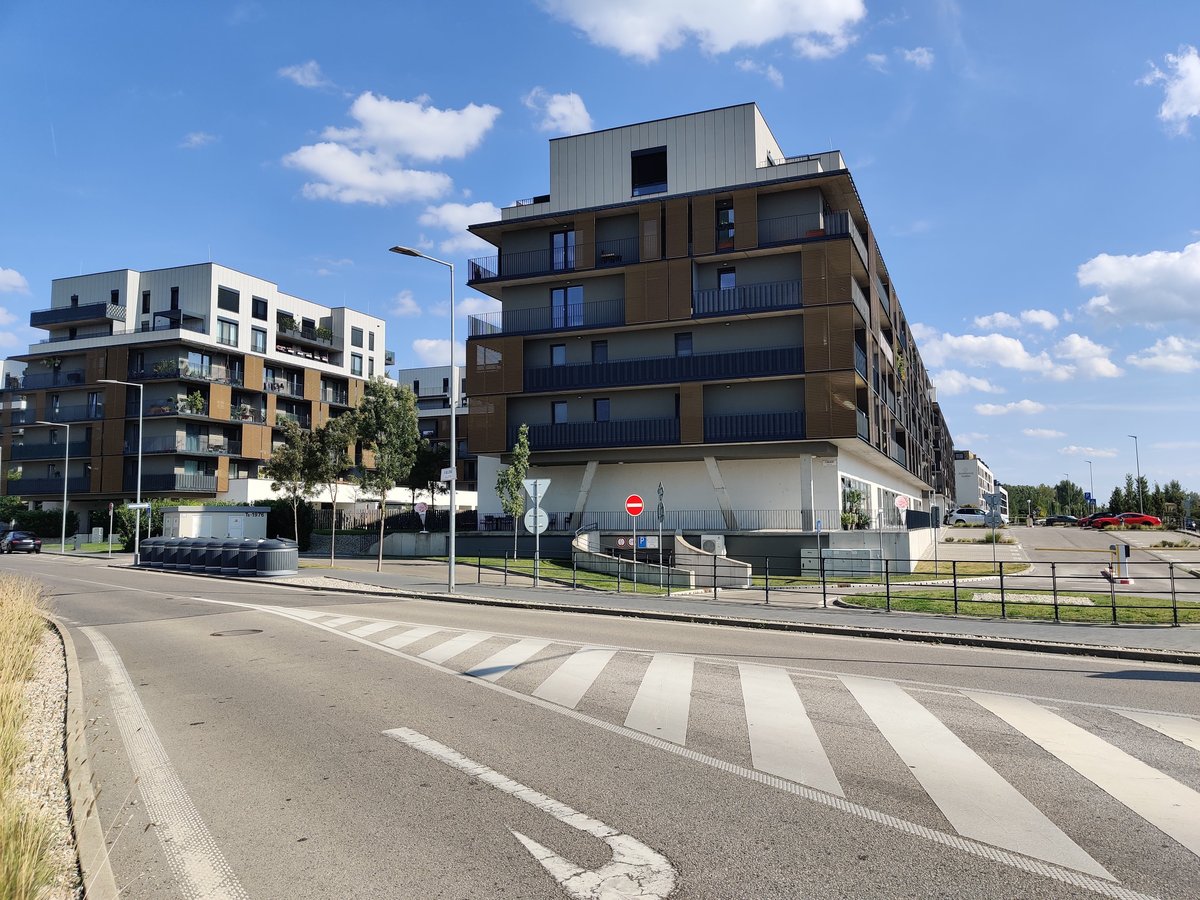
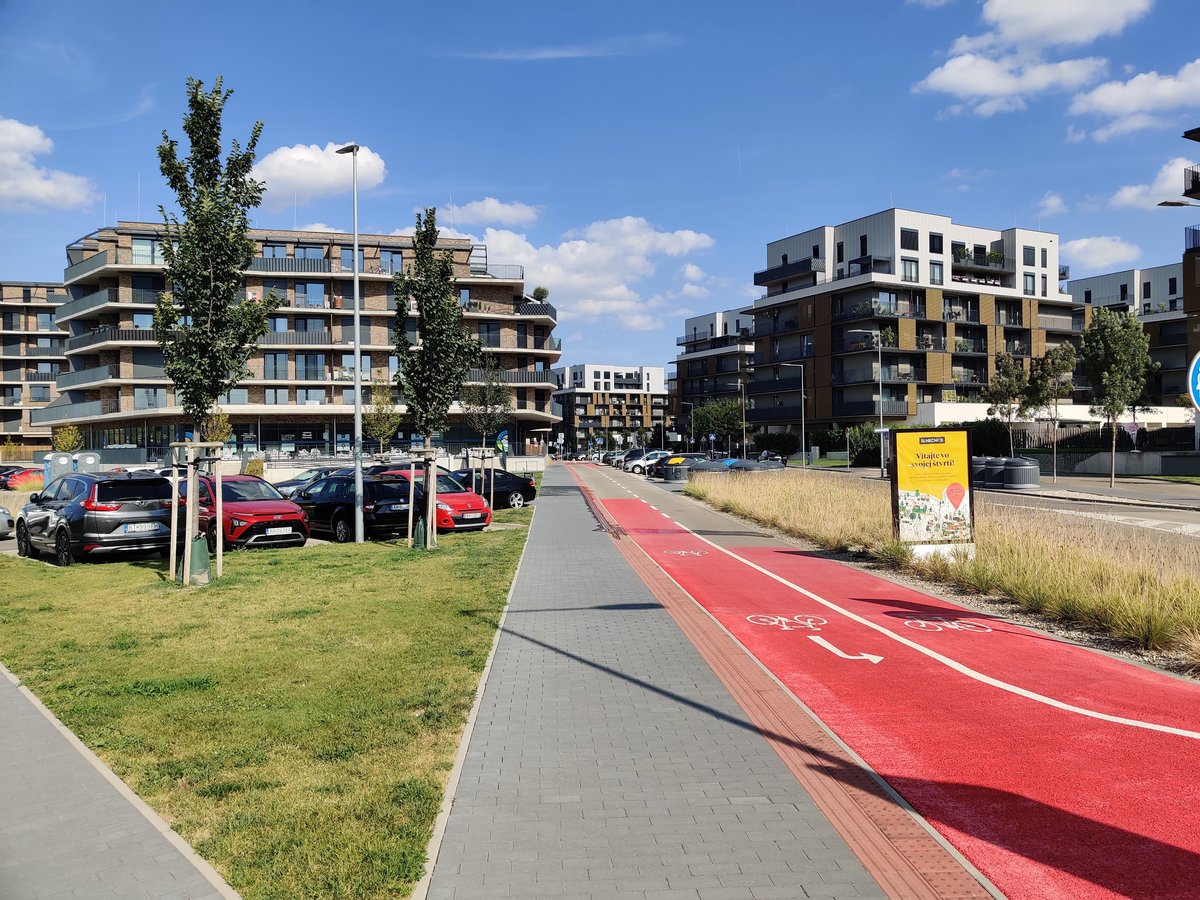
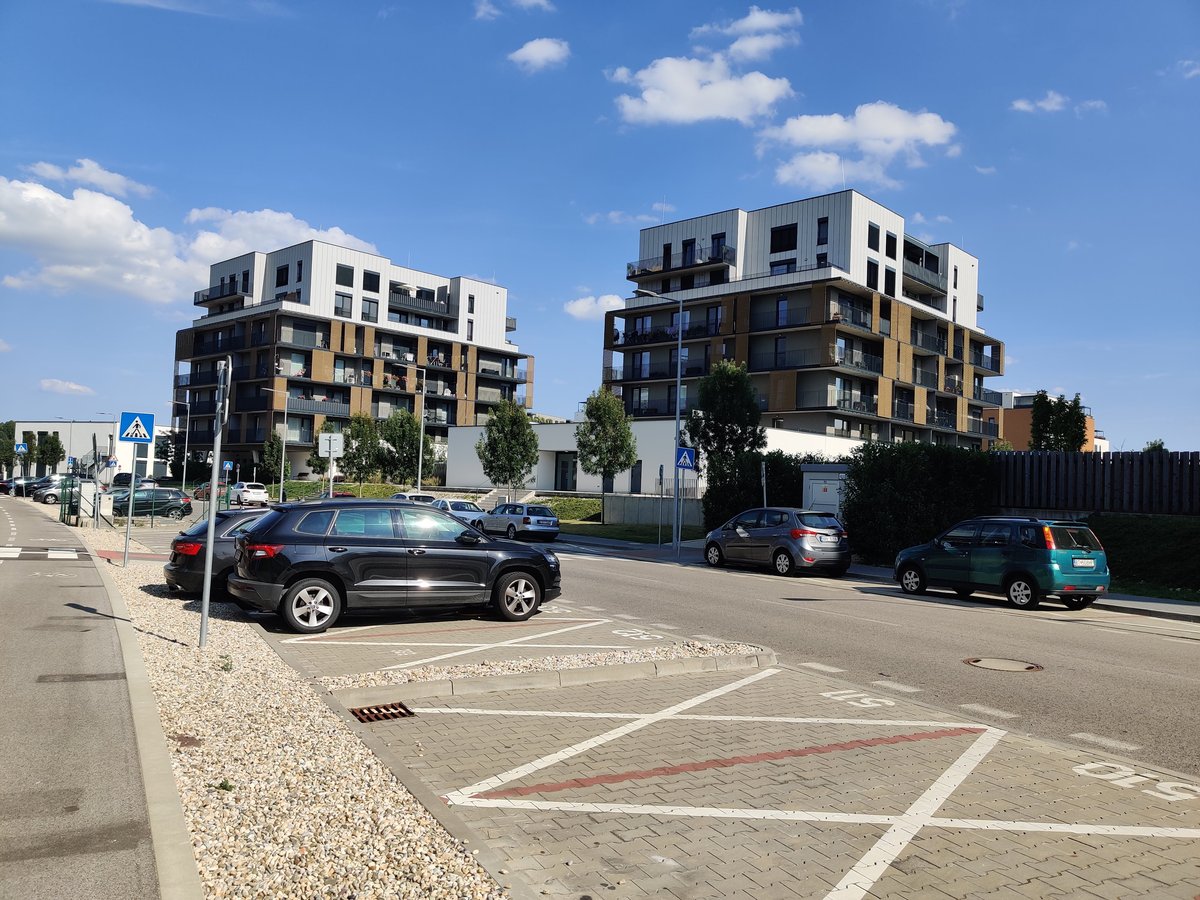
Petržalka transformed from a rural periphery to a central residential district following extensive post-war urbanization. The construction of the SNP Bridge in the 1970s catalyzed its integration into Bratislava proper. Today, Fialová Ulica represents the district’s commitment to sustainable growth, with contemporary housing, ample green spaces, and community-oriented amenities.
Accessibility and Transport Connectivity
Fialová Ulica is easily accessible via Bratislava’s public transport network, including multiple bus and tram lines. The ongoing extension of the tram line to Janíkov dvor will further improve connections by 2025 (imhd.sk). Pedestrian and cycling routes are well developed, promoting sustainable mobility.
Visiting Fialová Ulica
As a residential street, Fialová Ulica is open to the public 24/7 without ticket requirements. While not a conventional tourist destination, it offers insight into Bratislava’s modern neighborhoods. Nearby amenities include shops, cafes, parks, and community centers.
Notable Features and Community Life
Fialová Ulica boasts proximity to schools, healthcare facilities, shopping, and recreation. It serves as a hub for local events—such as the annual Dni Petržalky festival, which features open-air markets, music, and family activities (petrzalka.sk). Community engagement is fostered through environmental initiatives, mobile refreshment stands, and sports tournaments.
Nearby Attractions
- Draždiak Lake A popular spot for swimming, picnicking, and water sports.
- Sad Janka Kráľa One of Europe’s oldest public parks.
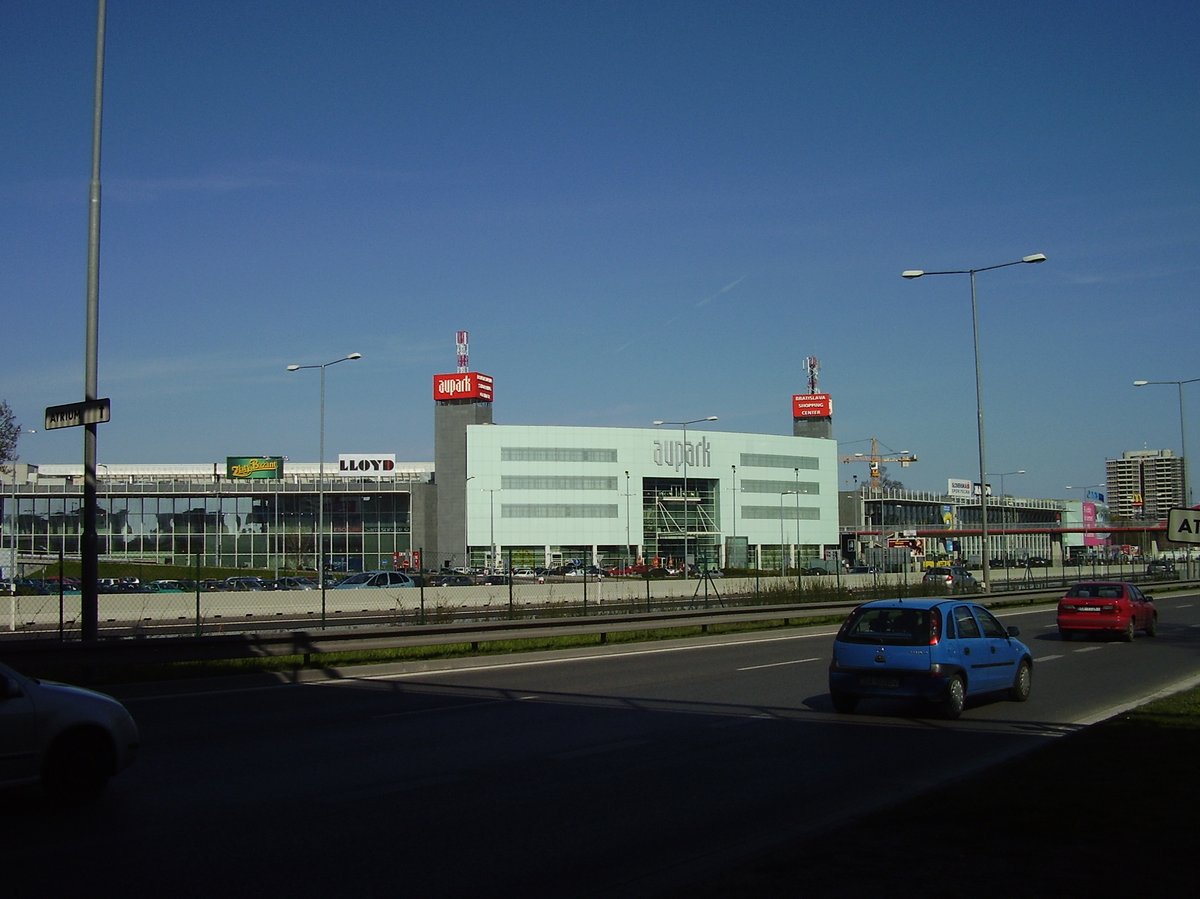
- Aupark Shopping Center Modern retail and entertainment venue.
- Petržalka Bunkers WWII-era military sites open during special events (foodandtravelutsav.com).
Fialová Ulica in the Old Town: History and Cultural Significance
Historical Context
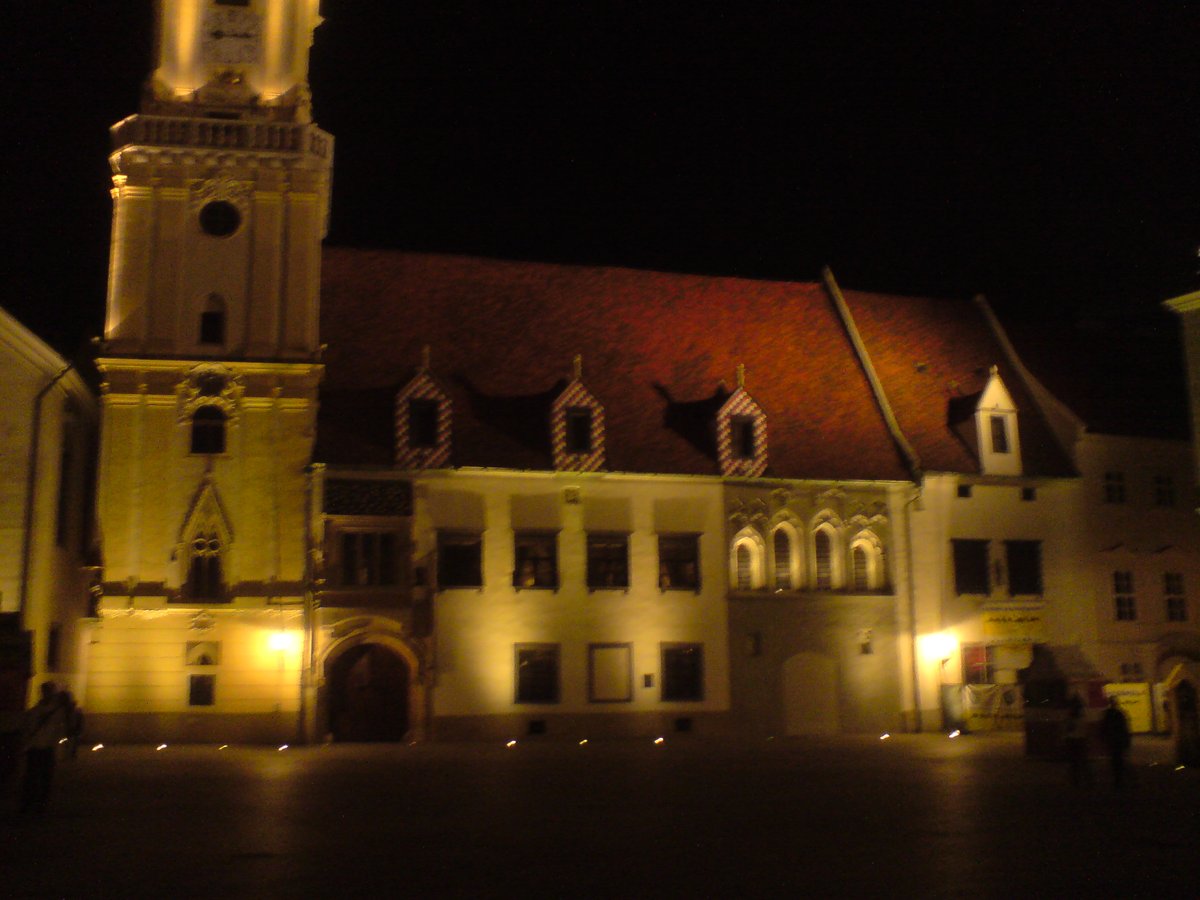
Fialová Ulica in Staré Mesto (Old Town) traces its roots to the medieval period, historically hosting craftsmen and merchants. The street’s preserved Gothic and Baroque architecture stands as a testament to Bratislava’s layered past (awaymag.com).
Architectural and Streetscape Character
With its cobblestone lanes and pastel facades, Fialová Ulica maintains an intimate, historic atmosphere. Municipal heritage protections ensure that renovations respect the area’s character (bratislava.sk). The street’s location near St. Martin’s Cathedral, Michael’s Gate, and the Main Square enhances its appeal (thirdeyetraveller.com).
Cultural Diversity
Fialová Ulica reflects Bratislava’s multicultural history, with a blend of Slovak, Hungarian, Austrian, Jewish, and German influences. Today, the area features a vibrant mix of languages, culinary options, and artisan shops (awaymag.com).
Public Space and Events
The street participates in citywide festivals like the Bratislava Music Festival and Dobrý trh (Good Market), featuring performances, markets, and art installations (travelmelodies.com). Street art and interactive public spaces contribute to a lively, pedestrian-friendly environment (bratislava2030.sk).
Visitor Information: Hours, Tickets, Accessibility
Visiting Hours and Ticketing
Fialová Ulica is a public street, accessible 24/7, with no ticket requirements. However, nearby museums and historical sites may have specific hours and entry fees; check their official websites for details.
Accessibility
While the Old Town is largely pedestrianized, cobblestones may pose minor challenges for wheelchair users or strollers. Accessibility improvements are underway in many areas. Public transport and tourist centers nearby are accessible.
Getting There
- By Tram/Bus Closest stops are Námestie SNP and Kapucínska.
- By Foot Easily reachable from Main Square, St. Martin’s Cathedral, and Michael’s Gate.
- By Taxi/Ride-share Drop-offs near pedestrianized zones at Hviezdoslavovo námestie or Námestie SNP.
Practical Visitor Tips
- Best Times to Visit Spring through early autumn, especially during festivals, offers the best weather and atmosphere.
- Language Slovak is official, but English is widely spoken in tourist areas; German and Hungarian are also common (touropia.com).
- Wi-Fi and Connectivity Free public Wi-Fi is available throughout the Old Town and in parks; local SIM cards are easy to obtain (visitbratislava.com).
- Safety The area is safe and well-policed, though visitors should remain aware of pickpockets during crowded events.
- Transport Tickets for public transport must be purchased in advance and validated; the Bratislava Card offers unlimited travel and discounts (visitbratislava.com).
- Dining A variety of cafes and restaurants in the vicinity offer both Slovak and international cuisine (urban-wanders.com).
- Accommodation Options range from hostels to boutique hotels; early booking is advised in summer.
Frequently Asked Questions (FAQ)
Q: Are there entrance fees for Fialová Ulica?
A: No, it is a public street accessible at all times.
Q: Is Fialová Ulica wheelchair accessible?
A: Cobblestones may present some challenges, but nearby accessible routes are available.
Q: What are the best nearby attractions?
A: St. Martin’s Cathedral, Michael’s Gate, Main Square, and Bratislava Castle.
Q: Are guided tours available?
A: Yes, several walking tours include Fialová Ulica and the Old Town (urban-wanders.com).
Discover More
Fialová Ulica encapsulates the spirit of Bratislava—offering an authentic experience in both its modern Petržalka setting and its historic Old Town context. Whether you are a resident, urban explorer, or history enthusiast, the street invites you to discover the city’s evolving character and vibrant community life.
For real-time updates, travel tips, and audio guides, download the Audiala app and follow us on social media. Explore both sides of Bratislava by visiting Fialová Ulica and immerse yourself in the city’s dynamic energy and historical depth.