About Ulica Ondreja Štefanka
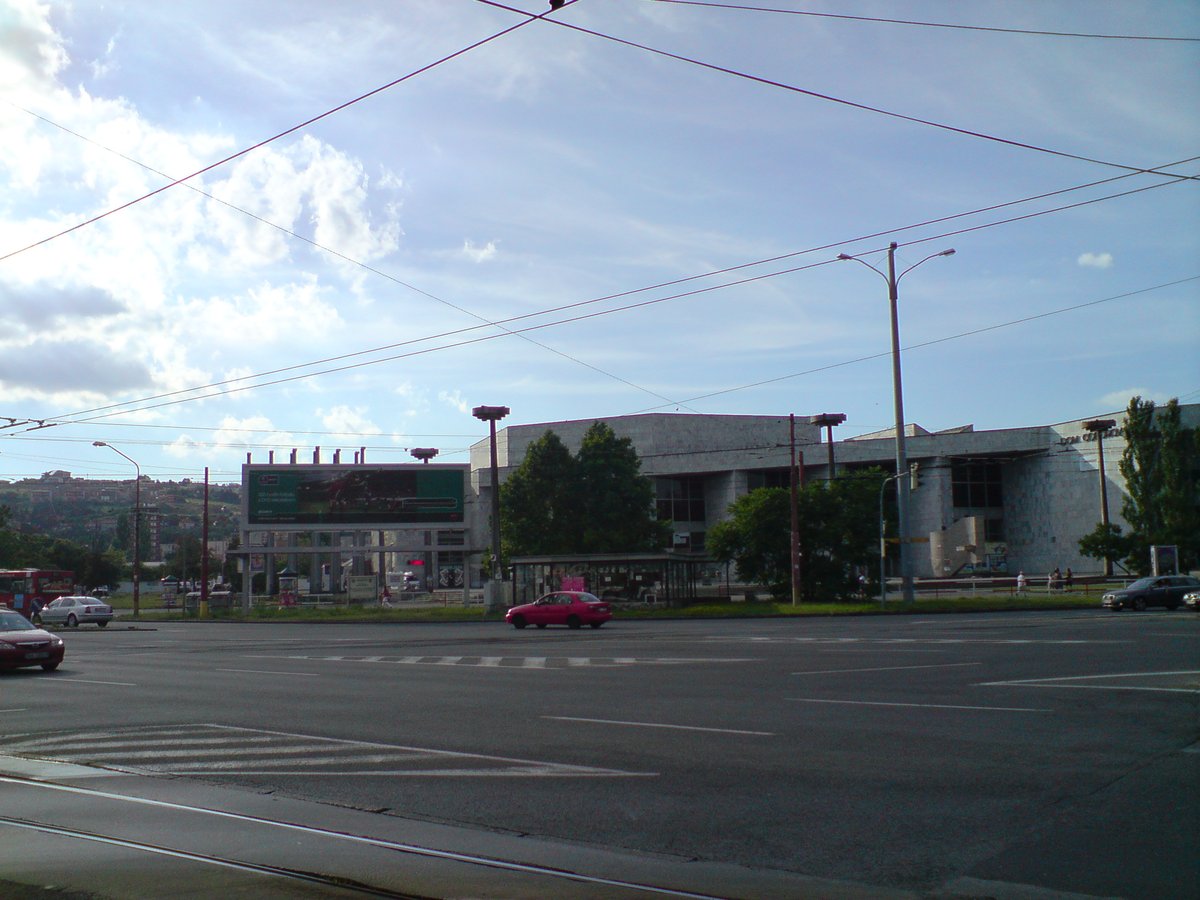
Located in southwestern Bratislava, Ulica Ondreja Štefanka stands out within Petržalka, Slovakia’s largest residential district. The street’s character is defined by its post-1990s transformation: a blend of social housing projects, municipal facilities, and a shift from Soviet commemorations to Slovak cultural pride. This area encapsulates Bratislava’s efforts at inclusive urban renewal, affordable housing, and community-oriented design (Wikiwand; Petržalka Municipal Office).
Visiting Information: Hours & Tickets
- Access Ulica Ondreja Štefanka is a public street accessible 24/7. No tickets or entrance fees are required.
- Facilities The municipal recycling yard (Zberný dvor) at No. 4 is open Tuesday–Saturday (closed Sundays, Mondays, and public holidays). Check Petržalka Zberný dvor for up-to-date opening hours.
- Accessibility The street features smooth pavements and is serviced by accessible public transport.
Getting There: Transportation Guide
- Public Transport Served by multiple bus lines (191, 196, 68, 91, 93, 94, 98, N99, 59, N80, N93, and 96). Nearest stop: Tupolevova (about 4 minutes’ walk). Closest tram: Farského (9 minutes’ walk). Bratislava Public Transport; Moovit app
- By Car Limited street parking is available; use navigation apps for directions.
- By Bicycle Connected via local cycling paths.
- Nearest Train Bratislava-Petržalka station (18 minutes on foot).
For detailed directions, consult the official tourist portal.
Historical Background: Naming and Evolution
From Čapajevova ulica to Ulica Ondreja Štefanka
Originally named after Vasily Chapayev, a Soviet commander, the street was renamed in June 2019 to honor Ondrej Štefanko—a symbol of Bratislava’s post-communist cultural reclamation (Petržalka News; Wikiwand).
Who Was Ondrej Štefanko?
Ondrej Štefanko (1949–2016) was a poet and publicist who played a significant role in sustaining Slovak identity, especially among the diaspora in Romania. His legacy is now enshrined in the street’s name, reflecting a renewed focus on national figures (Wikiwand).
Key Landmarks and Urban Fabric
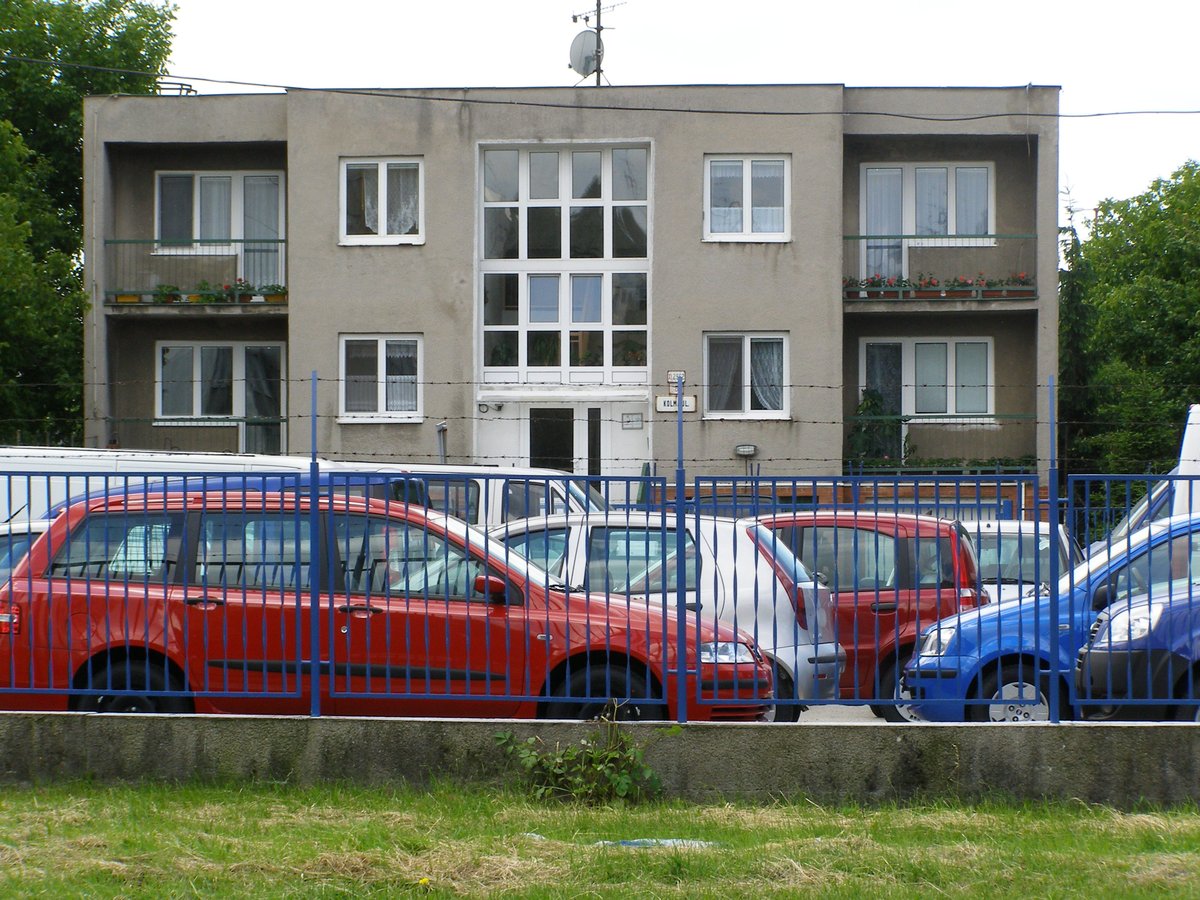
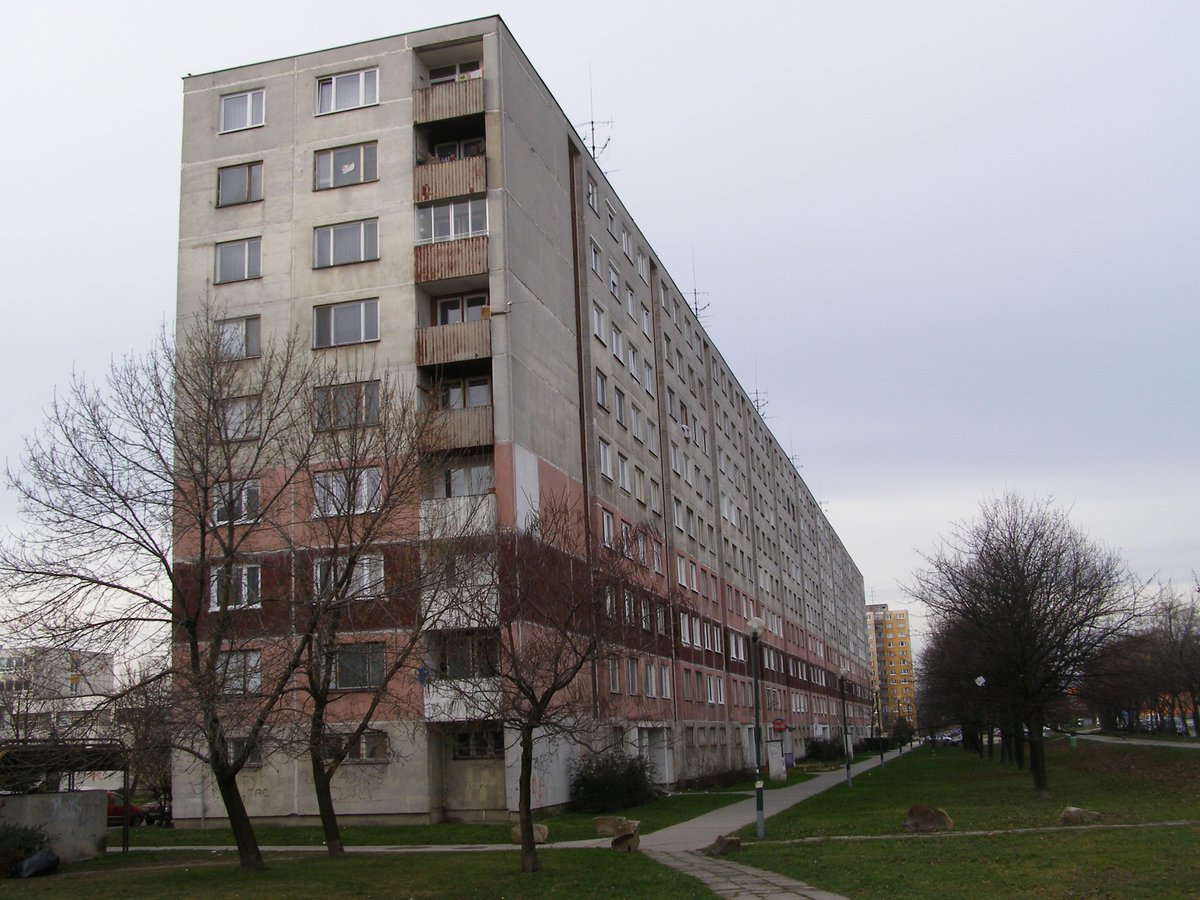
- Modrý dom (Blue House, 1999) Originally social housing for tenants in financial distress, the Blue House became a focal point for social challenges. It was later privatized, renovated, and partially returned to the borough for use by teachers, representing a unique example of municipal-private partnership in housing (Wikiwand).
- New Municipal Apartment Building (2014) A nine-story building with 48 affordable apartments for public sector workers, built through municipal and state funding.
- Community Facilities Includes a recycling yard (No. 6) and a Fiat car dealership (No. 7), emphasizing the street’s mixed-use character (Petržalka Municipal Office).
- Urban Integration The street’s proximity to schools, parks, and shopping centers illustrates its integration into Petržalka’s “city within a city” concept (Petržalka History).
Nearby Attractions
- Sad Janka Kráľa One of Europe’s oldest public parks along the Danube.
- Aupark Shopping Center Modern retail and dining hub.
- Bratislava Old Town Easily reached by public transport, featuring the castle, medieval streets, and historic cafés.
- Riverfront Offers leisure activities and scenic walks.
Visitor Tips and Accessibility
- Best Time to Visit Spring to autumn for pleasant weather; accessible year-round.
- Safety The area is generally safe; standard urban precautions apply.
- Etiquette Respect residential privacy and follow guidelines at municipal facilities.
- Photography Architectural contrasts between the Blue House and new apartments provide interesting subjects.
- Language Slovak is the local language, but English is widely spoken in tourist areas. A translation app can be helpful.
Frequently Asked Questions (FAQ)
Q: Is there an entrance fee to visit Ulica Ondreja Štefanka?
A: No, it is a public street with free access.
Q: Are there guided tours?
A: No official tours are dedicated to this street, but broader Petržalka or city tours may include it.
Q: Is the area accessible for people with disabilities?
A: Yes, public transport and sidewalks are generally accessible.
Q: What can I see or do in the area?
A: Explore local architecture, visit nearby parks, and observe community life. The recycling yard and car dealership reflect the street’s practical character.
Emergency Contacts
- General Emergency 112
- Police 158
- Medical Assistance 155
- Tourist Information [email protected], weekdays 9:00–16:00