Why Visit Jedľová Ulica?
Jedľová Ulica showcases a unique side of Bratislava, away from the tourist-heavy city center. Its blend of socialist-era apartment blocks, communal green spaces, and active neighborhood life reveals the real Bratislava—the city as lived by its residents. Visitors interested in architecture, urban development, and authentic cultural experiences will find the area both engaging and informative.
Historical Evolution
Jedľová Ulica’s origins date to a time when the area was semi-rural, named after the Slovak word for “fir tree.” The street’s transformation began in the post-war period (1950s–1970s), reflecting Bratislava’s rapid expansion and socialist urban planning. The construction of prefabricated panelák apartment buildings was central to this growth, designed to house industrial workers and their families (Roads and Destinations). The area’s evolution mirrors broader trends in Slovak urbanization, blending functional design with communal values.
Visitor Information
Visiting Hours
Jedľová Ulica is a public street open at all times. There are no specific visiting hours or entry restrictions, making it a flexible destination for both early risers and evening explorers.
Tickets
No tickets or entrance fees are required to visit Jedľová Ulica. However, participation in local community center workshops or events may involve a small fee.
Accessibility
The street features pedestrian-friendly sidewalks, cycling paths, and is accessible via multiple public transport lines. Some green spaces and amenities have barrier-free access, while certain older areas may present limited accessibility (Mapa Zoznam).
Amenities
Jedľová Ulica and its surroundings offer essential services—small grocery stores, bakeries, cafes, playgrounds, and proximity to parks. The area is well suited for families, solo travelers, and those interested in local dining or cultural events.
Urban Structure and Architecture
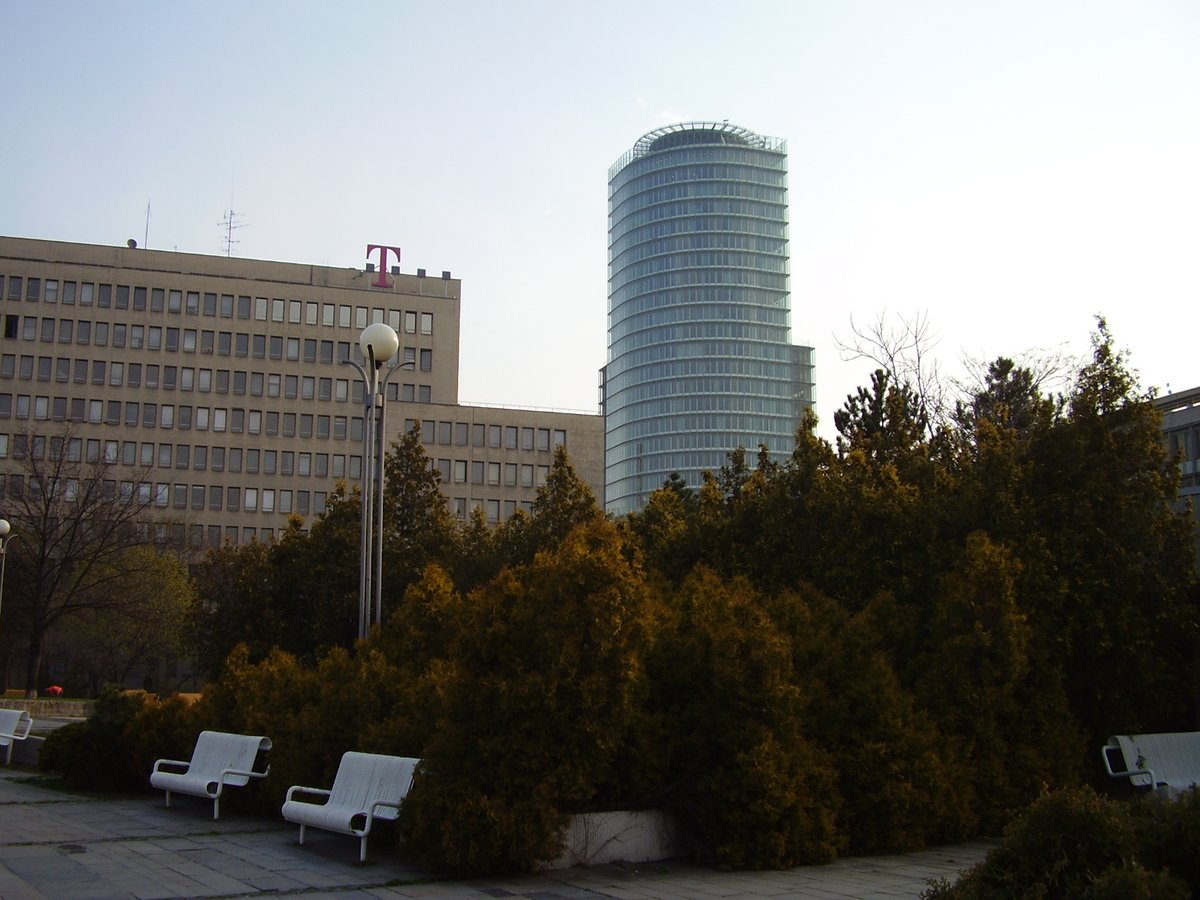
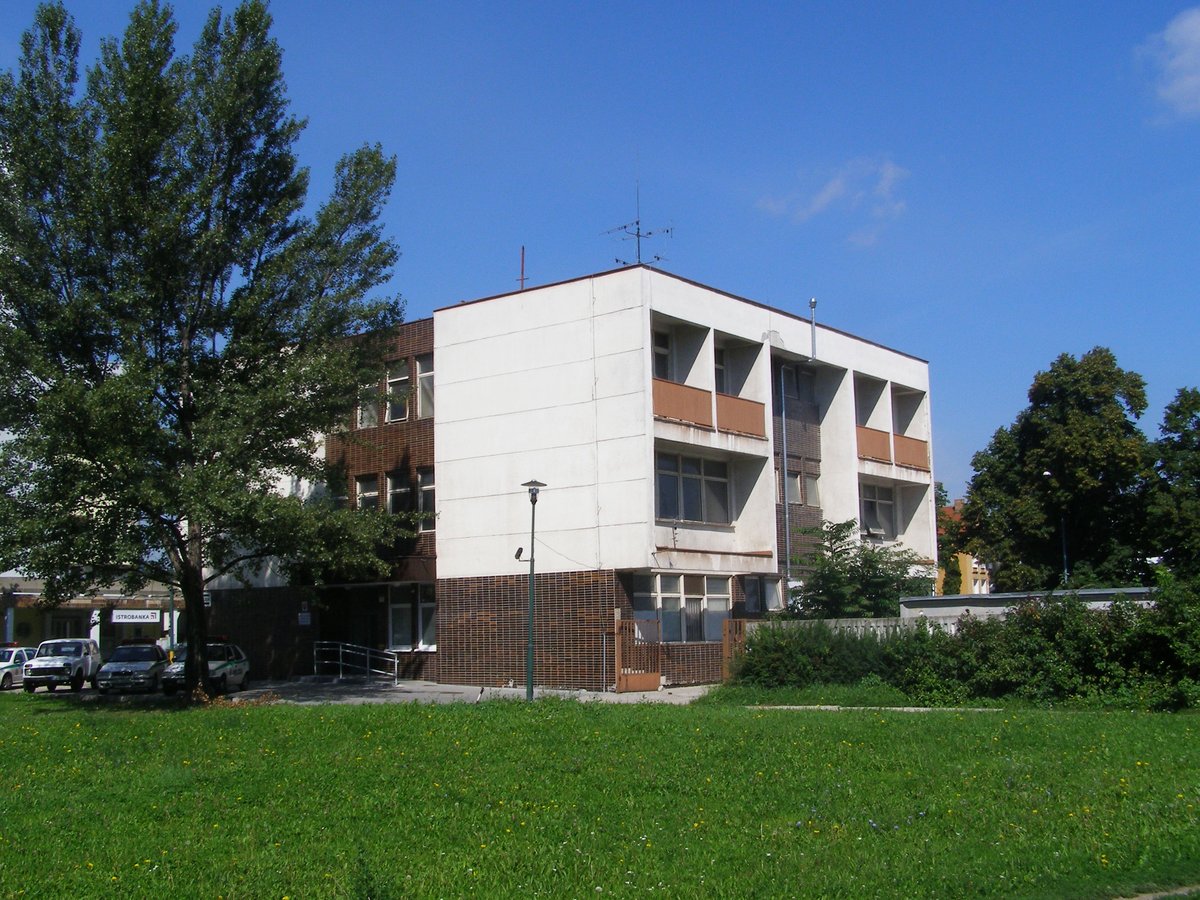
Jedľová Ulica is characterized by its grid layout and distinctive panelák apartment blocks—multi-story, prefabricated concrete buildings emblematic of the socialist era. These structures enclose communal courtyards and green spaces, fostering a sense of shared ownership and neighborhood interaction. Recent renovations have modernized many facades and improved energy efficiency while maintaining historical character.
Community Life and Local Culture
Residential Character
Home to a diverse population, Jedľová Ulica exemplifies Bratislava’s community spirit. Residents of all ages participate in daily routines—shopping at local stores, socializing in courtyards, and attending events at nearby community centers.
Cultural Engagement
While the street may not host major festivals, Vrakuňa and Ružinov districts are active in Bratislava’s broader cultural scene. Neighborhood events, markets, and workshops provide opportunities for visitors to engage with local traditions and contemporary Slovak life (CityLife.sk, Travel Getaways).
Everyday Experiences
Simple activities—morning walks, visiting playgrounds, or stopping by a local cafe—offer an authentic experience of Bratislava’s everyday culture. Visitors are encouraged to observe local customs, participate in community activities, and interact respectfully with residents.
Nearby Attractions
Jedľová Ulica’s location allows easy access to several of Bratislava’s top sites:
- Bratislava Castle Iconic hilltop fortress, open daily; tickets required (planetware.com).
- Old Town (Staré Mesto) Historic district with squares, gates, and museums.
- St. Martin’s Cathedral Gothic cathedral, significant for its history and architecture (visitbratislava.com).
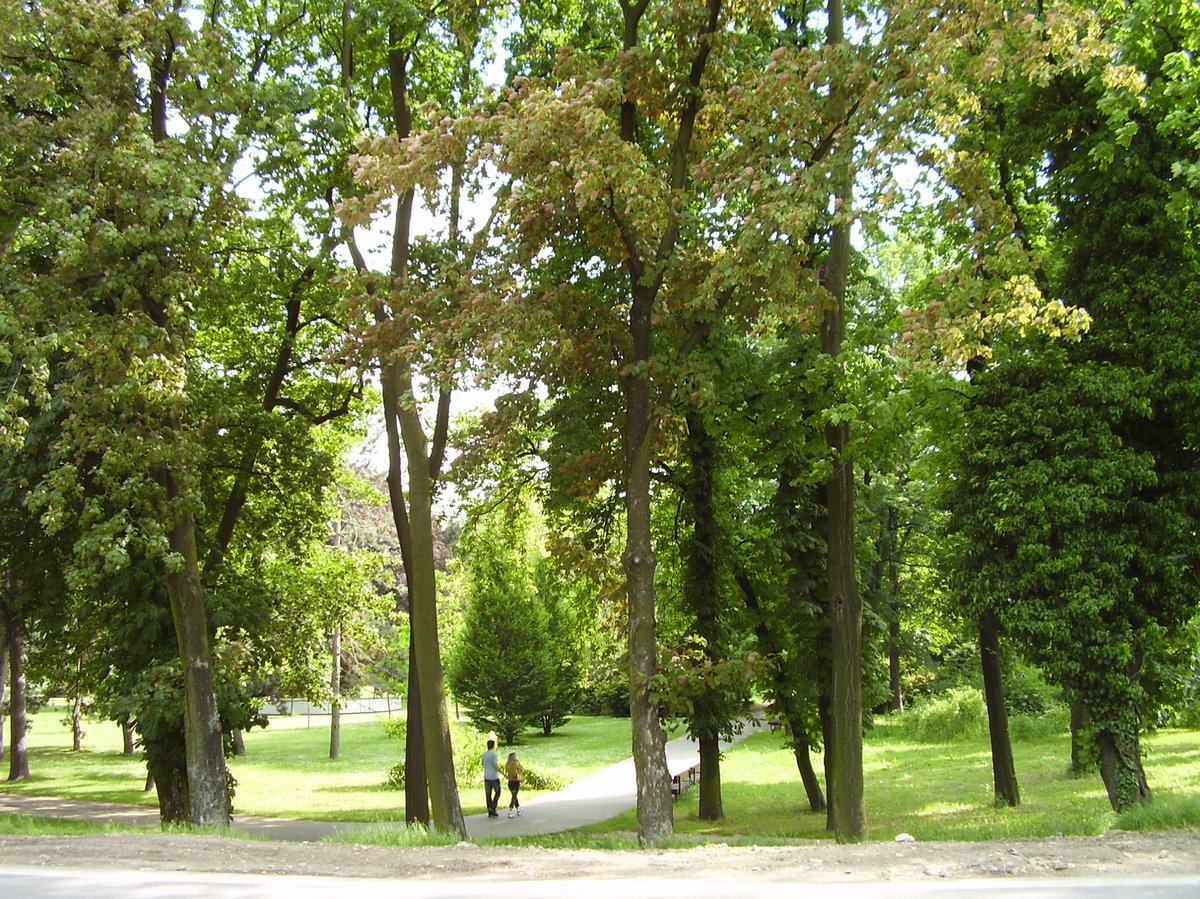
- Vrakuňa Park Nearby green space, ideal for recreation and family outings.
- Danube Riverfront Promenade with cafes and scenic views.
Local buses and trams connect Jedľová Ulica to the city center and these major attractions.
Practical Tips
Getting There
- Public Transport Several bus and tram lines serve Jedľová Ulica and the surrounding districts. Tickets are affordable and available at kiosks or via mobile apps (bratislava.sk).
- Cycling The area’s flat terrain is suitable for cyclists; bike-sharing services are available in Bratislava.
- Car On-street parking is available but may be restricted for residents. Always check signage.
Safety
Jedľová Ulica is considered safe. As with any city, practice standard precautions, particularly at night.
Language
Slovak is the primary language. English is spoken in tourist areas but less common in residential neighborhoods. Basic Slovak phrases or a translation app are helpful.
Local Etiquette
Respect residents’ privacy and keep noise to a minimum, particularly in the evenings. Photography of public spaces is welcome, but always ask permission before photographing individuals or private property.
Safety and Accessibility
Physical Accessibility
Most sidewalks and crossings are modern, though some older sections may have uneven pavement. Many buses are low-floor and accessible, but not all routes are fully barrier-free (bratislavaguide.com).
Services for Visitors with Disabilities
Accessible accommodation is more prevalent in central Bratislava. When visiting Jedľová Ulica, plan transit routes in advance and consider traveling with a companion for ease.
FAQs
Q: What are the visiting hours for Jedľová Ulica?
A: There are no set visiting hours; the street is accessible at any time.
Q: Are tickets required?
A: No tickets are necessary for visiting Jedľová Ulica.
Q: Is Jedľová Ulica family-friendly?
A: Yes; the area features playgrounds, parks, and safe streets suitable for families.
Q: Can I join a guided tour?
A: While dedicated tours are rare, some urban or architectural tours may include Ružinov or Vrakuňa districts.
Q: How accessible is the area?
A: Most of Jedľová Ulica is accessible, though some areas may present challenges for those with mobility impairments.