Historical Highlights of Podunajské Biskupice and the Old Town
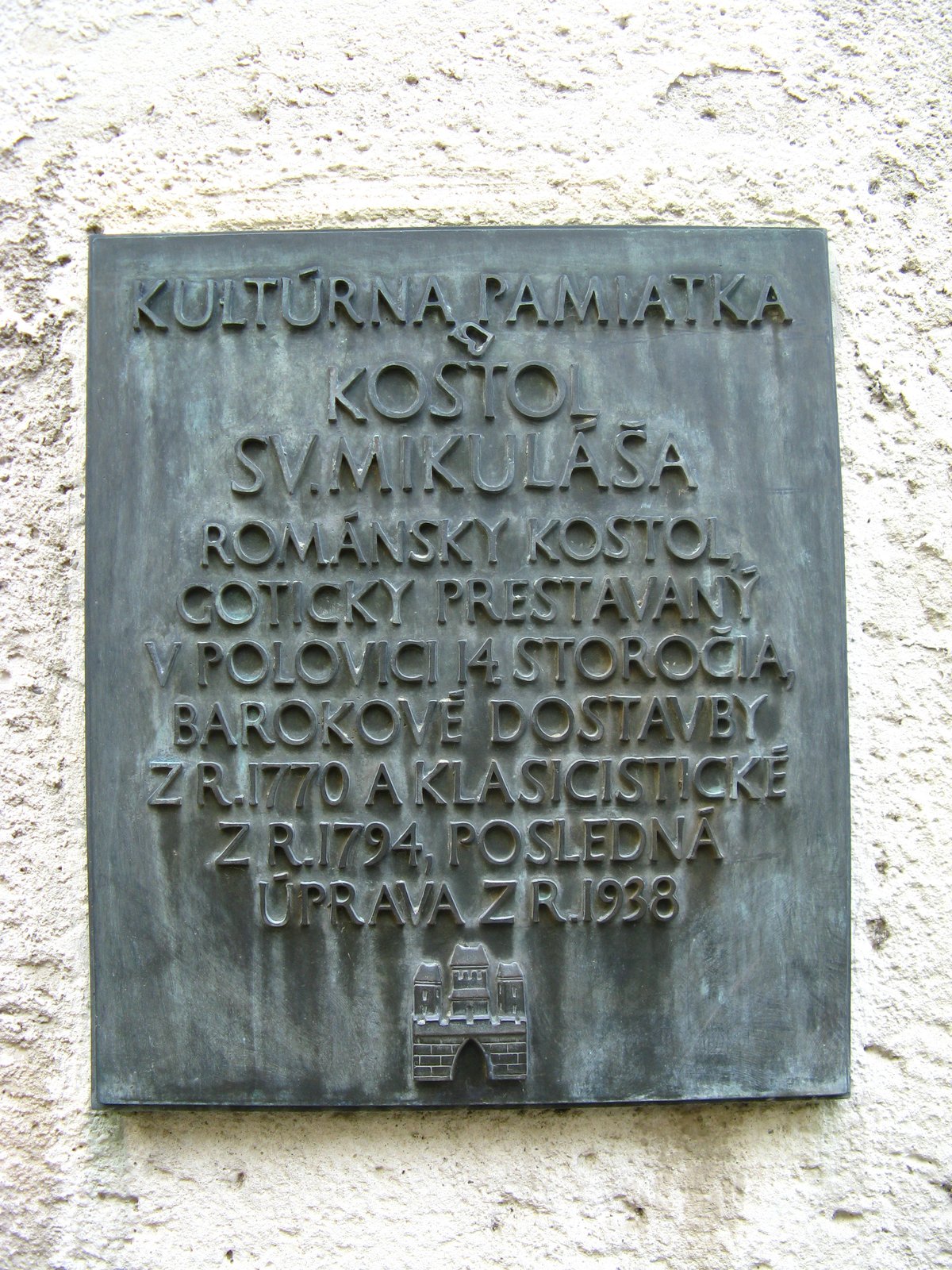
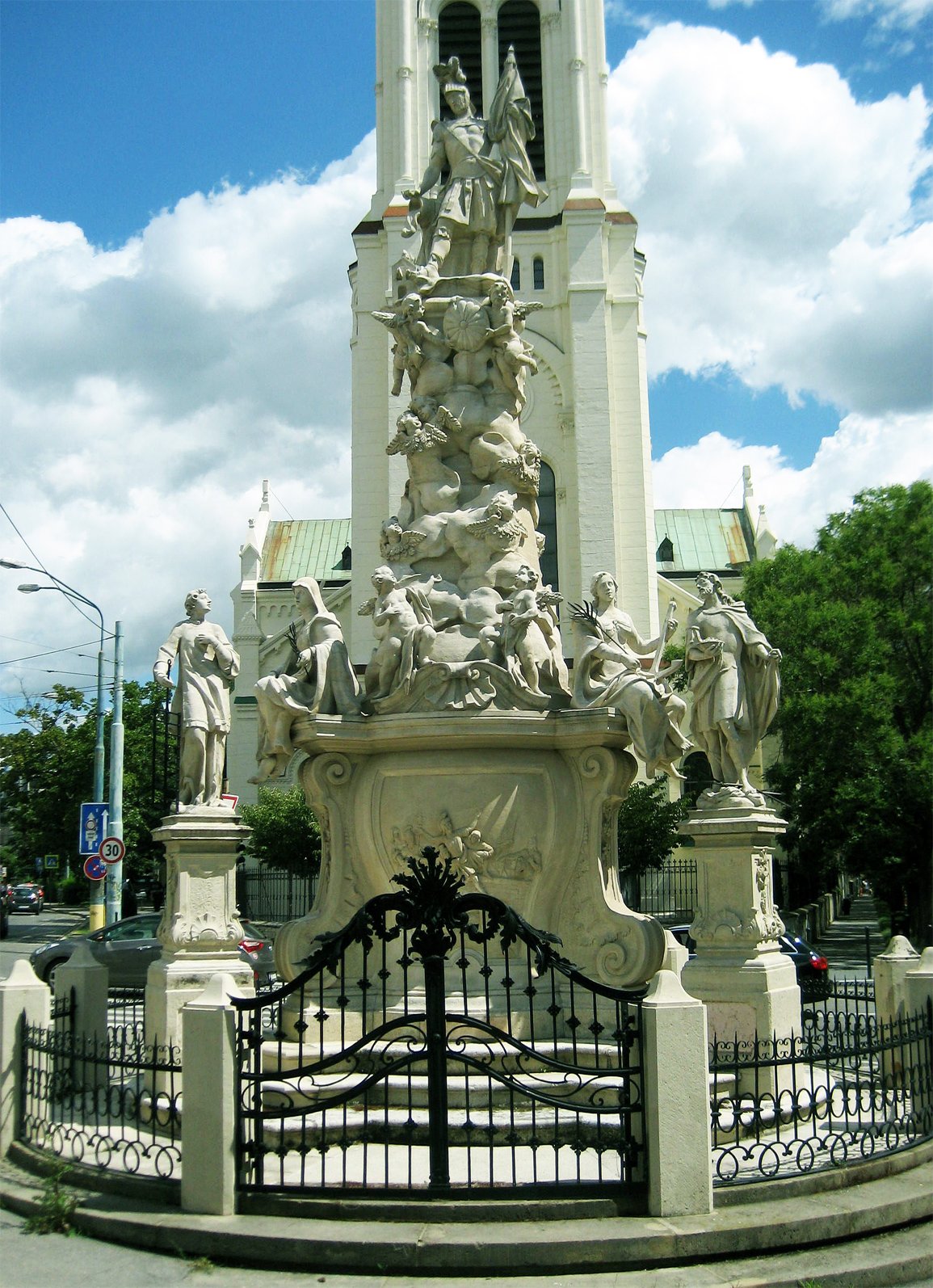
Podunajské Biskupice, Bratislava’s largest borough, boasts a history stretching back to Roman times, including archaeological finds and its place on ancient trade routes. Notable landmarks include the medieval Church of St. Nicholas (first mentioned in 1221), the 18th-century Juraj Albert Manor, and the plague column dedicated to the Virgin Mary and Holy Trinity (erected in 1730). These sites are testament to the area’s deep-rooted religious and aristocratic heritage.
In the Old Town, Kvetinárska Ulica’s late 19th- and 20th-century architecture reflects the city’s transition from a medieval center to a modern European capital. The street’s name alludes to a historical tradition of floristry and market activity, and its architectural variety mirrors Bratislava’s Celtic, Roman, Hungarian, Austrian, and Slovak influences (Bratislava History; History of Bratislava).
Practical Information: Location, Visiting Hours, and Tickets
Location and Accessibility
Kvetinárska Ulica can refer to streets both in Podunajské Biskupice and Old Town Bratislava. The Old Town location is particularly popular with visitors, sitting just minutes from major landmarks like Michael’s Gate and the Danube promenade. In Podunajské Biskupice, the street is a peaceful residential lane easily reached by bus lines 83, 84, and local trams. Both areas offer pedestrian-friendly routes and are accessible via Bratislava’s well-developed public transport (Bratislava Map).
Visiting Hours and Tickets
- Kvetinárska Ulica is a public street open 24/7, with no entrance fees.
- Nearby churches and cultural sites (like the Church of St. Nicholas) generally open Monday–Friday, 9 AM–5 PM. Hours may vary on holidays.
- Shops, cafes, and galleries along the street typically operate 9 AM–7 PM; check individual business hours for specifics.
- Guided tours covering the area may have fees; pre-book through local tourism offices.
Nearby Attractions and Things to Do
Podunajské Biskupice Highlights:
- Church of St. Nicholas Medieval architecture and religious art.
- Juraj Albert Manor Aristocratic 18th-century residence.
- Plague Column 18th-century monument.
- Monastery of the Sisters of Mercy of the Holy Cross Pilgrimage site.
Old Town & Central Bratislava:
- Danube Promenade Riverside walks and cycling.
- St. Martin’s Cathedral
- Slovak National Theatre
- Michael’s Gate and Hlavné námestie (Main Square)
- Blue Church and local parks
Nearby attractions are easily walkable, and guided tours often include stops at Kvetinárska Ulica (Bratislava Printable Tourist Map).
Travel Tips and Accessibility
- Best seasons Spring to early autumn for pleasant weather and outdoor events.
- Accessibility Pedestrian zones, flat terrain, and wide sidewalks make the area accessible. Some older buildings may have limited wheelchair access.
- Transportation Use public transport or walk; Old Town is largely car-free.
- Safety Bratislava is safe, but standard urban precautions are recommended (gov.uk).
Local Life and Community Culture
Kvetinárska Ulica is home to a vibrant community of long-term residents, families, and young professionals. The street is known for its neighborly spirit, reflected in friendly greetings, small bakeries, cafes, and community-run events. Decorative flower boxes and creative window displays highlight the area’s horticultural roots and personal touch (Real Journey Travels).
Local customs include Sunday family lunches, participation in citywide festivals like the White Night (Biela Noc), and support for local artists and craftspeople (Visit Bratislava).
Dining, Shopping, and Events
- Cafés and bakeries Sample local pastries and coffee culture on Kvetinárska Ulica and nearby Obchodná Street.
- Restaurants Try Slovak specialties such as bryndzové halušky and regional wines (Food and Travel Utsav).
- Shops Artisan florists, jewelry makers, and craft boutiques offer unique souvenirs.
- Events Pop-up art exhibitions, open-air concerts, and markets occur throughout the year, reaching a peak during the Bratislava Cultural Summer.
Frequently Asked Questions (FAQ)
Is Kvetinárska Ulica open to the public and free to visit?
Yes, the street is open 24/7 with no entrance fees.
Are guided tours available?
Yes, many walking tours include Kvetinárska Ulica and provide historical context.
Is the area accessible for visitors with limited mobility?
The street and most public spaces are accessible, but some older buildings may not be fully adapted.
What are the best times to visit?
May–September for outdoor events and mild weather; mornings and late afternoons for a peaceful atmosphere.
Can I combine my visit with major attractions?
Absolutely—Kvetinárska Ulica is within walking distance of the Old Town’s key landmarks and the Danube promenade.