
Origins and Founding of the Slovak Philharmonic
Established in 1949 during the post-war cultural renewal of Czechoslovakia, the Slovak Philharmonic was guided by esteemed conductors such as Václav Talich and Ľudovít Rajter. The institution quickly gained a reputation for balancing Slovak musical traditions with the broader European classical repertoire. State-supported from its inception, the Philharmonic reflects Slovakia’s enduring commitment to nurturing and promoting its musical heritage.
The Reduta: Bratislava’s Historic Concert Hall
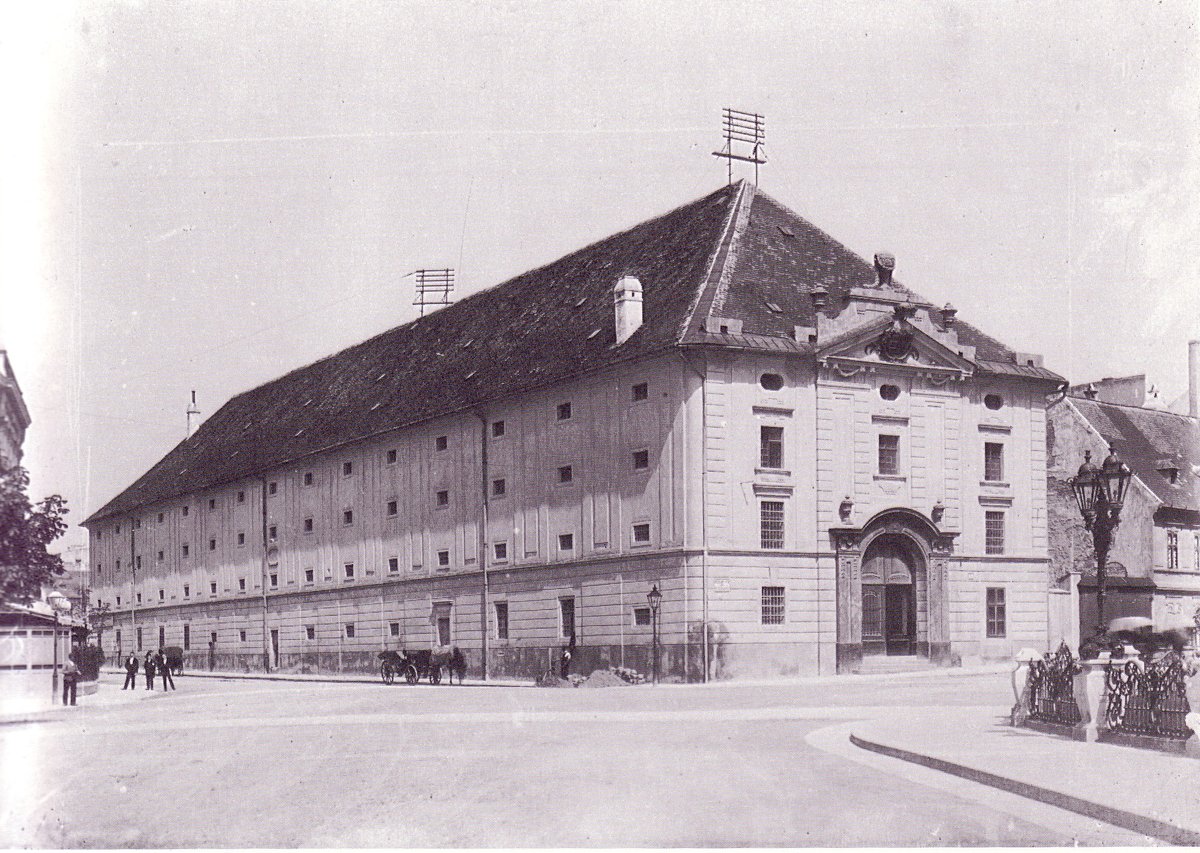
Since the 1950s, the Slovak Philharmonic has been based in the Reduta building at Námestie Eugena Suchoňa 1, in Bratislava’s Old Town. Originally constructed in 1773 as a granary by order of Maria Theresa, it was transformed into a palace of culture between 1913 and 1919 by architects Dezső Jakab and Marcell Komor. The Reduta is a striking fusion of neo-Baroque, Rococo, and Art Nouveau styles, with ornate stucco, stained glass, and decorative balconies. Its main concert hall, acclaimed for its acoustics, seats approximately 700 guests and remains the city’s premier venue for classical music (GoSlovakia, Old Town Explorer).
The Reduta’s cultural role extends beyond music; for much of the 20th century, it hosted balls, social gatherings, and even one of Bratislava’s first cinemas. Today, it is a multifunctional cultural palace that continues to play a central role in the city’s social and artistic life (Spectator SME).
Visiting the Slovak Philharmonic: Practical Information
Visiting Hours
-
Reduta Building Hours
- Monday: 9:00 – 14:00
- Tuesday–Friday: 13:00 – 19:00
- Also open one hour before each scheduled performance (Spectator SME).
-
Box Office Hours
- Monday–Friday: 12:00–18:00
- And one hour before each concert (filharmonia.sk).
Tickets and Discounts
- Where to Buy
- Purchase tickets at the Reduta box office, online via the Slovak Philharmonic website, or through Ticketportal.
- Prices
- Range from €10–€40, depending on the concert and seating.
- Discounts
- 40% for students, seniors, and selected cardholders (EURO 26, ISIC, ITIC, Bratislava Card).
- 10% with Bratislava Card (not valid for Christmas or special concerts).
- School Culture Vouchers accepted (visitbratislava.com).
- Tickets bought 30 minutes before a performance are valid only for that event.
Guided Tours
- Availability
- Guided tours of the Reduta are occasionally available by appointment, offering insights into its history and architecture. Contact the Philharmonic’s visitor services or check the website for details.
Accessibility
- The Reduta is wheelchair accessible, with ramps, elevators, and adapted restrooms. Some historic areas may have restricted access; visitors with special needs should contact the venue in advance (Visit Bratislava).
Travel Tips
- The Reduta is centrally located, easily accessible by public transport, and close to major city landmarks. Public parking is available but limited, so using public transportation is recommended.
- Arrive early to explore the building and surrounding Old Town.
- Dress smart casual for regular concerts; formal attire is recommended for gala events.
Artistic Evolution and International Recognition
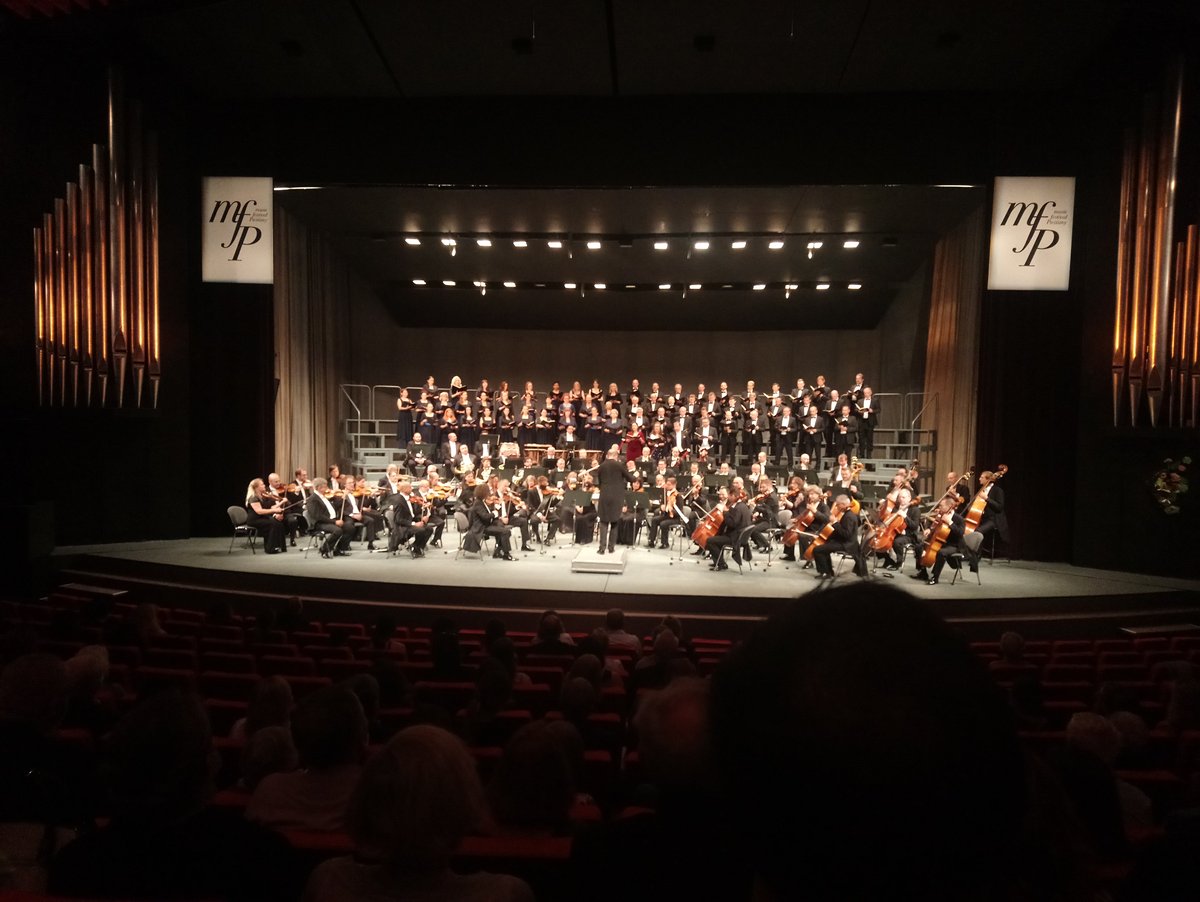
The Slovak Philharmonic has flourished under the direction of leading conductors, including Tibor Frešo, Libor Pešek, and the current Chief Conductor Daniel Raiskin. Its three main ensembles—the orchestra, choir, and chamber orchestra—regularly perform works by Slovak and international composers. The Philharmonic is internationally recognized for its performances at festivals such as the Bratislava Music Festival and Prague Spring, and for its collaborations with world-renowned soloists and conductors (eventland.eu).
Since 2008, digital innovation has enabled live streaming and on-demand recordings, expanding the Philharmonic’s global reach.
Educational Outreach and Community Programs
The Slovak Philharmonic invests in community engagement through educational workshops, masterclasses, and outreach initiatives for young musicians and newcomers to classical music. Pre-concert talks and interactive sessions help demystify classical music and foster audience appreciation.
Special Events and Festivals
Bratislava Music Festival (BHS)
Held annually from late September to early October, the Bratislava Music Festival is a cultural highlight, featuring international orchestras and soloists alongside the Slovak Philharmonic (eventland.eu).
Bratislava Cultural Summer
A vibrant summer series with free or low-cost open-air performances, culminating in major concerts at venues such as the Družba Fountain on Freedom Square (bratislava.sk).
Nearby Attractions and Cultural Experiences
After your concert or tour, explore these nearby Bratislava highlights:
- Bratislava Castle – Panoramic city views and historical exhibitions
- St. Martin’s Cathedral – Iconic Gothic cathedral
- Michael’s Gate – Medieval city entrance
- Hviezdoslav Square – Lively square with cafés and statues
- Slovak National Gallery and Mirbach Palace – Art and history
- The Blue Church – Unique Art Nouveau architecture
The Reduta’s central location makes it ideal for combining a Philharmonic visit with a broader cultural itinerary (GoSlovakia).
Frequently Asked Questions (FAQ)
What are the Slovak Philharmonic’s visiting hours?
Box office: Monday–Friday 12:00–18:00; building: Monday 9:00–14:00, Tuesday–Friday 13:00–19:00; also open one hour before concerts.
How do I buy tickets?
Purchase at the box office, online via the official site, or through Ticketportal.
Is the Reduta wheelchair accessible?
Yes, with ramps and elevators; some historic areas may have limited access.
Are guided tours available?
Occasionally, by appointment—check with visitor services.
Are there discounts?
Yes, 40% for students/seniors/cardholders; 10% with Bratislava Card (most concerts).
What language are performances and tours in?
Primarily Slovak, but English assistance and materials are often available.
Is there a dress code?
Smart casual for most concerts; formal attire for gala events.