
Historical Development
Šíravská Ulica’s roots reflect the transformation of Vrakuňa from a medieval village to a modern borough of Bratislava. The street was named after the Zemplínska šírava reservoir, following a broader tradition of honoring Slovak geographical features (Wikipedia).
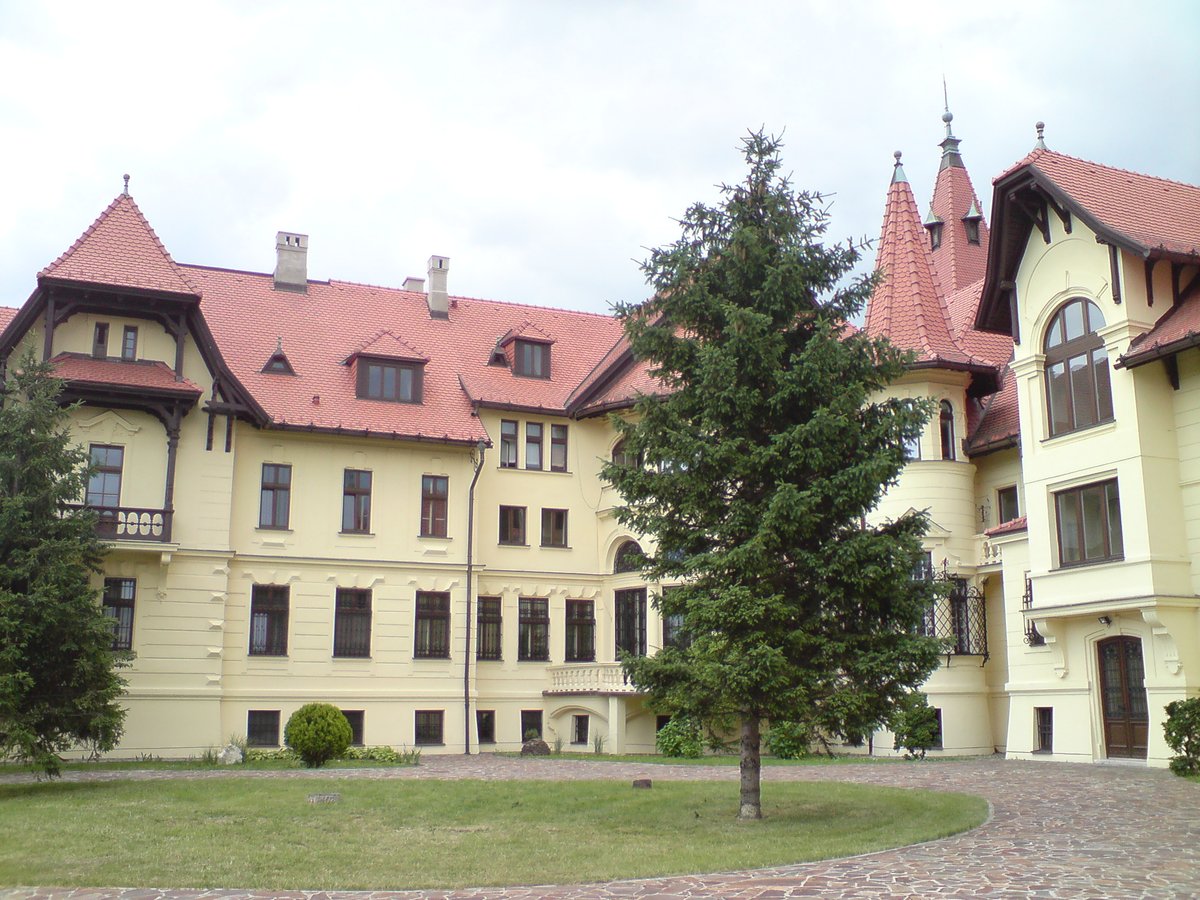
A significant milestone was the establishment of a Hungarian-language school in 1912, which served the local Hungarian-speaking population during the Austro-Hungarian era. The school played a pivotal role in education and cultural preservation and, following a wave of modernization, was converted into a dialysis center in 2017—demonstrating the district’s commitment to heritage and contemporary needs.
Cultural and Social Significance
Multicultural Heritage
Vrakuňa, and Šíravská Ulica in particular, has always been a meeting ground for diverse communities. The presence of Slovak, Hungarian, and German-speaking populations over the centuries fostered a unique cultural tapestry. The former Hungarian school stands as a testament to this multiculturalism and to the area’s resilience through changing borders and identities (Wikipedia).
Transformation and Modern Use
Today, Šíravská Ulica blends its historical character with modern functionality. The adaptive reuse of the school building as a healthcare center illustrates Vrakuňa’s approach to balancing heritage preservation with current societal needs.
Urban Development and Infrastructure
Street Layout and Connectivity
Šíravská Ulica is straightforward in design, intersecting primarily with Poľnohospodárska Ulica and offering convenient access to Bratislava’s public transportation network. The street is a short walk from bus and tram stops, making it easily reachable from the city center (Zoznam Map).
Residential and Community Facilities
The area is predominantly residential, with a mix of mid- to late-20th-century apartment buildings and family homes. Essential community services—small shops, bakeries, a dialysis center, and public institutions—contribute to the neighborhood’s vibrant local character.
Historical Context within Bratislava
Vrakuňa’s integration into Bratislava during the 20th century marked a period of rapid urbanization and infrastructural upgrades. Once a standalone village, Vrakuňa became a model for the city’s suburban expansion, mirroring shifts in demographics and social priorities. The evolution from the area’s Hungarian school to a healthcare center encapsulates this adaptive journey (Wikipedia; Visit Bratislava).
Visitor Information: Visiting Hours, Tickets & Tours
Accessibility and Public Transport
Šíravská Ulica is fully accessible via Bratislava’s municipal transport system. Bus lines 72, 83, and 92, as well as nearby tram connections, provide regular service from key city hubs (Zoznam Map).
Visiting Hours and Tickets
The street is public and accessible at any time. No tickets or entrance fees are required for visitors wishing to explore Šíravská Ulica or its immediate surroundings. The dialysis center is a functioning medical facility and not open for tours.
Guided Tours and Special Events
While there are no official guided tours of Šíravská Ulica itself, some city walking tours include stops in Vrakuňa to highlight Bratislava’s suburban life and multicultural history. Seasonal community events, such as farmers’ markets or outdoor performances, are occasionally held nearby. Check the Visit Bratislava and Vrakuňa municipality websites for event calendars.
Points of Interest
- Former Hungarian School (Dialysis Center) A key landmark reflecting the street’s dual heritage of education and healthcare.
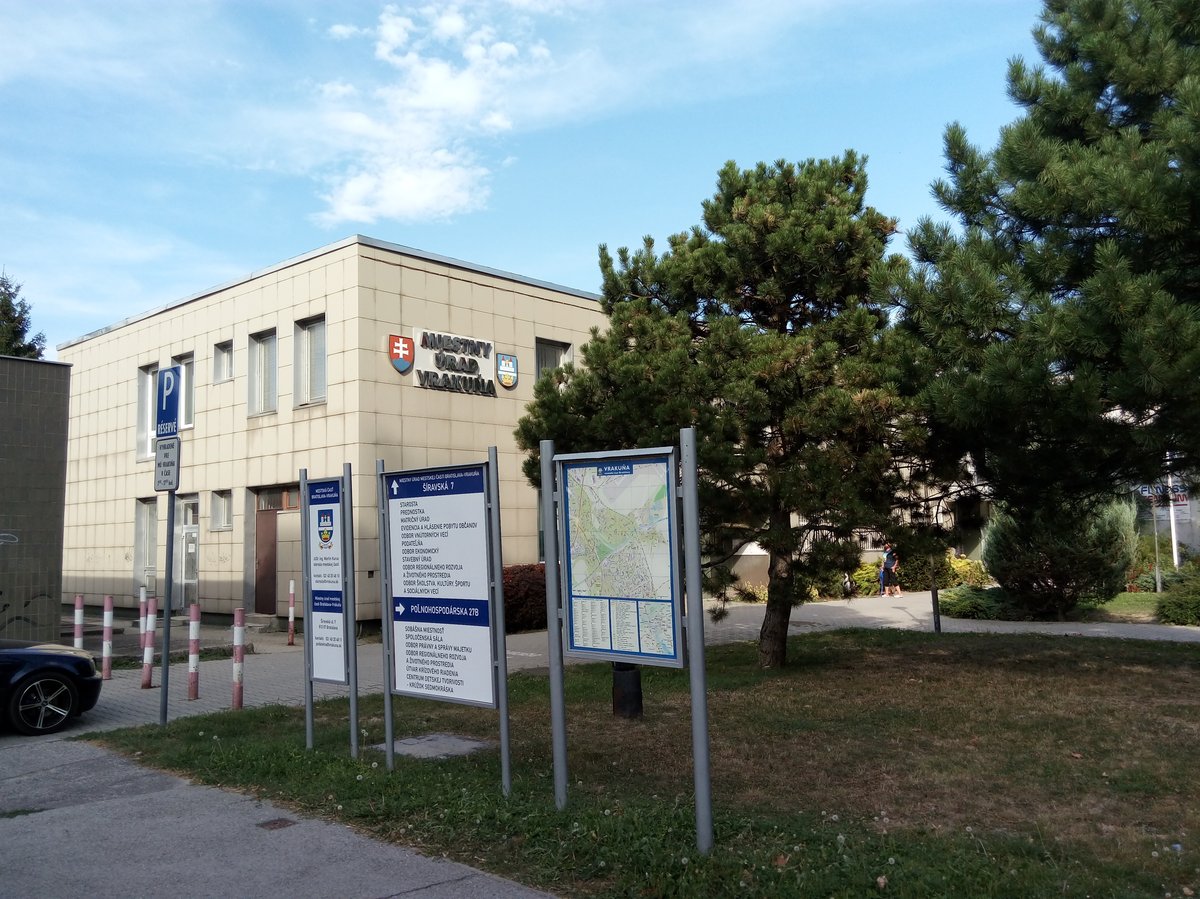
- Miestny Úrad Bratislava – Vrakuňa (Local Municipal Office) Administrative center and focal point for community affairs.
- Vrakunské Voľnočasové Centrum "Vevecečko" Leisure center offering fitness classes, workshops, and events.
- Public Library Branch Resource for literature, events, and local engagement.
- Local Shops and Green Spaces Small businesses and parks exemplifying everyday life in Vrakuňa.
Preservation and Future Prospects
The careful preservation and adaptive reuse of Šíravská Ulica’s historical buildings demonstrate Bratislava’s commitment to sustainable development and cultural memory. As the city continues to grow, maintaining neighborhoods like Šíravská Ulica is vital for safeguarding Bratislava’s diverse social fabric (Wikipedia).
Community Institutions and Events
Vrakuňa Local Municipal Office
- Address Šíravská 7, 821 07 Bratislava
- Hours Mon–Fri, 8:00–16:00
- Services Local governance, permits, community support
- Accessibility Wheelchair accessible, near public transit (Vrakuna.sk)
Vrakunské Voľnočasové Centrum "Vevecečko"
- Hours Mon–Sat, 9:00–20:00
- Activities Workshops, after-school programs, fitness
- Tickets Most activities are free or low-cost
Vrakuňa Public Library Branch
- Hours Tue–Fri, 10:00–18:00; Sat, 10:00–14:00
- Services Literature, internet access, reading events
Local Events
- Farmers’ Markets Regular seasonal events with local produce and crafts
- Summer Theater Open-air performances in nearby parks
- Workshops and Festivals Art, music, and holiday events
Everyday Life and Local Experience
Šíravská Ulica exemplifies Bratislava’s suburban spirit. Residents gather in green spaces, support family-run businesses, and participate in communal events. Multilingualism is common, with Slovak, Hungarian, and German spoken, reflecting the area’s rich heritage. Local bakeries and cafés offer a taste of traditional Slovak cuisine, and wine culture is celebrated through community gatherings.
Practical Visitor Guide
- Public Access No entrance fees; respect residential privacy
- Transport Buses 72, 83, 92; nearby tram connections
- Parking Limited; public transport recommended
- Accessibility Sidewalks and public buildings are generally wheelchair accessible
- Language English widely spoken, but learning a few Slovak phrases is appreciated
- Best Time to Visit Spring through early autumn, when outdoor events and markets are most frequent
- Nearby Attractions Old Town, Bratislava Castle, Sad Janka Kráľa park, Vrakuňa Forest Park
Summary and Visitor Recommendations
Šíravská Ulica is a living portrait of Bratislava’s multicultural, suburban character. Its historical evolution from a Hungarian school site to a modern community hub offers visitors insight into the adaptive spirit of Vrakuňa and the city as a whole. Easily accessible by public transport and enriched by vibrant community institutions and events, Šíravská Ulica is perfect for travelers seeking Bratislava’s authentic neighborhoods and off-the-beaten-path experiences.
For up-to-date community events, guided tours, and practical details, consult official resources and consider leveraging digital tools like the Audiala app. Embrace Šíravská Ulica’s unique blend of history, local life, and urban development to deepen your understanding of Slovakia’s capital (Wikipedia; Vrakuna.sk; Visit Bratislava; Zoznam Map).