
Modern-Day Relevance
Yeni Valide Cami remains an active place of worship and a cultural landmark, attracting visitors interested in its architecture and history (Istanbul Tourism).
History of Yeni Valide Cami
Foundation and Patronage
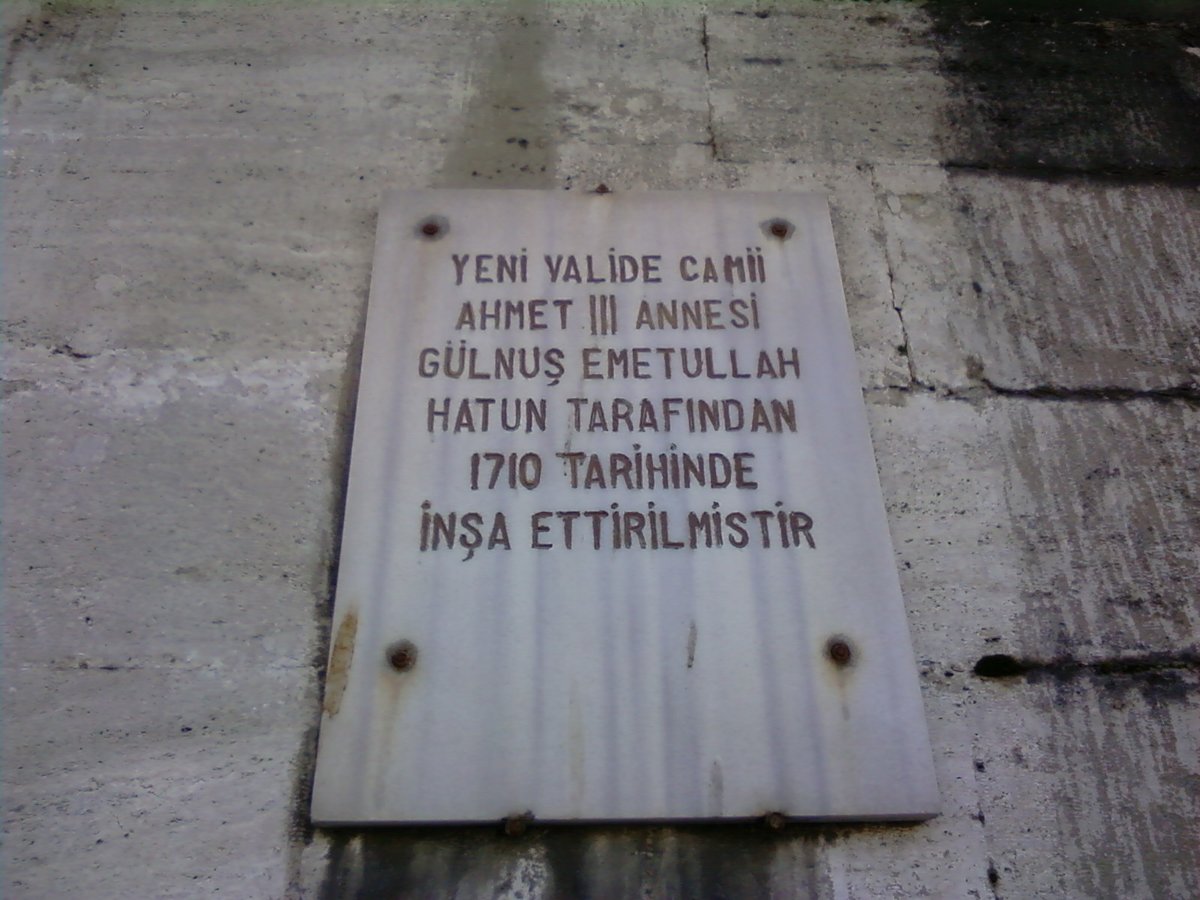
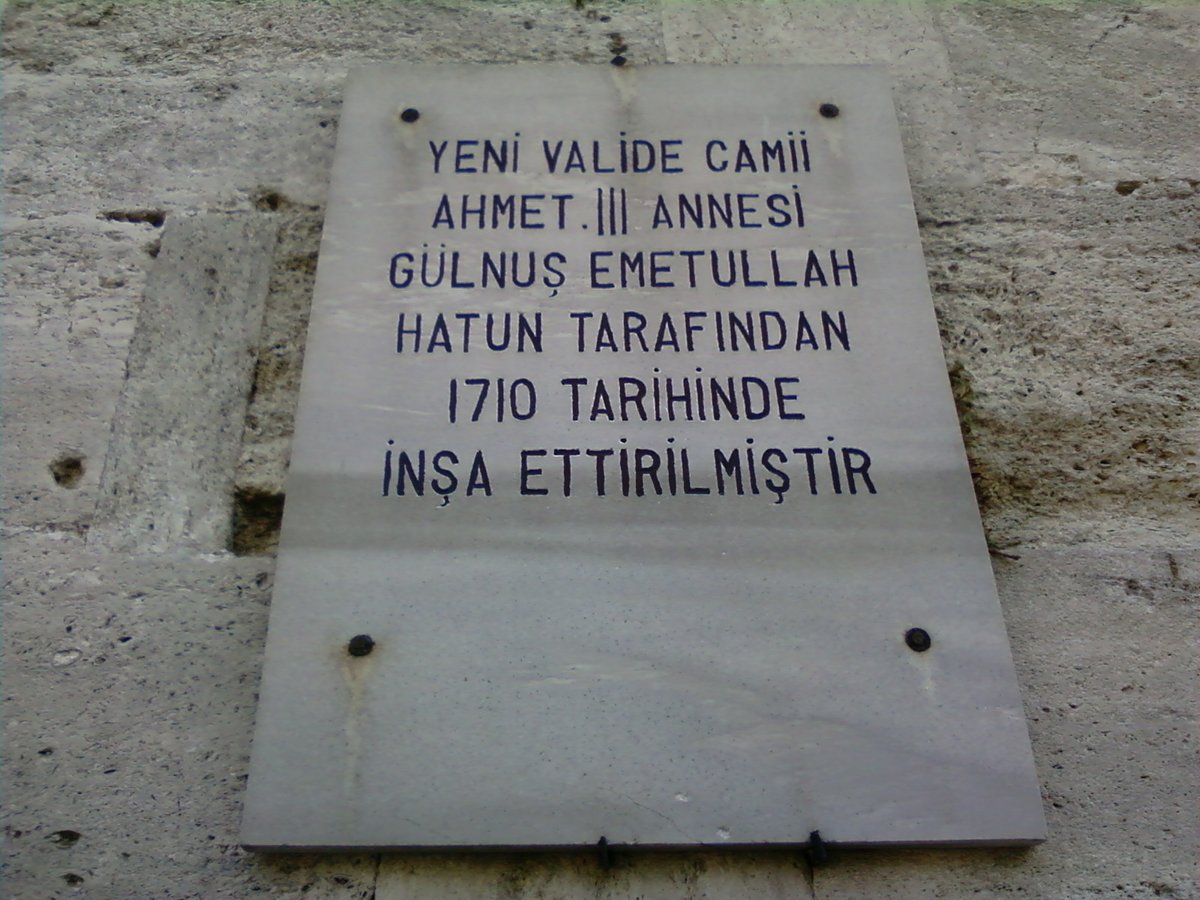
The mosque’s commission by Emetullah Rabia Gülnuş Sultan reflects the Ottoman tradition of royal women, particularly Valide Sultans (Queen Mothers), patronising religious and public buildings. This patronage expressed their influence, piety, and dedication to public welfare.
Historical Significance
The mosque was built during the Tulip Era (Lale Devri), a period of relative peace and prosperity marked by a flourishing of Ottoman arts, culture, and architecture. New artistic styles emerged during this era, including a blending of traditional Ottoman and European influences.
The mosque complex also supported religious and educational life. Its madrasa taught Islamic sciences, literature, and other subjects, while its library housed manuscripts and books and served as a centre of learning.
Cultural and Religious Role
The mosque serves the local Muslim community with daily prayers, Friday sermons, and special religious events. During Ramadan, it hosts communal iftar meals and Tarawih prayers. Its cultural significance also reflects the contributions of royal women to Ottoman society.
Restoration and Preservation
The mosque has undergone several restorations. The most notable took place in the late 19th century, during the reign of Sultan Abdulhamid II, to repair damage from natural wear and restore the building’s original splendour.
In recent years, the Turkish government and cultural organisations have supported regular maintenance, structural repairs, and restoration of decorative features, including tiles, calligraphy, and woodwork. The mosque is a protected cultural heritage site.
Notable Events and Personalities
During the Ottoman period, the mosque was associated with royal ceremonies and public gatherings. It also served as a refuge during crises, including natural disasters and political upheavals. Emetullah Rabia Gülnuş Sultan’s patronage is commemorated by the mosque, and her tomb within the complex is of historical and cultural significance.
What to See
Architectural Design and Features
Yeni Valide Cami reflects the classical Ottoman style. Its large central dome is flanked by four semi-domes, creating a spacious interior. Iznik tiles, calligraphy, intricate woodwork, and its minarets contribute to the mosque’s design.
The complex includes a courtyard surrounded by a colonnaded portico, a central fountain for ablutions, a madrasa, a library, and Gülnuş Sultan’s tomb. The fountain is used for ritual purification before prayers.
Visitor Information
Visiting Hours
The mosque is open to visitors daily. One listing gives typical visiting hours as 8:00 AM to 6:00 PM; another describes the mosque as open from early morning until late evening, with hours varying slightly by season. Check the latest hours on the official website of the Turkish Ministry of Culture and Tourism.
Ticket Information
Entry is free. Donations toward the mosque’s maintenance and preservation are welcome.
Transportation and Getting There
- Ferry The mosque is a short walk from the Üsküdar ferry terminal, with connections to areas including Eminönü and Beşiktaş.
- Metro Üsküdar metro station on the M5 line is nearby.
- Bus Numerous bus routes pass through Üsküdar.
- Taxi Taxis are available throughout Istanbul. A ride from central areas such as Sultanahmet or Taksim typically takes around 20–30 minutes, depending on traffic.
Accessibility
The mosque is relatively accessible for visitors with mobility issues. The main entrance has a few steps, with ramps available for wheelchair users. The interior floor is flat and spacious, though some older sections and upper floors may not be accessible to people with limited mobility.
Guided Tours and Information
The mosque does not provide official guided tours, but local tour companies include visits to Yeni Valide Cami in some Istanbul tours. Informational plaques and brochures at the mosque offer details about its history and architecture.
Language and Communication
Turkish is the primary language spoken at the mosque, but many staff and local guides speak English. Informational materials are often available in multiple languages, including English.
Refreshments and Facilities
There are no dining facilities within the mosque. Cafés and restaurants in Üsküdar serve traditional Turkish tea, coffee, and meals. Public restrooms are available near the mosque, along with ablution facilities for wudu (ritual washing).
Safety and Security
Security personnel patrol the mosque, and CCTV cameras are in place. As at any popular tourist destination, visitors should keep an eye on their belongings and surroundings.
Visitor Tips
Travel Tips
- Dress modestly Everyone should cover their shoulders and knees. Men should wear long trousers and avoid sleeveless shirts. Women should cover their heads and wear long sleeves and long skirts or trousers. Scarves are often available at the entrance.
- Remove your shoes Shoes must be removed before entering; designated areas are available for storing footwear.
- Be respectful The mosque is an active place of worship. Keep conversations quiet, especially during prayer times, and avoid pointing your feet toward the qibla (the direction of Mecca) when seated.
- Plan around prayers The five daily prayers take place at dawn, midday, mid-afternoon, sunset, and night. Visiting outside prayer times helps avoid disrupting worshippers. Fridays, the holy day in Islam, can be particularly busy around midday prayer.
- Take photographs discreetly Photography is generally allowed, but avoid flash and taking photos during prayers. Some areas may have restrictions; check signs or ask a staff member if unsure. Commercial filming requires prior permission from mosque authorities.
Nearby Attractions
- Mihrimah Sultan Mosque A short walk away, this mosque was commissioned by Mihrimah Sultan, the daughter of Suleiman the Magnificent.
- Üsküdar Market A bustling market where visitors can experience local life, shop for souvenirs, and enjoy traditional Turkish cuisine.
- Maiden’s Tower (Kız Kulesi) This iconic tower on a small Bosphorus islet offers panoramic views of Istanbul and has a café and restaurant.