
Construction and Architectural Features
Rapid Construction and Workforce
Remarkably, Rumelihisarı was completed in just four months, from March to August 1452, under the direct supervision of Mehmed II (rumelihisari.info). A workforce of over 1,000 craftsmen, laborers, and support staff, with materials sourced from across the empire, enabled this feat. Each of the three main towers was assigned to a different vizier, with the Sultan overseeing all sea-facing sections.
Fortress Layout and Defensive Innovations
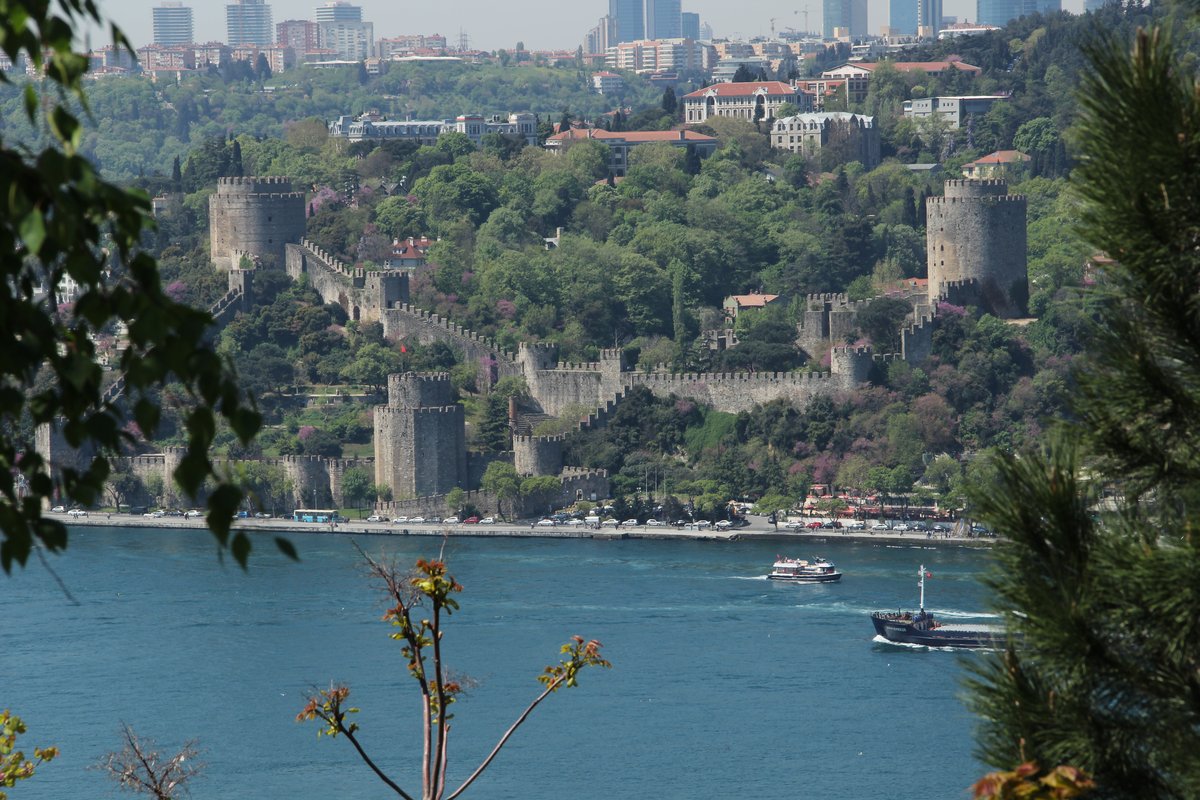
- Three Main Towers Halil Pasha, Saruca Pasha, and Zaganos Pasha towers, each up to 28 meters high and with walls up to 7 meters thick (The Other Tour).
- Curtain Walls Connecting the towers are 250 meters of walls with 13 smaller bastions and five reinforced gates.
- Design Adaptations The fortress follows the natural hills, providing panoramic views and enhanced defense (Istanbul.tips).
- Interior Features Inside, you'll find remnants of cisterns, a reconstructed mosque, and secret passages for troop movement (Istanbuljoy).
- Military Adaptations The thick walls and strategic artillery placements reflect the shift to early modern siege warfare (Muze.gen.tr).
Role in the Conquest of Constantinople
Rumelihisarı’s completion enabled the Ottomans to enforce an effective naval blockade during the 1453 siege of Constantinople (rumelihisari.info). Its cannons deterred and destroyed any ships attempting to aid the Byzantines, sealing the city’s fate and ensuring the success of Mehmed II’s campaign—a turning point in world history (afar.com).
Post-Conquest Use and Preservation
After the conquest, the fortress remained a strategic military site, later serving as a customs checkpoint, prison, and barracks (Wikipedia). Despite earthquake and fire damage over the centuries, Rumelihisarı was repeatedly restored, particularly in the 20th and 21st centuries, and opened as a museum and cultural venue in 1960 (Istanbuljoy; Wikipedia).
Visitor Information: Hours, Tickets, and Accessibility
- Opening Hours Typically open daily from 9:00 AM to 7:00 PM (April–October) and 9:00 AM to 5:00 PM (November–March). Closed on Mondays for maintenance. Hours may vary; always confirm before visiting (Istanbul Clues).
- Tickets Entrance is approximately 6 Euros (2024), with discounts for students and children. Museum Pass Istanbul is accepted (Istanbul Clues); tickets can be purchased at the gate or online.
- Accessibility Due to historic structures, access is limited for visitors with mobility challenges—expect steep stairs, uneven paths, and narrow passageways.
- Facilities Restrooms and a small café are available near the entrance. Guided tours in multiple languages are offered; booking in advance is advised during peak seasons.
Cultural Events and Neighborhood Life
The fortress’s open-air amphitheater is a unique venue for classical music concerts, jazz, theater, and festivals—especially in spring and summer (2Istanbul). The surrounding Rumelihisarı neighborhood is beloved for its historic streets, Bosphorus-side cafes, and renowned breakfast spots (Istanbul Clues). The area is lively on weekends, with visitors enjoying walks, seafood restaurants, and scenic views.
Getting There and Travel Tips
- By Bus Lines 22, 25E, and 40T from Beşiktaş, Taksim, or Sarıyer stop near the fortress.
- By Metro Take the M2 line to Hacıosman, then a minibus or taxi.
- By Ferry Disembark at Bebek or Arnavutköy for a pleasant walk or short taxi ride.
- By Car Parking is limited, especially on weekends; public transport is recommended.
- Travel Tips Wear sturdy shoes, bring sun protection, and consider early morning or weekday visits to avoid crowds.
Frequently Asked Questions (FAQ)
Q: What are Rumelihisarı’s visiting hours?
A: Generally 9:00 AM–7:00 PM April–October, 9:00 AM–5:00 PM November–March; closed Mondays.
Q: How much are tickets?
A: Entrance is 6 Euros (2024); discounts available; Museum Pass Istanbul is accepted.
Q: Is Rumelihisarı accessible for people with disabilities?
A: Accessibility is limited due to stairs and uneven terrain; inquire ahead for assistance.
Q: Are guided tours available?
A: Yes, in multiple languages; advance booking recommended.
Q: What are the best times to visit?
A: Spring and early summer offer pleasant weather and coincide with cultural events; weekdays are less crowded.