
Historical Background
Byzantine Origins
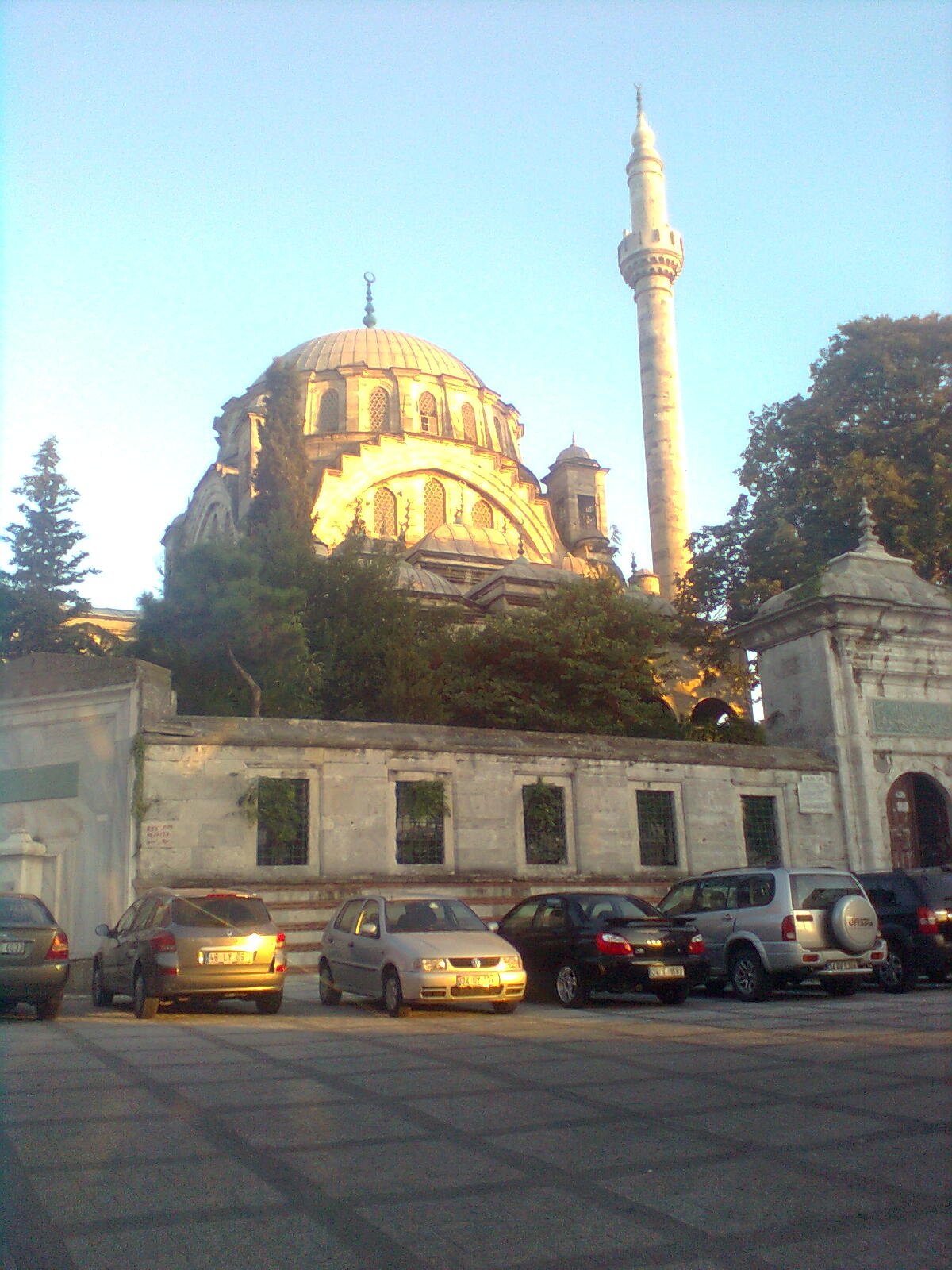
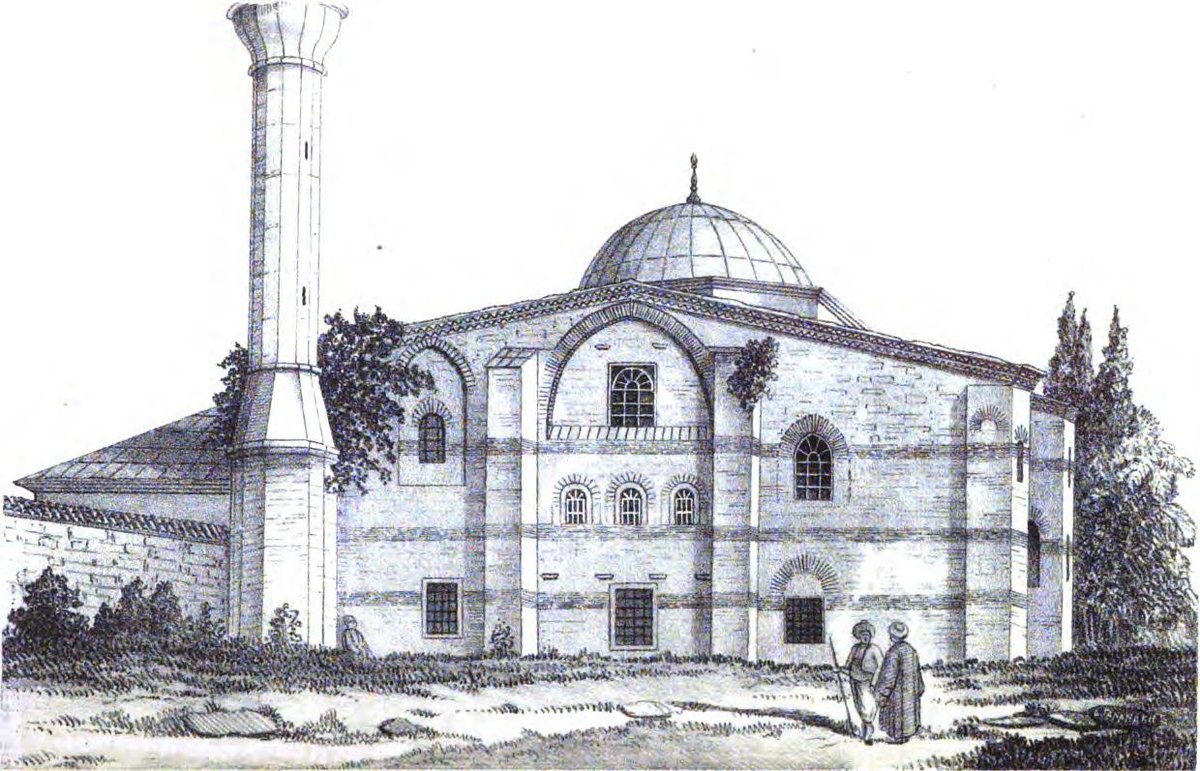
The Atik Mustafa Pasha Mosque was initially constructed as a Byzantine church, likely in 1059, and is among the rare surviving examples of 11th-century Byzantine religious architecture in Istanbul (Wikipedia; Türkiye Today). The church’s original dedication is debated, with some attributing it to Saints Peter and Mark, others to Saints Cosmas and Damian, and yet others to Saint Thekla of Blachernae (The Byzantine Legacy). Its cross-in-square layout features a central dome supported by four arches, reflecting Middle Byzantine architectural style. Remnants of marble, mosaics, and frescoes—some uncovered during recent restorations—underscore the church’s former grandeur (Türkiye Today).
Ottoman Conversion
Following the Ottoman conquest of Constantinople in 1453, the church was transformed into a mosque by Grand Vizier Koca Mustafa Pasha during Sultan Bayezid II’s reign (Wikipedia; Türkiye Today). The conversion retained much of the original Byzantine architecture while adapting the space for Islamic worship, including the addition of a mihrab, minbar, and minaret. The mosque’s enduring structure symbolizes Istanbul’s transition from Byzantine to Ottoman rule.
Architectural Features
The mosque retains its compact cross-in-square plan, measuring approximately 15 by 17.5 meters, with three polygonal apses—a rarity in Istanbul. The robust masonry of brick and stone, typical of Byzantine construction, supports a central dome resting on a drum with windows for natural light. While the exterior is simple and austere, reflecting both Byzantine and Ottoman sensibilities, Ottoman modifications—such as the modest minaret—seamlessly integrate into the original form (kulturenvanteri.com).
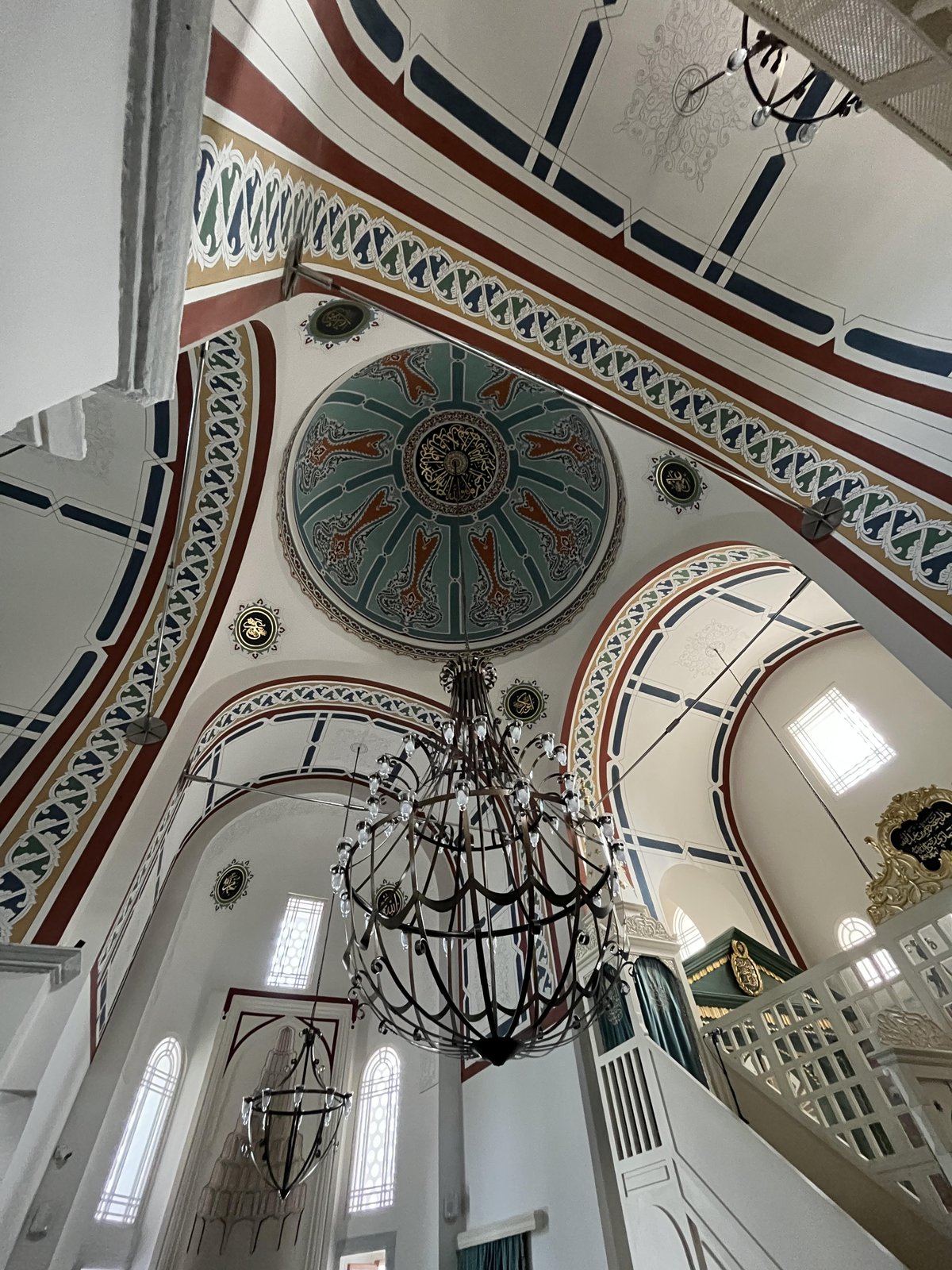
The interior is notable for its centralized spatial arrangement. Though most of the original mosaics and frescoes have not survived, recent restoration has revealed floor mosaics and religious frescoes, distinguishing the mosque from other former Byzantine churches in the city (istanbul.tips). Ottoman elements such as the mihrab and minbar are understated, aligning with the overall architectural restraint.
Restoration and Preservation
The mosque has undergone several restorations, most recently completed in May 2024. These efforts focused on stabilizing the foundation, conserving original masonry, and enhancing accessibility while adhering to international preservation standards (kulturenvanteri.com). The restoration also included clear signage and improved visitor pathways.
Visiting Information
Hours and Entry
- Opening Hours Daily, 9:00 AM to 6:00 PM. Access to the main prayer hall is limited during the five daily prayers and on Friday afternoons.
- Tickets Entry is free; donations are welcomed for maintenance.
Accessibility
- Getting There Located in Fatih district, near the Golden Horn. Easily reached by tram (T1 line to Ayvansaray stop), bus, or taxi.
- Facilities Ramps and clear pathways make the mosque accessible to visitors with limited mobility, though some uneven surfaces remain.
Dress Code and Etiquette
- Attire Modest dress is required. Men should wear long trousers; women should cover their heads, arms, and legs.
- Shoes Remove shoes before entering. Bags are usually provided for carrying footwear.
- Behavior Maintain silence and respect, especially during prayers. Set phones to silent and avoid disruptive photography.
Travel Tips
- Best Times Spring (April–June) and autumn (September–November) offer pleasant weather and fewer crowds.
- Photography Permitted outside of prayer times; flash and tripods may be restricted.
- Guided Tours While no official mosque tours are offered, local operators often include the site in historical itineraries.
- Nearby Amenities Facilities are basic; ablution areas and simple restrooms are available.
Nearby Attractions
- Blachernae Palace Ruins
- Golden Horn Waterfront
- Balat District (colorful houses, historic churches)
- Chora Mosque (Kariye Museum)
- Other Byzantine churches-turned-mosques in Fatih
Frequently Asked Questions (FAQ)
Q: What are the visiting hours of Atik Mustafa Pasha Mosque?
A: Daily from 9:00 AM to 6:00 PM, except during prayer times.
Q: Is there an entrance fee?
A: No, entry is free; donations are appreciated.
Q: Are guided tours available?
A: No official tours, but many city tours include the mosque.
Q: Is the mosque wheelchair accessible?
A: Recent restorations have improved accessibility, though some areas may be challenging.
Q: Can I take photographs inside?
A: Yes, outside prayer times and without flash. Respect worshippers’ privacy.