Historical Background
Foundation and Patronage
Molla Hüsrev Camii was commissioned by Molla Hüsrev Efendi, a prominent Islamic scholar and the chief religious authority (şeyhülislam) during the reign of Sultan Mehmed II. Completed in 1460, it was among the first religious structures constructed after the Ottoman conquest of Constantinople, symbolizing the city’s new religious and cultural direction. Molla Hüsrev’s influence extended beyond theology, as the mosque quickly became a hub for legal and educational reforms, serving as a center for both worship and learning (Gezgin Rehberler, tr.wikipedia.org).
Architectural Evolution
Original Structure
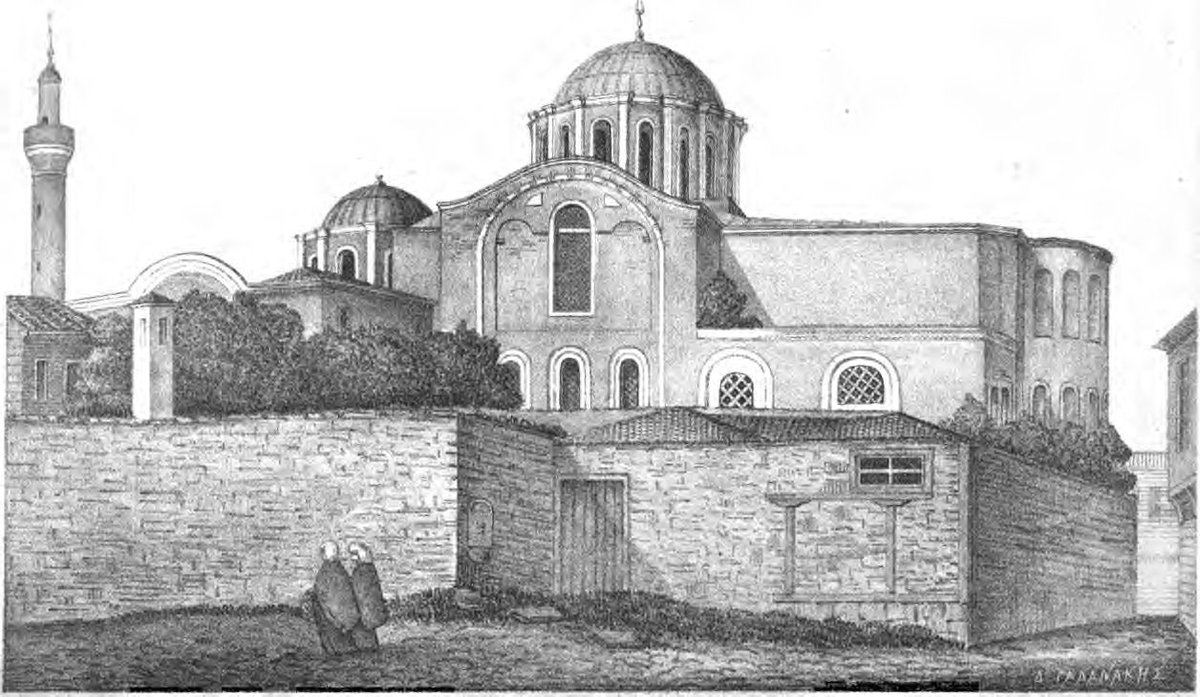
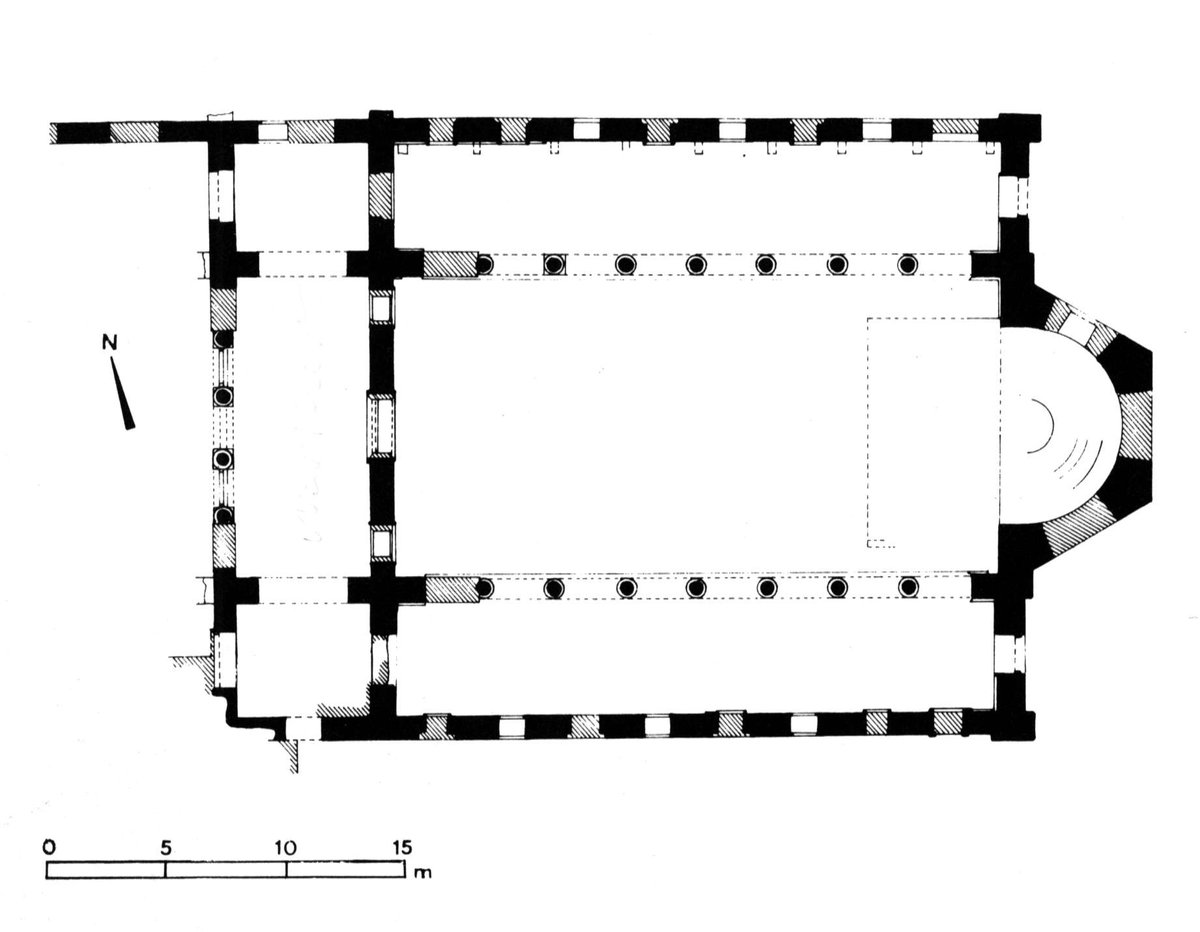
The mosque was initially designed as a small prayer hall (mescit) with a reversed T-shaped plan—a hallmark of early Ottoman architecture. Its masonry walls, broad wooden roof, and pronounced square mihrab set it apart from contemporaries.
Modifications Over Time
- 17th Century Addition of the minber transformed the mescit into a full mosque, allowing Friday prayers.
- 19th Century The minaret was rebuilt after damage from the 1894 Istanbul earthquake.
- Early 20th Century Major restoration, including roof repairs, funded by local philanthropists.
- Recent Restorations The 2018 restoration preserved original kalem işi (painted decorations), enhancing the mosque’s historic ambiance and structural integrity.
Architectural Features and Artistic Elements
- Plan and Layout The reversed T-plan accommodates a wide prayer hall (approximately 18 meters across), supported by six wooden columns and a five-arched portico.
- Materials The structure combines masonry with a wooden roof covered in tiles, reflecting both practical building methods and the modest scale of a neighborhood mosque.
- Mihrab and Minaret The square mihrab projects from the qibla wall, while the slender minaret—rebuilt in the late 19th century—retains early Ottoman stylistic features.
- Interior Decoration The interior boasts a harmonious palette of cream, green, and pink, highlighted by restored kalem işi and simple wooden craftsmanship. Ottoman calligraphy and geometric motifs decorate the walls, focused around the mihrab and entrance.
- Women’s Section Accessible via a side staircase, reflecting the mosque’s commitment to inclusivity in worship.
Visiting Molla Hüsrev Camii
Opening Hours
- Open Daily 9:00 AM – 6:00 PM
- Closures Visitors are not permitted during the five daily prayers or during special prayers, particularly on Fridays and religious holidays.
Tickets and Admission
- Entry Free of charge.
- Donations Welcomed to support ongoing preservation and maintenance.
Accessibility
- Transport Easily accessible via public transport. The nearest tram stop is Grand Bazaar or Laleli-Üniversite, with a short walk to the mosque (Kayak).
- Mobility The mosque itself has a ground-level entrance, though narrow surrounding streets and some steps may challenge visitors with limited mobility.
Guided Tours and Visitor Tips
- Tours Local tour operators occasionally include Molla Hüsrev Camii in Istanbul mosque tours. Inquire in advance.
- Best Time to Visit Early morning or late afternoon, outside prayer times, for a peaceful experience.
- Photography Permitted respectfully (no flash or tripods; avoid photographing worshippers, especially during prayers).
Location and Directions
- Address Molla Hüsrev Mahallesi, Sofular Caddesi, Fatih, Istanbul.
- Nearby Amenities Cafés, shops, and hotels such as Birlik Apart Hotel and Ramada Plaza are within walking distance (Trip.com).
Nearby Attractions
- Ekmel (Sofular) Tekkesi A Sufi lodge dating to 1504, directly opposite the mosque, known for its ornate gravestones and marble plaques.
- Sofular Hamamı A historic Turkish bathhouse from the era of Sultan Bayezid II.
- Fatih Mosque Complex One of Istanbul’s grandest mosque complexes, a short walk away.
- Grand Bazaar The world-famous covered market is nearby, perfect for combining cultural exploration and shopping.
- Emir Hoca Madrasa & Other Mosques The area is dense with Ottoman-era religious schools and mosques, ideal for further discovery (Nomadic Niko).
Preservation and Restoration
Molla Hüsrev Camii has endured centuries of earthquakes, fires, and urban development. Notably, the 2018 restoration helped recover original kalem işi decorations and stabilized the wooden structure. These efforts ensure that both worshippers and visitors can continue to experience the mosque’s unique atmosphere and historical value (Camiler.org).
Visitor Etiquette and Practical Tips
- Dress Code Modest attire is required. Men should wear long trousers; women must cover their heads, arms, and legs. Scarves are typically available at the entrance, but bringing your own is recommended.
- Shoes Remove before entering the prayer hall; storage shelves provided.
- Conduct Maintain silence, switch off mobile phones, and avoid eating or drinking inside.
- Respect Prayer Times Non-Muslim visitors should not enter during prayers. Observe posted signs.
- Children Should be supervised at all times to preserve the mosque’s tranquil environment.
- Safety Keep valuables secure, especially during busy periods.
Frequently Asked Questions (FAQ)
Q: What are the visiting hours for Molla Hüsrev Camii?
A: Open daily from 9:00 AM to 6:00 PM, with closures during prayers and special religious events.
Q: Is there an entrance fee?
A: No, entry is free. Donations are appreciated.
Q: Can I take photographs inside?
A: Yes, with respect—avoid flash and photographing worshippers, especially during prayers.
Q: Is the mosque wheelchair accessible?
A: The mosque has ground-level access, but narrow streets and some steps may present challenges.
Q: Are guided tours available?
A: Local tour operators may offer guided visits; check availability in advance.