
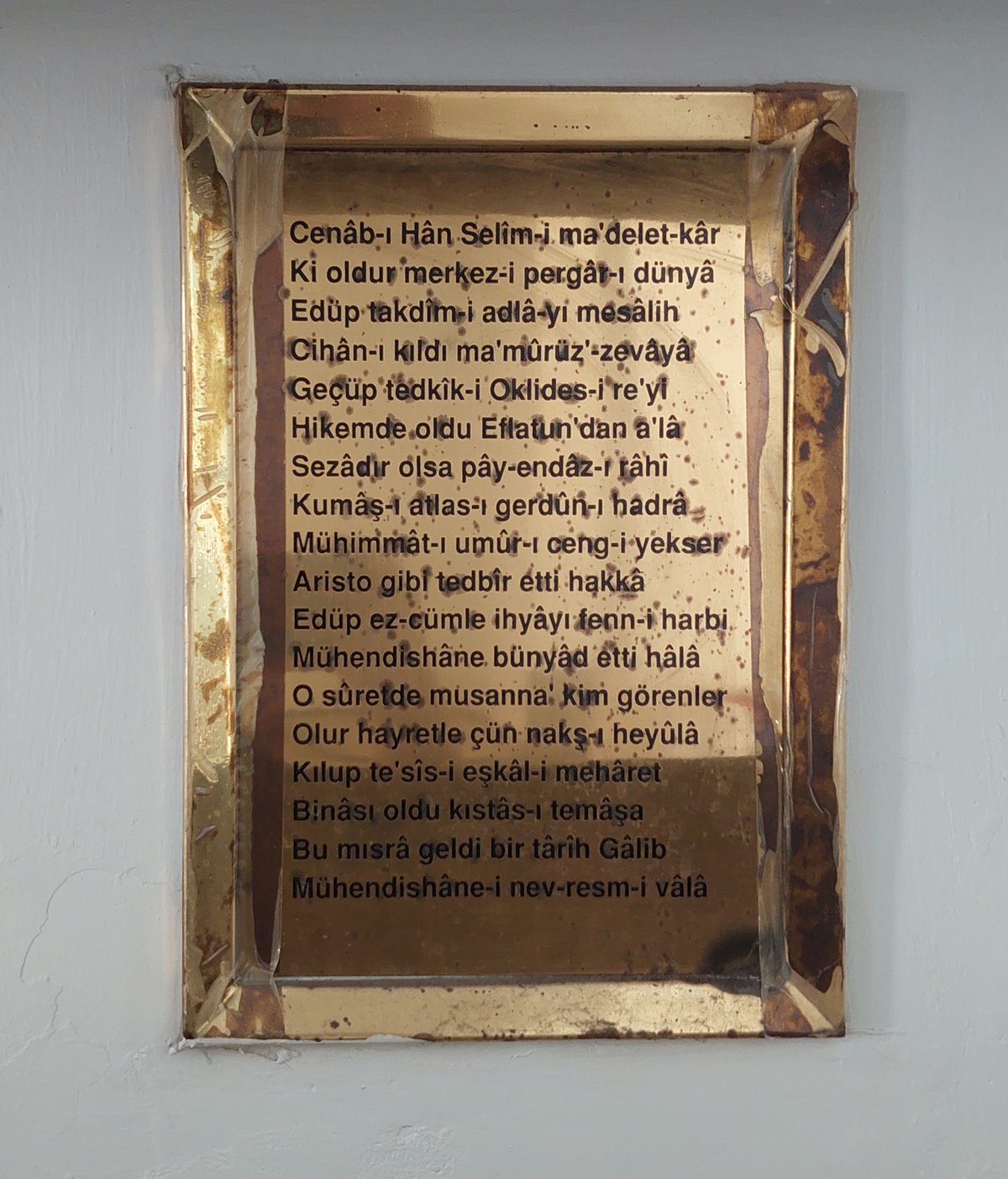
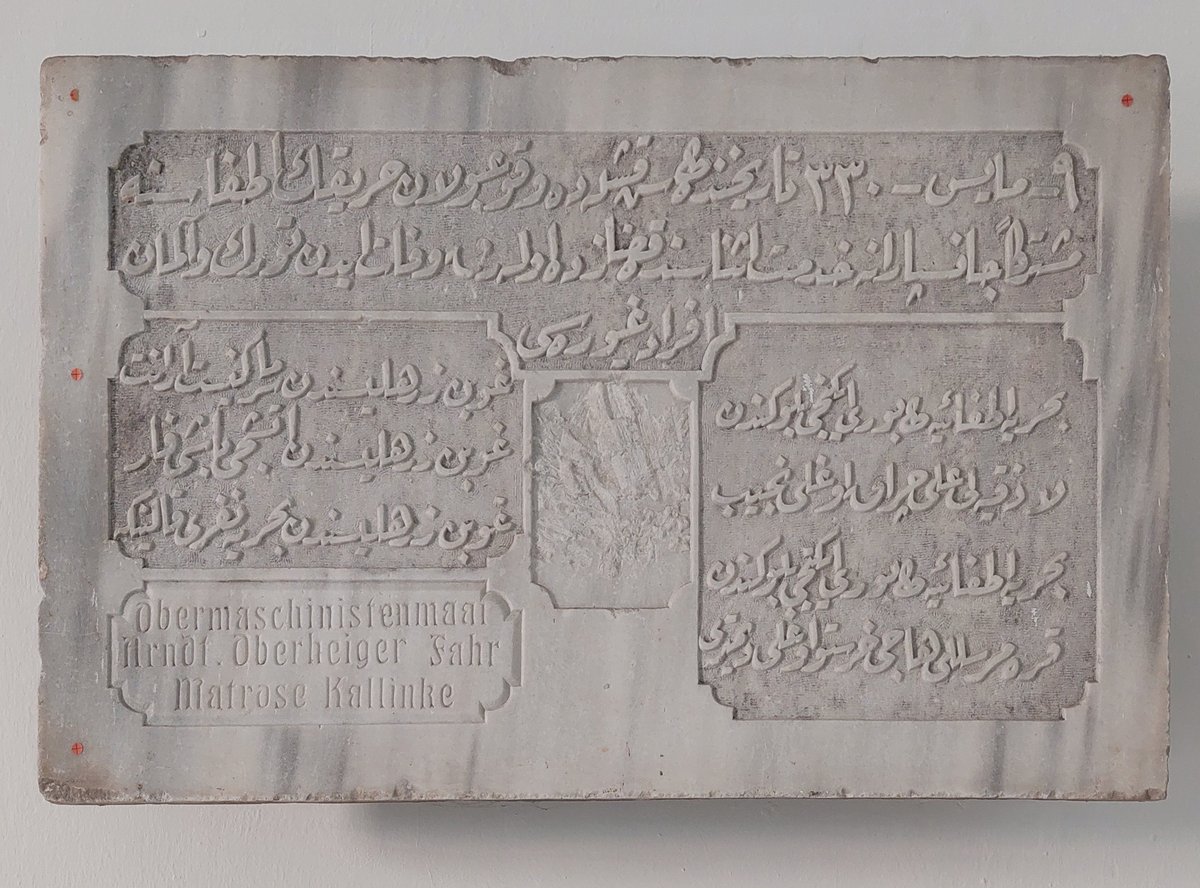
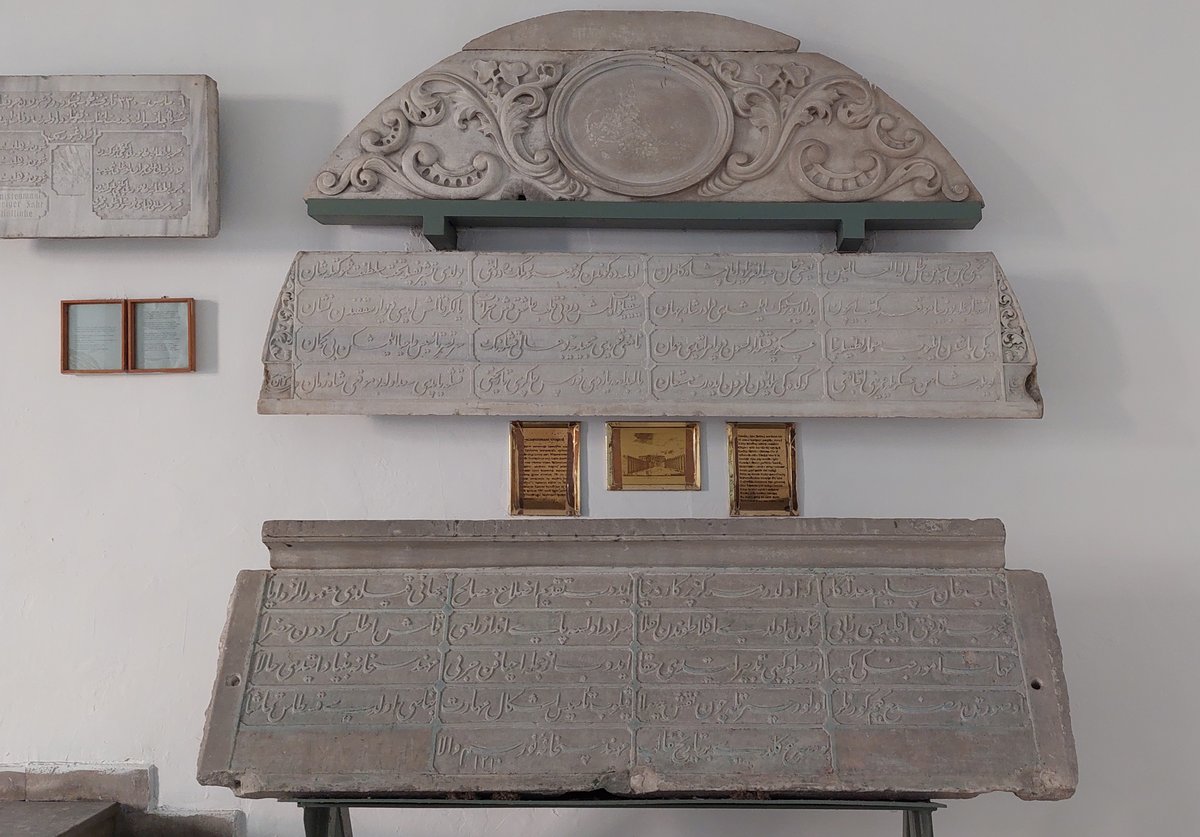
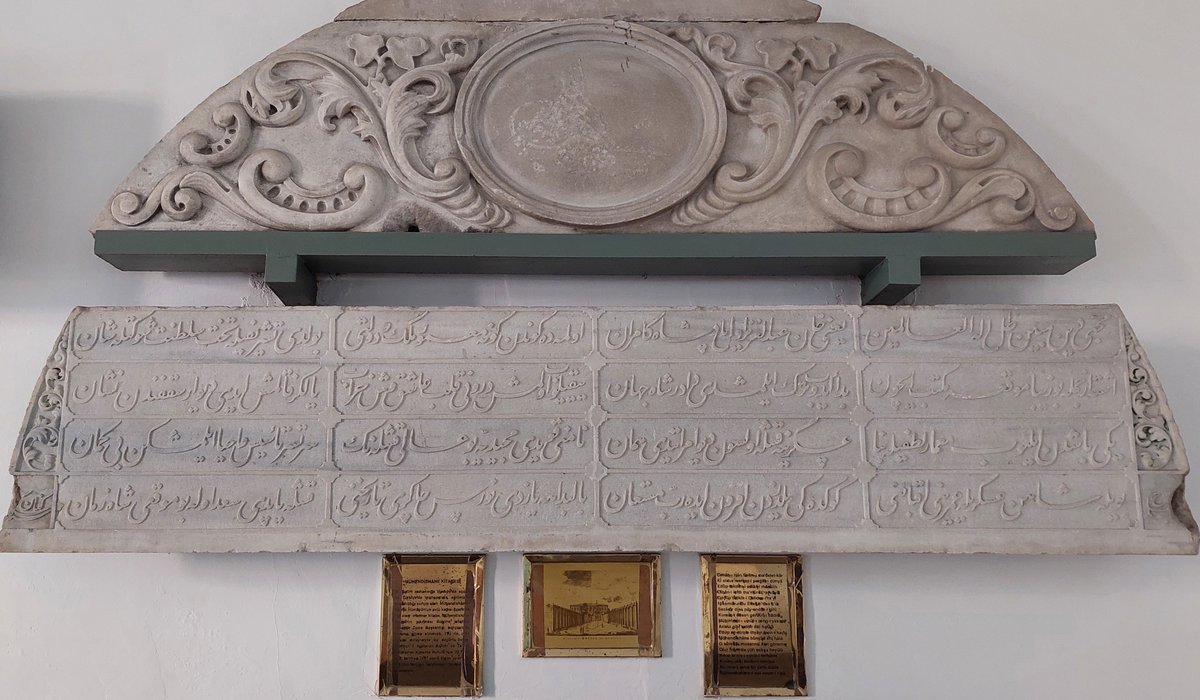
Discover Taşkışla: Istanbul’s Historic Stone Barracks
Nestled in the Beyoğlu district near Taksim Square, Taşkışla is a historical and architectural gem. Originally conceived as a military medical academy and later serving as a barracks, the building today houses Istanbul Technical University's Faculty of Architecture. Its harmonious blend of Ottoman and Neo-Renaissance design elements captures the spirit of 19th-century Istanbul’s modernization.
Brief History of Taşkışla
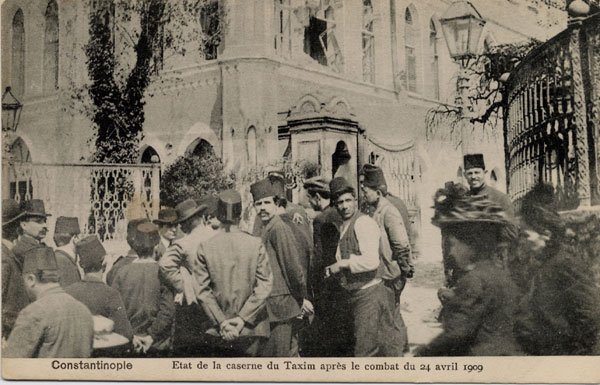
Taşkışla’s construction was part of the Ottoman Empire’s sweeping Tanzimat reforms. Designed by William James Smith, the building’s robust stonework and imposing presence reflect its military origins. Over time, it transitioned from a barracks to an academic institution, symbolizing Istanbul’s transformation into a modern city (worldhistoryedu.com).
Architectural Highlights
Neo-Renaissance Influence:
Taşkışla exemplifies Neo-Renaissance architecture, with a rectangular plan enclosing a large central courtyard. The façade features symmetrical stonework, arched windows and doors, classical cornices, and decorative moldings.
Structural and Material Innovations:
Constructed with locally quarried stone and incorporating cast-iron elements in staircases and railings, Taşkışla blends robust military utility with refined academic spaces. Large windows and high ceilings provide ample light and ventilation.
Courtyard and Interior Spaces:
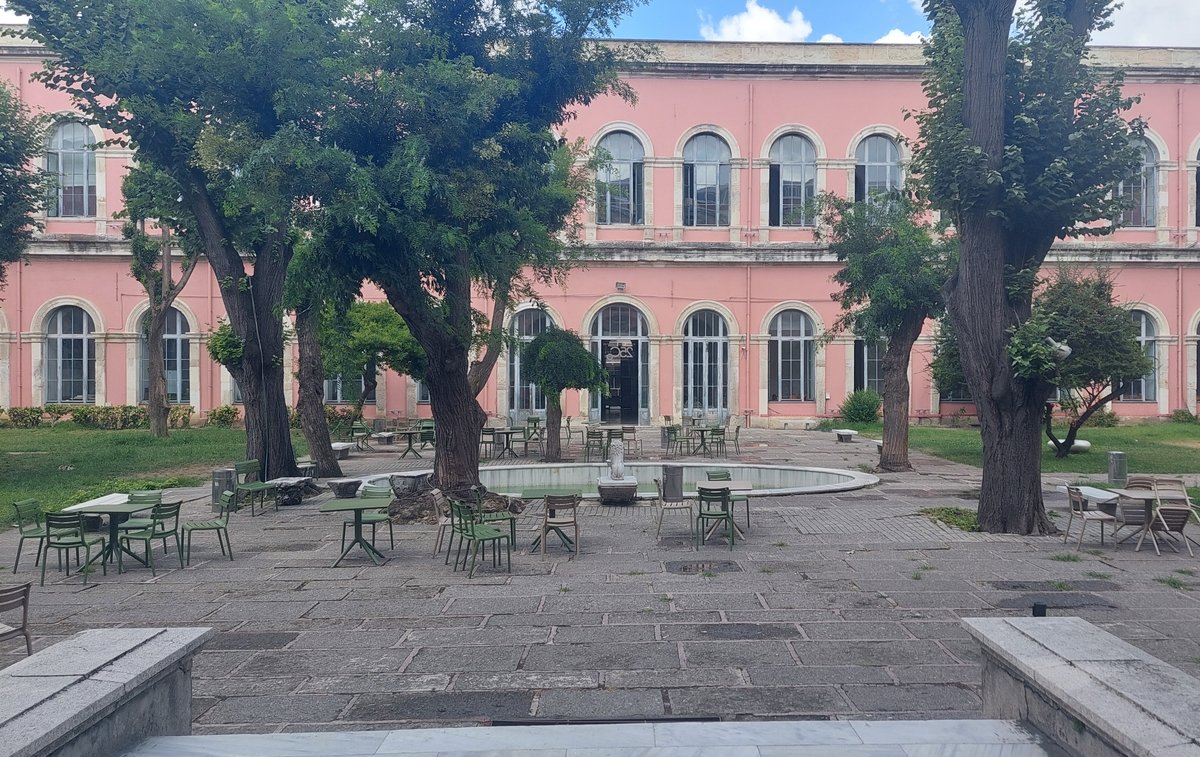
The central courtyard (approximately 60 x 40 meters) offers tranquility and is surrounded by arcaded walkways, creating a space for student gatherings and academic events. Interior grand staircases and high-ceilinged halls contribute to the building’s monumental atmosphere.
Symbolism and Cultural Significance
Taşkışla stands as a symbol of Istanbul’s journey toward modernization. Its adaptive reuse from military to academic functions mirrors the city’s evolution. Today, as the home of ITU’s Faculty of Architecture, it shapes the next generation of Turkish architects and continues to serve as a living textbook of architectural history (Guide of Istanbul).
Visiting Taşkışla: Practical Information
Visiting Hours
- Monday to Friday 9:00 AM – 6:00 PM
- Saturday Limited access, depending on university activities
- Sunday & Public Holidays Generally closed
Always confirm current hours on the ITU Faculty of Architecture website before your visit, as academic breaks and special events may affect access.
Tickets and Entry
- Admission Free for the public, as Taşkışla is part of the university campus.
- Interior Access Certain areas may be restricted to students and staff. Public access is mainly to the exterior and courtyard.
- Guided Tours Available by prior arrangement through the university’s Faculty of Architecture, especially during special events or open days.
Accessibility
- Main entrance and surrounding areas are wheelchair accessible.
- Ramps and elevators are available in some sections, but historic interiors may have limited step-free access.
- Visitors with specific needs should contact the university in advance.
Photography Tips
- The façade and courtyard are best photographed in the early morning or late afternoon for optimal lighting.
- Photography is permitted in exterior and courtyard areas; check for restrictions inside during tours or events.
How to Get There
Metro and Bus Access
- Metro Taksim Metro Station (M2 line) is about a 5-10 minute walk to Taşkışla.
- Bus Multiple lines serve the Taksim area.
Maçka-Taşkışla Cable Car (TF1)
- The TF1 Cable Car connects Maçka Park and Taşkışla, providing a scenic 3.5-minute ride with stunning city views.
- Hours
- Summer: 8:00 AM – 8:00 PM
- Winter: 8:00 AM – 7:00 PM
- Tickets Istanbulkart accepted (Trek Zone).
Walking Routes
- Taşkışla is a short, pleasant walk from Taksim Square and adjacent to Maçka Park.
Nearby Attractions
- Maçka Park Ideal for strolls and picnics.
- Dolmabahçe Palace Opulent Ottoman palace within 10–15 minutes’ walk.
- Nişantaşı Upscale shopping and café district, 13 minutes away.
- Vodafone Park Stadium of Beşiktaş JK, 10 minutes on foot.
- Taksim Gezi Park & Taksim Square Vibrant urban spaces nearby.
- Istanbul Military Museum About 11 minutes away, closed Mondays and Tuesdays.
- Naval Museum 17 minutes on foot.
Travel Tips
Best Times to Visit
- Season Spring and fall offer mild weather.
- Crowds Arrive early to enjoy a quieter atmosphere, especially in June, which is peak tourist season (Istanbul Tourist Pass).
What to Bring
- Comfortable shoes
- Sun protection
- Camera
- Istanbulkart for public transport (Istanbul.com)
Safety Tips
- The area is generally safe, but remain vigilant in crowded spaces.
- Keep valuables secure and use licensed transport services.
Food and Refreshments
- Enjoy nearby cafés in Nişantaşı or have a picnic in Maçka Park.
Special Events and Architectural Tours
- Guided tours and cultural events are occasionally organized by ITU or local cultural organizations.
- Check ITU’s official site for schedules and registration details.
Frequently Asked Questions (FAQ)
Q: Is there an entrance fee to Taşkışla?
A: No, entry is free. Some tours or events may require registration or a fee.
Q: Are guided tours available?
A: Yes, by prior arrangement with the university.
Q: Can I visit Taşkışla on weekends?
A: Limited access on Saturdays; generally closed on Sundays.
Q: Is Taşkışla accessible for visitors with mobility challenges?
A: Main entrances and nearby areas are accessible, but historic interiors may have limitations.
Q: How do I get to Taşkışla?
A: Via Taksim Metro, bus, or the Maçka-Taşkışla Cable Car.
Q: Are there nearby attractions worth visiting?
A: Yes. Maçka Park, Dolmabahçe Palace, Nişantaşı, and more.
Preservation and Heritage
Taşkışla is recognized as a first-degree historic monument, protected for its architectural and cultural value (Pera Palace). Visitors are encouraged to respect all guidelines and avoid entering restricted areas to help preserve this unique site.
Discover More
For up-to-date details on visiting hours, guided tours, and events, always check the Istanbul Technical University Faculty of Architecture website or local tourism offices. For an enhanced experience, download the Audiala app, which offers guided audio tours, insider tips, and more.
Follow Audiala on social media for travel inspiration and the latest updates on Istanbul’s historic sites.
Visuals
Map: Interactive Map of Taşkışla and Nearby Attractions
Summary
Taşkışla is a distinguished landmark in Istanbul, epitomizing the city’s 19th-century modernization and ongoing legacy as a hub for architectural education. Its accessible location, free entry, and proximity to other historical and cultural sites make it an ideal starting point for exploring Istanbul. To gain the most from your visit, consider arranging a guided tour and exploring the surrounding districts. Respect the site’s heritage and adhere to all visitor guidelines to help preserve this treasure for future generations.
For further information, consult the references and make use of digital resources such as the Audiala app for a richer visitor experience (Istanbul Technical University, Pera Palace, World History Edu).