Historical Background and Legacy
Merkez Efendi: Scholar, Healer, and Sufi Leader
Born Musa bin Muslihiddin bin Kılıç in 1463 in Akçaköy (now part of Denizli), Merkez Efendi was a prominent Ottoman Sufi, physician, and scholar (Wikipedia). As a disciple and successor of Sünbül Efendi, founder of the Halveti-Sünbüli order, he led the Koca Mustafa Paşa Tekke in Istanbul for 23 years, leaving a profound mark on the city’s religious landscape (Kulturenvanteri).
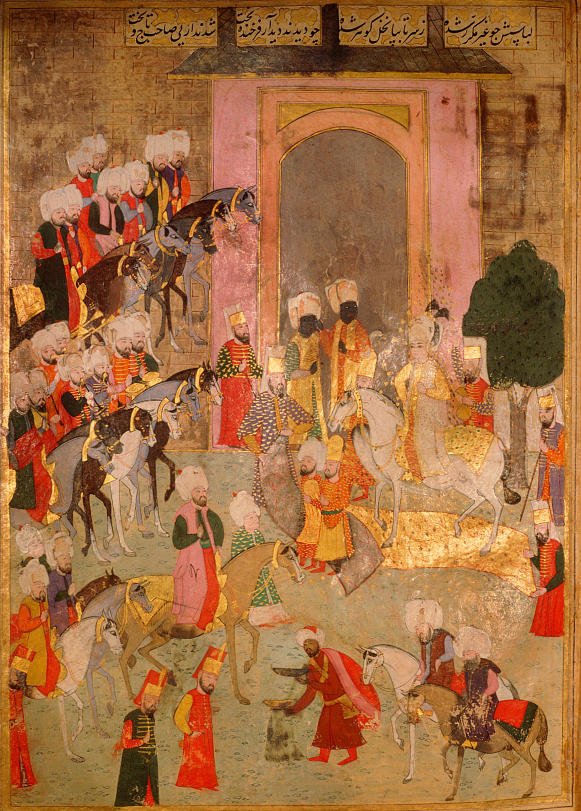
He is especially remembered for formulating the "Mesir macunu," an herbal paste made of 41 ingredients, believed to promote health and mental well-being. The annual Mesir Macunu Festival, still celebrated today, pays tribute to his healing legacy.
The Tomb and Cemetery: Architecture and Cultural Significance
After his death in 1552, Merkez Efendi was interred in the garden of his own tekke. The tomb (Türbe) exemplifies classic Ottoman funerary architecture, with a domed structure, marble and stone exteriors, and intricate tilework (Gezibilen). The adjacent cemetery, established in the 16th century, houses more than 200 Ottoman and Republican-era graves, including scholars, poets, and religious leaders (Wikipedia).
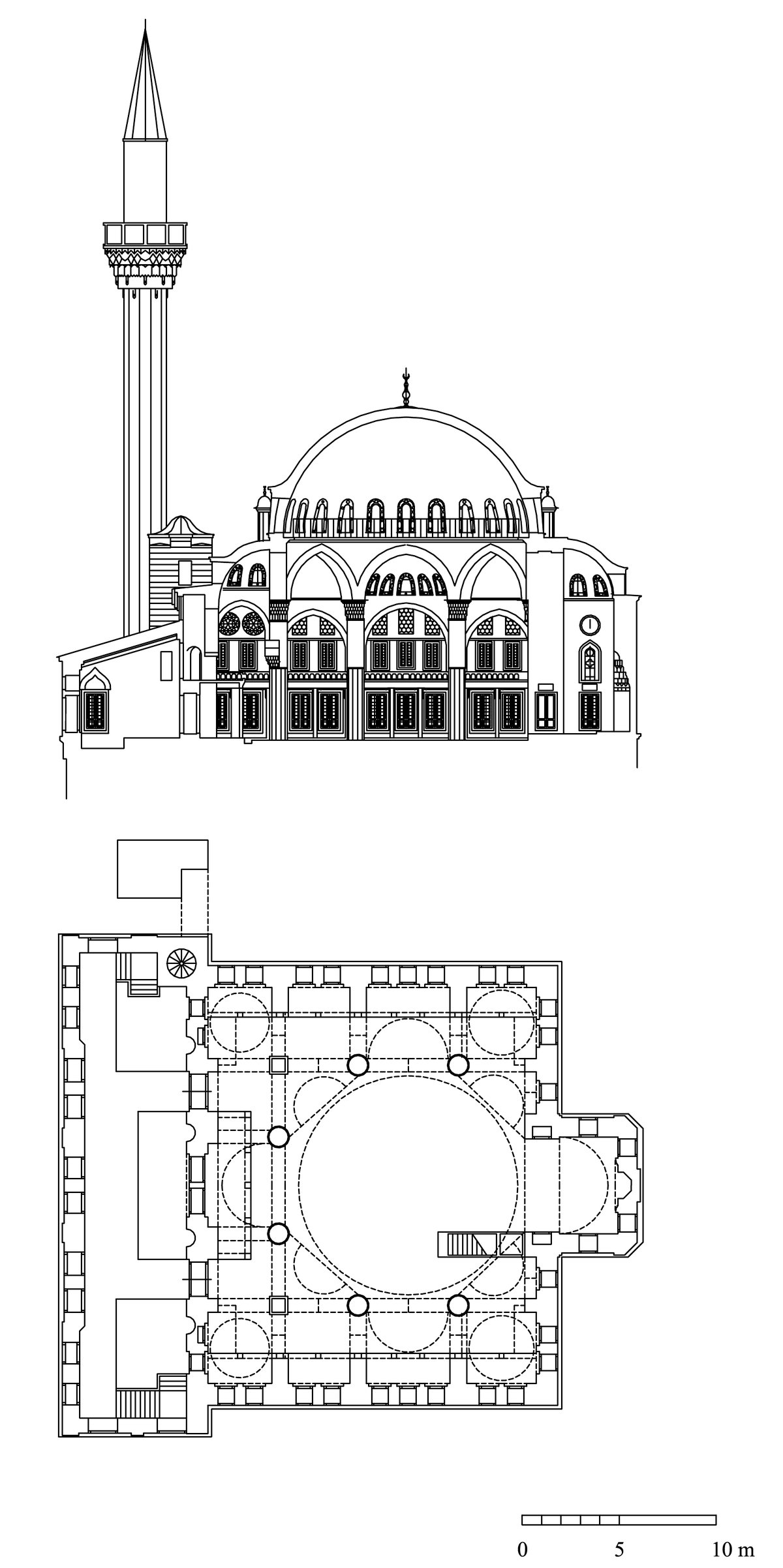
The mosque, originally commissioned by Sultan Selim I’s daughter in 1514, is a central part of the complex, serving as a vibrant hub for worship, learning, and community events (Property Turkey).
Visitor Information
Visiting Hours
- General Opening Hours Daily, from early morning (generally 8:00–9:00 AM) until sunset (about 6:00 PM). Hours may vary during religious holidays; it’s advisable to check in advance (Gezibilen).
Tickets
- Admission Entry to the tomb, mosque, and cemetery is free. No tickets are required; voluntary donations for maintenance are appreciated.
Accessibility
- Wheelchair Access The main entrance and mosque are generally accessible, though some garden paths and older sections of the cemetery may have uneven ground.
- Restrooms Accessible restrooms are located nearby, often in larger mosques or community facilities.
- Assistance Visitors with mobility needs should plan ahead and contact local tourism offices if necessary.
Getting There
- Address Merkezefendi Mahallesi, 34015 Zeytinburnu/İstanbul, Türkiye
- Public Transport
- Metro M1A and M1B lines stop at Zeytinburnu station (10-minute walk).
- Tram T1 line stops at Cevizlibağ, with local bus or short taxi ride to the site.
- Bus Multiple lines serve the area, including 72T, 93, 500T.
- Metrobus 34G line at Cevizlibağ.
- Dolmuş/Minibus Nearby stops at “Iett Blokları Yolu” (5-minute walk).
- By Taxi Taxis and ride-hailing apps are widely available; parking is limited, so public transport is recommended.
Nearby Attractions and Guided Tours
- Zeytinburnu Museum A local museum highlighting district heritage.
- Istanbul Land Walls A UNESCO World Heritage Site, within walking distance.
- Yedikule Fortress Historic landmark and museum.
- Panorama 1453 History Museum Interactive exhibits on the conquest of Istanbul.
- Islamic Heritage Tours Many local operators include the tomb in guided tours alongside other significant sites, such as the tombs of Fatih Sultan Mehmed and Eyüp Sultan (Events of Istanbul, Efendi Travel).
Visitor Experience and Etiquette
- Dress Code Modest attire is required—men should wear long trousers and sleeves; women should wear long skirts or trousers, sleeves, and carry a headscarf.
- Shoes Remove shoes before entering the tomb chamber and prayer areas.
- Behavior Maintain a respectful silence, especially during prayers or ceremonies.
- Photography Permitted, but always be considerate of worshippers and religious activities.
- Donations Voluntary contributions for maintenance and charity are welcome.
- Best Times to Visit Spring and autumn offer pleasant weather and fewer crowds. The annual Mesir Macunu Festival (April–May) is a highlight for cultural experiences.
Conservation and Modern Significance
Urban development since the 1950s has changed the surrounding landscape, reducing cemetery greenspaces and increasing residential and industrial activity (Dergipark). Ongoing restoration projects and local cultural initiatives aim to preserve the site’s historical character, including efforts under the "Cultural Valley Project."
The tomb remains a focal point for Istanbul’s spiritual and cultural life, continuing to host religious ceremonies, educational events, and community gatherings.
Frequently Asked Questions (FAQ)
Q: What are the Merkez Efendi Tomb visiting hours?
A: Open daily, generally from 8:00 or 9:00 AM until sunset (about 6:00 PM); check for variations during religious holidays.
Q: Is there an entrance fee?
A: No, admission is free. Donations are appreciated.
Q: Is the site wheelchair accessible?
A: The main areas are accessible; some parts of the cemetery have uneven ground.
Q: Are guided tours available?
A: Yes, through local tour operators and during special events.
Q: How do I reach the tomb by public transport?
A: Use the M1A/M1B metro (Zeytinburnu station) or T1 tram (Cevizlibağ), then walk or take a short bus/taxi ride.
Q: Can I take photographs inside?
A: Yes, but please be respectful and avoid disruptions during religious activities.