
A Brief History: From Robert College to Boğaziçi University
Founded in 1863 by Cyrus Hamlin and Christopher Rheinlander Robert, Robert College was the first American college established outside the United States (Onedio). Beginning with a modest wooden building and four male students, it became a beacon of liberal arts education in the region. The American College for Girls (ACG), founded shortly after, further strengthened the American educational influence in Istanbul, especially during the late Ottoman and early Republican eras (Bosphorus Review).
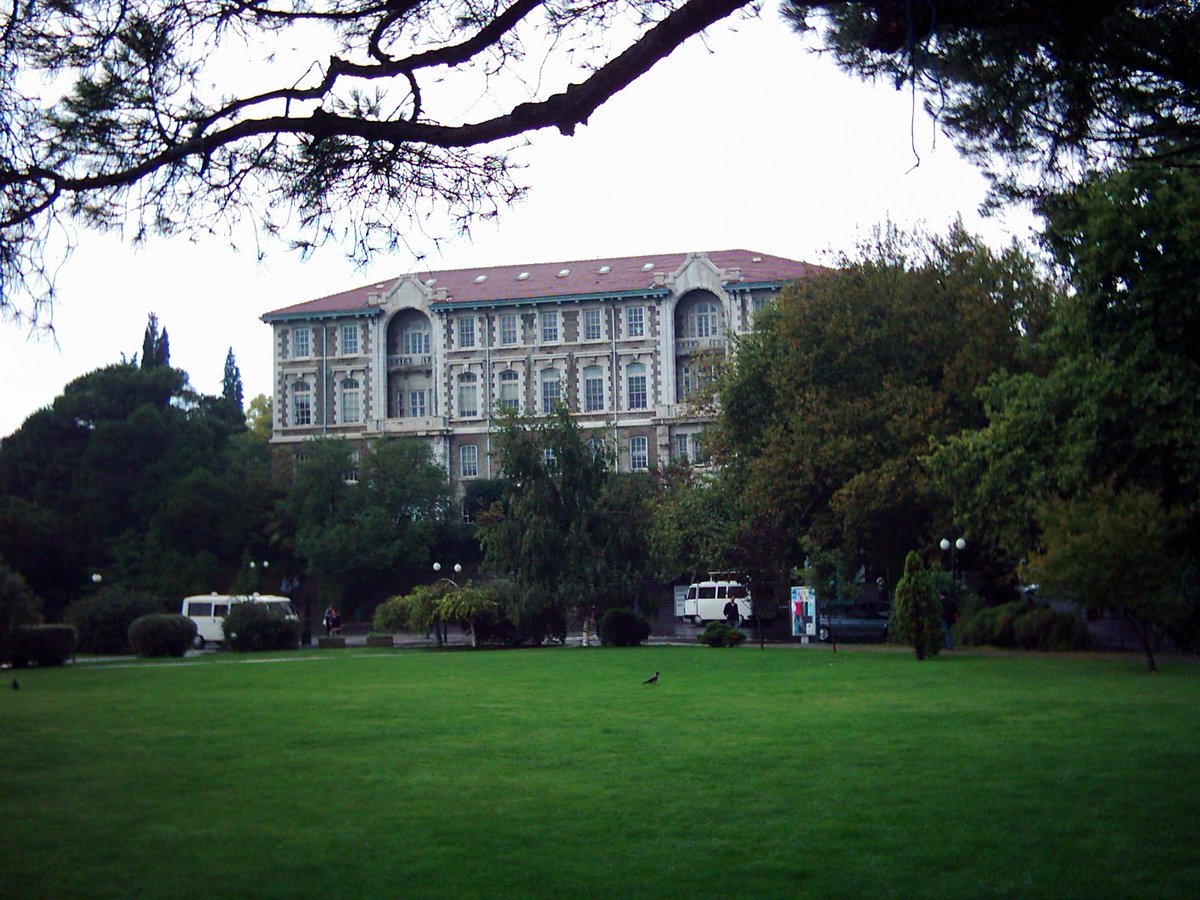
In 1971, the institution transitioned into Boğaziçi University, a Turkish public university inheriting Robert College’s academic traditions and campus. The main campus, Güney Kampüs (South Campus), features historic buildings such as Hamlin Hall and Albert Long Hall, and has grown to include North, Hisar, Kandilli, and Sarıtepe campuses (Onedio).
Visiting Boğaziçi University: Hours, Tours, and Accessibility
Visiting Hours and Access
- South Campus Open to visitors from 9:00 AM to 6:00 PM, Monday to Friday. Weekend access may vary, especially during holidays or exam periods.
- Entry Free for campus grounds. Some buildings and events require prior permission or tickets.
- Guided Tours Available by appointment through the university’s visitor services or the Office of International Relations. Self-guided exploration is encouraged, with maps and information boards at entrances.
- Accessibility Main pathways and event venues are wheelchair accessible. Some outdoor areas are hilly or have uneven terrain; assistance can be requested at main entrances.
- Visitor Etiquette Dress modestly, especially when attending academic events. Photography is allowed outdoors; seek permission indoors or at events.
(Boğaziçi University Official Site)
Campus Architecture and Layout
South Campus
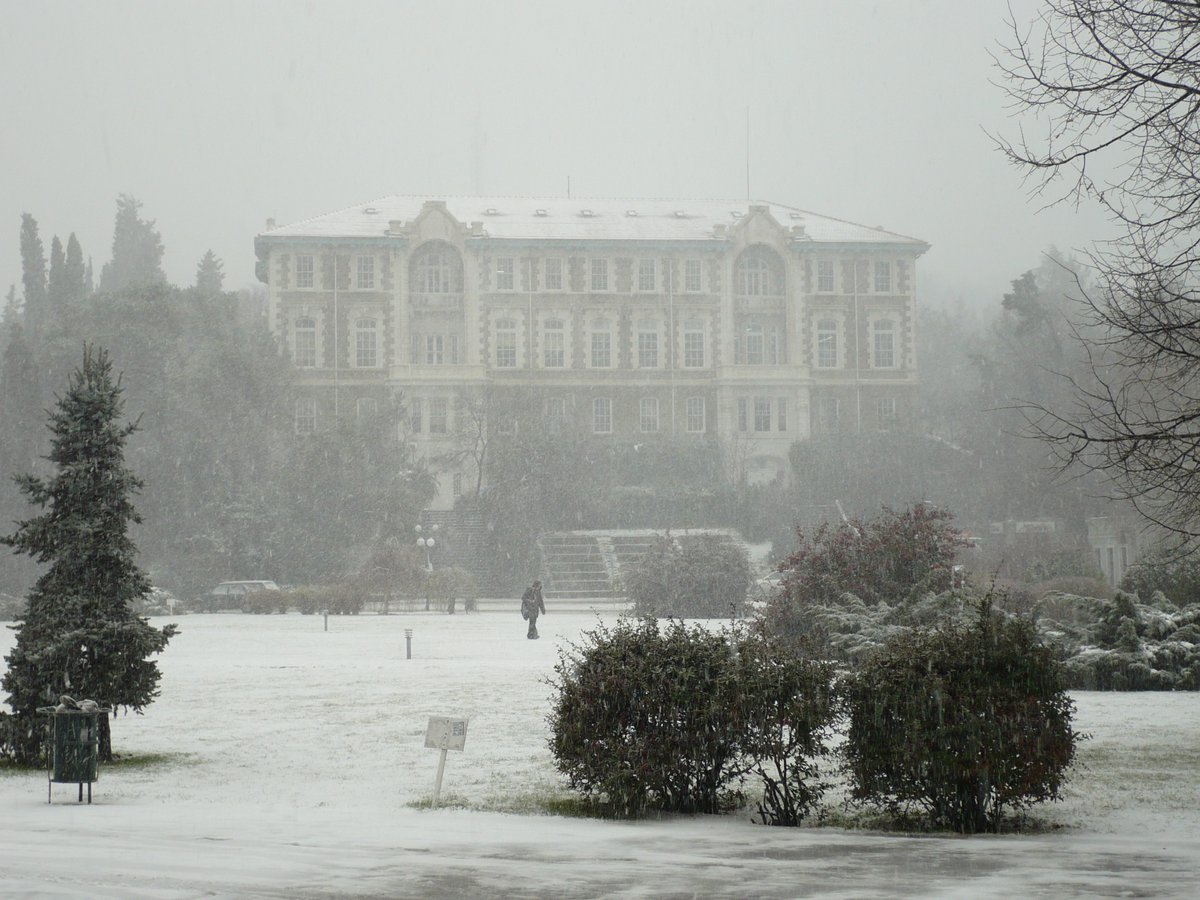
The historic South Campus is renowned for its architectural heritage:
- Albert Long Hall Neoclassical, used for concerts and ceremonies.
- Hamlin Hall Collegiate Gothic, administrative hub.
- Rectorate Building Former main building, stunning Bosphorus views.
- Old Library Historic stone structure for academic events.
Gardens, terraced lawns, and mature trees create a serene environment, contrasting with the city’s energy (Boğaziçi University: Academic Excellence).
Modern Campuses
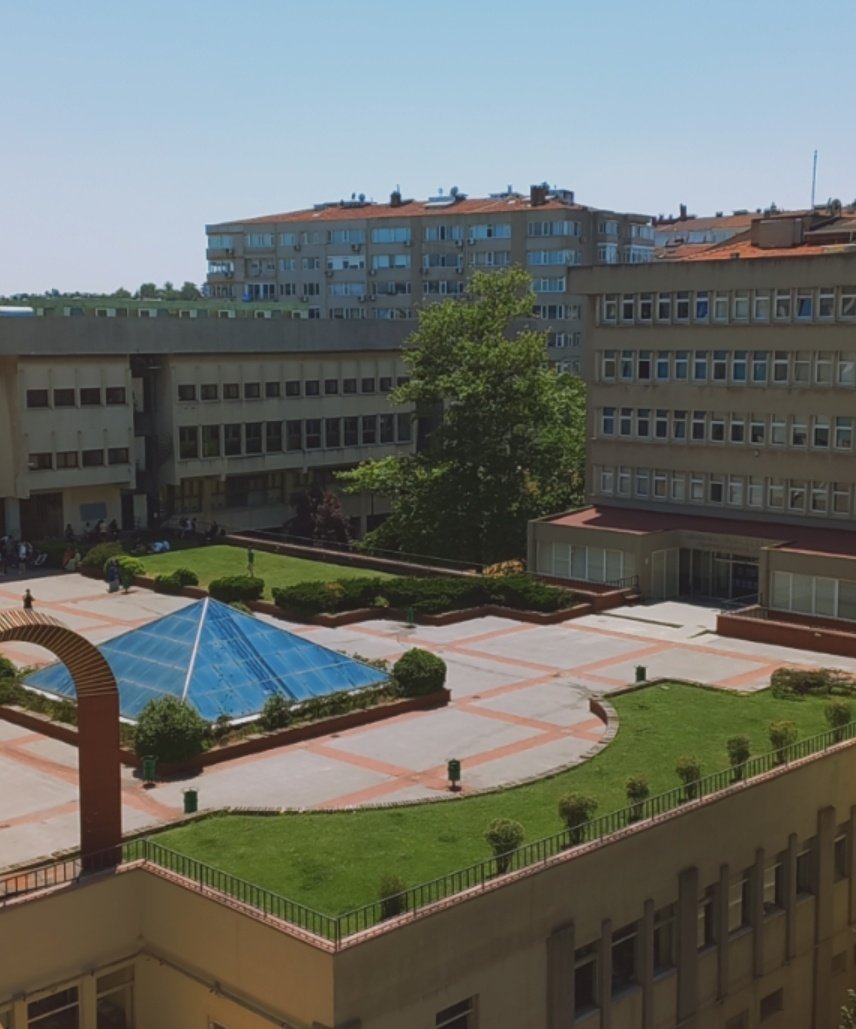
- North, Hisar, and Uçaksavar Campuses Modern, functional architecture for research and student facilities.
- Kandilli Campus On the Asian side, houses the historic Kandilli Observatory.
- Sarıtepe Campus Near the Black Sea, featuring Istanbul’s popular BURC Beach.
(Boğaziçi University Campuses)
Key Visitor Attractions
- Bosphorus Vistas Panoramic campus views of the Bosphorus, Asian shore, and Rumeli Hisarı Fortress.
- Rumelihisar Fortress Adjacent to campus, 15th-century Ottoman fortress with historical exhibits (Boğaziçi University Campuses).
- Cultural Events Concerts (notably at Albert Long Hall), lectures, exhibitions, and festivals throughout the academic year (Boğaziçi University Culture and Arts).
- Student Cafés and Terraces Relax with Bosphorus views; enjoy Turkish and international cuisine on South Campus.
- Bebek Neighborhood Upscale cafés, boutique shops, and scenic walks along the Bosphorus (Yummy Istanbul).
Practical Visitor Information
Entry and Security
- Carry a valid photo ID; security checks at entrances are standard.
- Campus grounds are open and free; tickets may be needed for certain events.
Accessibility
- Wheelchair access is available in main buildings, but some outdoor areas have steep paths.
- Contact the university in advance for assistance if needed.
Language
- English is the medium of instruction; signage is bilingual.
Health and Safety
- The campus is secure; a Health Center offers basic services for students and staff.
Contact
- Address Boğaziçi University, Bebek, 34342 Istanbul, Turkey
- Phone +90 (212) 359 4506
- Email [email protected]
- Office of International Relations Official Website
Travel Tips and Nearby Attractions
- Getting There Accessible by bus, taxi, and the M6 metro line (Boğaziçi Üniversitesi/Hisarüstü station).
- Best Time to Visit Spring and autumn offer pleasant weather and lively campus events (Istanbul Weather in June).
- Nearby Sights Bebek Park, Arnavutköy’s historic houses, Emirgan Park (Tulip Festival), and Sakıp Sabancı Museum (Sakıp Sabancı Museum).
- Dining Bebek neighborhood is famous for its waterfront cafés and restaurants (Istanbul.tips).
Academic Excellence and Cultural Life
Boğaziçi University is consistently ranked among Turkey’s top institutions:
- QS World University Rankings 2025 #418 worldwide (TopUniversities)
- EduRank 6th in Turkey, 750th globally (EduRank)
- Research 20,793 publications, 558,850 citations (as of 2025)
- Language of Instruction English
- Students ~17,000 (including 4,000+ graduate students)
- Faculties 7 faculties, 2 schools, 7 graduate institutes (Wikipedia)
The campus is a hub for artistic and cultural events, with student clubs organizing concerts, performances, exhibitions, and festivals (Boğaziçi University Culture and Arts). The university fosters an inclusive, diverse community, and is committed to sustainability, ranking within the top 200-400 globally in climate action and sustainable cities (Times Higher Education).
Boğaziçi University’s alumni are influential in science, business, politics, and the arts, and its faculty includes internationally recognized scholars (Wikipedia).
Frequently Asked Questions (FAQs)
Q: What are Boğaziçi University’s visiting hours?
A: Typically 9:00 AM to 6:00 PM on weekdays; check the official website for updates.
Q: Is there an entry fee?
A: No, campus grounds are free to enter. Tickets may be required for special events.
Q: Are guided tours available?
A: Yes, by appointment through visitor services or during open days.
Q: Is the campus accessible for visitors with disabilities?
A: Most main buildings are accessible; some outdoor areas may require assistance.
Q: Can I take photos on campus?
A: Outdoor photography is allowed. Seek permission for indoor/event photography.
Q: What is the best time to visit?
A: Spring and autumn, for mild weather and active campus life.
Summary and Final Tips
Boğaziçi University is an academic and cultural landmark where historic architecture, breathtaking Bosphorus views, and vibrant campus life converge. Visitors can explore the campus grounds free of charge, enjoy concerts, lectures, and exhibitions, and take in the unique blend of Ottoman and American architectural styles. With its inclusive atmosphere, commitment to accessibility, and global outlook, Boğaziçi University is a must-visit for travelers, prospective students, and culture enthusiasts.
Travel Tips:
- Plan your visit during spring or autumn for the best experience.
- Check official channels for up-to-date hours and event schedules.
- Explore nearby Bebek and the Bosphorus waterfront for a full cultural itinerary.
- Download the Audiala app for personalized recommendations and real-time updates.
Boğaziçi University stands as a testament to Istanbul’s rich educational and cultural heritage, welcoming visitors to experience its storied past and dynamic present (TopUniversities, EduRank, Onedio).