
Origins and Patronage
Ayazma Mosque was commissioned by Sultan Mustafa III and completed in 1761 to honor his mother, Mihrişah Sultan. The choice of name—"Ayazma," meaning "holy spring" in Greek—reflects the presence of a sacred spring at the site, which has been significant since Byzantine times. The mosque’s construction demonstrates Sultan Mustafa III’s devotion and his aim to enrich Istanbul’s urban and spiritual landscape (Istanbul Clues).
Architectural Context and Style
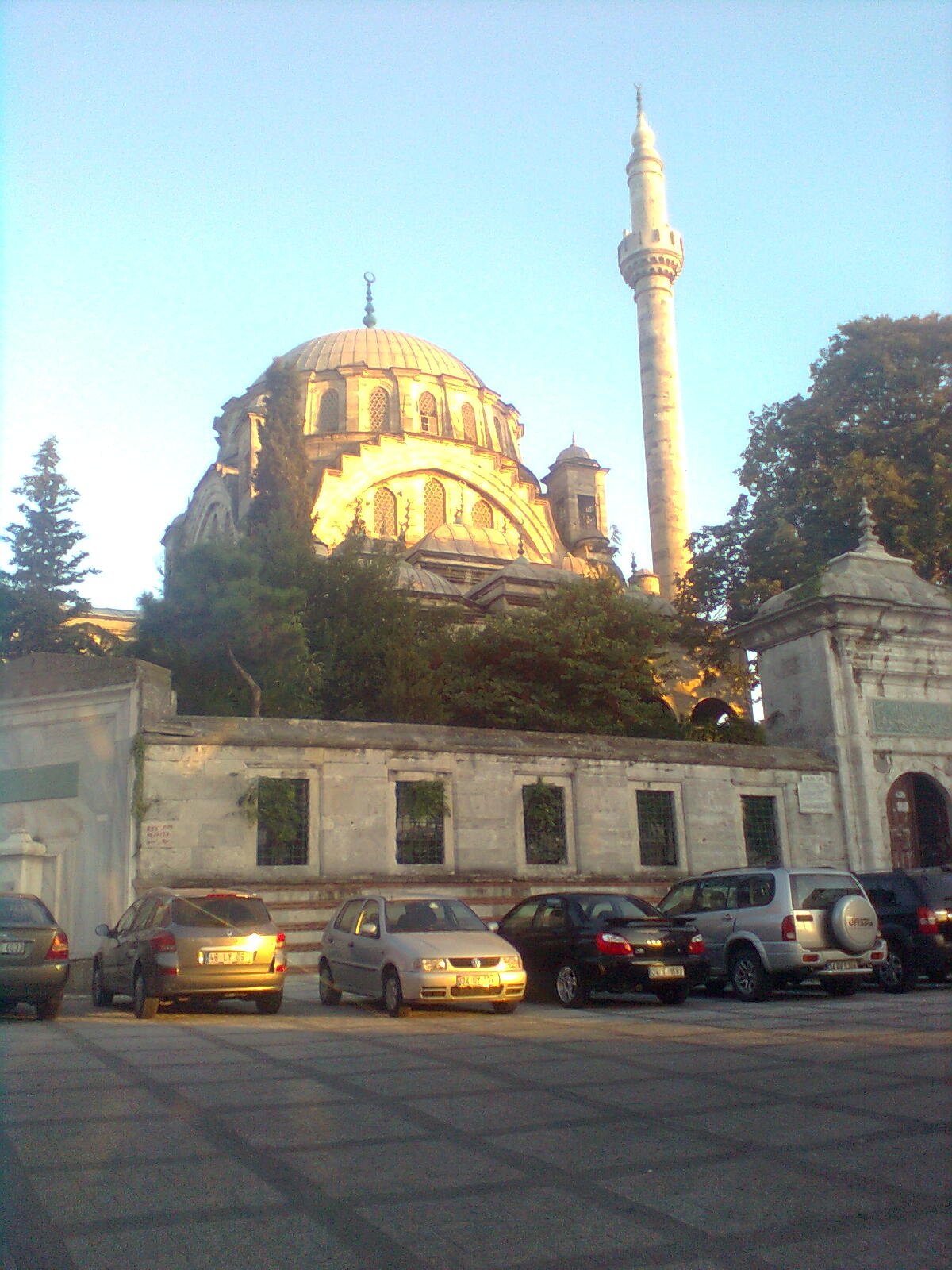
Designed by Mehmed Tahir Ağa, Ayazma Mosque epitomizes the transition in Ottoman architecture during the 18th century, blending classical Ottoman forms with Baroque and Rococo elements. Its central dome, supported by semi-domes and a single slender minaret, as well as its five-arched portico and wide semi-circular staircase, showcase this stylistic synthesis (List.Istanbul).
Historical Significance in Ottoman Istanbul
Located in the strategic Üsküdar district—a historical bridge between Asia and Europe—the mosque symbolized imperial patronage during a period of peace and architectural innovation. The area’s dense concentration of mosques, tekkes, and fountains provides a vibrant backdrop, reflecting the cultural and religious dynamism of Ottoman Istanbul.
Religious and Social Role
Ayazma Mosque was part of a külliye (complex), which traditionally included a madrasa, imaret (soup kitchen), and sebil (public fountain), serving both religious and charitable functions. For centuries, it has remained a focal point for worship, education, and community life in Üsküdar (Istanbul Clues).
Artistic Features and Innovations
The mosque’s interior boasts elaborate stucco, gilded minbar, intricate calligraphy, and floral motifs. Stained glass windows fill the prayer hall with serene colored light, while the marble mihrab and delicately carved woodwork exemplify Ottoman craftsmanship. The Baroque-inspired exterior, highlighted by ornate stonework and decorative birdhouses ("bird palaces"), reflects both technical skill and artistic innovation (Gezibilen; Türkiye Today).
Visiting Ayazma Mosque: Practical Information
Visiting Hours
- Open Daily 9:00 AM – 6:00 PM
- Note Closed to tourists during the five daily prayer times and especially busy on Fridays at noon. Check local prayer schedules before planning your visit (Turkey Travel Planner).
Entry Fee
- Admission Free
- Donations Appreciated for maintenance
Accessibility
- Wheelchair Access The courtyard and prayer hall are generally accessible, but the approach involves stairs and some uphill walking. No elevators or ramps at the main entrance (Official Üsküdar Municipality).
Guided Tours
- Availability Local guides and travel agencies offer tours, often as part of broader Üsküdar heritage walks. Advance booking is recommended.
Photography
- Permission Allowed in non-worship areas. Please avoid using flash and do not photograph worshippers during prayer.
Getting There and Nearby Attractions
- Location Hillside in Üsküdar, offering panoramic Bosphorus views
- Transport
- Marmaray metro line or ferry to Üsküdar pier
- Short uphill walk from the pier; comfortable shoes are recommended (Tara Oh Reilly)
- Nearby Attractions
- Mihrimah Sultan Mosque
- Çamlıca Hill (city panoramas)
- Üsküdar waterfront, cafes, and markets
Restoration and Preservation
The mosque has undergone several restorations to maintain its structural integrity and artistic detail, supported by both governmental and private organizations dedicated to preserving Istanbul’s historical heritage (Istanbul Clues).
Ayazma Mosque in the Modern Urban Fabric
Today, Ayazma Mosque continues to serve as both an active place of worship and a cultural landmark, attracting locals and tourists interested in Ottoman architecture, Istanbul’s history, and interfaith traditions.
Frequently Asked Questions (FAQ)
Q: What are the Ayazma Mosque visiting hours?
A: 9:00 AM – 6:00 PM daily, except during prayer times.
Q: Is there an entrance fee or ticket required?
A: Entry is free; donations are welcomed.
Q: Are guided tours available?
A: Yes, through local guides and agencies.
Q: Is the mosque accessible to those with mobility challenges?
A: The courtyard and prayer hall are accessible, but stairs at the entrance may pose difficulties.
Q: What is the dress code for visitors?
A: Modest attire is required. Men should wear long trousers and sleeved shirts; women should cover their legs, arms, and head (Turkey Travel Planner).
Q: Is photography allowed?
A: Yes, but without flash and with respect for worshippers.