
Historical Background and Significance
The Era of Ottoman Waterfront Mansions (Yalı)
To truly appreciate the Köşk's significance, one must delve into the world of Ottoman "Yalı," luxurious waterfront mansions that dotted the Bosphorus shores. These architectural marvels, more than just opulent residences, embodied the Ottoman elite's refined taste and lifestyle. During the 19th century, the Bosphorus banks witnessed a surge in Yalı construction, transforming the strait into a picturesque tapestry of architectural grandeur. Abdulmecit Efendi Köşkü, built in this era, stands as a testament to this fascinating period.
The Story of Its Namesake - Abdulmecit Efendi
The Köşk owes its name to its original owner, Prince Abdulmecit Efendi, the son of Sultan Abdulaziz and grandson of the reformist Sultan Mahmud II. A patron of the arts, particularly passionate about classical Turkish music, Abdulmecit Efendi was a prominent figure in the late Ottoman Empire. His legacy as a composer and musician is deeply intertwined with the Köşk. It was within these very walls that he, along with other notable musicians of the era, gathered to compose, practice, and revel in the melodies of classical Turkish music.
Architectural Evolution and Significance
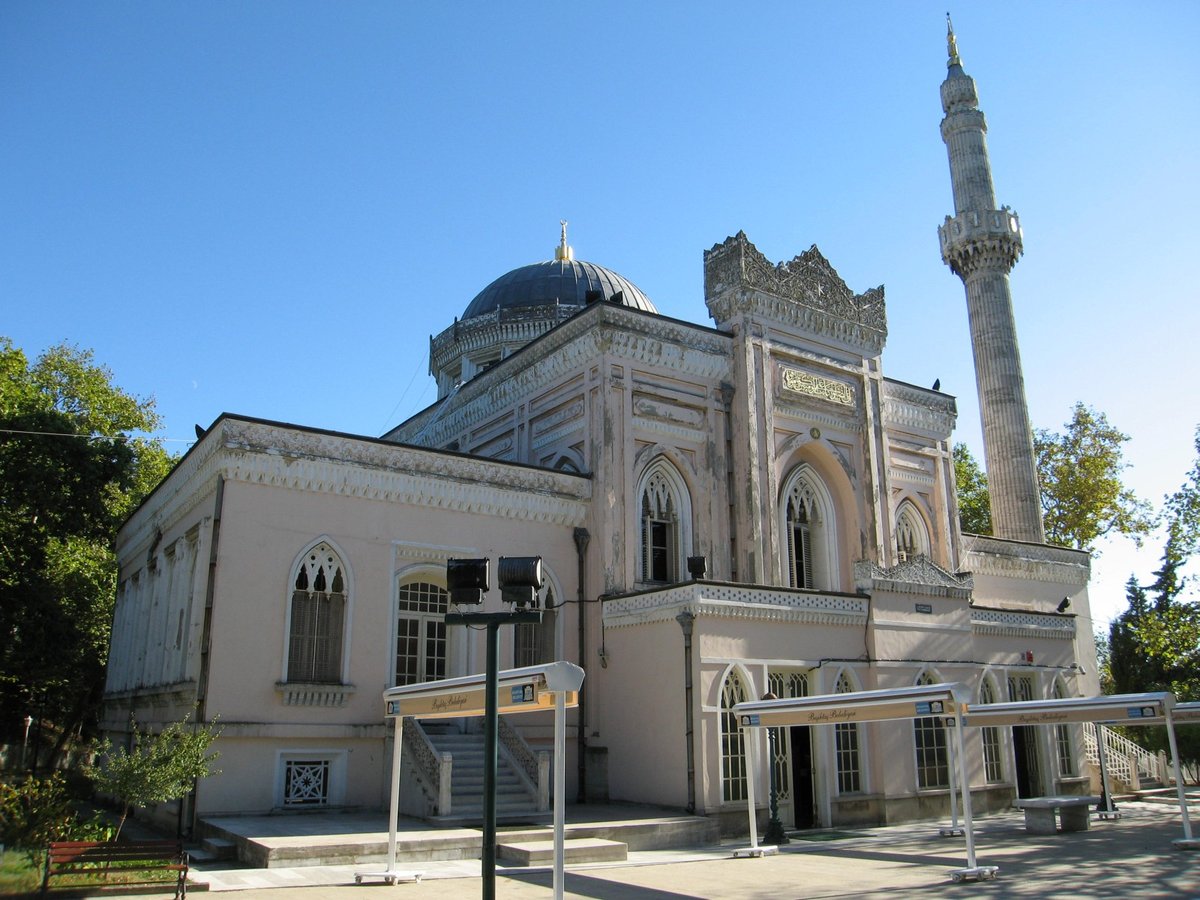
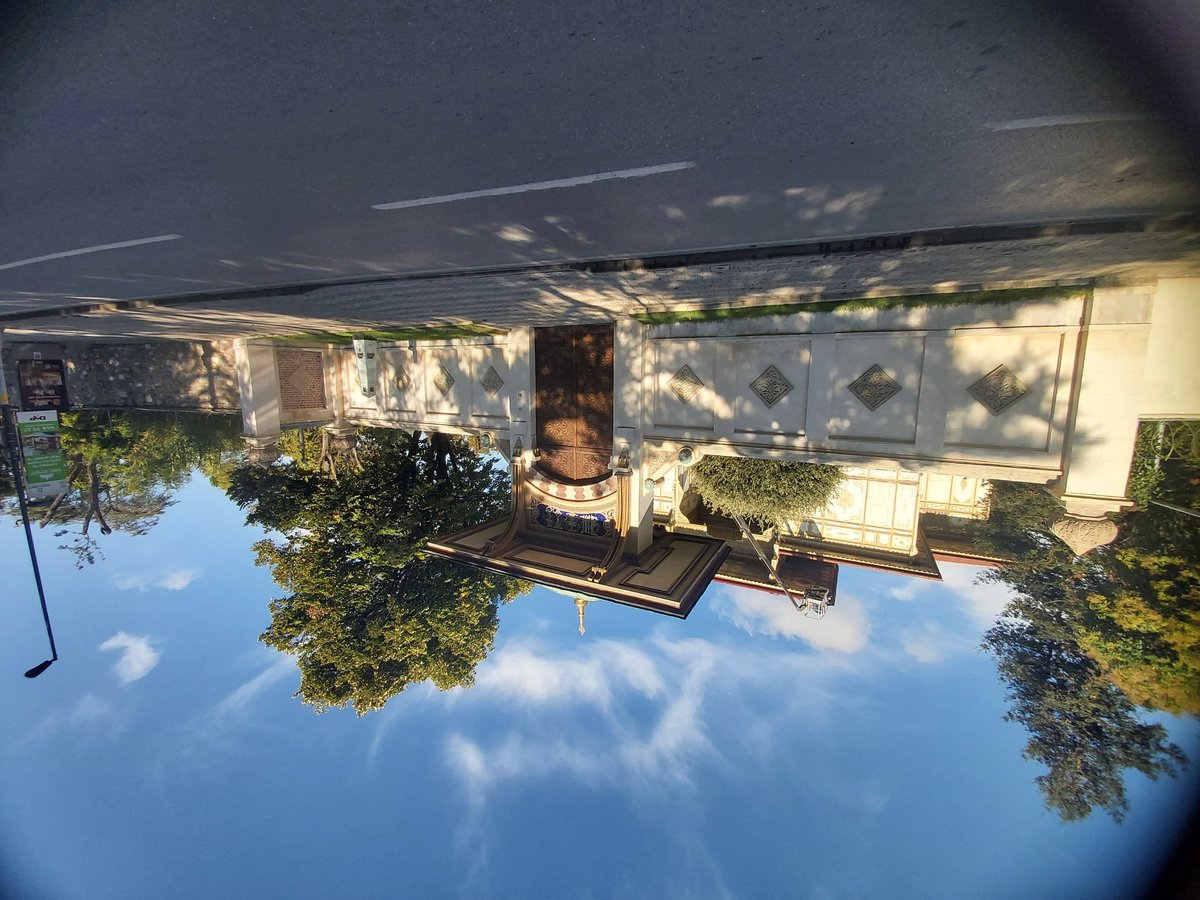
The Köşk, initially built in the 1860s, underwent a significant transformation in the 1880s under the stewardship of its new owner, Ottoman statesman Küçük Said Pasha. This renovation, a blend of European architectural styles prevalent at the time, added another layer of intrigue to the Köşk's architectural narrative. The fusion of Ottoman and European architectural elements, evident in the Köşk's design, reflects a broader trend in late Ottoman architecture. This period witnessed a growing fascination with European styles, leading to a unique architectural dialogue that blended traditional Ottoman aesthetics with European influences.
A Transition of Ownership and Purpose
Following Said Pasha, the Köşk changed hands several times, each owner leaving their mark on its history. From serving as a private residence for affluent families to being utilized as a school, the Köşk's purpose evolved with time, reflecting the changing social fabric of Istanbul.
Present Day - A Cultural Beacon
Today, meticulously restored to its former glory, Abdulmecit Efendi Köşkü stands as a cultural beacon on the Anatolian side of Istanbul. Now under the ownership of the Turkish Ministry of Culture and Tourism, the Köşk serves as a museum, offering visitors a glimpse into the opulent lifestyle of the Ottoman elite and the architectural splendor of a bygone era. The Köşk's journey through time, marked by changing ownerships, architectural transformations, and evolving purposes, mirrors the dynamic history of Istanbul itself. It serves as a poignant reminder of the city's rich cultural tapestry, where the echoes of the Ottoman Empire continue to resonate amidst the vibrancy of a modern metropolis.
Visitor Information
Visiting Hours
Abdulmecit Efendi Köşkü is open to visitors from 9:00 AM to 5:00 PM, Tuesday through Sunday. The museum is closed on Mondays.
Ticket Prices
General admission tickets are priced at 20 Turkish Lira for adults. Students and senior citizens can avail discounted tickets at 10 Turkish Lira. Children under the age of 12 can enter free of charge.
Travel Tips
- How to Get There The Köşk is easily accessible by public transport. Take a ferry to Üsküdar and then a short taxi ride to the Köşk.
- Best Time to Visit Early mornings and late afternoons are ideal for avoiding crowds and enjoying the serene surroundings.
- Guided Tours Consider opting for a guided tour to gain deeper insights into the Köşk's history and architecture.
Nearby Attractions
While visiting Abdulmecit Efendi Köşkü, you can also explore other nearby historical sites such as the Maiden's Tower, Beylerbeyi Palace, and Çamlıca Hill for panoramic views of Istanbul.
Accessibility
The Köşk is equipped with ramps and elevators, ensuring accessibility for visitors with mobility challenges. Wheelchairs are available upon request at the entrance.
Special Features
Guided Tours
Guided tours are available in multiple languages, providing a comprehensive understanding of the Köşk's historical and architectural significance. Tours can be booked online or at the entrance.
Photographic Spots
The Köşk offers numerous picturesque spots perfect for photography enthusiasts. The Bosphorus backdrop, intricate architectural details, and lush gardens provide stunning photo opportunities.
Special Events
Abdulmecit Efendi Köşkü hosts various cultural events, including classical music concerts, art exhibitions, and workshops. Check the official website for upcoming events and schedules.
Preservation and Restoration
Abdulmecit Efendi Köşkü stands as a well-preserved example of late Ottoman architecture. The mansion has undergone meticulous restoration efforts to preserve its architectural integrity and historical significance. These efforts, often undertaken by skilled artisans using traditional techniques, ensure that future generations can appreciate the mansion's beauty and craftsmanship.
Today, the mansion serves as a museum, offering visitors a glimpse into the opulent lifestyle of the late Ottoman elite. The carefully curated exhibits showcase the mansion's architectural features, decorative elements, and historical significance, providing a captivating journey through time.