The Historical Development of Bostancı
A Strategic Gateway Through the Ages
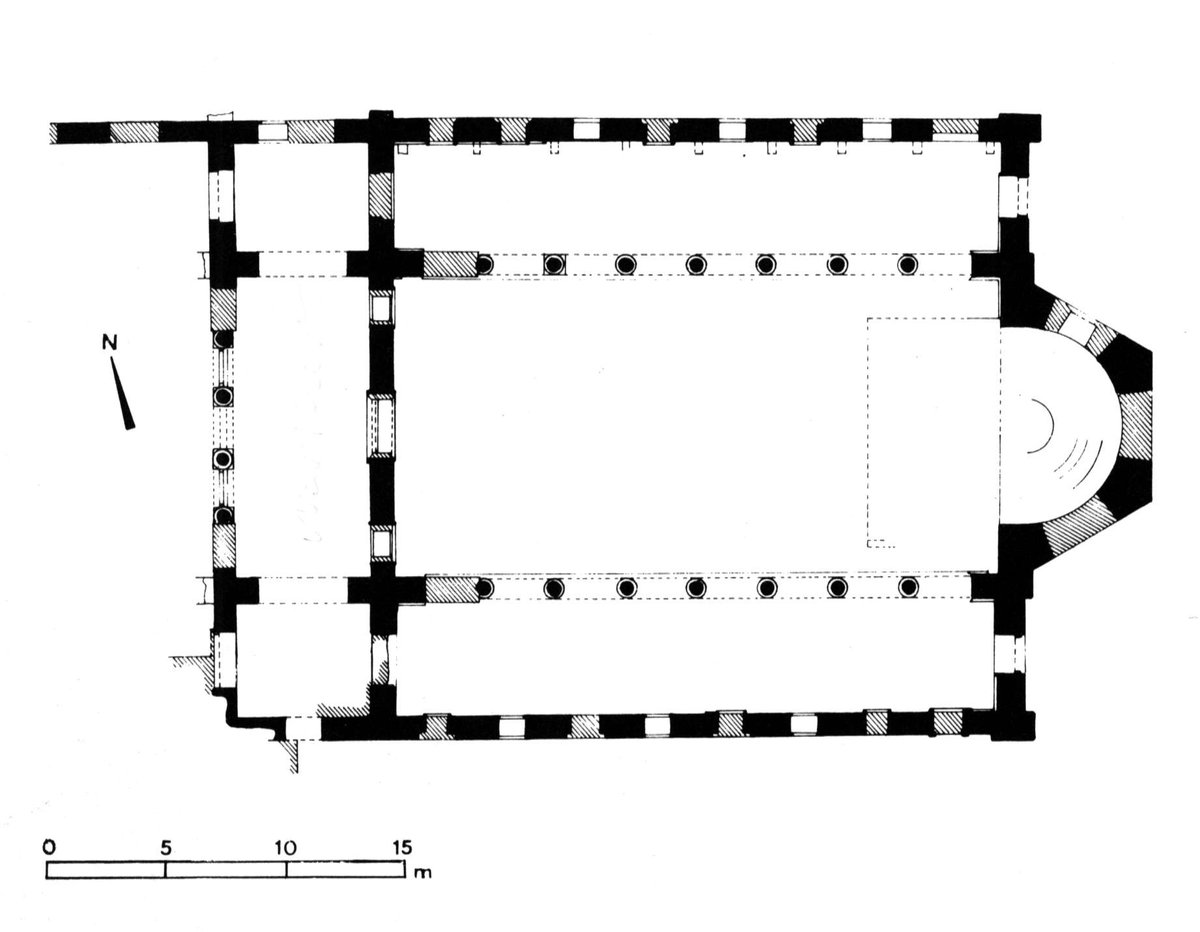
Bostancı’s coastal position along the Sea of Marmara has been pivotal for centuries. In the Byzantine era, known as Poleatikon, it served as an imperial entryway, featuring a church and port significant during events such as the 718 Umayyad siege. Under the Ottomans, Bostancı was maintained as the city’s eastern border, guarded to control access to Istanbul. The area’s role as a transport interchange has only grown over time.
Urban Growth and Architectural Legacy
The arrival of the Anatolian Railway in the 1870s transformed Bostancı from a rural outpost into a desirable suburb with summer homes and elegant mansions. Infrastructure milestones—including the 1910 railway station, 1888 steamboat pier, and the 1912-13 ferry terminal—helped shape its urban identity. The construction of civic facilities in the early 20th century marked its evolution into a thriving residential district.
The M8 Bostancı–Parseller Metro Line: Genesis and Operation
Launched on January 6, 2023, the M8 line is a milestone for Istanbul’s Asian side, stretching 14.3 kilometers and encompassing 13 underground stations. Developed as part of the city’s efforts to reduce congestion and enhance urban mobility, the line was constructed using advanced tunnel boring machines and features cutting-edge automation (Rail Turkey). The line initially operated from 06:30 to 21:30 but now runs longer hours to meet passenger needs.
Key Stations:
- Bostancı
- Emin Ali Paşa
- Ayşekadın
- Kozyatağı
- Küçükbakkalköy
- İçerenköy
- Kayışdağı
- Mevlana
- İmes
- Modoko-Keyap
- Dudullu
- Huzur
- Parseller
The route facilitates quick connections between coastal and inland neighborhoods, supporting both daily commutes and leisure travel.
Driverless Metro Technology
The M8 is Istanbul’s third driverless metro line and the second on the Asian side, reflecting the city’s commitment to smart urban transit. Fully automated trains increase frequency, operational efficiency, and safety, providing a reliable and modern travel experience. Large windows at the front and rear allow for panoramic views, a unique feature for passengers (Istanbul Tourist Pass).
Bostancı’s Role as a Transportation Hub
Bostancı’s importance as a transport interchange continues to grow. The metro station connects seamlessly with:
- Marmaray Suburban Rail For cross-Bosphorus travel.
- High-Speed Trains (YHT) Long-distance rail toward Anatolia.
- Ferries and Sea Buses Frequent departures to the Princes’ Islands, Kadıköy, Eminönü, and Yalova.
- City Buses and Dolmuş Local and regional connections.
Large underground parking amenities support park-and-ride options. The neighborhood’s intermodal integration allows for easy, efficient transfers across all transport modes.
Visitor Information: Hours, Tickets, and Travel Tips
Metro Hours and Frequency
- M8 Metro Operates daily from 06:00 to 00:00. Trains run every 8–10 minutes during peak hours, with extended late-night service on weekends and a full trip duration of about 25 minutes.
- Marmaray Frequent services connecting Asian and European sides.
- Ferries Regular departures from early morning to late evening. Schedules vary by season and destination (İDO).
Ticketing
- Istanbulkart A rechargeable, contactless card valid on metros, buses, trams, and ferries. Available at kiosks and vending machines.
- Fares A single metro ride is approximately 27 TL with Istanbulkart; discounted transfers apply. Ferry and sea bus fares depend on destination and operator; round-trip to Büyükada is about 25–30 TRY.
- Purchasing Tickets Istanbulkart and ferry tickets can be purchased at stations, terminals, or online.
Accessibility
All metro stations and major transit points in Bostancı are equipped with elevators, escalators, ramps, and tactile paving, ensuring accessibility for all passengers.
Nearby Attractions
- Bağdat Avenue Premier shopping and dining street, accessible from Bostancı M8 station. Open 10:00–22:00.
- Princes’ Islands Major ferry departure point for island excursions.
- Coastal Promenade Open 24/7 for walking, jogging, and cycling.
- Parks and Green Spaces Bostancı Parkı and coastal green areas are open daily from dawn to dusk.
- Dining and Nightlife Waterfront seafood restaurants and vibrant cafés.
- Cultural Venues Close to Istanbul Toy Museum (Tue–Sun 10:00–18:00) and other artistic attractions.
Travel Tips
- Use Istanbulkart for all public transport for convenience and savings.
- Download digital transit apps for real-time schedules and route planning.
- Book ferry tickets in advance during peak tourism season.
- For a quieter experience, travel outside rush hours.
- Sample Turkish breakfast at a seaside café and enjoy sunset views on the promenade.
Socioeconomic and Urban Impact
The M8 metro line has stimulated residential and commercial development in Bostancı and neighboring districts, redistributing economic activity and fostering sustainable urban growth. Improved accessibility encourages investment and enhances the quality of life for residents and visitors (Rail Turkey).
Integration with Istanbul’s Transit Network
Bostancı’s strategic position is amplified by its integration with Marmaray, M4, and M5 metro lines, as well as ferry and bus routes. The Istanbulkart system simplifies multi-modal travel. While a dedicated metro tunnel under the Bosphorus is forthcoming, Marmaray currently serves as the main transcontinental rail connection. Future expansions (M12, M14) will further elevate Bostancı’s role as a transportation nexus (Istanbul Tourist Pass).
Frequently Asked Questions (FAQ)
Q: What are the operating hours for Bostancı’s transport services?
A: M8 Metro runs from 06:00 to 00:00; ferries operate from early morning to late evening. Exact times vary by route and season.
Q: How do I buy tickets for the metro and ferries?
A: Purchase an Istanbulkart at metro stations or kiosks; ferry tickets are available at terminals or online.
Q: Is Bostancı accessible for people with disabilities?
A: Yes, stations and terminals are equipped with accessibility features.
Q: What are the main attractions near Bostancı?
A: Bağdat Avenue, the Princes’ Islands, coastal promenades, parks, and cultural venues.
Q: Are there guided tours in Bostancı?
A: Yes, local operators offer historical, culinary, and cultural tours.