Introduction
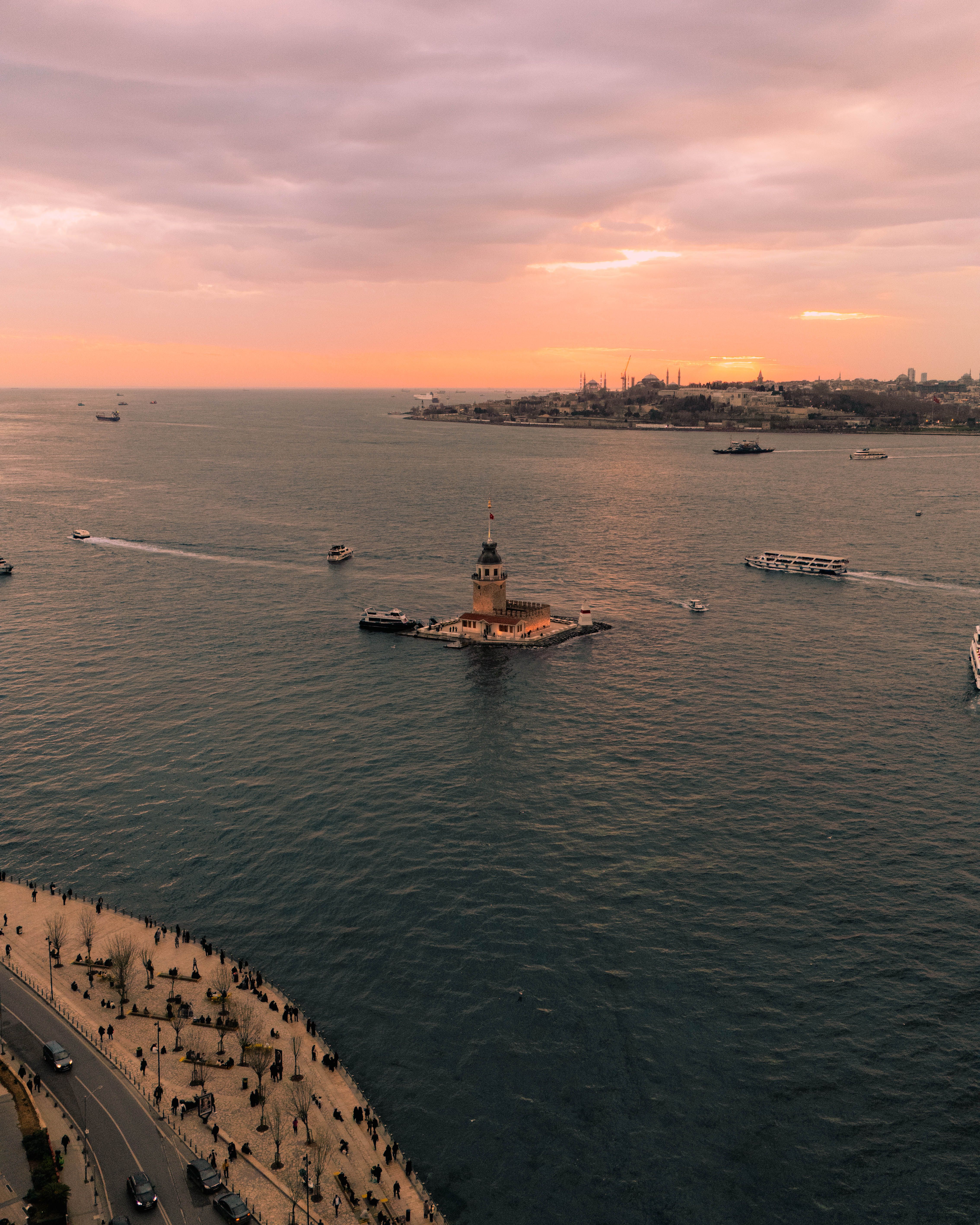
The call to prayer drifts across the Bosphorus while a ferry horn answers from below. One minute you're standing on a continent that was once called Europe, the next you're sipping tea on the Asian shore. Istanbul doesn't politely sit between East and West. It mocks the very idea of borders.
Sixth-century mosaics stare at 16th-century Iznik tiles inside buildings that have been churches, mosques, and museums in turn. The city has worn more skins than most places have neighborhoods. What surprises isn't the history. It's how casually everyone carries it, like an old coat they keep forgetting to throw away.
Walk five minutes in almost any direction and the atmosphere changes completely. The weight of Topkapı's harem gives way to the clink of meze plates in a meyhane. The covered chaos of the Grand Bazaar opens into the quiet of a Süleymaniye side street where cats outnumber tourists. This is a city that refuses to be summarized.
Yet the real secret isn't in any single monument. It's in the daily theater of ferries slicing between continents, in the way afternoon light hits the Galata Tower, in how perfectly ordinary it feels to watch one empire's ruins while eating a wet burger at 1 a.m. Istanbul doesn't need you to fall in love with it. It simply waits, layered and contradictory, until you realize you already have.
Ultimate Istanbul Food Tour: Best Turkish Street Food | Epic Food Journeys with Mark Wiens | Nat Geo
National GeographicPlaces to Visit
The Most Interesting Places in Istanbul
Hagia Sophia
Built in just 5 years in 537 AD, Hagia Sophia's dome was so revolutionary it became the blueprint for every great Ottoman mosque that followed.
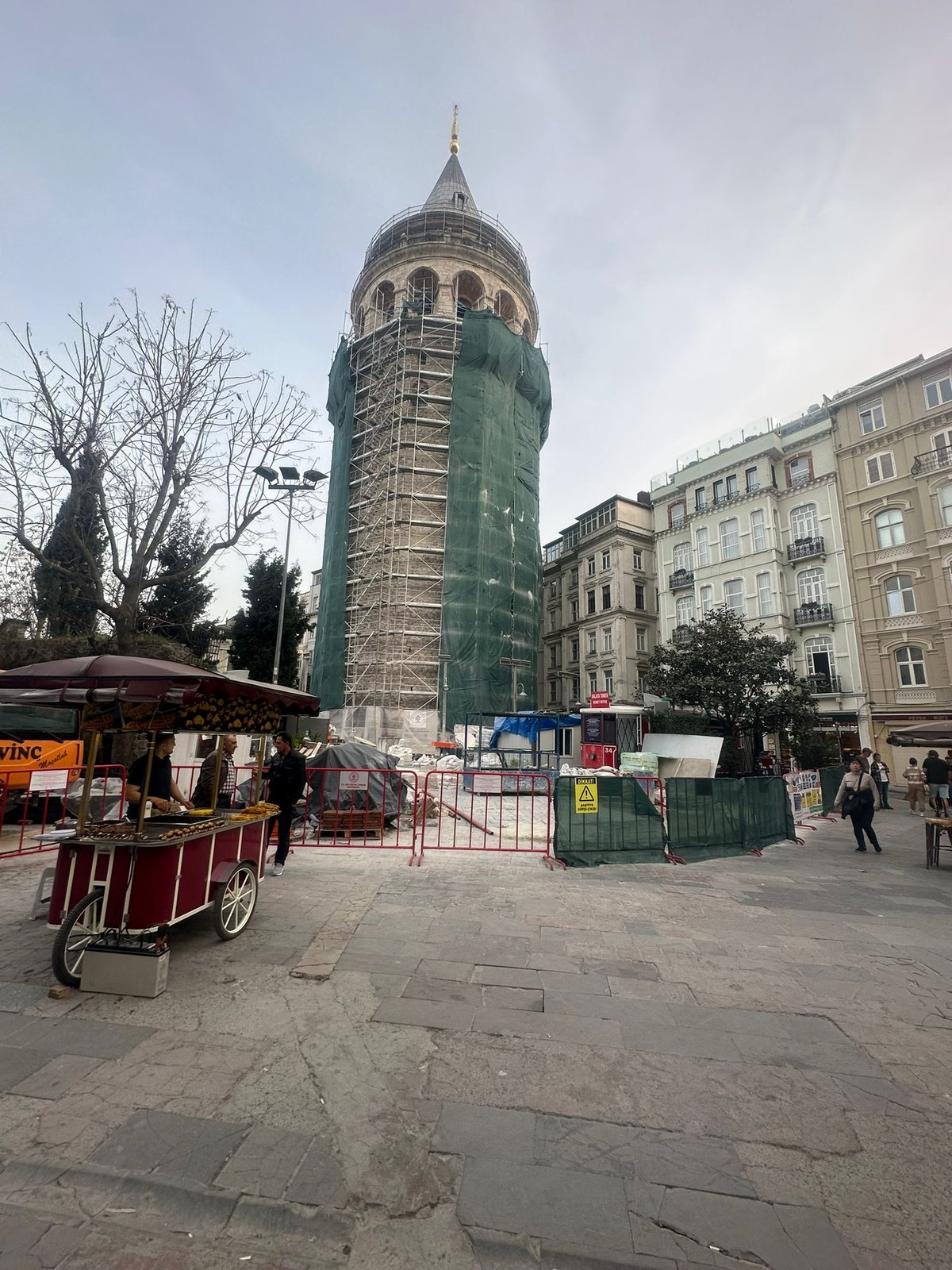
Galata Tower
The Galata Tower, or Galata Kulesi in Turkish, is one of Istanbul's most iconic historical landmarks, embodying centuries of rich history and architectural…
Topkapi Palace
The fountain near Topkapı's main gate was used by executioners to wash their blades. Behind its walls, sultans ruled an empire for 400 years.
Dolmabahçe Palace
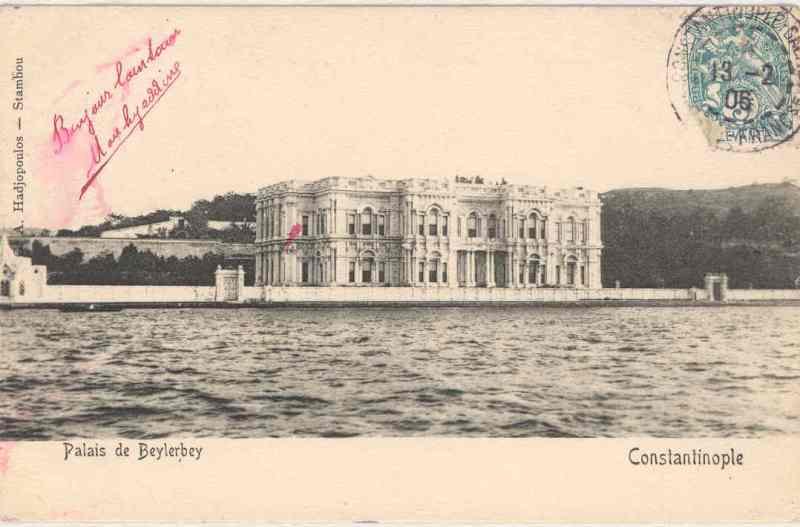
Dolmabahçe Palace, located on the European coast of the Bosphorus in Istanbul, Türkiye, is a monumental symbol of the Ottoman Empire's transition into…
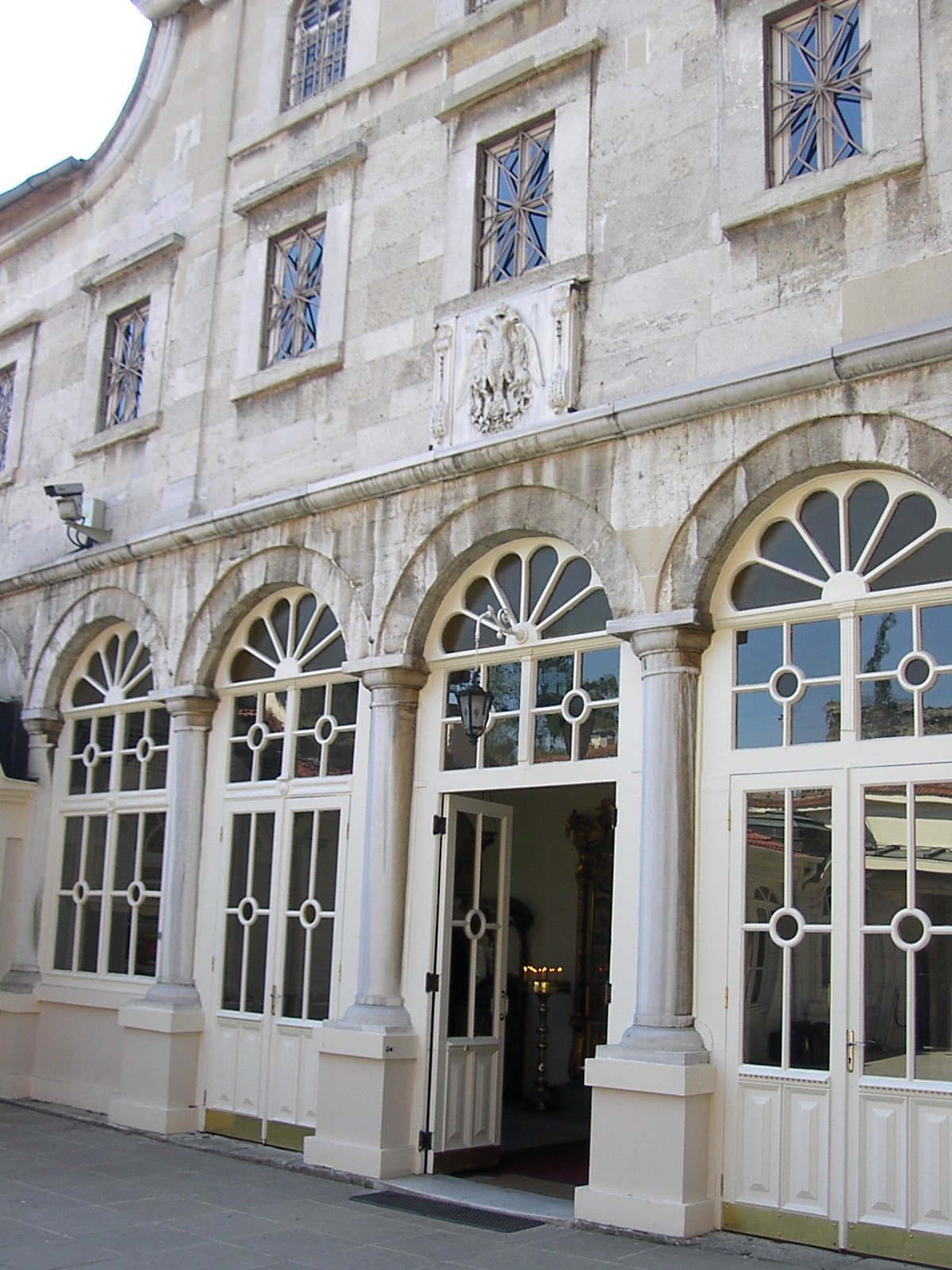
Armenian Patriarchate of Constantinople
Nestled in the historic Kumkapı neighborhood of Istanbul’s Fatih district, the Armenian Patriarchate of Constantinople stands as a profound testament to…
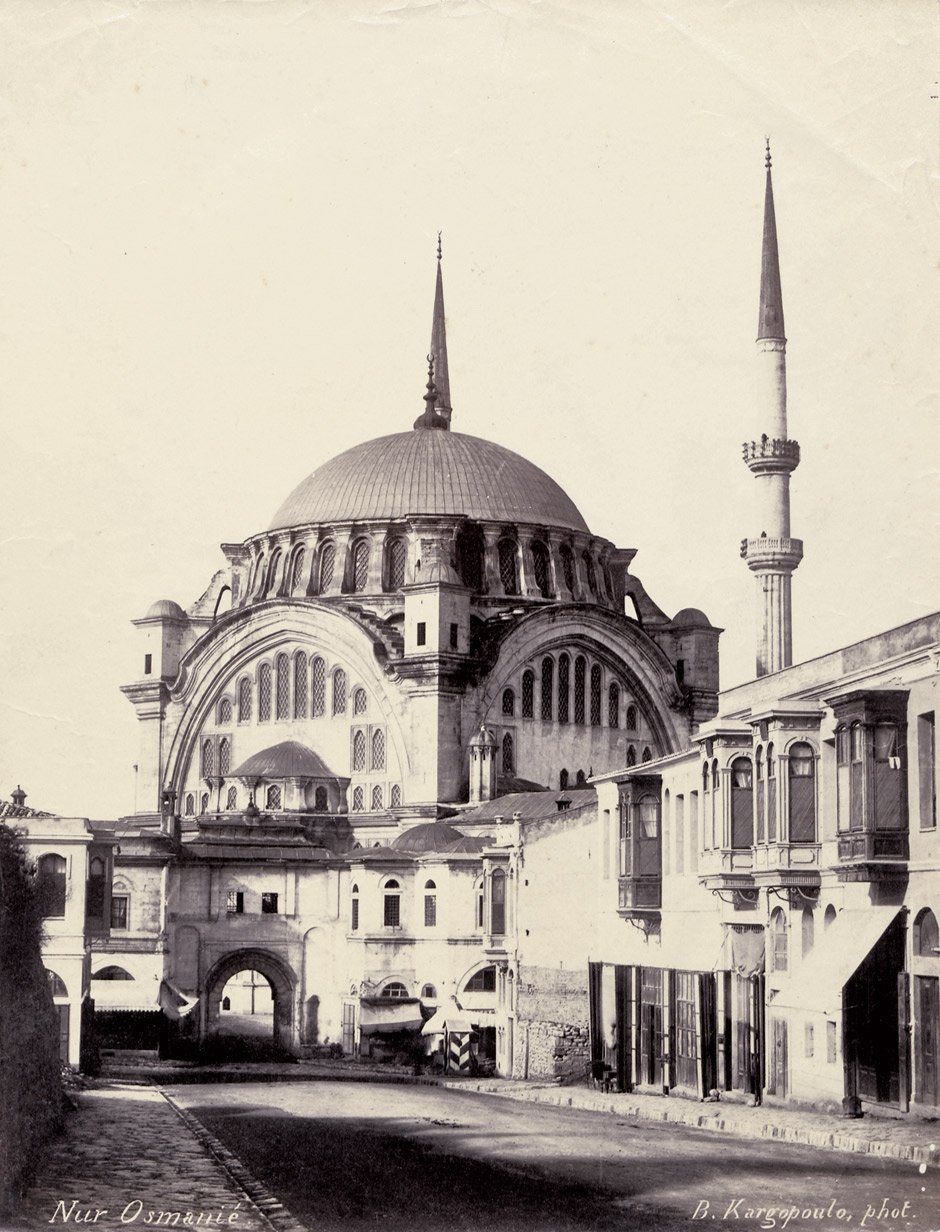
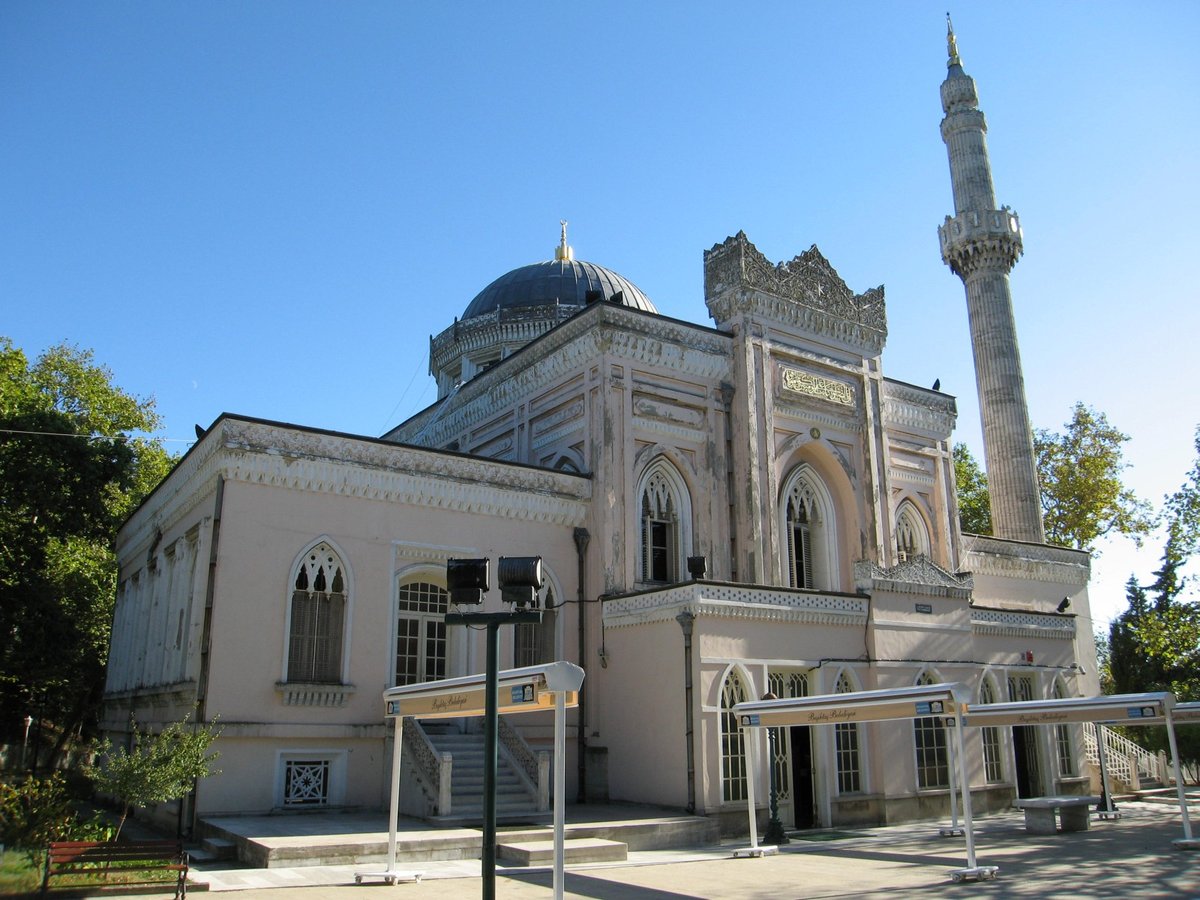
Ortaköy Mosque
Büyük Mecidiye Camii, more commonly known as the Ortaköy Mosque, is an architectural and cultural marvel nestled in the bustling Ortaköy neighborhood of…
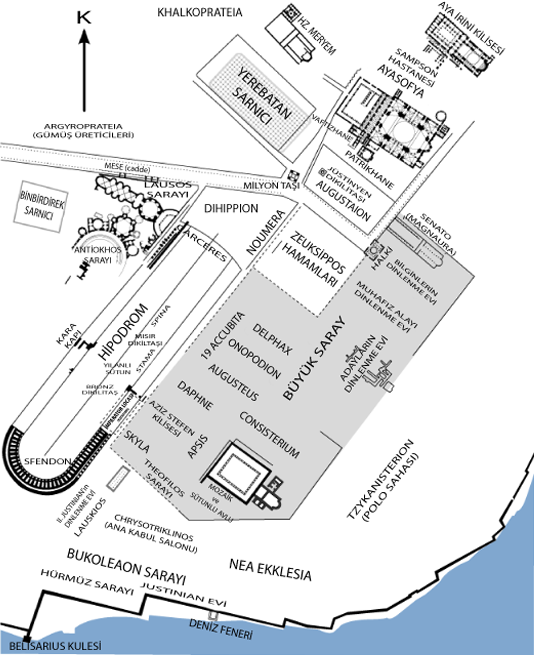
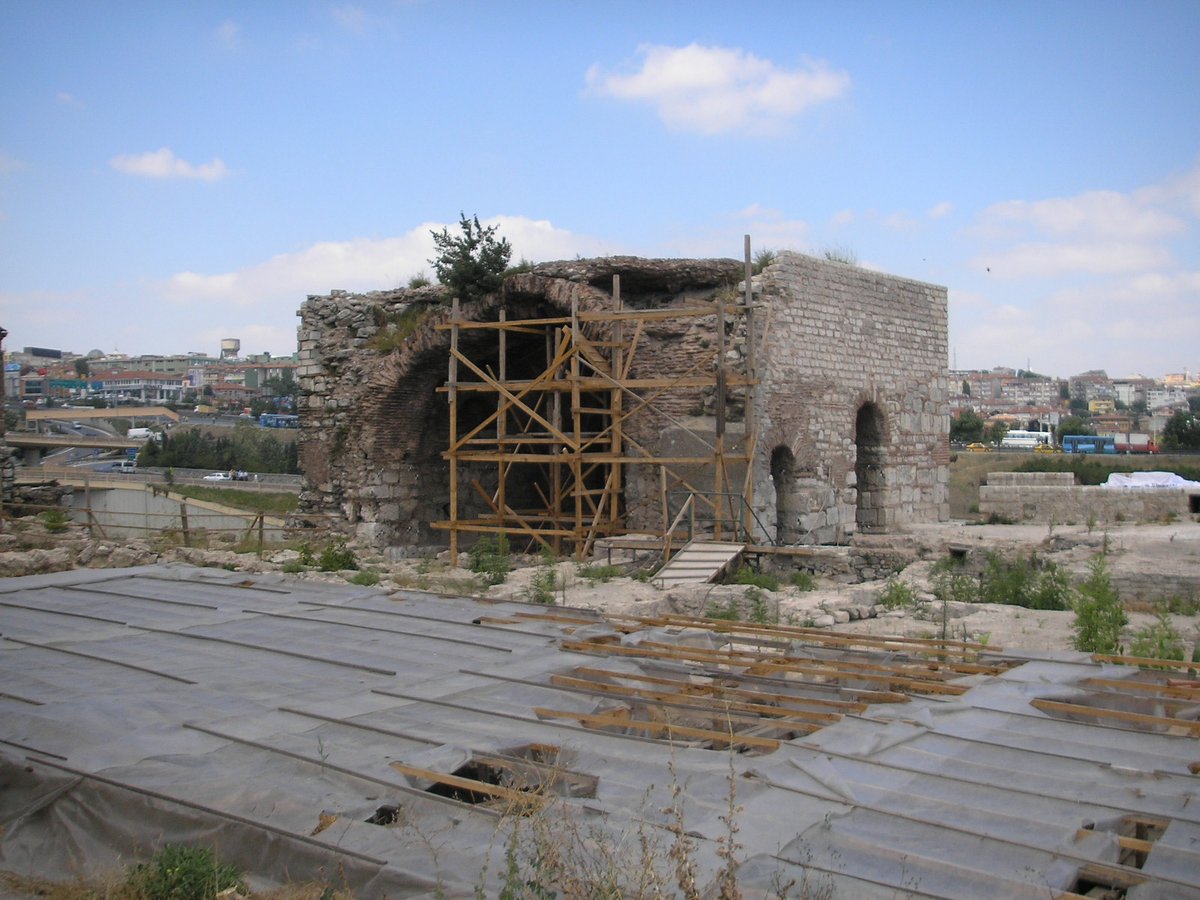
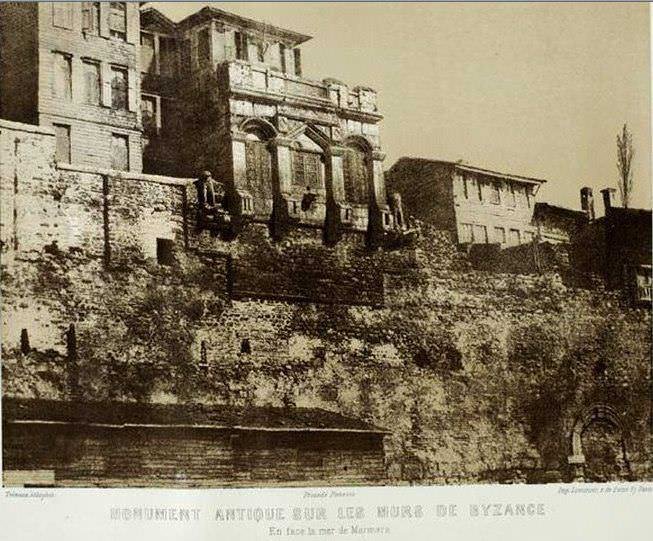
Great Palace of Constantinople
The Great Palace of Constantinople stands as an enduring emblem of Byzantine imperial grandeur and cultural heritage, located in the historic heart of…
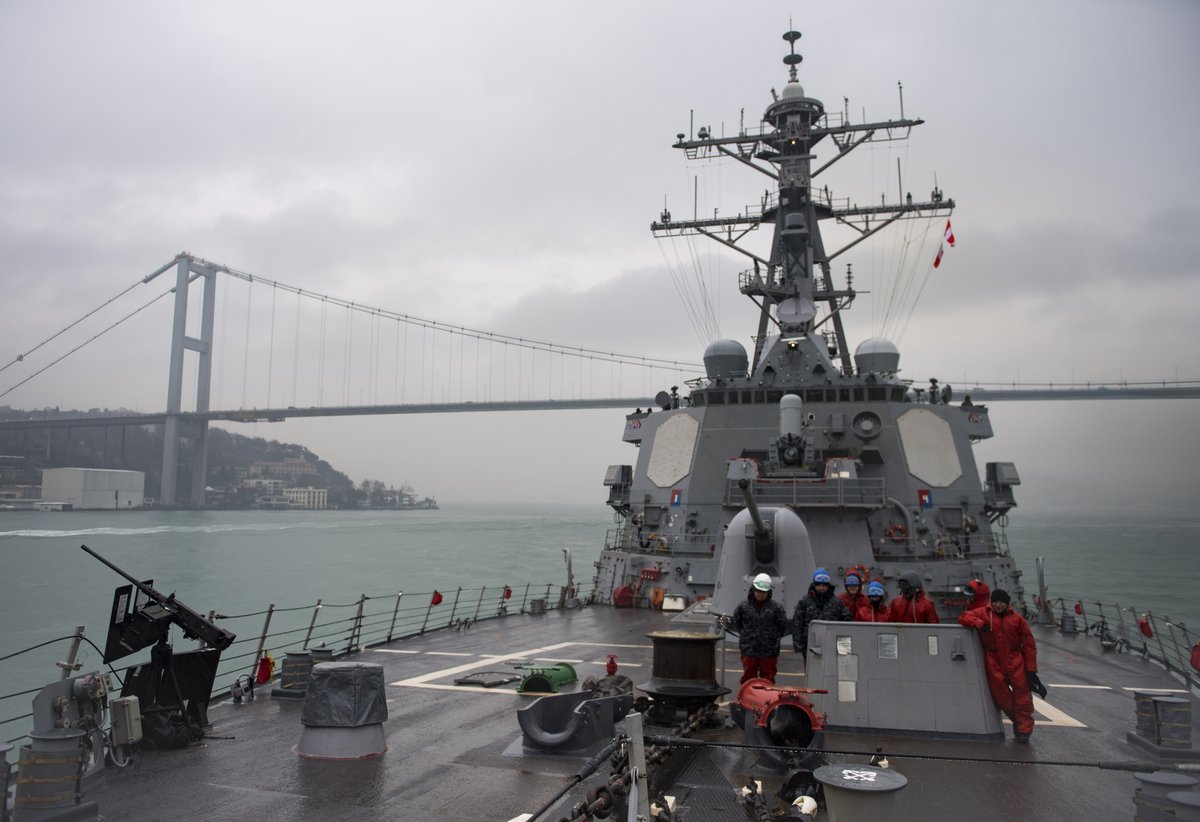
15 July Martyrs Bridge
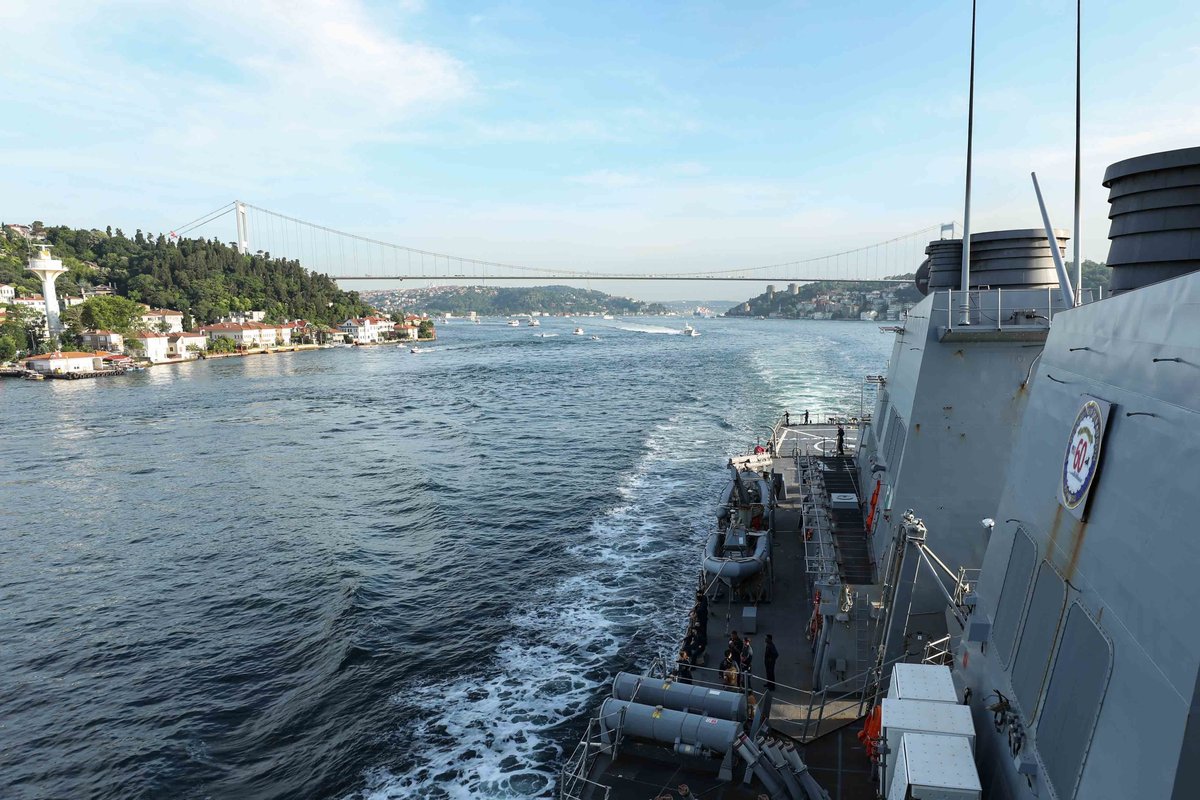
The 15 July Martyrs Bridge, formerly known as the Bosphorus Bridge, stands as one of Istanbul’s most remarkable landmarks, both as an engineering marvel and a…
Üsküdar
Çınarlı Cami Sokağı, located in the heart of Istanbul, Türkiye, is a street that draws visitors with its deep historical roots, captivating architecture, and…
Rahmi M. Koç Museum
Welcome to the Rahmi M.
Church of the Holy Apostles
The Church of the Holy Apostles in Istanbul, originally known as Constantinople, holds a distinguished place in the annals of Byzantine history and…
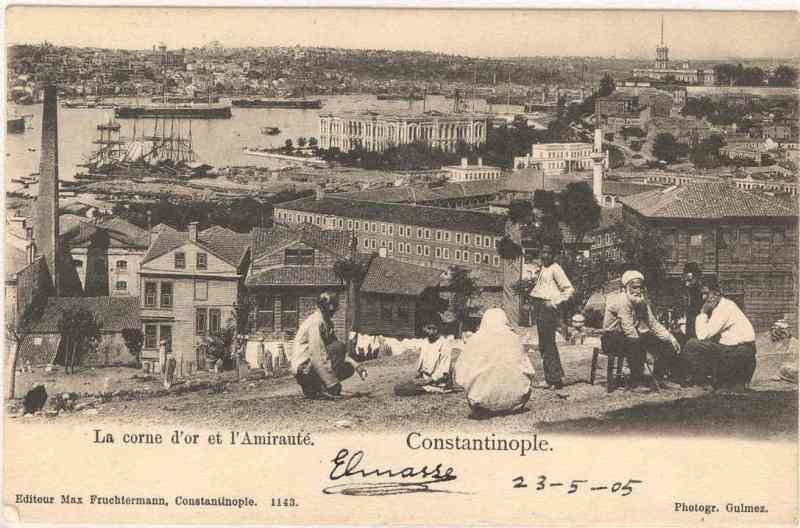
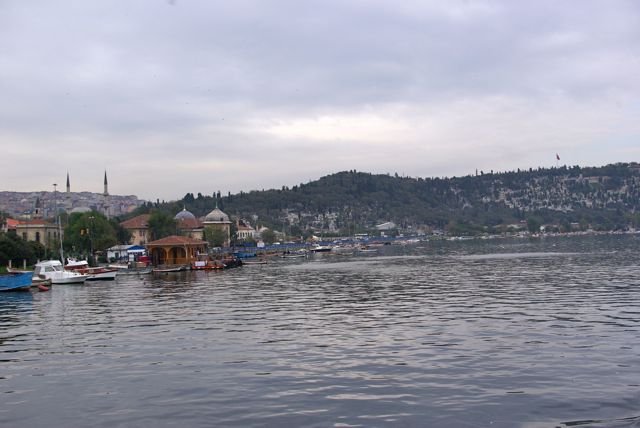
Golden Horn
Boğaziçi Yoltur İskelesi, situated on the iconic Bosphorus Strait in Istanbul, Türkiye, is a destination brimming with historical, cultural, and architectural…
What Makes This City Special
Layered Empires
Hagia Sophia still shifts between church, mosque, and museum in your mind long after you leave. Its massive dome, completed in 537, floats 55 meters above you while the afternoon light cuts through windows that have seen both Byzantine emperors and Ottoman sultans.
Bosphorus Life
The real city reveals itself from the deck of a Şehir Hatları ferry. One cheap ticket carries you between continents while the call to prayer echoes across the water and the shoreline slides past wooden yalıs, palaces, and modern towers.
Contemporary Pulse
Istanbul Modern’s Renzo Piano building at Galataport and SALT Galata’s restored bank headquarters prove the city never stopped reinventing itself. The art scene here feels urgent rather than decorative.
Street to Palace
You can eat a 15-lira balık ekmek straight off the boat at Eminönü or spend three hours on a tasting menu in Beyoğlu. Both are equally Istanbul.
Historical Timeline
Layers of Empire Beneath Your Feet
From Greek colony to megacity straddling two continents
Byzantium Founded
Greek colonists from Megara sailed through the Bosphorus and settled on the European shore. Legend credits their leader Byzas with choosing the perfect spot where the current brings fish straight to the nets. The small trading city they built would one day become the center of two world empires.
Persian Rule Begins
Darius I incorporated Byzantium into the Achaemenid Empire. The city paid tribute and watched Persian troops march across the straits toward Europe. Local autonomy survived but the balance of power had shifted eastward for the first time.
Severus Rebuilds the City
Emperor Septimius Severus razed Byzantium after it backed his rival, then rebuilt it grander than before. The Hippodrome took shape during this reconstruction. What began as punishment became the first stone of imperial Constantinople.
Constantine Refounds the City
On 11 May Constantine I dedicated his New Rome on the site of Byzantium. He expanded the walls, built forums and churches, and moved the capital of the empire here. The city that had been a modest port suddenly stood at the center of the known world.
Theodosian Walls Rise
After devastating earthquakes and Hunnic threats, the triple line of Theodosian land walls stretched 6,650 meters across the peninsula. Their massive stone blocks, still visible today, would repel invaders for a thousand years. Few structures have shaped a city's survival so completely.
Nika Riots Consume the City
Blues and Greens united against Justinian and burned much of Constantinople. The emperor nearly fled. Theodora's refusal to leave stiffened his resolve. When the smoke cleared, thirty thousand lay dead and the greatest building project of the age was about to begin.
Hagia Sophia Consecrated
Justinian's masterwork rose from the ashes in just five years. When the emperor entered the completed church he reportedly whispered that he had surpassed Solomon. The massive dome seemed to float on light. For centuries it remained the largest enclosed space in the world.
Plague of Justinian Strikes
The pandemic killed three of every five residents according to contemporary accounts. Bodies piled in the streets and cisterns. The empire never fully recovered its pre-plague population or confidence. Yet the city endured.
Crusaders Sack Constantinople
On 13 April the Fourth Crusade turned on the city it had come to defend. Three days of systematic looting destroyed more of Constantinople's treasures than a thousand years of enemies had managed. The great bronze horses of the Hippodrome sailed for Venice. The fracture between East and West never healed.
Byzantines Recapture the City
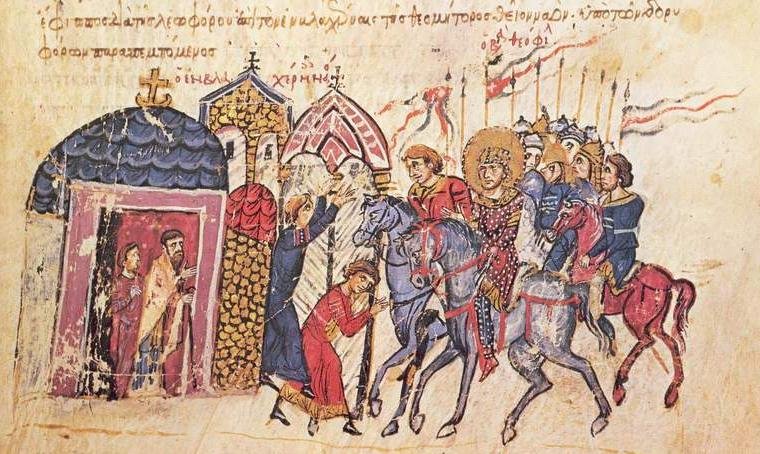
Michael VIII Palaiologos slipped through the walls at night and reclaimed Constantinople from the Latin emperors. The city he recovered was smaller, poorer, and stripped of its treasures. Yet the Byzantine state would limp on for another two centuries in its battered capital.
Galata Tower Completed
The Genoese finished their stone sentinel across the Golden Horn. The 67-meter tower watched over their trading colony and offered views that still stop visitors today. It would survive every siege that followed.
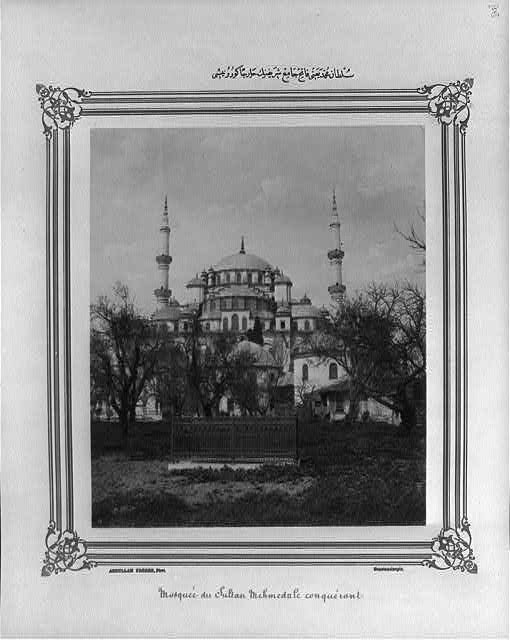
Mehmed II Conquers Constantinople
After 55 days the Ottoman cannons finally breached the Theodosian walls on 29 May. Constantine XI died fighting near the gate that still bears his name. The city that had defied attackers for a millennium fell to artillery and determination. Everything changed.
Mehmed the Conqueror
The 21-year-old sultan who took Constantinople immediately began repopulating and rebuilding his new capital. He converted Hagia Sophia into a mosque and started work on the first Ottoman palace. Mehmed understood that a city without people is just ruins.
Süleymaniye Mosque Completed
Mimar Sinan's masterpiece for Süleyman the Magnificent rose on the third hill. The complex included schools, hospitals, and kitchens feeding the poor. From its courtyard the dome appears to compete with the sky itself. Ottoman confidence made visible in stone.
Süleyman the Magnificent
The longest-reigning and most powerful Ottoman sultan transformed Istanbul during his 46 years on the throne. While he expanded the empire to its greatest extent, he also poured wealth into the city's skyline. The Süleymaniye remains his most personal monument.
Blue Mosque Opens
Sultan Ahmed I built the mosque with six minarets, matching the number in Mecca and causing scandal. Its interior glows with 20,000 handmade tiles in a dozen shades of blue. Even today the call to prayer from its minarets seems to float across Sultanahmet.
Great Fire Devastates the City
Flames tore through wooden neighborhoods for days, destroying much of the old city. The disaster cleared space for new Ottoman building projects around Eminönü. Fires like this repeatedly reshaped the city until the 20th century.
Ahmed Nedim Captures the Tulip Age
The poet of the Tulip Period wrote verses celebrating pleasure gardens, wine, and the fleeting beauty of flowers. Court culture turned toward refined entertainment and selective European influences. The era ended in rebellion but left its mark on miniature painting and poetry.
First Golden Horn Bridge
The wooden bridge connected the old city to Galata and Pera. Modernization arrived in physical form. Istanbul began its awkward but unstoppable transformation into a 19th-century capital.
Dolmabahçe Palace Completed
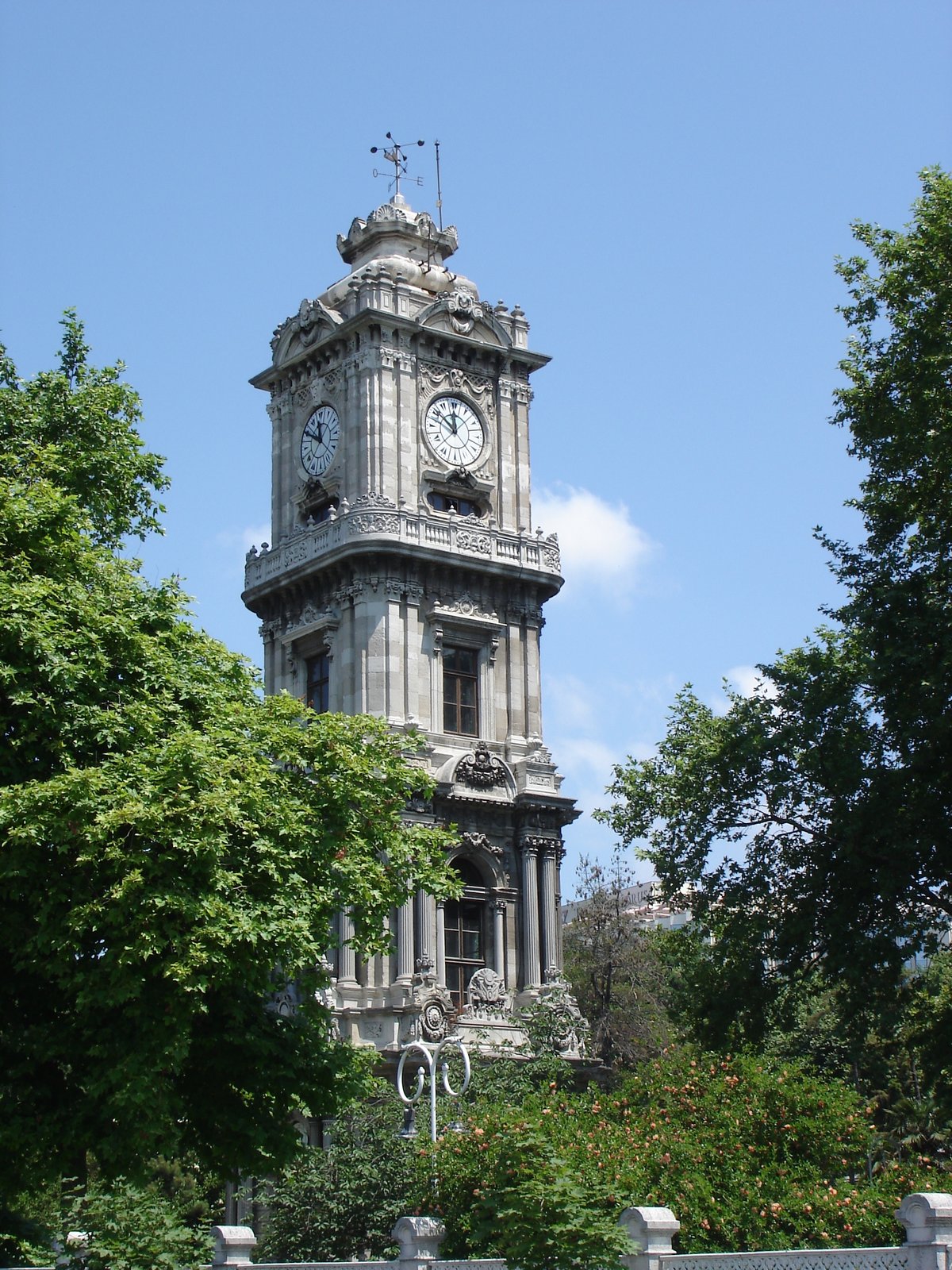
Sultan Abdülmecid moved the court into this European-style palace on the Bosphorus. Crystal chandeliers, marble staircases, and Western furniture replaced Topkapi's intimate courtyards. The empire was looking firmly toward Paris and Vienna.
Devastating Earthquake
The July earthquake destroyed thousands of buildings and killed nearly 5,000 people in the city. Ottoman authorities began systematic study of seismic risk. The scars influenced building codes that would prove tragically insufficient a century later.
Republic Declared
Ankara replaced Istanbul as capital of the new Turkish Republic. The sultanate had already ended. The city that had ruled empires for sixteen centuries suddenly found itself a former imperial capital. Many expected it to fade.
Hagia Sophia Becomes a Museum
Atatürk's government secularized the building after nearly five centuries as a mosque. The transformation symbolized the Republic's break with the Ottoman past. For 85 years visitors could see both Christian mosaics and Islamic calligraphy under one dome.
Istanbul Pogrom
Mobs attacked Greek, Armenian, and Jewish properties over two days in September. Thousands of businesses were destroyed. The city's ancient multicultural character suffered a blow from which it never fully recovered.
UNESCO World Heritage Listing
The Historic Areas of Istanbul gained international protection. Four separate zones encompassing the city's layered past received recognition. The listing came just as rapid modernization threatened to erase much of what remained.
Izmit Earthquake Kills Hundreds Here
The magnitude 7.4 quake struck 80 kilometers east but still collapsed hundreds of buildings in Istanbul. More than 17,000 died across the region. The disaster exposed dangerous construction practices that continue to worry residents today.
Istanbul Modern Opens
Turkey's first museum of modern and contemporary art opened in a converted warehouse on the Bosphorus. The timing was deliberate. Istanbul was announcing itself as a serious player in the international art world.
Marmaray Tunnel Opens
The rail tunnel under the Bosphorus physically connected Europe and Asia by train for the first time. Engineers discovered a 4th-century Byzantine harbor during construction, complete with 37 perfectly preserved shipwrecks. The past literally surfaced during the building of the future.
Hagia Sophia Reopens as Mosque
The building that had been a museum since 1935 became a mosque again. The decision divided Turks and drew international criticism. Yet the call to prayer once more echoes under the great dome that Justinian built fourteen centuries earlier.
Orhan Pamuk
Born in Istanbul the year after the pogrom, Pamuk would spend his life chronicling the city's melancholy beauty and contradictions. His museum in Çukurcuma and his book Istanbul: Memories and the City capture the layered, sometimes painful soul of the place better than any official history.
Notable Figures
Orhan Pamuk
born 1952 · NovelistPamuk grew up in the wooden houses of Nişantaşı that he later turned into literature. His book Istanbul: Memories and the City reads the melancholy of the Bosphorus like a family album. Walk the back streets of Çukurcuma today and you still feel the city he described.
Ara Güler
1928–2018 · PhotojournalistThe man they called the Eye of Istanbul spent decades capturing fishermen at dawn and porters on Galata Bridge in perfect black and white. His archive shows a city that no longer quite exists. Stand on the same pier at the right hour and you can still see his shadows.
Mimar Sinan
c. 1490–1588 · ArchitectSinan built over 300 structures that still shape the skyline. The Süleymaniye Mosque was his masterpiece, perfectly balanced on the hill above the Golden Horn. Four centuries later the domes still feel inevitable, as if the hills themselves asked for them.
Mehmed II
1432–1481 · Ottoman SultanAt 21 he took Constantinople and immediately began rebuilding it as his capital. He repopulated empty quarters and turned Hagia Sophia into a mosque. Today’s Istanbul still carries the decisive decisions he made in those first few years.
Plan your visit
Practical guides for Istanbul — pick the format that matches your trip.
Istanbul Money-Saving Passes & Cards
Honest guide to Istanbul passes and cards: when Istanbulkart, MuseumPass Istanbul, and private sightseeing bundles save money, and when they do not.
First-Time Visitor Tips for Istanbul That Save Hours
First-time visitor tips for Istanbul from a local angle: when to go, what to skip, how to avoid queues, taxi nonsense, and the mistakes that waste a day.
Photo Gallery
Explore Istanbul in Pictures
The historic Ortakoy Mosque glows beautifully against the backdrop of the illuminated Bosphorus Bridge in Istanbul, Turkey.
yusragonul on Pexels · Pexels License
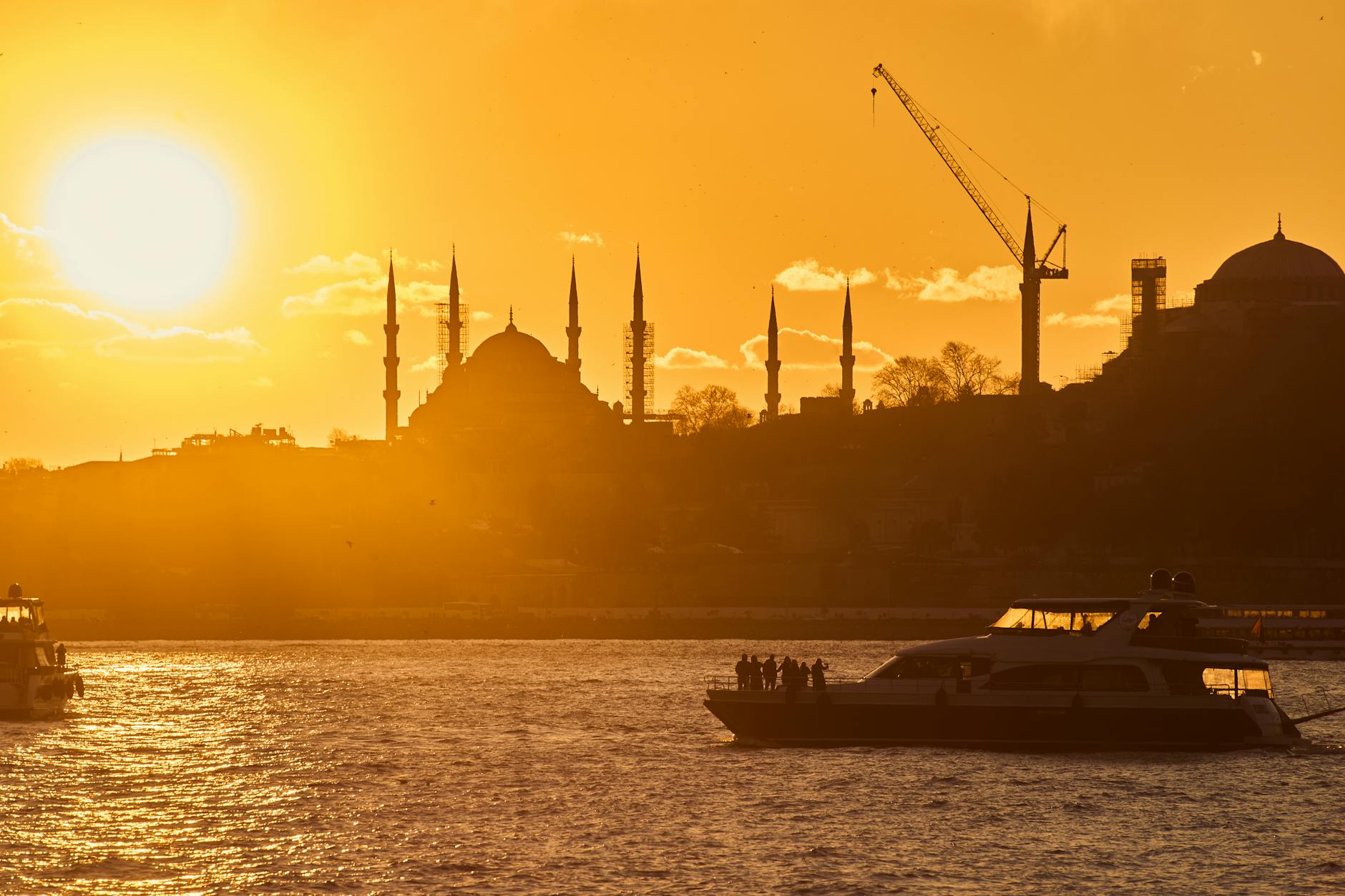
The golden glow of sunset illuminates the iconic skyline of Istanbul, Turkey, as boats traverse the Bosphorus waters.
Meriç Tuna on Pexels · Pexels License
A scenic elevated view of Istanbul, Turkey, looking out from the historic lead-domed roofs of a mosque toward the Bosphorus and the bustling city skyline.
marishalaugh on Pexels · Pexels License
The stunning interior of the Chora Church in Istanbul, Turkey, showcases masterfully preserved Byzantine frescoes and a central dome filled with religious iconography.
Mesut Yalçın on Pexels · Pexels License
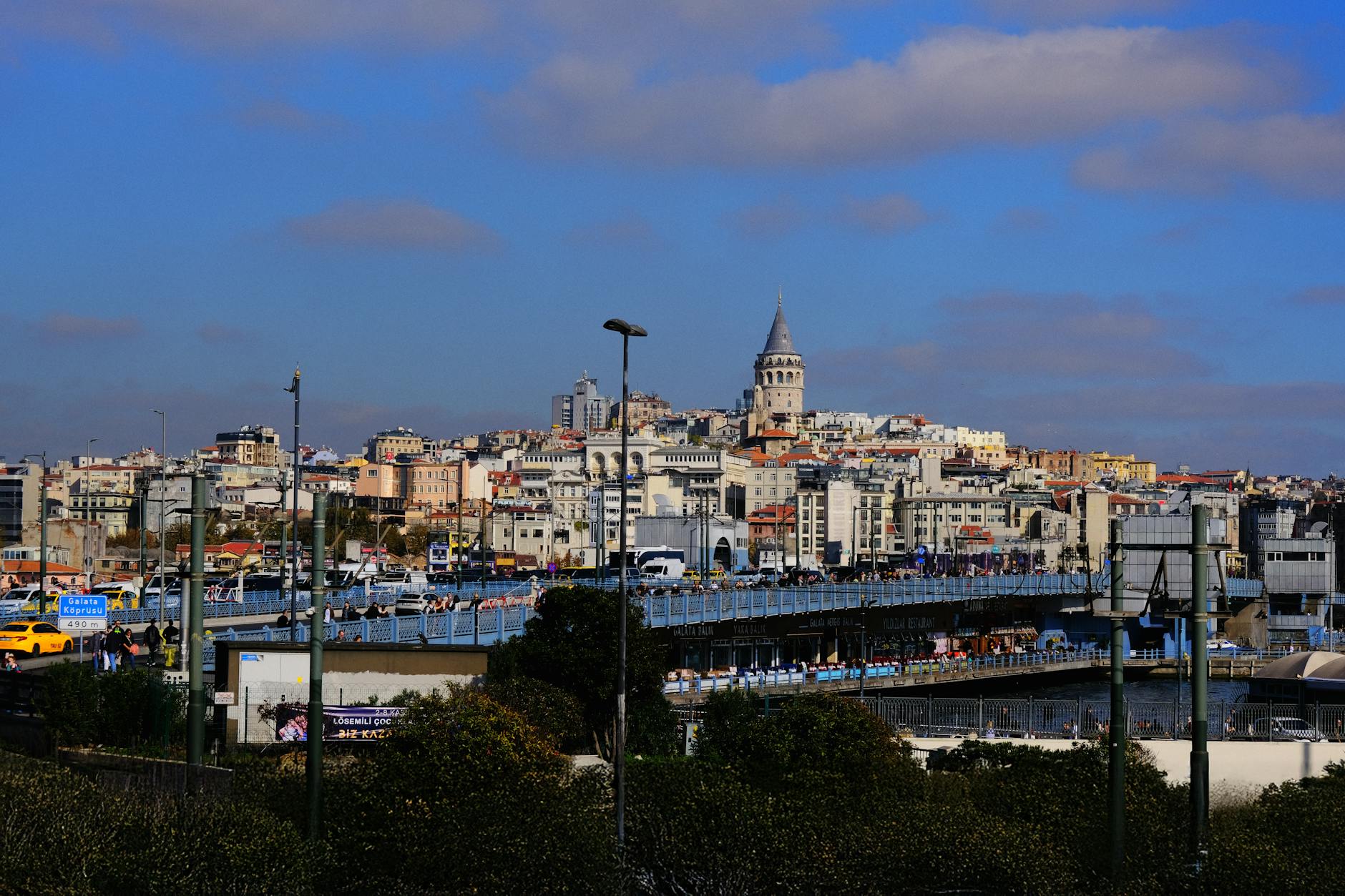
The iconic Galata Tower stands prominently above the dense urban landscape of Istanbul, overlooking the bustling bridge below.
Bülent Özgöç on Pexels · Pexels License
A scenic aerial perspective of Istanbul, Turkey, showcasing the city's diverse architectural landscape along the waterfront under a clear sky.
Abdurahman Yarichev on Pexels · Pexels License
The intricate lead-covered domes and ornate marble masonry of a historic mosque in Istanbul, Turkey, stand out against a bright blue sky.
S4met Kocaman on Pexels · Pexels License
The historic Hagia Sophia glows brilliantly at night, overlooking the Bosphorus strait in the heart of Istanbul, Turkey.
Kelly on Pexels · Pexels License
The iconic Galata Tower stands tall over the colorful, densely packed architecture of Istanbul's historic waterfront district in Turkey.
Ali Akdemir on Pexels · Pexels License
The sprawling cityscape of Istanbul, Turkey, glows under the night sky, highlighted by the majestic illumination of the Camlica Mosque.
Kelly on Pexels · Pexels License
A moody, overcast view of the iconic Galata Bridge spanning the Bosphorus in Istanbul, Turkey, with ferries navigating the busy waterway.
Halid Elosman on Pexels · Pexels License
Videos
Watch & Explore Istanbul
The Istanbul They Don't Want You To See 🇹🇷 Türkiye 2025
ISTANBUL, Turkey — Walking Tour 4K 🇹🇷
20 BEST Things to do in Istanbul Turkey in 2025 🇹🇷
Practical Information
Getting There
Istanbul Airport (IST) connects via M11 metro to Gayrettepe or HAVAIST buses to central districts. Sabiha Gökçen Airport (SAW) now has a direct M4 metro station plus HAVABUS shuttles to Taksim and Kadıköy. In 2026 both airports feed into a 380 km urban rail network.
Getting Around
Metro Istanbul runs 18 lines including the useful M2, M4 and T1 tram. Buy an anonymous Istanbulkart (42 TL full fare) or the Istanbul City Card for unlimited travel. Ferries are part of the same system, bicycles travel free on them, and the network links both sides of the Bosphorus efficiently.
Climate & Best Time
April–May and September–October give average temperatures of 13–22 °C with moderate rainfall. Summers reach 25 °C but feel hotter in the city; winters average 7 °C and are wettest. Avoid July–August crowds and January–February rain if you can.
Safety
Pickpocketing remains common in Sultanahmet, the Grand Bazaar and around Taksim. Turkey holds a Level 2 travel advisory in 2026. Skip invitations from strangers in tourist areas and avoid demonstrations.
Where to Eat
Don't Leave Without Trying
Vefa Bozacisi
local favoriteOrder: The boza—a thick, fermented grain drink served ice-cold with roasted chickpeas and cinnamon. This is the real thing, not the tourist version.
A genuine Istanbul institution since 1927, this is where locals come for a late-night or early-morning boza. The ritual matters as much as the drink itself.
Hafız Mustafa
local favoriteOrder: The pistachio baklava and Turkish delight (lokum). The pastries are made fresh daily, and the quality is consistent across their 150+ years of operation.
A legendary Istanbul bakery that's been perfecting Ottoman pastry since 1864. The craftsmanship is visible in every layer, and the location near the Blue Mosque makes it convenient but never feels touristy.
Kubbe-i Aşk
cafeOrder: Turkish coffee and the house-made pastries. The setting under the Süleymaniye Mosque is as important as what you're drinking.
Nestled in the shadow of one of Istanbul's most important mosques, this café captures the rhythm of neighborhood life—locals stopping by for coffee, conversation, and a moment of quiet.
Galata Sanat Restaurant Galata Köprüsü
local favoriteOrder: Meze platters and fresh fish. The location underneath the Galata Bridge means you're eating where fishermen still work, and the seafood reflects that.
Sitting directly under the Galata Bridge with views of the Golden Horn, this is where locals go to eat fish and watch the city pulse. The energy is electric, especially at sunset.
Beyaz İnci Restaurant Galata Köprüsü
local favoriteOrder: Grilled sea bass and shrimp salatası (a cooked shrimp salad). The fish is landed daily from boats you can see from your table.
Another Golden Horn institution under the bridge, but with slightly later hours and a reputation for reliable, unpretentious seafood. Locals know it as a safe bet for a proper fish dinner.
Arya Lounge
cafeOrder: Turkish coffee, tea, and light pastries. The menu is secondary to the atmosphere and the view over the neighborhood.
A neighborhood favorite in the Süleymaniye area that serves as a genuine hangout for locals—not a tourist stop. The long hours and welcoming vibe make it a reliable refuge.
Cafe Amedros
cafeOrder: Turkish coffee, ayran, and house-made pastries. Simple, done well, and a true neighborhood spot near the Topkapi Palace area.
A small, carefully run café that feels like a secret even though it's near major monuments. Locals treat it as their own, and the quality of the coffee and hospitality reflects that care.
Mükellef Karakoy
local favoriteOrder: Meze platters and Turkish wine. The kitchen takes meze seriously—these aren't afterthoughts, they're the main event.
Located in Karakoy's narrow lanes, this is where the neighborhood crowd goes when they want something a step above casual but still genuine. The wine list reflects serious curation.
Dining Tips
- check The most 'Istanbul' eating rhythm is: long breakfast, practical lunch at a lokanta, coffee/pastry in late afternoon, then a late meze or kebab dinner.
- check After midnight, soup or kokoreç is normal—the city's night-eating culture is real.
- check Istanbul rewards specialists: one place for lahmacun, another for döner, another for baklava. Don't expect one restaurant to do everything equally well.
- check Don't eat every meal in Sultanahmet. For the strongest everyday food culture, venture to Kadıköy, Beşiktaş, Karaköy/Galata, or Üsküdar.
Restaurant data powered by Google
Tips for Visitors
Get an Istanbulkart
Buy an anonymous Istanbulkart at any major station for 42 TL base fare. It works on metro, tram, bus and ferries, saving you from buying separate tickets every time.
Mind prayer times
Blue Mosque and Hagia Sophia close to visitors during the five daily prayers. Check exact times that morning; Friday afternoons see the longest closures.
Eat outside Sultanahmet
Visit the historic sites then cross to Kadıköy or Beyoğlu for real meals. Locals rarely eat in the tourist core where lokantas and meyhanes are better and cheaper.
Take the ferry
Board any Sehir Hatlari ferry at least once. The 20-minute Bosphorus crossing costs the same as a metro ride and shows the city’s split personality between continents.
Skip the tourist traps
Decline invitations from strangers near Galata or the Grand Bazaar who offer tea or carpet shops. Stick to clearly priced places and ignore unsolicited restaurant guides.
Visit in April or September
April brings tulips in Gülhane and Emirgan parks while September offers warm days and far fewer crowds than July. Both beat the wet winters and humid summers.
Explore the city with a personal guide in your pocket
Your Personal Curator, in Your Pocket.
Audio guides for 1,100+ cities across 96 countries. History, stories, and local insight — offline ready.
Audiala App
Available on iOS & Android
Join 50k+ Curators
Frequently Asked
Is Istanbul worth visiting? add
Yes, if you like cities that refuse to pick one identity. The same day you can stand inside a 6th-century church-mosque, eat grilled mackerel by the water, then hear underground DJs in Kadıköy. Three days barely scratches it.
How many days do I need in Istanbul? add
Four full days works for the absolute essentials. Five or six days lets you add a Bosphorus ferry ride, half a day in Kadıköy, and the Chora Mosque without rushing. A week starts to feel comfortable.
How do I get from Istanbul Airport to the city center? add
Take the M11 metro to Gayrettepe then transfer, or catch a HAVAIST bus that goes directly to Taksim or Kadıköy. The metro is cheapest if you travel light; the bus is easier with luggage.
Is Istanbul safe for tourists in 2026? add
Exercise normal big-city caution. Pickpocketing happens in Sultanahmet, the Grand Bazaar and on crowded trams. Avoid joining street demonstrations and never accept drinks from strangers in bars.
Should I stay on the European or Asian side? add
Stay European if it’s your first trip. Most sights cluster around Sultanahmet, Beyoğlu and Karaköy. The Asian side rewards a second visit when you want slower mornings in Moda and better local food.
Sources
- verified Visit Istanbul Official — Current opening patterns, transport advice and event dates for 2026.
- verified Metro Istanbul & IETT — Public transport routes, fares and airport connections as of April 2026.
- verified Time Out Istanbul — Neighbourhood food and nightlife recommendations including Kadıköy and Beyoğlu.
- verified İKSV — 2026 festival dates for film, music, jazz and theatre.
Last reviewed: