
History of Kıztaşı
Origins and Construction
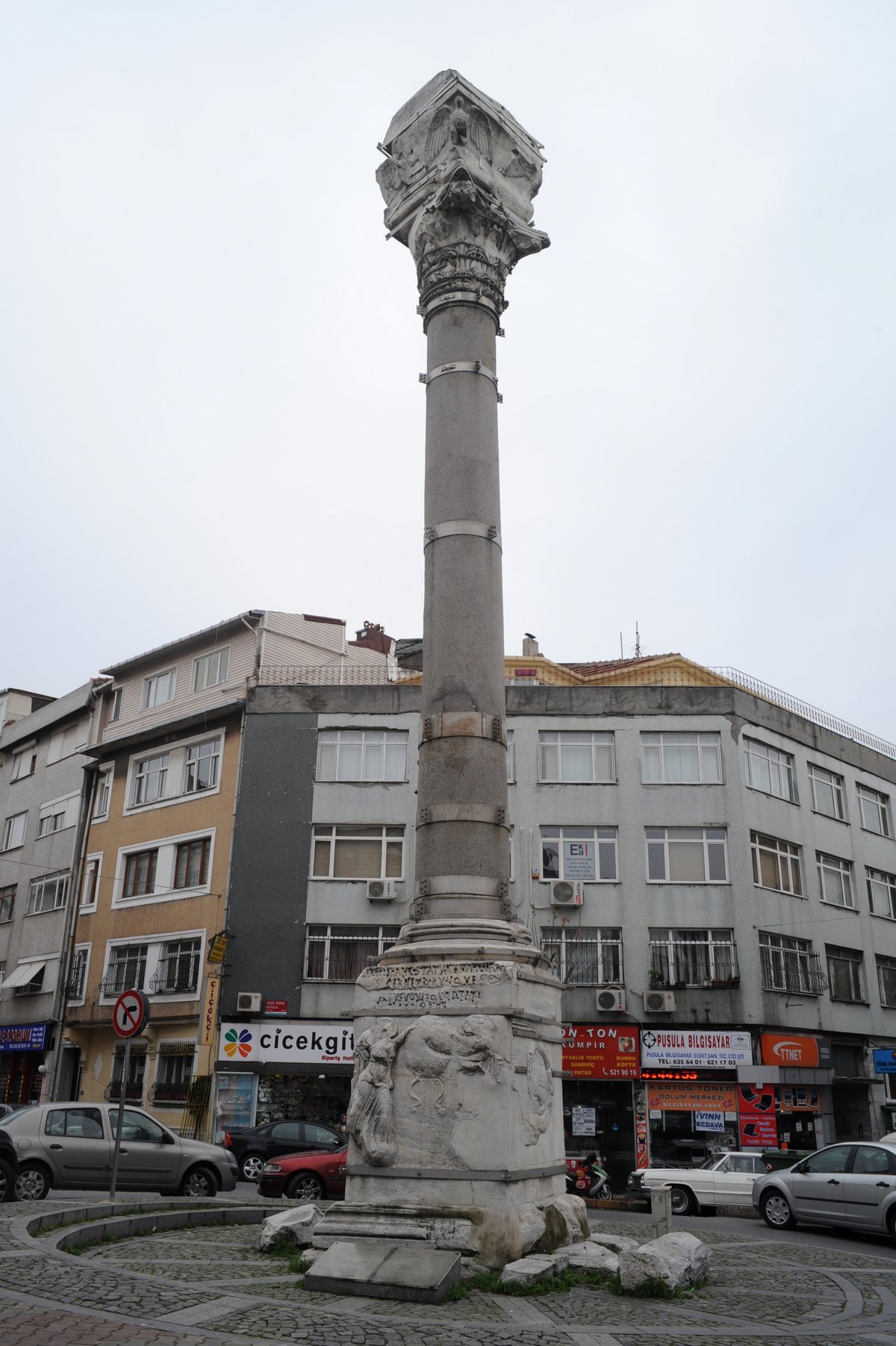
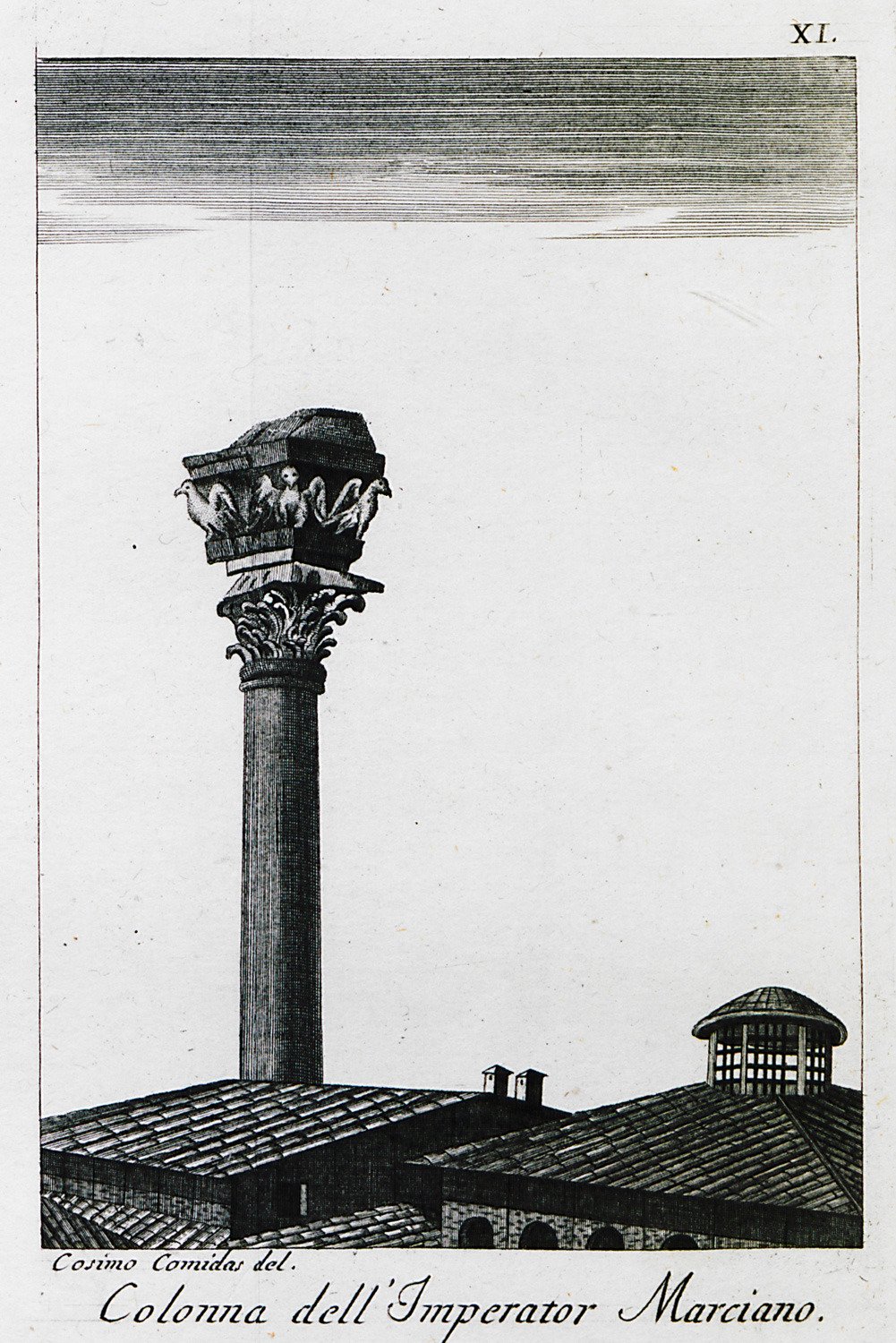
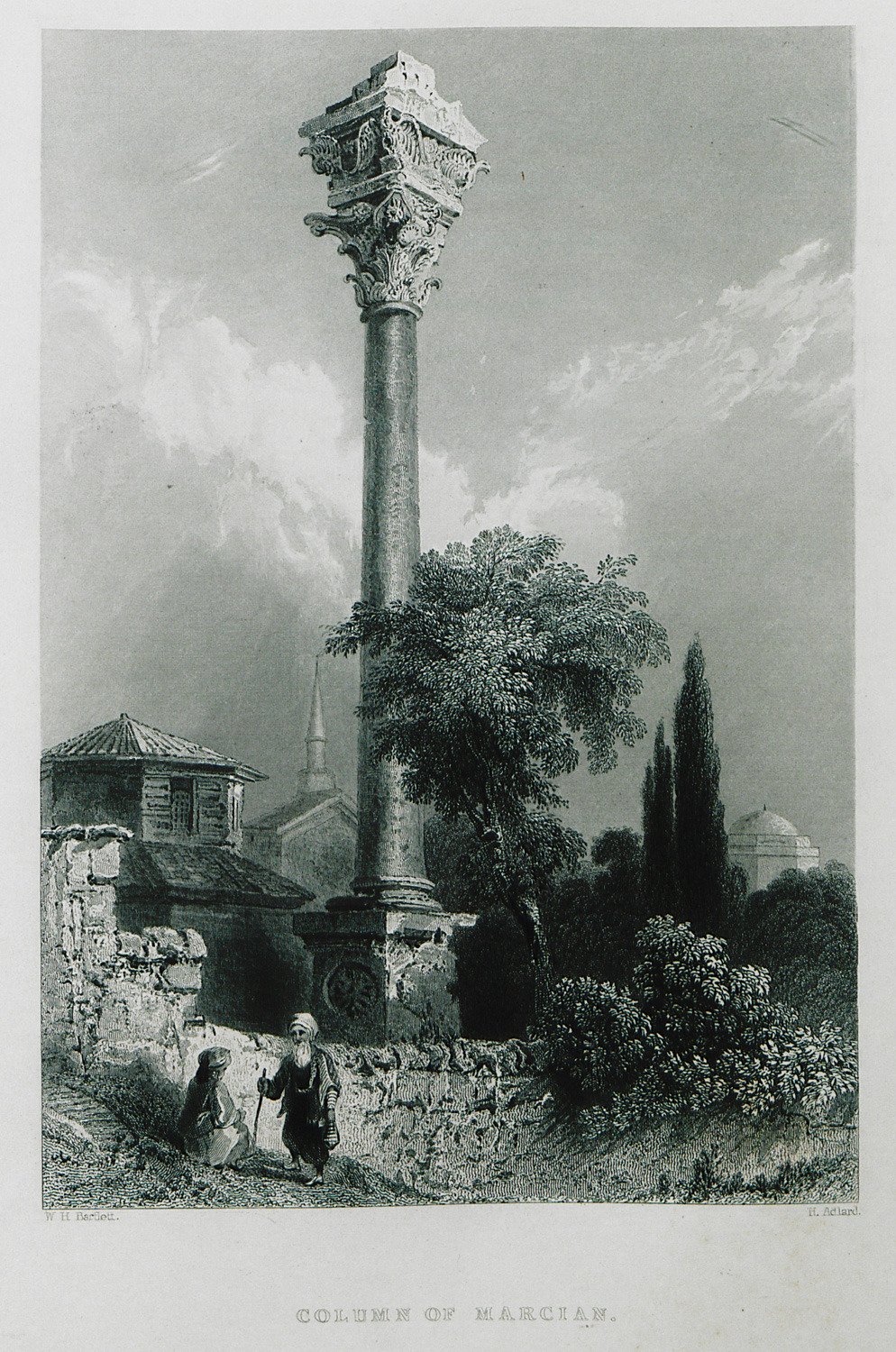
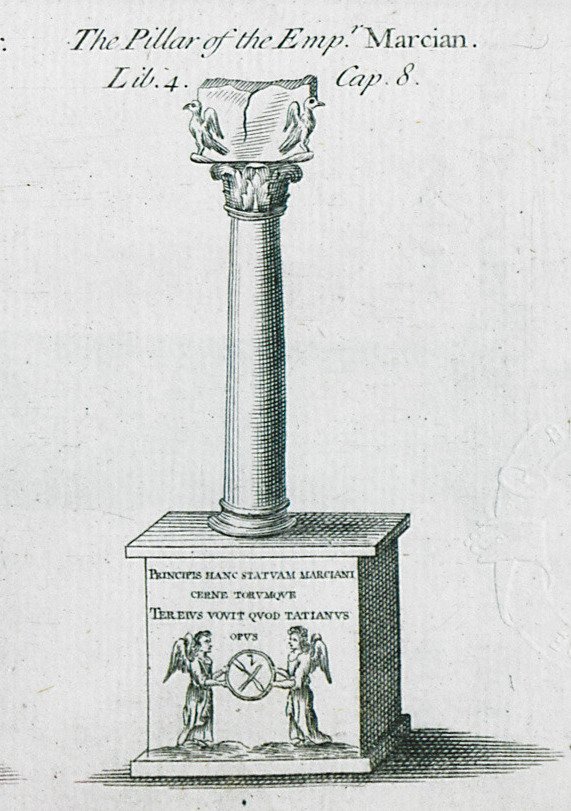
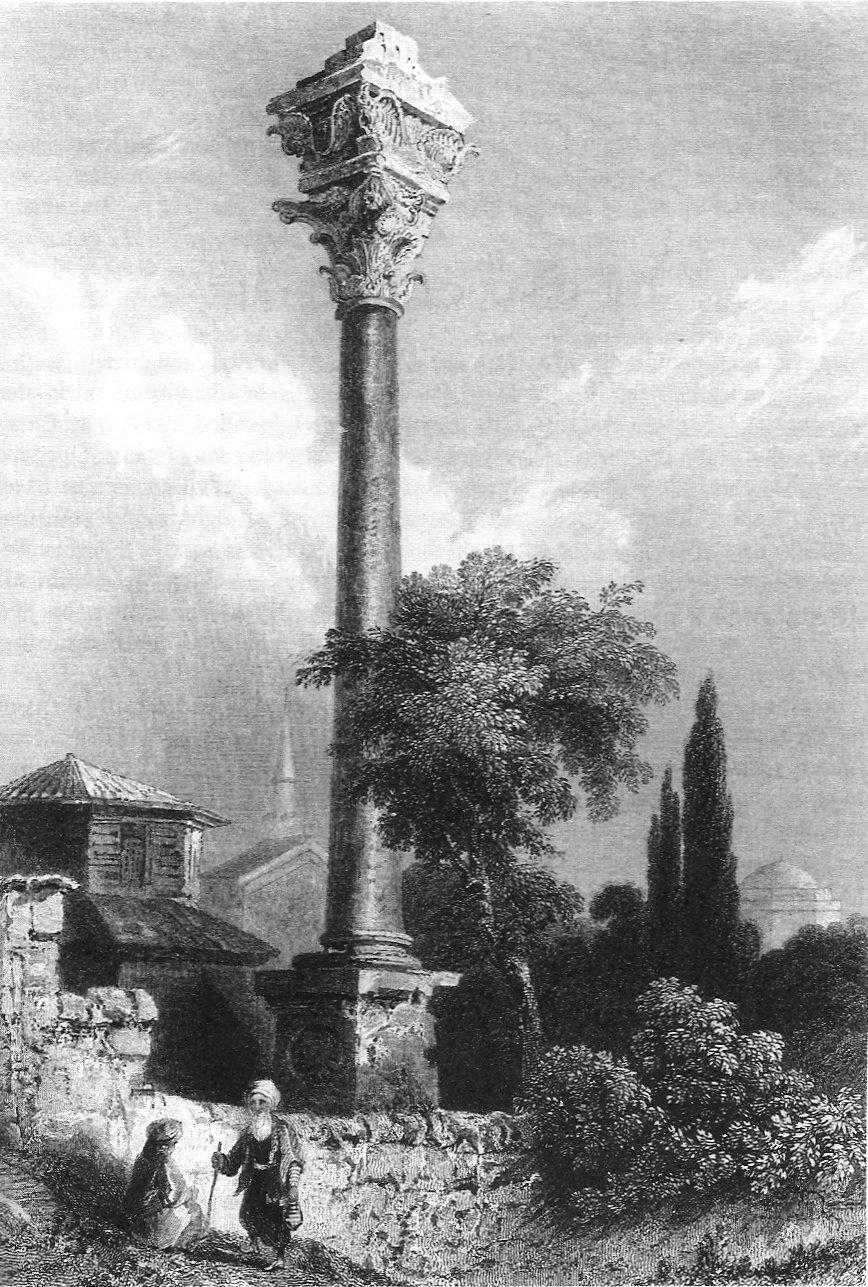
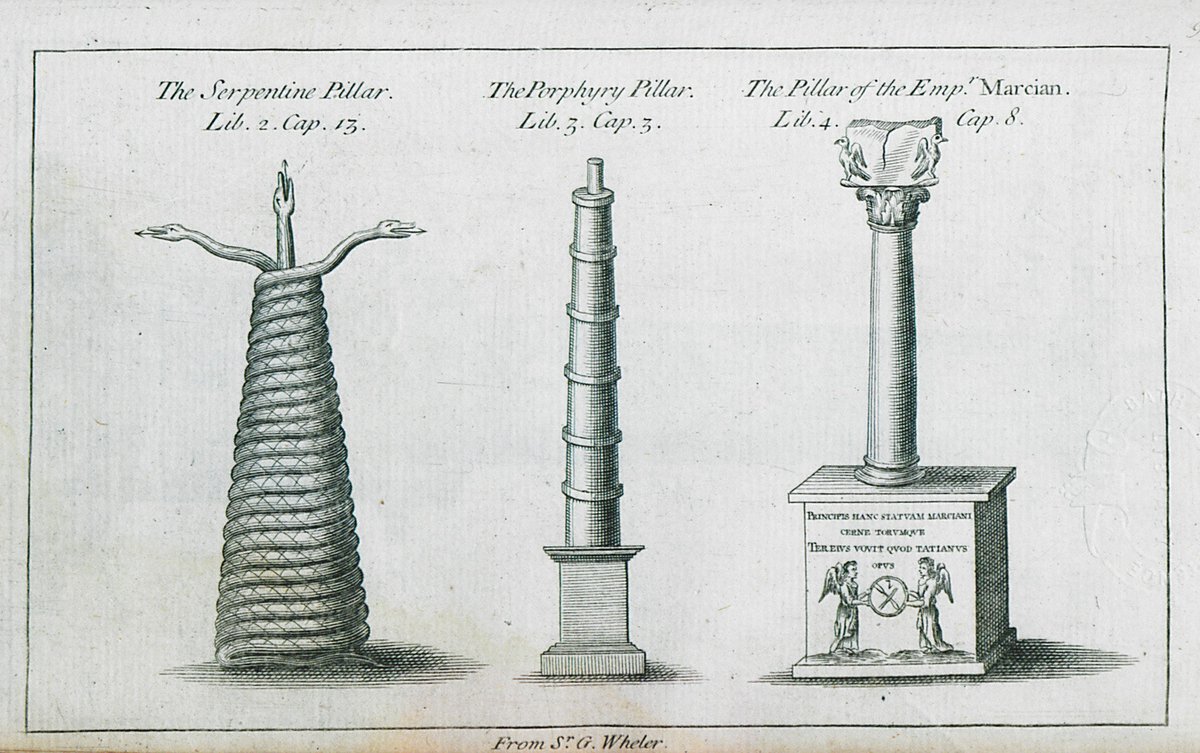
Kıztaşı dates back to the reign of Emperor Marcian (450-457 AD) during the Byzantine era. The column, made of red-grey Egyptian granite and standing approximately 10 meters high, was erected to honor Marcian. Topped with a Corinthian capital adorned with intricate carvings, the column exemplifies classical architecture. A Latin inscription at its base dedicates the monument to Marcian, providing valuable historical context (Istanbul Clues).
Byzantine Significance
During the Byzantine period, Kıztaşı served as a significant landmark, positioned near the Forum of Arcadius. It was part of a larger urban landscape that included the Column of Arcadius and various public buildings. The column not only commemorated Emperor Marcian but also symbolized the empire's strength and stability (Byzantine Legacy).
Ottoman Era and Transformation
With the Ottoman conquest of Constantinople in 1453, Kıztaşı was integrated into the Ottoman city. Its function evolved from an imperial commemoration to a historical relic connecting the Byzantine past with the Ottoman present. The column also became associated with local legends, earning the name "Kıztaşı" or "Maiden's Stone" (Istanbul Guide).
Visitor Information
Visiting Hours and Tickets
Kıztaşı is accessible to the public daily from 9:00 AM to 6:00 PM. Admission is free, making it an ideal stop for budget-conscious travelers exploring Istanbul's historical sites.
Travel Tips
- Getting There The column is located in the Fatih district, easily reachable by public transportation. The nearest tram stop is Laleli-Üniversite.
- Best Time to Visit Early mornings or late afternoons are recommended to avoid the crowds and enjoy a peaceful visit.
- Nearby Attractions Include the Column of Arcadius, the Süleymaniye Mosque, and the Grand Bazaar, all within walking distance.
- Accessibility The site is accessible to visitors with mobility issues, though the surrounding area may have uneven surfaces.
Guided Tours and Special Events
Guided tours are available and provide deeper insights into Kıztaşı's history and significance. Occasionally, the site hosts cultural events and exhibitions, adding an extra layer of engagement for visitors.
Modern-Day Preservation
Efforts to preserve Kıztaşı include restoration projects to maintain its structural integrity and clean the stone. The column is situated in a small park, providing a tranquil setting for visitors to appreciate its historical significance (Turkish Cultural Foundation).
Archaeological Insights
Studies of Kıztaşı have revealed the high level of craftsmanship and engineering skills of the Byzantines. Researchers have analyzed the granite and inscriptions to understand the construction techniques and the political context of Marcian's reign (Archaeological Institute of America).
Cultural Impact and Legacy
Kıztaşı's enduring presence in Istanbul is a testament to its cultural and historical significance. It offers visitors a unique opportunity to connect with the city's ancient heritage, reflecting the enduring spirit of Istanbul.
FAQ
Q: What are the visiting hours for Kıztaşı? A: Kıztaşı is open daily from 9:00 AM to 6:00 PM.
Q: Is there an admission fee to visit Kıztaşı? A: No, admission is free.
Q: How can I get to Kıztaşı? A: The column is located in the Fatih district, near the Laleli-Üniversite tram stop.
Q: Are guided tours available? A: Yes, guided tours are available and provide deeper insights into the history and significance of Kıztaşı.
Q: What nearby attractions can I visit? A: Nearby attractions include the Column of Arcadius, the Süleymaniye Mosque, and the Grand Bazaar.