Origins and Evolution of the US Mission to NATO
The United States Mission to NATO was established concurrently with NATO’s founding in 1949, reflecting America’s pivotal role in shaping the alliance’s collective defense strategy (History of NATO; Britannica: NATO). Initially located in London and later Paris, NATO Headquarters and the US Mission ultimately relocated to Brussels in 1967 following France’s withdrawal from NATO’s military command.
Brussels remains a vital hub for transatlantic diplomacy, with the US Mission to NATO positioned among other major international institutions, such as the European Union (State Magazine: Brussels).
Location and Structure of NATO Headquarters
Address:
NATO Headquarters
Boulevard Leopold III, B-1110 Brussels, Belgium
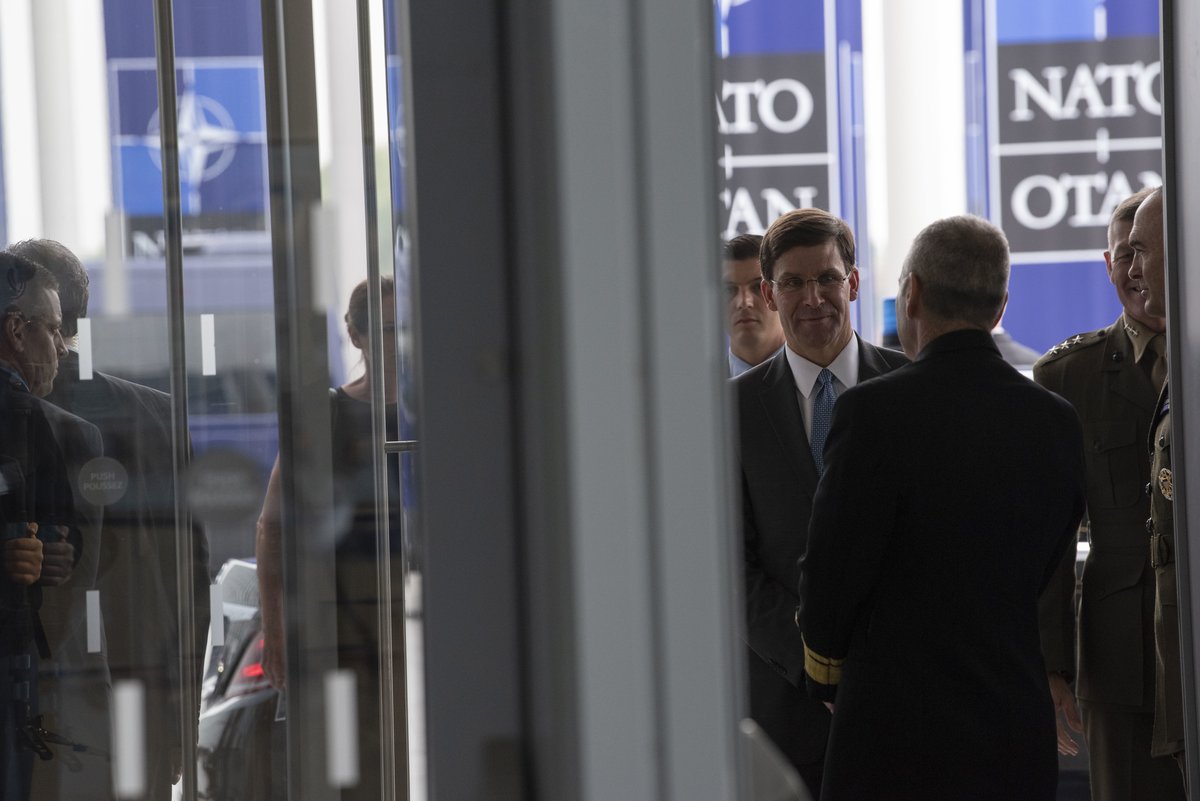
NATO Headquarters, inaugurated in 2017 in the district of Evere, houses delegations from all member states and serves as the operational center for alliance activities. The US Mission, led by the US Permanent Representative (Ambassador), includes diplomats from the Department of State, Department of Defense, and other agencies (US Mission to NATO).
Accessing the United States Mission to NATO
Visitor Information
- Public Access The US Mission to NATO is a secure diplomatic facility and does not offer public tours.
- NATO Headquarters Tours Guided visits are available for educational groups or by special arrangement, requiring advance booking via the official NATO website (NATO Visits).
- Events Occasional public diplomacy and cultural events may be announced on the US Mission’s official channels.
Security Protocols
- Accreditation All visitors must be pre-registered and cleared for security. Walk-in visits are not permitted.
- Identification A valid government-issued photo ID (passport preferred) is required. Additional documents may be needed for non-EU citizens.
- Screening Security checks include baggage inspection and verification against visitor lists.
- Conduct Professional attire and conduct are expected; photography is generally prohibited unless explicitly authorized.
Transportation and Accessibility
Getting There
- Public Transport Accessible via Brussels’ public transit including STIB/MIVB bus lines 12, 21, and 65, which stop at the NATO entrance. The nearest major train station is Brussels Airport-Zaventem; metro connections require bus transfers (STIB/MIVB route map).
- By Car Reachable via the Brussels Ring (R0) and A201 motorway; visitor parking is limited and must be arranged in advance.
- Accessibility The complex is fully accessible for visitors with reduced mobility, with elevators, ramps, and accessible restrooms.
Nearby Attractions and Cultural Sites
Brussels, as an international capital, boasts a range of historical and cultural landmarks near NATO Headquarters:
- Cinquantenaire Park Expansive park with museums and city views (Visit Brussels).
- Grand Place UNESCO World Heritage site renowned for its architecture and atmosphere (Introducing Brussels).
- Royal Museums of Fine Arts Home to artistic masterpieces from Belgium and Europe.
- Atomium Iconic structure from Expo 58, offering panoramic views, exhibitions, and cultural events (Atomium website).
- Mini-Europe Miniature park featuring European landmarks.
- Belgian Comic Strip Center Dedicated to Belgium’s comic art heritage.
Practical Travel Tips
- Plan Ahead Arrange visits early due to strict security protocols.
- Documentation Always carry your passport or official ID.
- Arrival Arrive well before appointment times to allow for security screening.
- Transport Use Brussels’ efficient public transport for convenient access.
- Language English is widely spoken; basic French or Dutch is helpful.
- Weather Brussels weather can be unpredictable; pack accordingly.
- Accommodation Brussels offers a range of hotels, including options near diplomatic venues (BBNJ Brussels).
Frequently Asked Questions (FAQ)
Q: Can I visit the US Mission to NATO?
A: No, the Mission is not open for public tours. Visits are limited to official delegations and accredited guests.
Q: How do I arrange a NATO Headquarters tour?
A: Submit a request via the official NATO website well in advance (NATO Visits).
Q: What attractions are near the US Mission?
A: Cinquantenaire Park, Grand Place, Atomium, Royal Museums of Fine Arts, and Mini-Europe are all accessible.
Q: Is the area accessible for disabled visitors?
A: Yes, NATO Headquarters and most Brussels attractions are wheelchair accessible.
Q: Are there special events at the US Mission?
A: Occasional events are announced on the official website and social media (US Mission to NATO).
Summary and Final Tips
The United States Mission to NATO in Brussels is a symbol of transatlantic cooperation and international diplomacy (History of NATO). While direct public access is restricted, visitors can explore NATO’s history and mission through guided tours at Headquarters and immerse themselves in Brussels’ rich tapestry of culture, history, and global engagement (NATO Visits; Visit Brussels). Early preparation, official resources, and the use of travel and event apps like Audiala can enhance your experience.
Embrace the unique window into diplomacy that Brussels provides, and make the most of your visit by exploring its world-class museums, monuments, and culinary delights.