
About François-Auguste Gevaert
François-Auguste Gevaert was a towering figure in 19th-century Belgian music, born near Oudenaarde in 1828. After winning the Grand Prix de Rome for composition, he became internationally recognized and later served as director of the Royal Conservatory of Brussels from 1871 to 1908 (Encyclopedia.com). Gevaert’s reforms modernized music education, expanded the conservatory’s curriculum, and promoted historical music performance. His leadership, vision, and scholarship left an indelible mark on the city and Belgian music as a whole (SVM.be).
The François-Auguste Gevaert Monument
Location, Description, and Accessibility
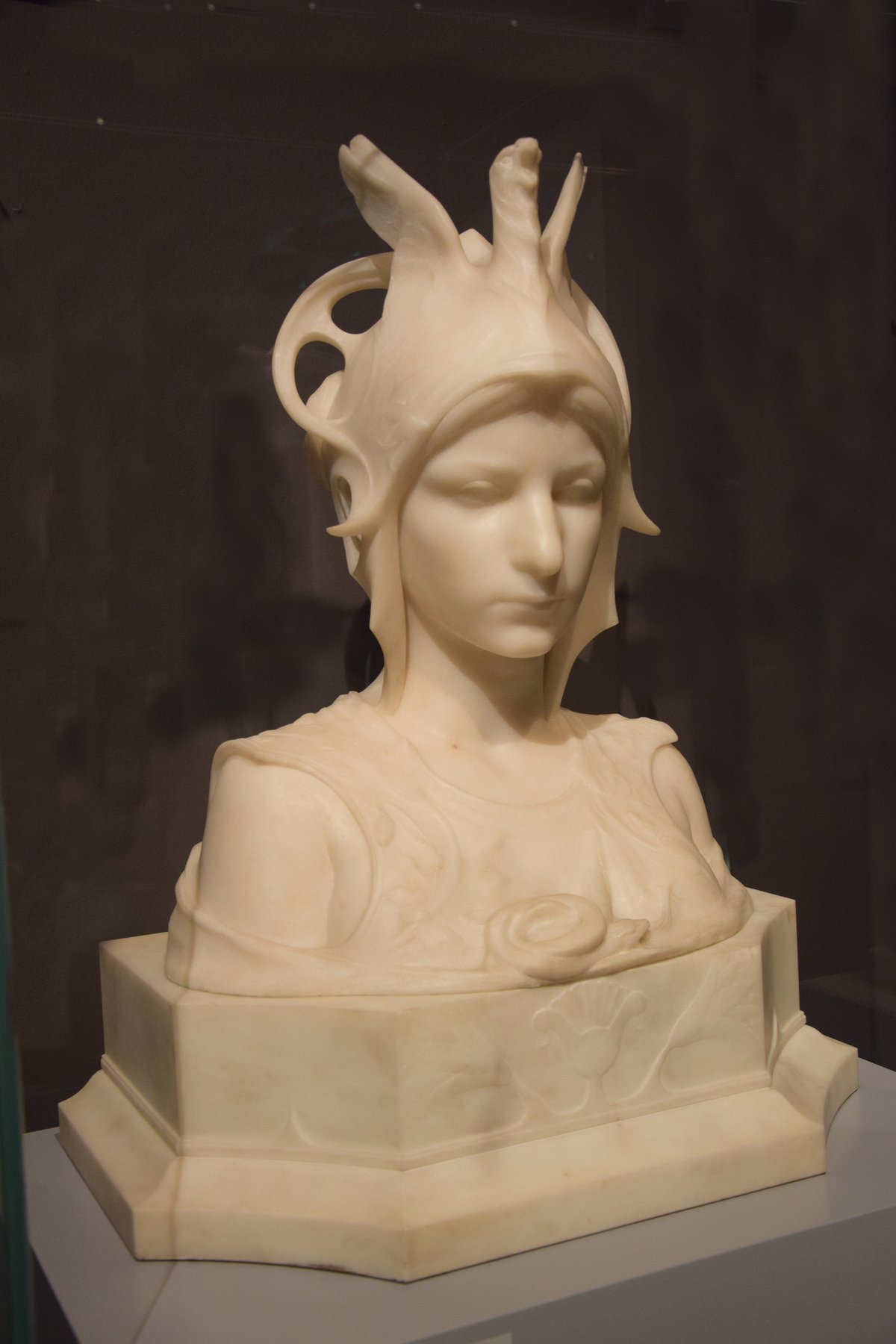
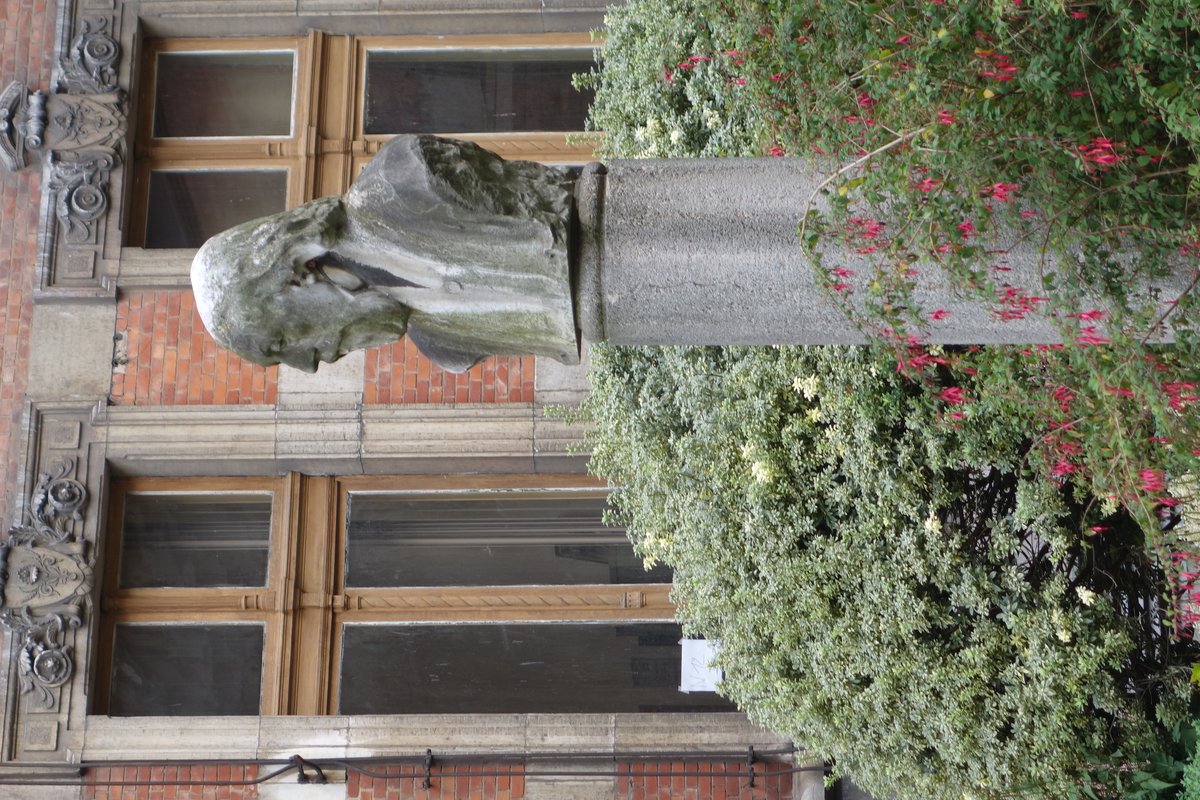
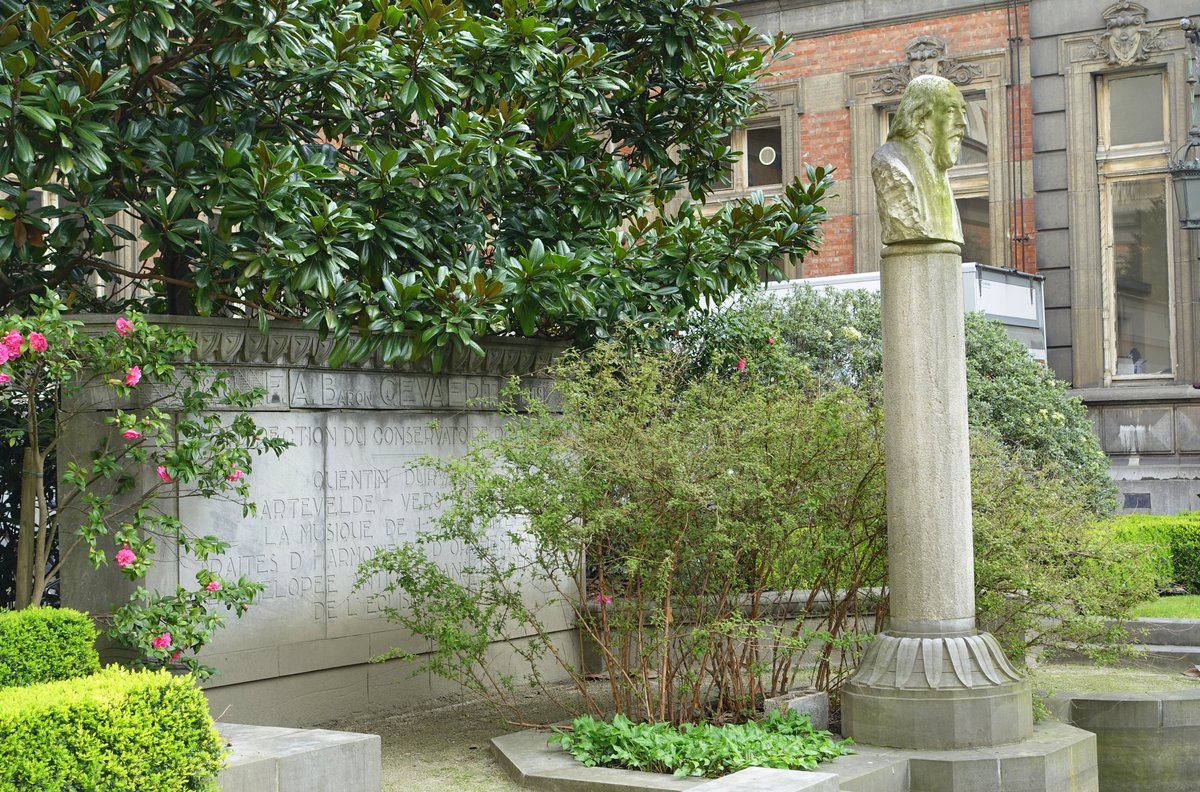
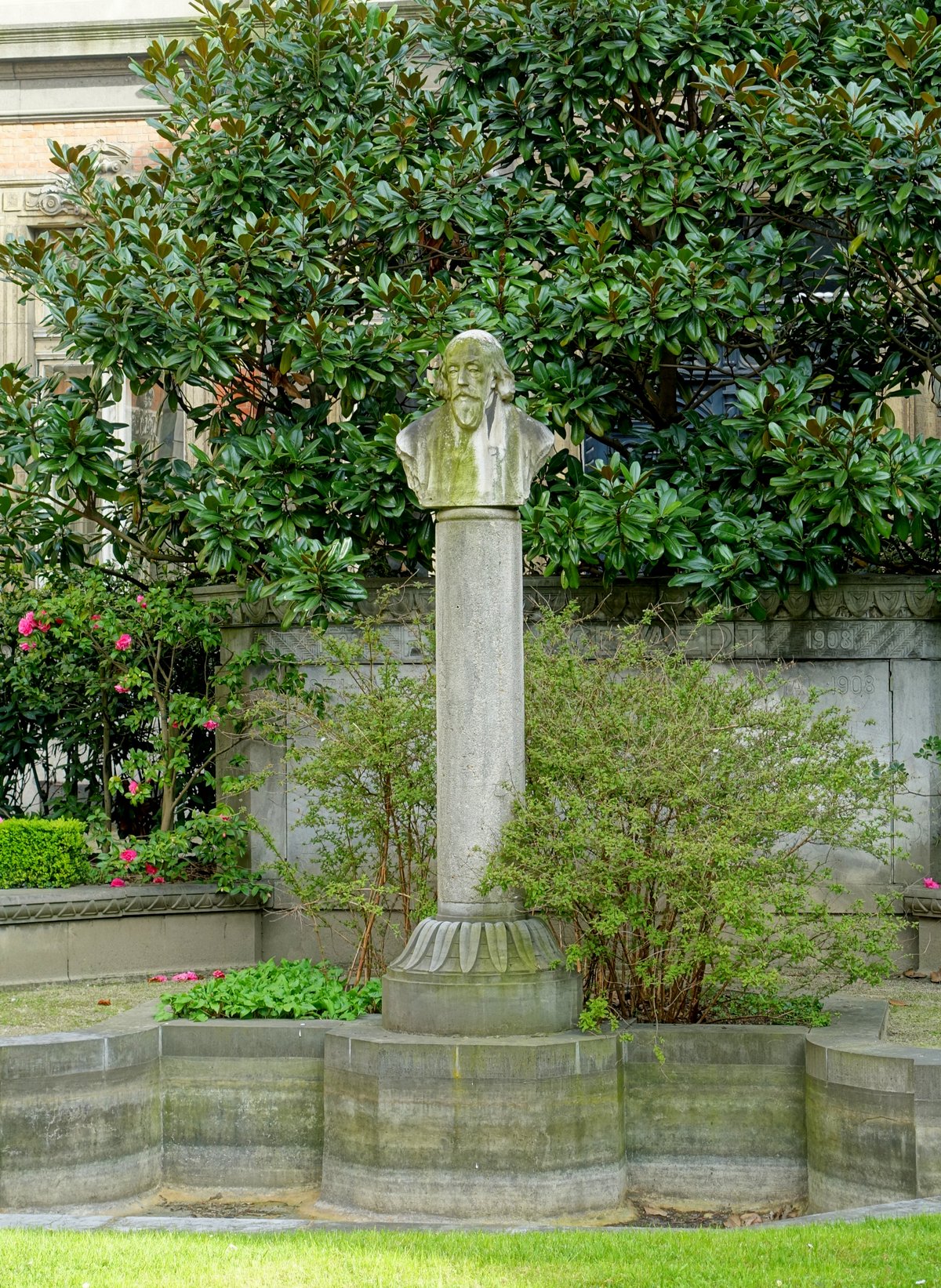
The François-Auguste Gevaert Monument is located in Brussels' Royal Quarter, near the Royal Conservatory of Brussels (Mapcarta). The monument features a sculpted bust or plaque with musical motifs, honoring Gevaert’s artistic legacy. Its placement near the conservatory underscores his transformative role in Belgian music education.
- Accessibility The monument is outdoors, accessible 24/7, and free of charge. The flat terrain and paved walkways make it easily accessible for visitors with mobility challenges.
- Getting there Reachable via tram, bus, and metro (nearest stations: Louise/Louiza and Porte de Namur/Naamsepoort).
Nearby Attractions
Combine your visit with:
- The Royal Conservatory of Brussels (concerts/events)
- Royal Museums of Fine Arts of Belgium
- Great Synagogue of Europe
- The Botanical Garden of Brussels
- Local cafés, galleries, and cultural venues
Gevaert’s Gravesites: Cemetery of Brussels (Evere) & Laeken Cemetery
Cemetery of Brussels (Evere)
- Address Avenue du Silence 1, 1140 Evere, Brussels
- Hours Typically open daily, 8:00 AM–6:00 PM (seasonal variations possible)
- Admission Free
- Access Paved paths and public transport connections
Laeken Cemetery
- Location Renowned for its funerary art and notable burials, including Gevaert’s tomb
- Hours Usually 8:00 AM–6:00 PM
- Admission Free
- Access Metro Line 6 (Bockstael station) and several bus lines
Visitor Tips:
- Respect the solemn atmosphere.
- Photography is allowed but should be discreet.
- Guided tours are sometimes available through Brussels heritage organizations.
Rue François-Auguste Gevaert
Named in his honor, Rue François-Auguste Gevaert is located near the conservatory and weaves through Brussels’ historic district. The street offers:
- Charming architecture
- Local shops and eateries
- Unique photo opportunities for those blending music history with urban exploration
The Royal Conservatory of Brussels
Legacy and Significance
As director for nearly four decades, Gevaert modernized the conservatory, established historical concerts, and enriched Belgian music education (Conservatoire Royal de Bruxelles). His vision is memorialized through portraits, busts, and commemorative plaques displayed within the conservatory.
Visiting Information and Events
- Address Rue de la Régence 30, 1000 Brussels
- Opening Hours Vary; public access typically during daytime or during events
- Tickets Required for concerts and exhibitions—purchase via the official website
- Guided Tours Occasionally offered; check schedules online
- Accessibility The building is accessible, but contact the venue for specific requirements
Musical Instruments Museum (MIM)
History and Significance
Founded under Gevaert’s leadership, the MIM at Rue Montagne de la Cour 2 houses over 8,000 musical instruments and is one of Brussels’ premier cultural attractions (WikiArquitectura). The museum reflects Gevaert’s vision of music education and public engagement.
Visiting Information
- Hours Tuesday–Sunday, 10:00 AM–5:00 PM (closed Mondays and public holidays)
- Tickets Adults €10; Seniors/Students/Groups €7; Children under 12 free (MIM Official Site)
- Accessibility Wheelchair accessible with adapted facilities
- Guided Tours Available in multiple languages; regular concerts and workshops held
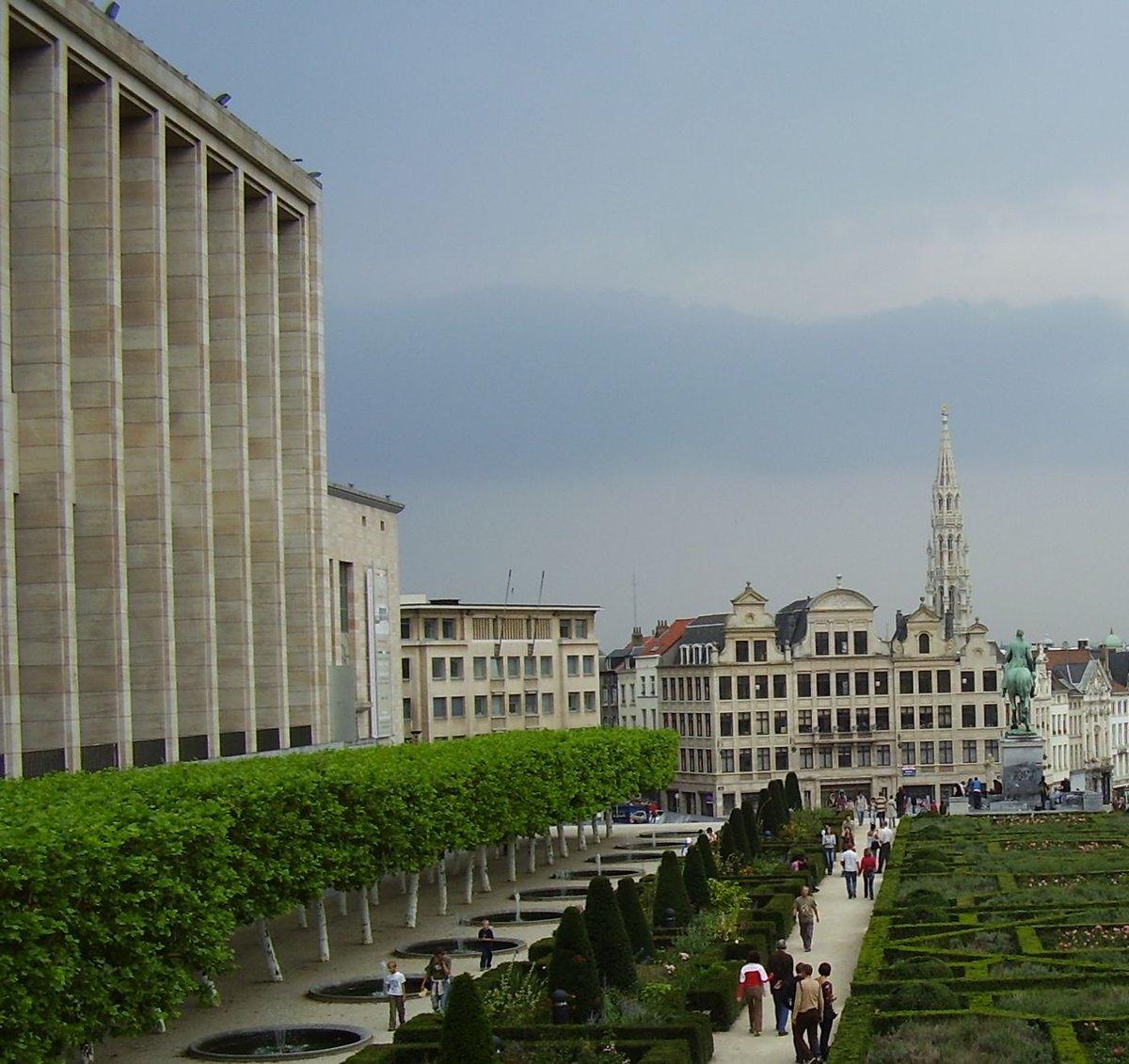
- Travel Tips Book tickets online, explore nearby Mont des Arts attractions, and follow museum guidelines for photography.
Travel Tips
- Transportation All sites are well served by Brussels’ metro, tram, and bus networks.
- Best Time to Visit Spring and early autumn for pleasant weather.
- Site Etiquette Respect the solemnity of cemetery sites; be mindful during events or ceremonies.
- Accessibility Most locations are wheelchair accessible; contact venues for details.
Frequently Asked Questions (FAQs)
Q: Do I need tickets to visit the François-Auguste Gevaert Monument?
A: No, it is outdoors and free to visit.
Q: Are Gevaert’s graves accessible to the public?
A: Yes, both the Cemetery of Brussels (Evere) and Laeken Cemetery are open daily and free of charge.
Q: Are guided tours available?
A: Yes, at cemeteries, the conservatory, and the MIM, though schedules vary. Check official sites before visiting.
Q: Is photography allowed?
A: Yes, but be respectful at the cemeteries and during concerts or ceremonies.
Q: Are the sites accessible for visitors with disabilities?
A: Generally, yes; most sites have paved paths and accessible facilities.