Medieval Origins and the Rise of the Grand Place
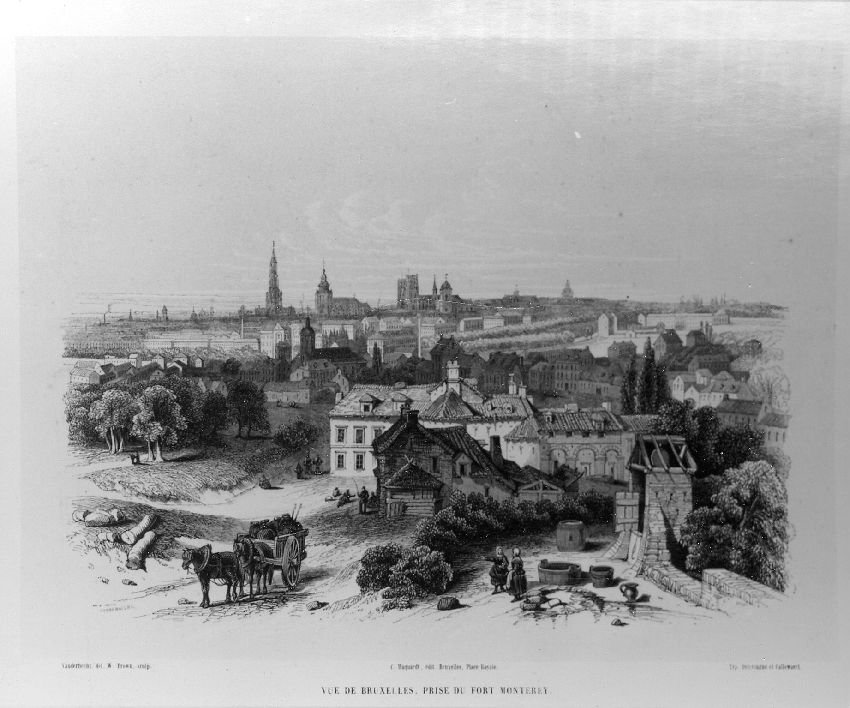
Brussels began as a modest riverside settlement and flourished into a thriving market town by the 12th century, attracting merchants and artisans from across Europe. The Grand Place emerged as the city’s bustling economic and civic center, surrounded by ornate guildhalls and the gothic Town Hall. This square has long been a focal point for trade, governance, and social life (World City History; afternoonteareads.com).
Habsburg Rule and Spanish Influence
In the 15th century, Brussels came under Habsburg control. The city flourished during the Renaissance and Spanish rule, with guildhalls like the King of Spain reflecting the wealth and influence of trade guilds. The bust of Charles II of Spain on the façade underscores Brussels’ strategic importance under the Spanish crown (roydespagne.be; introducingbrussels.com).
Tumultuous Centuries and National Identity
The 16th and 17th centuries brought upheaval, including the Eighty Years’ War and the 1695 French bombardment, which destroyed much of the square. The King of Spain and other guildhalls were rebuilt in the Baroque style, symbolizing the city’s resilience. The Grand Place later became a symbol of Belgian national identity, especially after the 1830 revolution (World City History).
Architectural and Cultural Significance
The King of Spain guildhall stands out for its ornate Baroque façade, gilded details, and symbolic sculptures. Originally the headquarters of the Bakers’ Guild, its design features a bust of Charles II of Spain and a statue of Saint Aubert, the patron saint of bakers. The building’s architecture reflects Brussels’ prosperity and the pride of its guilds (roydespagne.be; afternoonteareads.com).
Inside, the brasserie maintains traditional Belgian estaminet décor, with wood-paneled walls, period artwork, and stained-glass windows. Today, it serves as a vibrant hub for locals and visitors, offering classic Belgian dishes and an extensive selection of beers (roydespagne.be).
UNESCO Recognition and Preservation
The Grand Place and its guildhalls, including the King of Spain, were designated a UNESCO World Heritage Site in 1998, recognized for their outstanding architectural and historical value. Restoration efforts have ensured the preservation of their Gothic, Baroque, and Louis XIV styles, and the square remains a living testament to Brussels’ enduring heritage (World City History; ilotsacre.be).
Visitor Information: Hours, Tickets & Accessibility
- Location Grand Place 1, 1000 Brussels, Belgium
- Visiting Hours Generally open daily from 9:00 AM to midnight. Check the official website for seasonal variations.
- Tickets No entry fee is required for the brasserie. Tickets are only needed for the Brussels City Museum in the King’s House (across the square).
- Reservations Recommended during peak tourist seasons and major events, especially for terrace seating.
- Accessibility The Grand Place is wheelchair accessible, but cobblestones can be uneven. The brasserie has ramps and adapted restrooms; staff are available to assist.
- Getting There A short walk from Brussels Central Station and easily accessible by metro, tram, and bus.
- Dress Code Smart-casual is preferred, but the atmosphere is relaxed and welcoming.
Events and Cultural Activities
The King of Spain is at the heart of Brussels’ festive calendar, offering prime views of major events on the Grand Place:
- Ommegang Festival A historic pageant held each July, reenacting Charles V’s 1549 visit (visit.brussels; bruxellessecrete.com).
- Flower Carpet Biennial event in August, when the square is covered with intricate floral designs (thetouristchecklist.com).
- Christmas Market and Winter Wonders Seasonal festivities transform the square with lights and markets each December.
The brasserie’s terrace is highly sought after during these events, so advance booking is advised.
Practical Tips for Visitors
- Best Times to Visit Early mornings and evenings are quieter and perfect for photography. The Grand Place is beautifully illuminated at night.
- Menu Highlights Try Belgian classics such as carbonnade flamande, moules-frites, and waffles. The brasserie offers over 45 Belgian beers, including its own house lager.
- Payment Accepts major credit cards and cash. Free Wi-Fi available.
- Children and Groups Family-friendly; advance booking recommended for larger parties.
- Safety The area is safe but remain vigilant for pickpockets during crowded events.
- Language Staff speak French, Dutch, and English; multilingual menus are available.
Frequently Asked Questions (FAQ)
Q: What are the King of Spain’s visiting hours?
A: Usually open daily from 9:00 AM to midnight, but hours may vary during holidays and events.
Q: Is there an entry fee or do I need tickets?
A: No tickets are required for the brasserie; only food and drinks are charged.
Q: Is it accessible for wheelchairs?
A: Yes, with ramp access and adapted restrooms; some cobblestones outside may be uneven.
Q: Are reservations necessary?
A: Recommended during busy periods, major events, and for terrace seating.
Q: Are guided tours available?
A: The brasserie itself does not offer tours, but many walking tours of the Grand Place include the King of Spain (solosophie.com).
Nearby Attractions
- Brussels Town Hall
- Maison du Roi (Brussels City Museum)
- Galeries Royales Saint-Hubert
- Manneken Pis
- Mont des Arts
Combine your visit to the King of Spain with a tour of these landmarks for a comprehensive Brussels experience (thetouristchecklist.com).
For a virtual tour, see Grand Place Virtual Tour.