
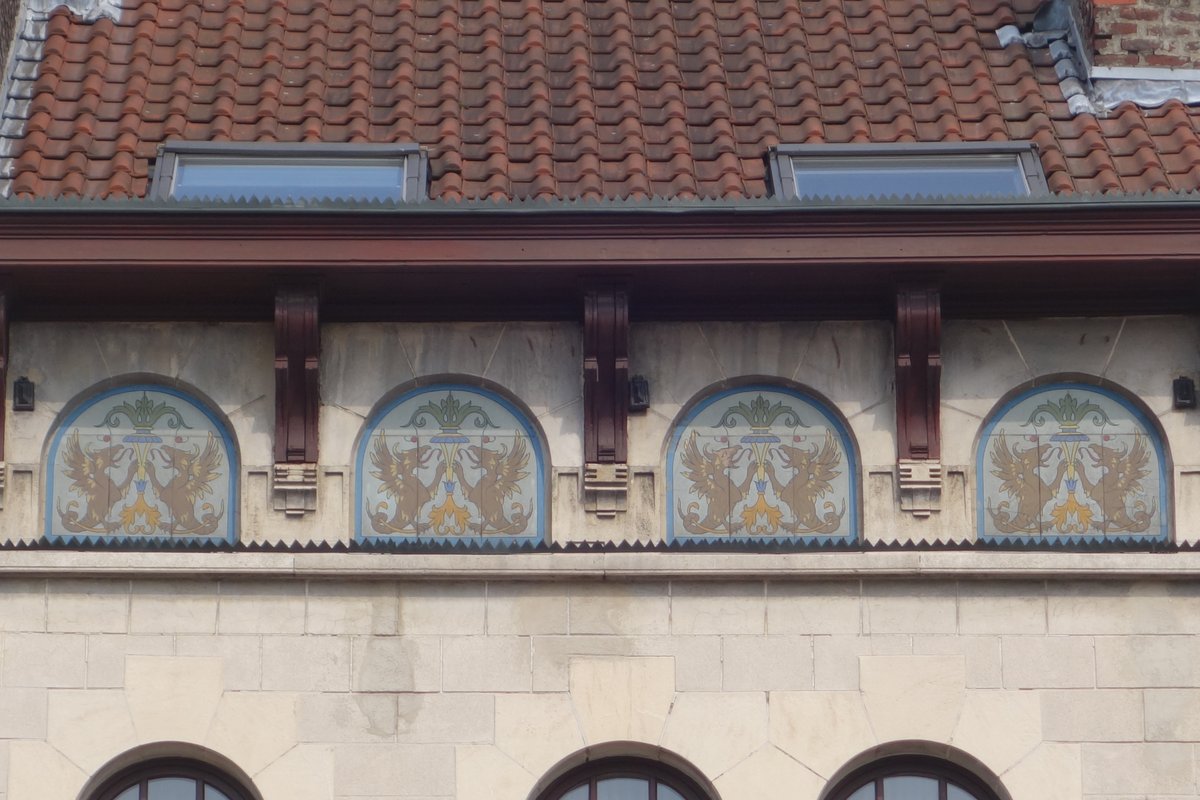
History of Place de la Résistance
Origins and Early History
Place de la Résistance was part of the larger urban development plans initiated by King Leopold I, who reigned from 1831 to 1865. The square was designed to be a central hub in the rapidly expanding city, reflecting the architectural and cultural aspirations of the time.
Role During World War II
The significance of Place de la Résistance was profoundly marked during World War II. Brussels was occupied by Nazi Germany from May 1940 until September 1944. During this period, the square became a focal point for the Belgian resistance movement. One notable event was the sabotage of German supply lines, which was orchestrated from a safe house near the square. This act significantly disrupted German military operations and showcased the bravery and strategic acumen of the Belgian resistance fighters. The square's name, Place de la Résistance, was officially adopted after the war to honor these courageous efforts.
Post-War Reconstruction and Memorials
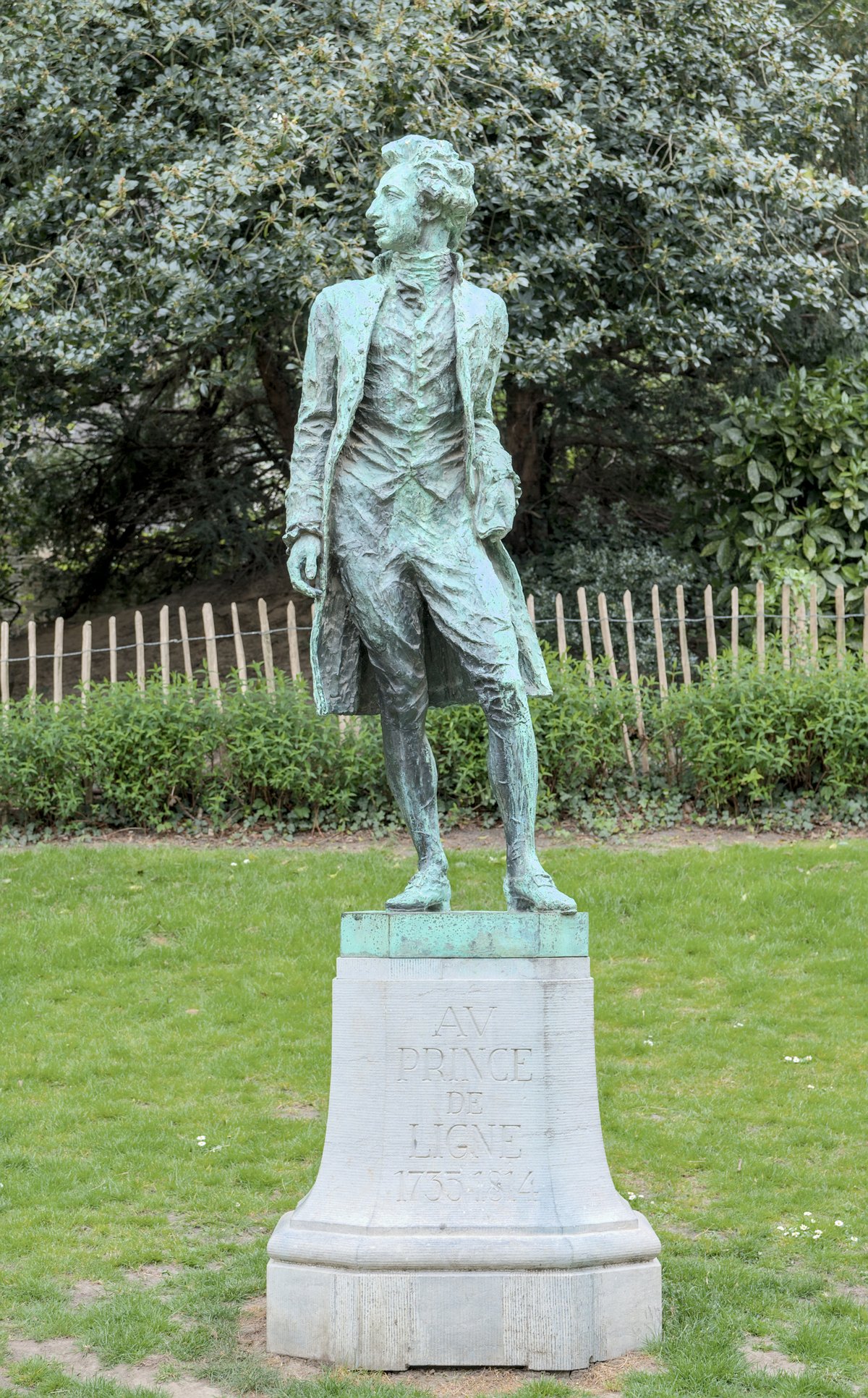
After the liberation of Brussels in September 1944, Place de la Résistance underwent significant reconstruction. The post-war period saw the erection of several memorials dedicated to the resistance fighters who lost their lives during the occupation. One of the most prominent is the Monument to the Belgian Resistance, unveiled in 1951, featuring a bronze statue by renowned sculptor Jacques Marin symbolizing the spirit of resistance and freedom.
Architectural Evolution
The architectural landscape of Place de la Résistance has evolved considerably over the decades. Initially characterized by neoclassical buildings, the square saw a blend of architectural styles as Brussels modernized. In the 1960s and 1970s, several modernist structures were added, reflecting the city's dynamic growth and changing aesthetic preferences.
Cultural Significance
Place de la Résistance is not just a historical site but also a cultural landmark. It hosts various events throughout the year, including commemorative ceremonies on May 8th, marking the end of World War II in Europe. These events attract visitors and locals alike, fostering a sense of community and historical awareness.
Visitor Information
Visiting Hours
The square is accessible year-round, but visiting during the commemorative events in May can provide a deeper understanding of its historical significance.
Tickets
Entry to the square and its memorials is free. However, guided tours may have associated costs. Check with local tour operators like Brussels Walking Tours for detailed pricing.
Guided Tours
Consider joining a guided tour to gain detailed insights into the history and significance of the square. Several local tour operators offer specialized historical tours.
Nearby Attractions
Place de la Résistance is located near other notable landmarks such as the Royal Palace of Brussels and the Magritte Museum, making it convenient to explore multiple sites in one visit.
Accessibility
The square is easily accessible by public transport, with several bus and tram stops nearby. For those driving, parking facilities are available within walking distance.
Best Time to Visit
While the square is accessible all year, the best time to visit is during the spring and summer months when the weather is pleasant, and commemorative events are in full swing.
What to Wear
Comfortable walking shoes are recommended as the area involves a lot of walking. Dress appropriately for the weather, especially if you plan to attend outdoor events.
Dining Options
There are several cafes and restaurants around the square offering a variety of Belgian and international cuisines. Le Café de la Résistance is a popular spot for both locals and tourists.
FAQ
What are the visiting hours for Place de la Résistance?
The square is accessible year-round, 24 hours a day.
Is Place de la Résistance accessible for people with disabilities?
Yes, the square is accessible for people with disabilities. There are ramps and accessible pathways throughout the area.
Are there any special events held at Place de la Résistance?
Yes, the square hosts various events throughout the year, including commemorative ceremonies on May 8th, marking the end of World War II in Europe.