
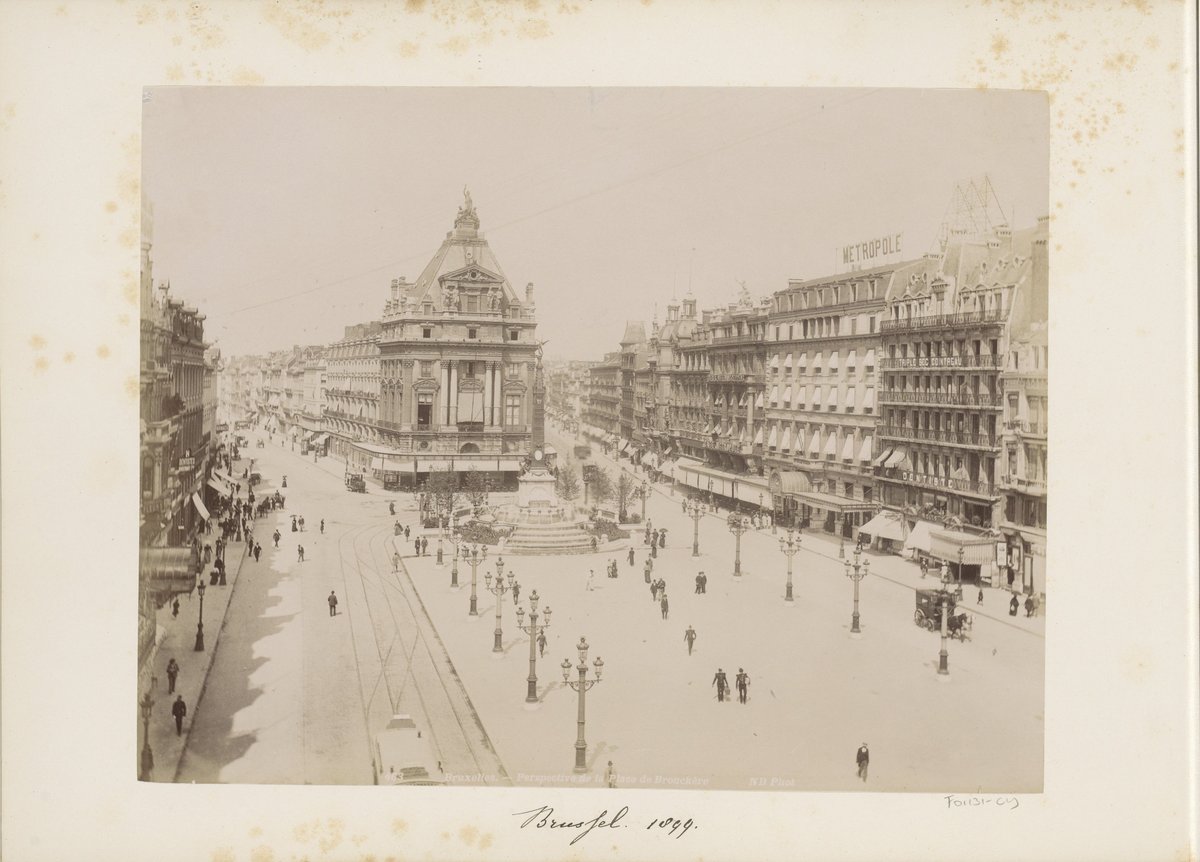
Origins and Urban Development
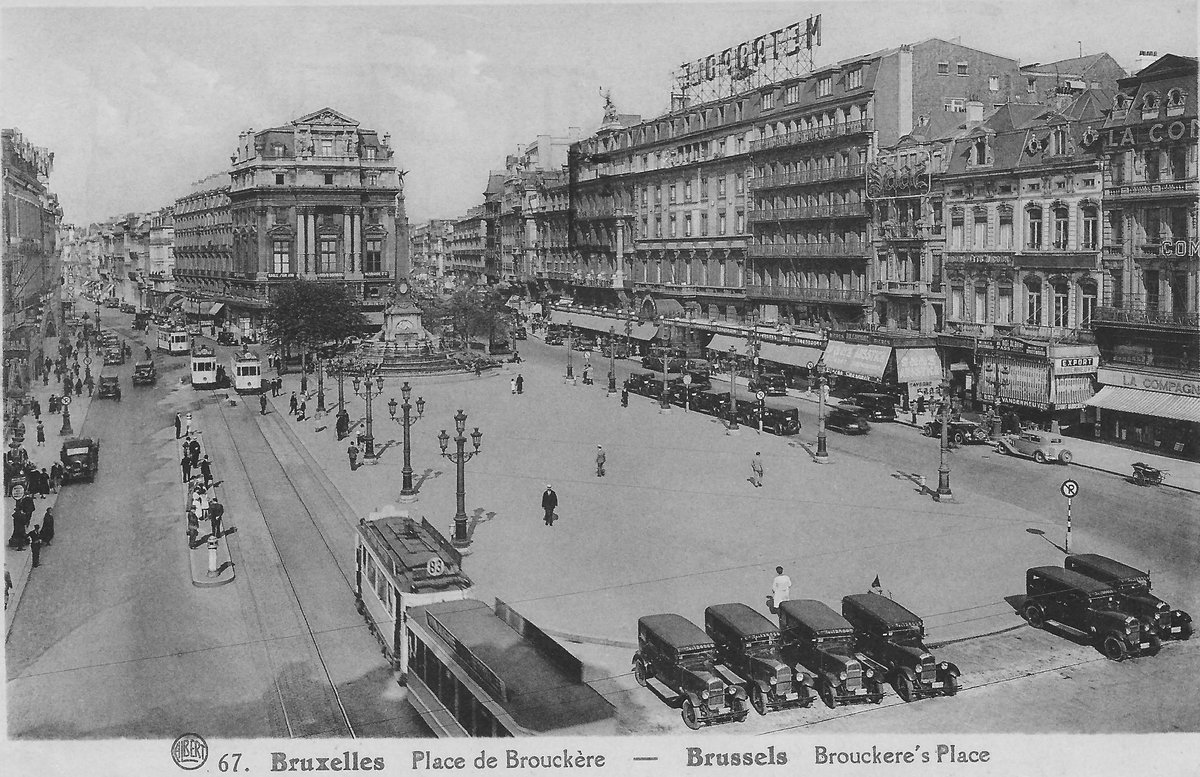
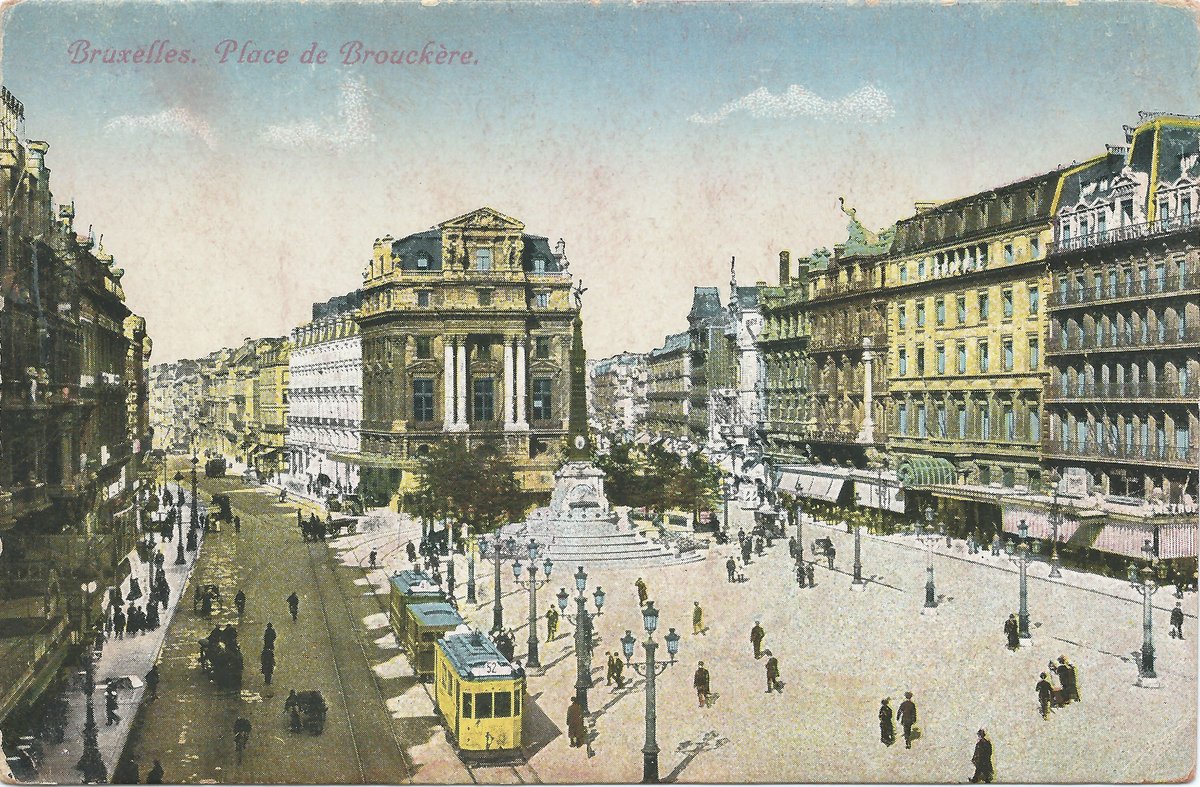
De Brouckère Square was established between 1867 and 1871 during a period of significant modernization in Brussels. The covering of the Senne River and the creation of Boulevard Anspach transformed the area from medieval quarters into grand public spaces, intended to connect the city’s north and south and stimulate commerce and civic life (Brussels Timeline).
Belle Époque and Early 20th Century
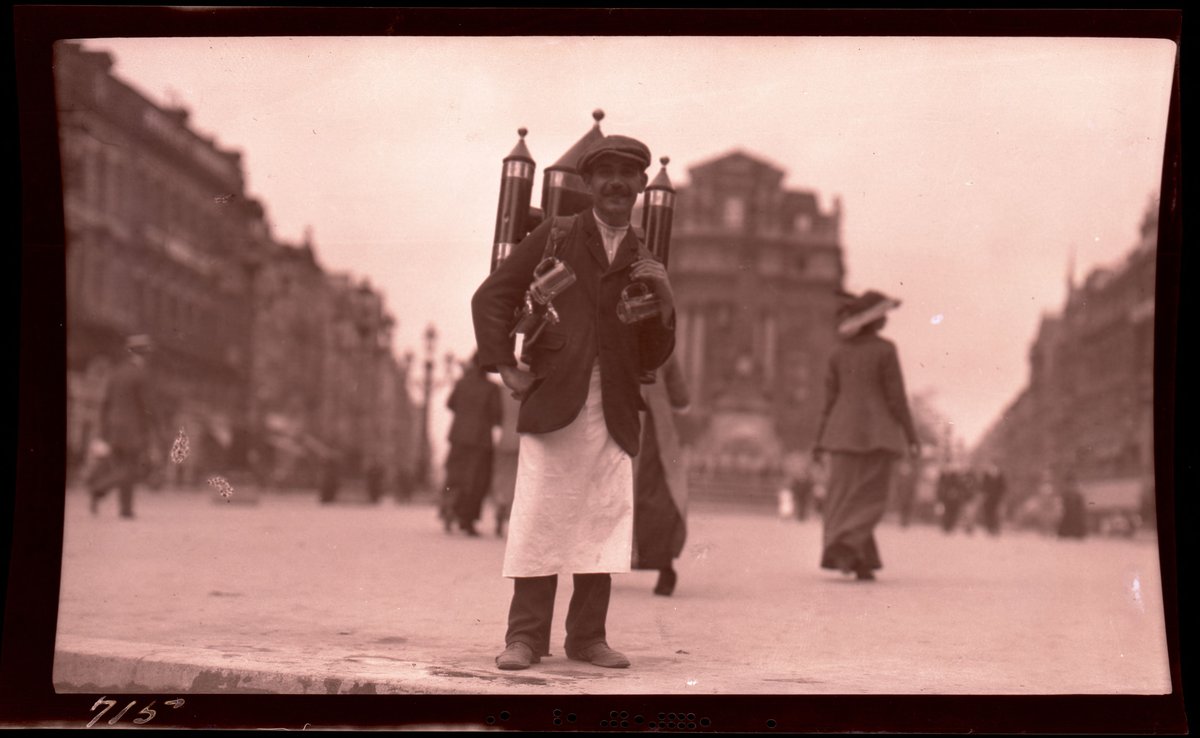
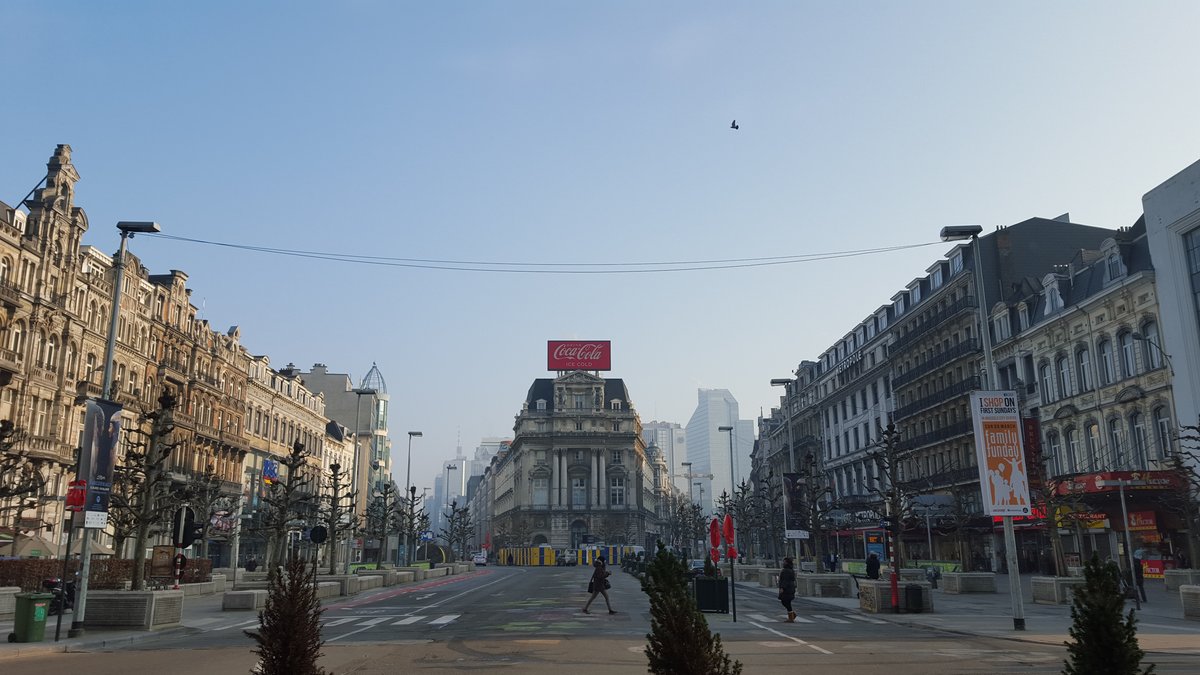
The square quickly became a symbol of cosmopolitan Brussels. Lined with belle époque hotels, theaters, and shops, it attracted both locals and visitors. Notably, the Hôtel Métropole (opened in 1895) and entertainment venues like the Eldorado cinema and Théâtre de la Monnaie gave the square its reputation as a center of elegance and cultural life (Monument Heritage Brussels).
Postwar Changes and Decline
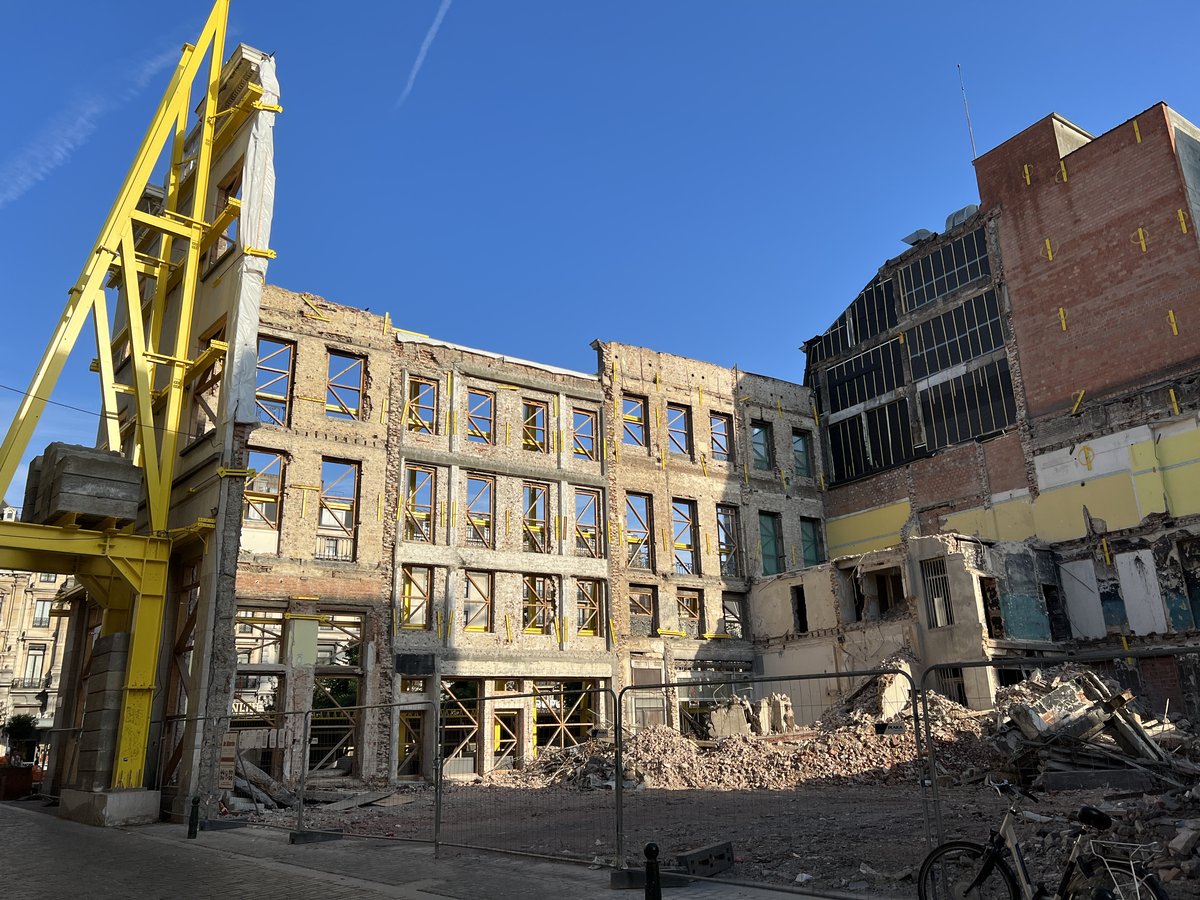
The mid-20th century brought challenges. The rise of automobile traffic and the phenomenon of "Brusselization" led to large-scale demolitions, increased congestion, and a decline in residential vibrancy. Many historic buildings were lost or altered, and the square’s role as a civic hub diminished (World Architecture).
Revitalization and Renewal
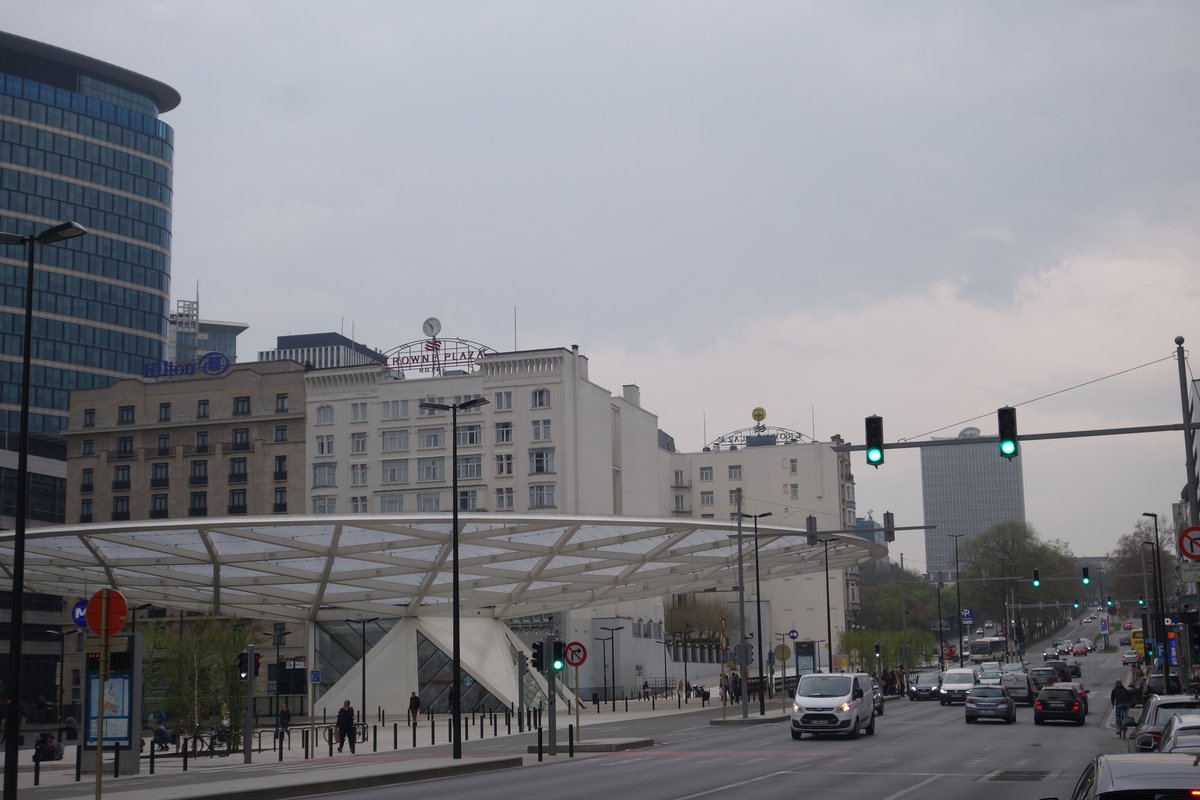
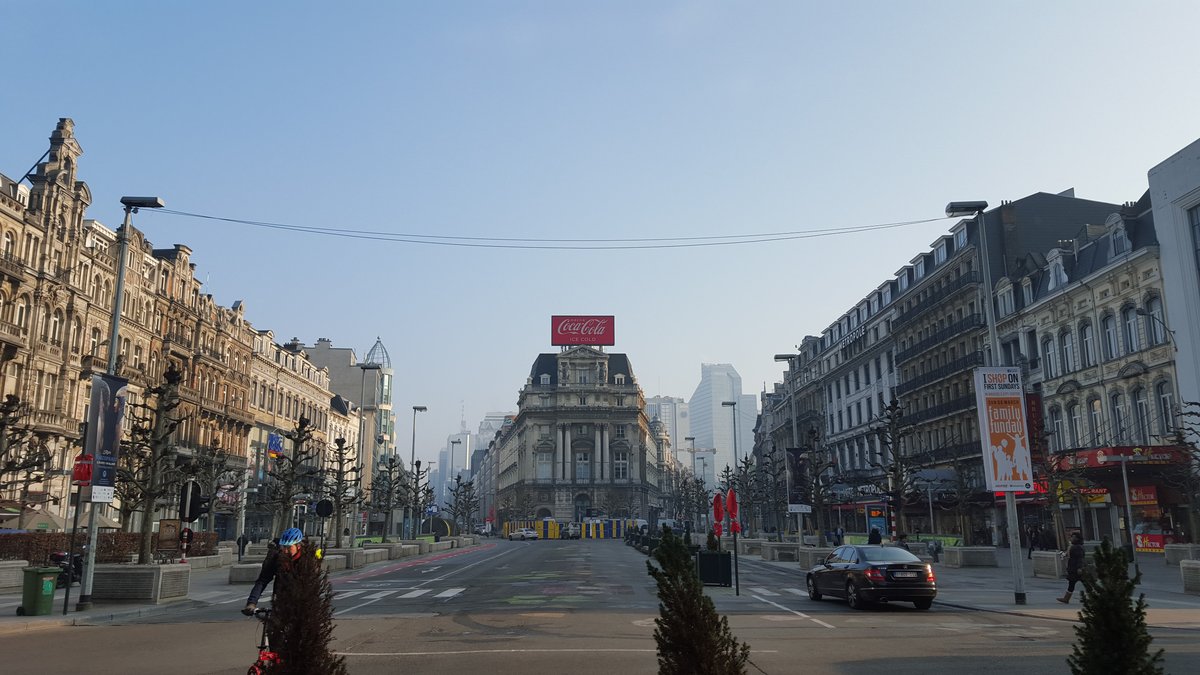
Since the 2000s, concerted efforts have focused on restoring De Brouckère’s historical identity and adapting it for contemporary needs. Restoration projects and the ambitious Brouck’R mixed-use development aim to bring new life to the area, blending preserved belle époque façades with residential, commercial, and green spaces (Immobel Brouck’R Project; Henning Larsen; CFE).
Architectural Significance
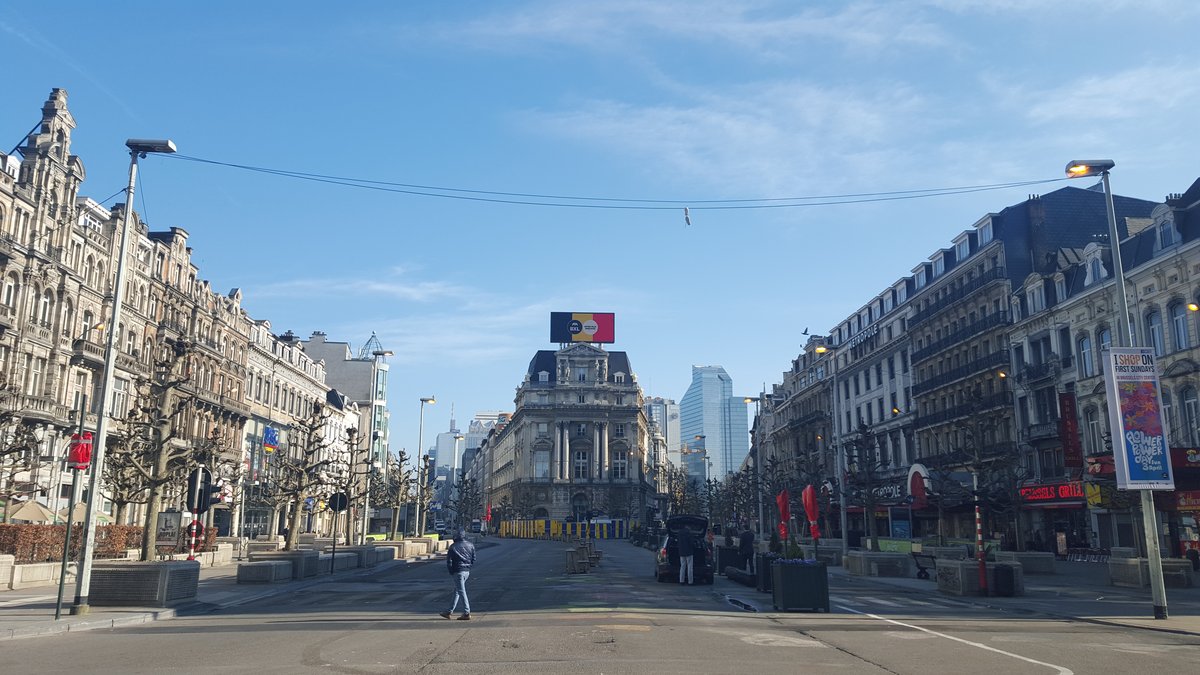
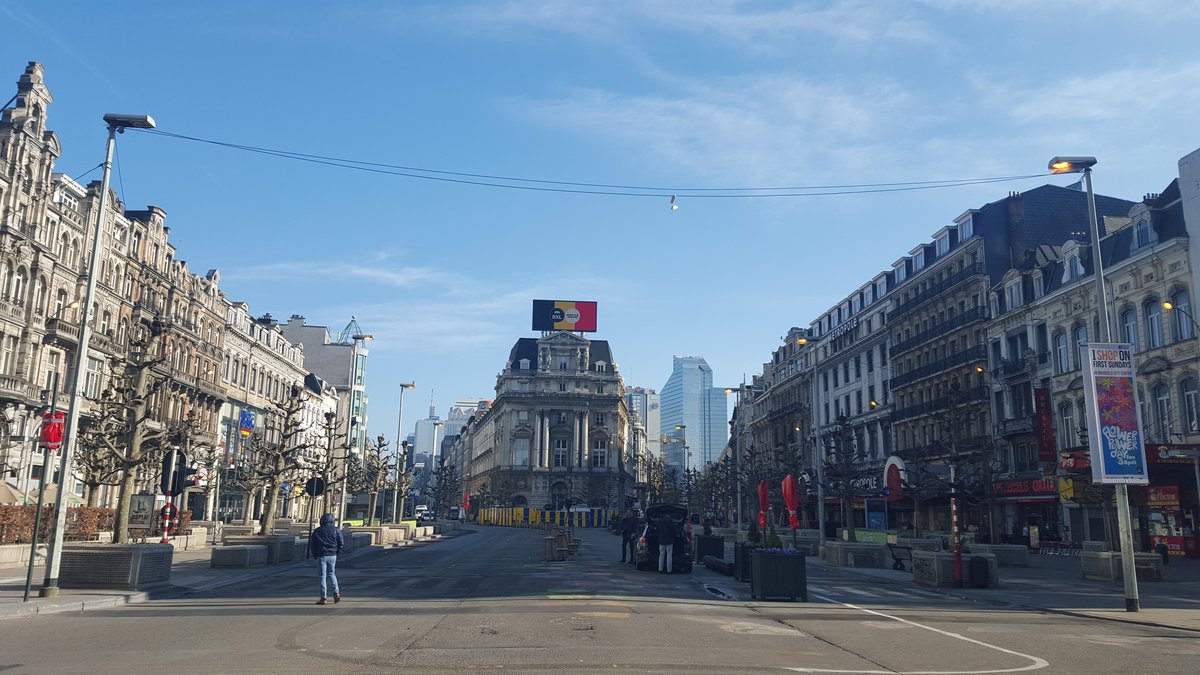
De Brouckère Square is distinguished by its eclectic architecture, reflecting neoclassical, art nouveau, and beaux-arts influences. The alignment along Boulevard Anspach provides impressive vistas, while adaptive reuse projects have carefully restored historical façades and repurposed interiors for modern use (Monument Heritage Brussels; Immobel Brouck’R Project).
Visitor Information
Visiting Hours & Tickets
- Access Open 24/7 as a public square.
- Tickets No entrance fee required.
- Nearby Attractions Some venues (e.g., Théâtre de la Monnaie, UGC De Brouckère Cinema) have their own ticketing and opening hours.
How to Get There
- Metro De Brouckère Metro Station (lines 1 & 5).
- Tram Lines 3, 4, and 32.
- Bus Multiple lines with stops at or near the square.
- Train Brussels Central Station is a 10-minute walk away.
- By Car Limited parking; nearby underground garages available.
Accessibility
- Mobility The square is step-free and pedestrian-friendly, with tactile paving at major crossings.
- Public Transport Metro/tram stations are fully accessible.
- Facilities Accessible restrooms available in the metro station and shopping centers.
Cultural and Social Life
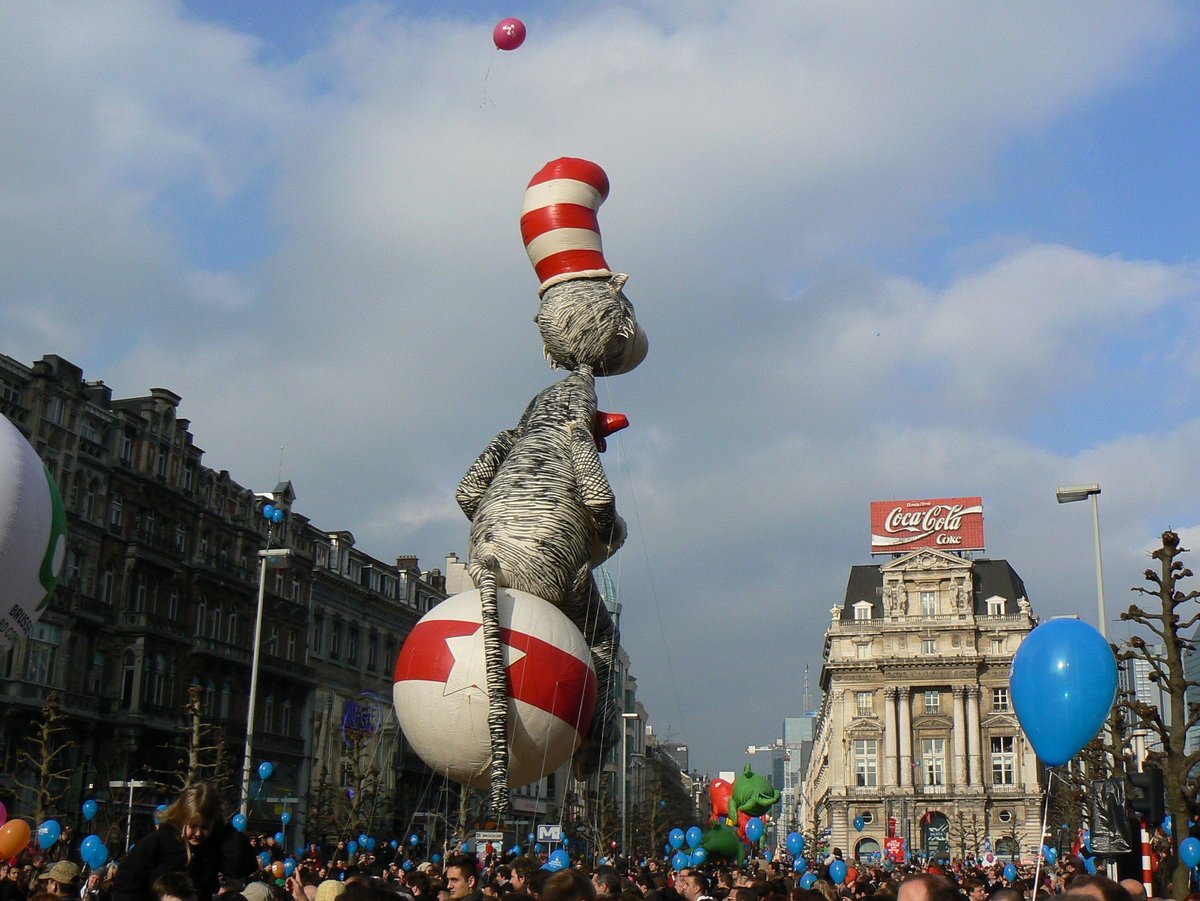
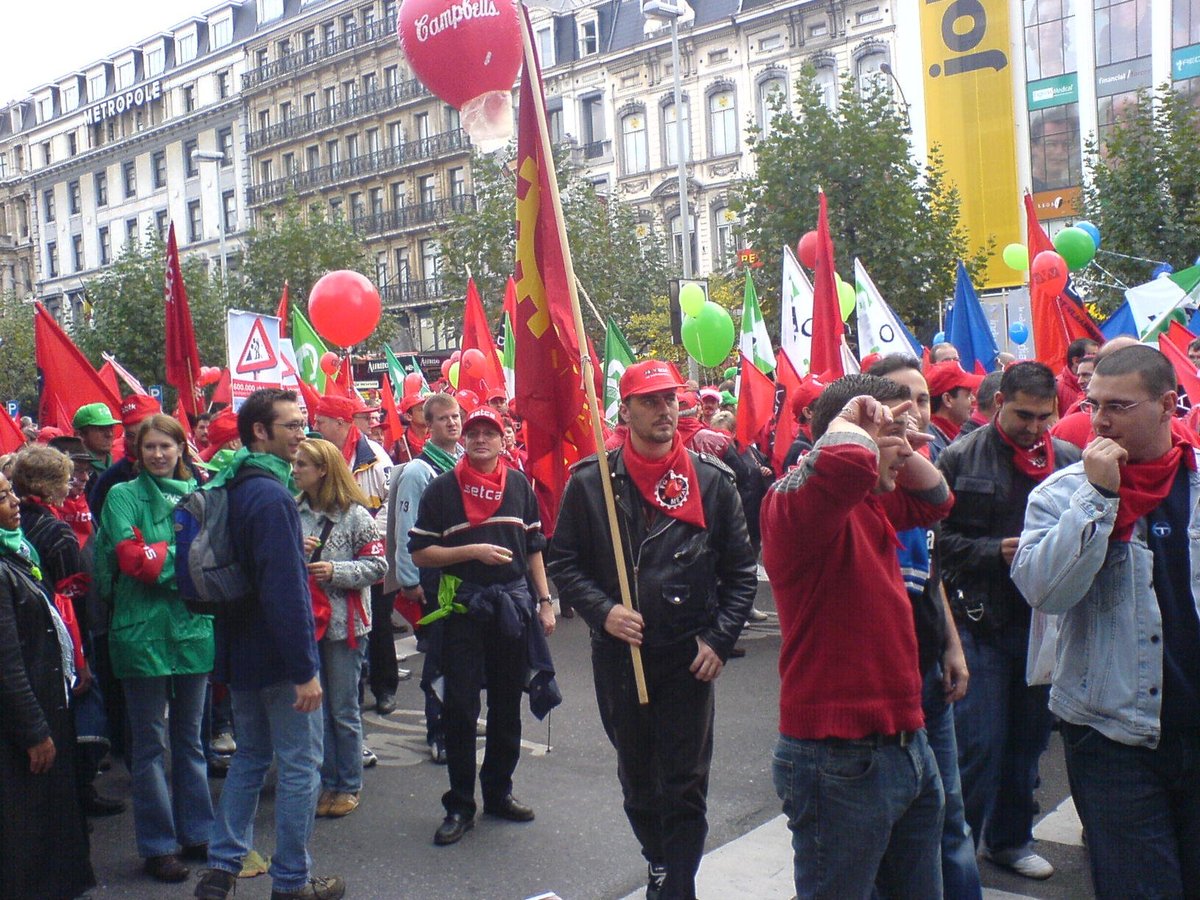
De Brouckère Square is a crossroads for locals, students, tourists, and professionals. Its proximity to major attractions and shopping streets ensures a lively, diverse atmosphere. The square regularly hosts markets, public demonstrations, and cultural events, reaffirming its role as a civic gathering point (County Local News).
Nearby Attractions
- Grand Place UNESCO-listed central square, 10-minute walk (Visit Brussels).
- Théâtre de la Monnaie Renowned opera house.
- Galeries Royales Saint-Hubert Historic shopping arcade.
- Saint Catherine Church and Place Sainte Catherine Known for markets and seasonal events.
- Brussels Stock Exchange (Bourse) 19th-century landmark.
Other nearby points of interest include Nova Cinema, Royal Puppet Theater Toone, Church of Our Lady of Finistère, Black Tower, and Dansaert Street (Travelistica).
Architectural Highlights
- Hotel Continental Built in 1874, famous for its ornate façade and the iconic Coca-Cola sign (Wikipedia).
- Théâtre de la Monnaie Belgium’s premier opera house (Evendo).
- UGC De Brouckère Cinema Continuation of the square’s cinematic legacy.
- Multi Tower and Monnaie Center Modernist office complexes from the 1960s.
- Charles de Brouckère Statue Honoring the square’s namesake (Cityzeum).
Facilities, Dining, and Shopping
Facilities & Amenities
- Public restrooms Available in the metro station and shopping centers.
- Wi-Fi Free public access via “wifi.brussels.”
- Tourist information Visit Brussels office at Rue Royale 2-4.
Dining
- Restaurants and Cafés A wide range from traditional Belgian brasseries to international cuisine.
- Outdoor terraces Popular in warm months.
Shopping
- Rue Neuve Main pedestrian shopping street.
- City2 Shopping Mall Nearby for retail and dining.
- Markets Seasonal and pop-up events.
Events and Activities
- 3x3 Masters Basketball Tournament Major event on July 19, 2025 (brussels.be).
- Open-air concerts, festivals, and art installations Frequent, especially in summer (Visit Brussels).
- Guided tours Available through Visit Brussels and local operators.
Accessibility and Transportation
- De Brouckère Metro/Premetro Station Lines 1, 3, 4, and 5.
- Walking and cycling Pedestrian zone and cycling paths; Villo! bike-sharing stations nearby (Brussels.be).
- Accommodation Options for all budgets, including Hotel Metropole, Novotel Brussels City Centre, ibis Brussels City Centre, and Aparthotel Adagio Brussels Grand Place.
Urban Renewal and Modern Features
The ongoing Brouck’R project is transforming the square with mixed-use spaces, green courtyards, and restored façades, embodying Brussels’ focus on sustainability and quality of urban life (Henning Larsen; CFE).
Frequently Asked Questions (FAQ)
Q: What are De Brouckère Square’s visiting hours?
A: The square is open 24/7. No tickets are required.
Q: How can I get there by public transport?
A: Via De Brouckère Metro Station (lines 1, 5), trams 3, 4, 32, and several bus routes.
Q: Is the square accessible for wheelchair users?
A: Yes, with step-free access and accessible facilities.
Q: Are there public restrooms?
A: Yes, in the metro station and nearby shopping centers.
Q: What are the main nearby attractions?
A: Grand Place, Galeries Royales Saint-Hubert, Théâtre de la Monnaie, Saint Catherine Church, and the Bourse.
Q: Are guided tours available?
A: Yes, through Visit Brussels and other providers.